




Introduction
“Success is the sum of small efforts, repeated day in and day out.” Robert Collier could have been speaking about quality work. Good quality is not a single project. It is the daily pattern of choices every team makes.
Right now many organizations make those choices inside spreadsheets, disconnected systems, and rushed email chains. Quality teams feel pressure from regulators, customers, and internal leaders at the same time. The result is stress, rework, and a constant feeling of being one audit away from trouble.
AI in quality management means using artificial intelligence to plan, run, and improve quality processes in a smarter way. Instead of humans carrying every task, AI shares the load with pattern recognition, predictions, and content generation. In this article, we look at how this shift affects leadership, culture, learning, and systems. We also show how iAvva AI links AI strategy with daily behavior so quality improves in ways that actually last.
If you want quality to move from fire drills to steady strength, keep reading.
Key Takeaways
AI in quality management raises many questions for busy leaders. This quick list gives a fast preview before we go deeper. You can scan these points now and come back to them as a checklist later.
AI Turns QMS From Reactive to Proactive. AI tools spot patterns, weak signals, and risks before they turn into complaints or findings. That lets teams act early instead of only responding after a failure. Over time this changes quality from a cost center into a source of confidence.
Quality Change Lives or Dies With Leadership Behavior. Algorithms do not hold people accountable or shape culture. Leaders do that through the habits they model in meetings, in reviews, and in how they respond to mistakes. AI in quality management works best when leaders treat it as support for better judgment, not a replacement for it.
Human Plus AI Coaching Is the Missing Link in QMS ROI. New QMS features mean little if managers still think and act the old way. iAvva AI combines an AI coaching app with expert coaches to build decisive, ethical, quality‑minded leadership. That link from technology to daily behavior is where many programs fail.
Start Small With High Impact AI Use Cases in Quality. You do not need a giant program from day one. Focus first on data rich, repetitive, high risk processes like complaints, CAPA, or audit prep. Win there, learn, and then expand AI across your quality system.
Govern AI in Quality With Clear Guardrails and Metrics. Strong data privacy, role based access, and human review points keep AI safe and trusted. Simple metrics around cycle time, findings, and leadership behavior show whether AI in quality management truly helps your people and your customers.
“Quality is not an act, it is a habit.” – Aristotle
The same is true for AI adoption: consistent small steps beat one big program launch.
What Is AI In Quality Management And Why Does It Matter Now?
AI in quality management means using tools like machine learning, natural language processing, and generative models inside quality processes. These tools support decisions about risk, defects, training, and compliance across the whole business. For leaders, this shifts quality from a narrow function into a shared responsibility.
Several outside forces push this change. One large provider tracked more than 101,000 global regulations and reference documents in life sciences alone, with over 8,000 new ones each year, roughly one every 13 minutes (Regulatory Affairs Professionals Society). That pace is almost impossible to follow with manual work. At the same time, customers expect faster delivery and higher consistency, while talent markets stay tight.
Generative AI and predictive analytics add real economic weight, with the global travel and hospitality sector alone projected to reach the Global Travel Economy $11.6T milestone by 2025, illustrating the scale of industries now depending on quality systems to sustain growth. Research from McKinsey suggests generative AI could add up to $4.4 trillion in yearly value worldwide. Studies from MIT and Boston Consulting Group show productivity gains of up to 60 percent for some knowledge tasks when people use AI assistants. When we apply those gains to quality tasks like document review, CAPA analysis, and training content, the impact is clear.
For HR, L&D, IT, and the C suite, this means quality can no longer sit only with operations or regulatory teams. AI driven quality touches hiring, skills, leadership style, and system design. At iAvva AI, we see AI in quality management as both a system upgrade and a people upgrade that must move together.
Types Of AI That Power Modern Quality Management Systems
Types of AI that power modern quality management systems form a family of tools, not a single feature. Understanding the main types helps us choose the right mix for each process. It also helps HR and L&D plan the skills leaders need.
Rule based automation handles simple, repeatable workflows like routing, reminders, and status changes. It follows clear if this then that logic that quality teams already know from many QMS tools. This style is reliable for stable tasks, but it struggles when inputs are messy or unclear.
Machine learning models learn from past data to predict what might happen next. In AI in quality management, these models estimate defect risk, forecast equipment failures, or rank suppliers by likely issues. They work well when you have enough clean history to train on.
Natural language processing (NLP) focuses on unstructured text such as SOPs, audit reports, complaints, and customer feedback. NLP can tag documents, pull out key fields, or group similar incidents. This turns piles of text into signals that leaders can actually use.
Generative AI creates new text, code, or images based on patterns it has seen. Inside a QMS, generative tools can draft SOPs, CAPA summaries, regulatory responses, or assessments. People still review and sign off, but first drafts arrive much faster and stay more consistent.
Agent style AI co workers combine these abilities into helpers that move across systems. For example, an agent can read an incident report, pull related cases, suggest root causes, and draft a CAPA, then prompt the owner for final approval. For people leaders, this means less time pushing paperwork and more time on coaching and decisions.
How AI Is Transforming The Role Of Quality Management Across The Business
AI is changing the role of quality management from a back office check to a shared business muscle. In the past, quality often meant paper forms, end stage inspections, and reacting to issues. Now, integrated data platforms, IoT devices, and AI tools link design, operations, support, and training.
Regulators like the FDA and standards such as ISO 9001 and ISO 13485 now expect continuous improvement backed by data, not only static procedures (International Organization for Standardization). Customers compare experiences across brands like Apple, Amazon, and Tesla, then bring those expectations to every product and service. SMBs feel the same pressure as global giants.
Here is what changes inside the company:
Quality shifts from an isolated department to a cross functional loop that includes HR, L&D, IT, and Operations. AI surfaces patterns that require joint action, such as training gaps, supplier issues, or system flaws.
Line managers and middle leaders become stewards of daily quality behavior. AI gives them dashboards and alerts, but they still choose how to respond, coach, and set priorities. That is why leadership development is so tied to AI in quality management.
Partners like iAvva AI help connect the dots between technology, process, and human growth. Instead of treating QMS upgrades and leadership programs as separate, we align them with shared goals and data.
How Does AI Improve Quality Management Outcomes?
AI improves quality management outcomes by shortening cycle times, lowering risk, and lifting knowledge worker capacity, as explored in a comprehensive AI for quality management: review published in Springer Nature’s Engineering Management journal. It does this by automating data heavy work, spotting patterns faster than humans, and giving leaders better inputs for decisions. The gains touch both hard metrics and softer cultural shifts.
According to Harvard Business Review, between 56 and 70 percent of digital change efforts fail to hit their goals. Many of those projects include QMS upgrades. AI does not fix that by itself, but when we pair AI in quality management with strong leadership, we see fewer surprises, clearer ownership, and more useful insights flowing back into design and training.
Operational Efficiency, Predictive Quality, And Compliance Readiness
AI improves operational efficiency by cutting manual steps out of quality workflows. When AI connects to MES, ERP, CRM, and service tools like Salesforce or ServiceNow, data flows into the QMS without endless copying and pasting. That reduces errors and makes metrics like defect rates, yields, and complaint trends available in near real time.
Predictive models learn how process conditions link to defects, rework, or downtime. They can alert a plant team when a line drifts out of its sweet spot or a machine shows early signs of trouble. Predictive maintenance backed by AI has helped sectors like automotive and aerospace reduce unplanned stoppages and quality drift (McKinsey).
Compliance readiness also changes. AI can watch for deviations in training records, signatures, or document use and flag them early. Generative tools help draft audit responses, submission sections, and periodic review summaries, drawing on past approved language. NLP can tag documents with standards such as ISO 9001, FDA QMSR, or HIPAA, making it easier to prove traceability.
In practice, we see:
- Reduced CAPA closure times
- Faster batch or release decisions
- Less panic before inspections and audits
Quality teams spend fewer hours chasing evidence and more hours improving processes.
Workforce Productivity And Leadership Decision Quality
AI in quality management has a strong effect on knowledge workers, not only machines. Analysts, engineers, trainers, and managers often spend large parts of their week preparing slides, cleaning data, or aligning text across documents. Generative AI handles much of that first pass.
A field experiment with consultants at Boston Consulting Group and researchers at MIT showed productivity gains near 40 to 60 percent on some writing and analysis tasks when people had access to generative tools. Quality teams see similar lifts when AI helps draft CAPA narratives, risk files, or training modules.
Better decision quality follows when leaders see clearer patterns and trade offs. AI can present scenarios such as how different CAPA options affect risk, cost, and lead time. In meetings, this means more time spent on choice and accountability, less on gathering numbers.
For example, a CAPA board can review AI ranked root causes, suggested actions, and predicted impact. Leaders still decide, but they start from a richer picture. iAvva AI adds another layer by coaching leaders daily on focus, ethics, and quality‑minded thinking so they use these insights well.
Tip: During early pilots, ask teams to log when they accept, modify, or reject AI suggestions. Reviewing these logs helps improve both the model and human judgment.
Core Capabilities Of AI-Enabled Quality Management Systems
Core capabilities of AI enabled quality management systems define what modern platforms should deliver. These capabilities go far beyond simple workflow routing. They include predictive analytics, content generation, smart document control, and links into training and people data.
For IT, Quality, and People teams, a shared vocabulary around these features helps when they assess vendors and plan upgrades. It also helps avoid buying tools that claim AI without offering real intelligence. In our work at iAvva AI, we often see the biggest wins when organizations pick a small set of these capabilities and link them directly to leadership routines.
What Are The Must-Have AI Capabilities In A Modern QMS?
A modern QMS needs several AI capabilities to support real change in performance. These are the features we now see as baseline when we talk with clients in MedTech, manufacturing, and services.
Automated data ingestion pulls information from equipment, IoT sensors, ERP, CRM, and support channels into one quality data layer. Teams no longer rely only on spreadsheets and emails for core metrics. This also helps leaders trust the numbers they see.
Predictive analytics for defects and maintenance learn from history to estimate where and when problems are likely. Quality and maintenance teams can plan checks and work orders before failures hit customers. That supports more stable operations and better use of limited staff.
AI driven decision support helps with root cause analysis and CAPA planning. The system can surface similar past cases, suggest likely factors, and propose ranked action sets. Less experienced managers gain support that feels like having a senior mentor in the room.
Intelligent document control with NLP checks for inconsistent terms, outdated references, or missing links in SOPs and work instructions. When a key requirement changes, AI can suggest related documents and training that may also need updates. This guards against silent misalignment across sites.
Regulatory and compliance assistants watch external sources for updates and summarize them for internal owners. They can suggest which procedures, forms, or labels might be affected. That keeps regulatory staff focused on judgment and strategy instead of pure tracking.
Training and competency analytics connect quality events to learning needs. If one type of deviation keeps rising in a specific role or site, AI can recommend new modules or microlearning. Platforms like iAvva AI Coach then deliver those nudges in daily five minute prompts.
To show the shift, here is a simple comparison.
| Aspect | Traditional QMS | AI Enabled QMS |
|---|---|---|
| Data flow | Manual entry and batch reports | Automatic feeds and near real time views |
| Insight | Basic trend charts | Predictions, scenarios, and ranked risks |
| Content | Human written from scratch | AI drafted with human review |
How AI Connects Quality, Training, And People Operations
AI connects quality, training, and people operations by turning QMS data into learning signals. Every nonconformance, audit finding, complaint, or near miss carries a story about human behavior and skills. With AI support, that story becomes the base for better development plans.
For example, NLP can review CAPA records and link common root causes to competency frameworks owned by HR or L&D. If many issues point to weak risk thinking or poor handoff communication, programs can adjust. Microlearning and coaching can then focus on those behaviors instead of only showing rules again.
Generative AI can build quizzes, role plays, and case studies straight from SOPs, policies, and past incidents, with research on Deep Learning-Enhanced Industrial Visual inspection systems demonstrating how multi-agent AI collaboration is elevating quality assurance in manufacturing training contexts. This saves L&D teams from rewriting content and keeps training close to real work. According to Nielsen Norman Group, short, spaced learning moments tend to stick better than long, rare classes.
Dashboards that mix quality metrics with learning and engagement data help CLOs and HR Directors see which investments pay off. iAvva AI adds another layer by showing how leaders use the AI Coach app, which habits they build, and how that lines up with quality outcomes. Over time, this closes the loop between systems, skills, and results.
“An investment in knowledge pays the best interest.” – Benjamin Franklin
Linking QMS data to learning turns every incident into fuel for smarter work.
Human AI Collaboration Why Leadership And Culture Decide QMS Success
Human AI collaboration in quality management works only when leadership and culture support it. AI tools can crunch numbers and draft text, but they do not set values or make people feel safe to raise issues. Those parts still sit with humans.
When we introduce AI in quality management, we also shift roles. Many quality professionals move from doing manual checks to supervising AI supported workflows. Middle managers learn to ask better questions of models and to balance data with judgment. Without support, that shift can feel threatening or confusing.
What Skills Do Leaders And Teams Need To Work With AI In Quality Management?
Leaders and teams need a clear set of skills to work well with AI in quality management. These skills mix technical understanding with human and ethical strengths. HR, L&D, and partners like iAvva AI can build them on purpose.
Key skills include:
Data and AI literacy: understanding what different models can and cannot do. Leaders do not need to code, but they should know the difference between prediction and rule based logic. They should also grasp where AI may be biased or weak.
Critical thinking and ethical judgment: staying at the center. Teams must be able to question AI outputs, spot odd patterns, and refuse to follow a suggestion that feels wrong. This matters a lot for safety, fairness, and regulatory trust.
Cross functional collaboration: growing in importance because AI links Quality, IT, HR, Regulatory, and Operations. People need to speak enough of each field’s language to work through issues together. That includes agreeing on shared data, shared metrics, and shared change plans.
Change leadership skills: helping managers guide their teams through AI adoption. They need to listen to concerns, give clear stories about why they are using AI, and model curiosity instead of fear. iAvva AI Coach focuses many prompts on these exact behaviors.
As these skills spread, quality engineers and managers become more like AI conductors than only process owners. They focus less on pushing paper and more on shaping systems and people.
Guardrails And Governance Keeping Humans In The Loop
Guardrails and governance keep humans in the loop so AI stays safe, explainable, and compliant. Regulators and auditors want to see not only that AI exists, but how it works and how people oversee it. Leaders should plan this from the start.
Important elements include:
Strong data privacy and security: encryption, clear role based access, and careful handling of personal or patient data in any AI tool. Guidelines from the European Data Protection Board and laws like GDPR set clear expectations for this.
Explainability: quality and regulatory teams must be able to show why a model rated a risk high, flagged a batch, or ranked CAPAs in a certain order. Some tools provide feature importance, confidence scores, or example based explanations. These should be documented and reviewed on a schedule similar to other validated systems, especially in GxP settings guided by the FDA or EMA.
Policies about acceptable use: covering where AI may draft content, where human sign off is mandatory, how to store AI generated text, and how to monitor model drift. Clear rules reduce confusion and support consistent practice.
Metrics and feedback loops: such as false alert rates, cycle times, and user satisfaction. These help leaders see whether AI support is working or needs tuning.
Tip: Treat AI models like a new member of the quality team—document their role, performance, and training data, and review them regularly.
IAvva AI Bridging AI Strategy, Leadership Behavior, And Quality Change
iAvva AI bridges AI strategy, leadership behavior, and quality change by blending a coaching platform with expert services. Instead of offering only software or only consulting, we bring both together. That helps QMS projects affect daily habits, not just process maps.
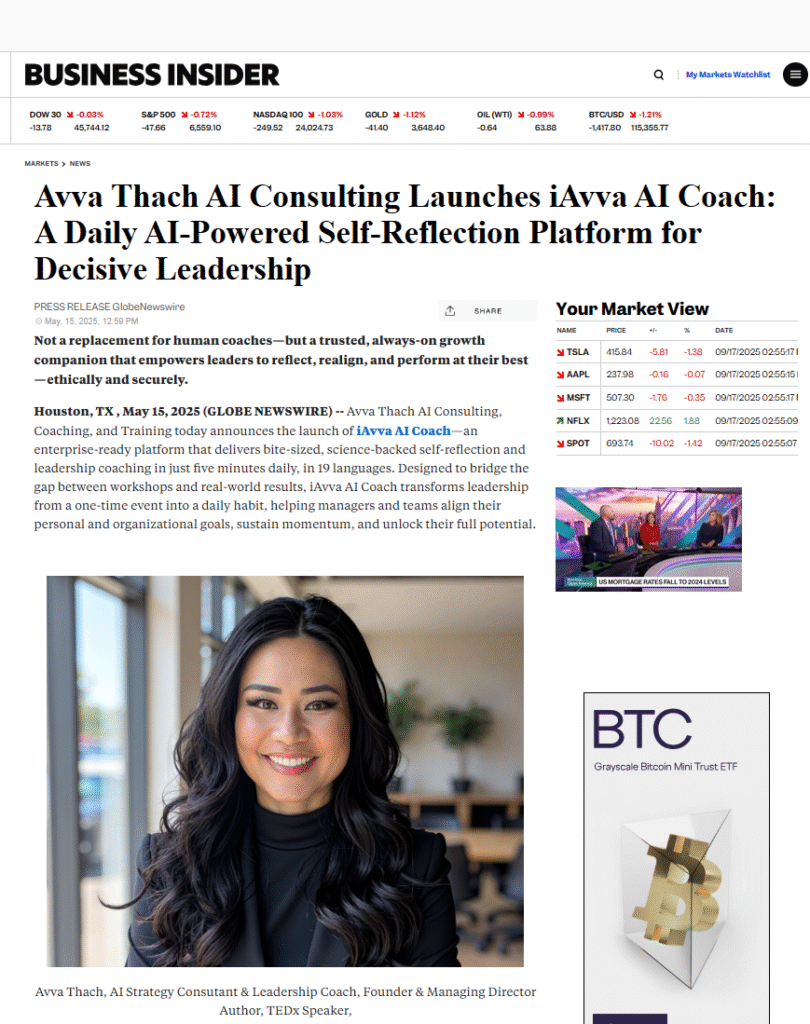
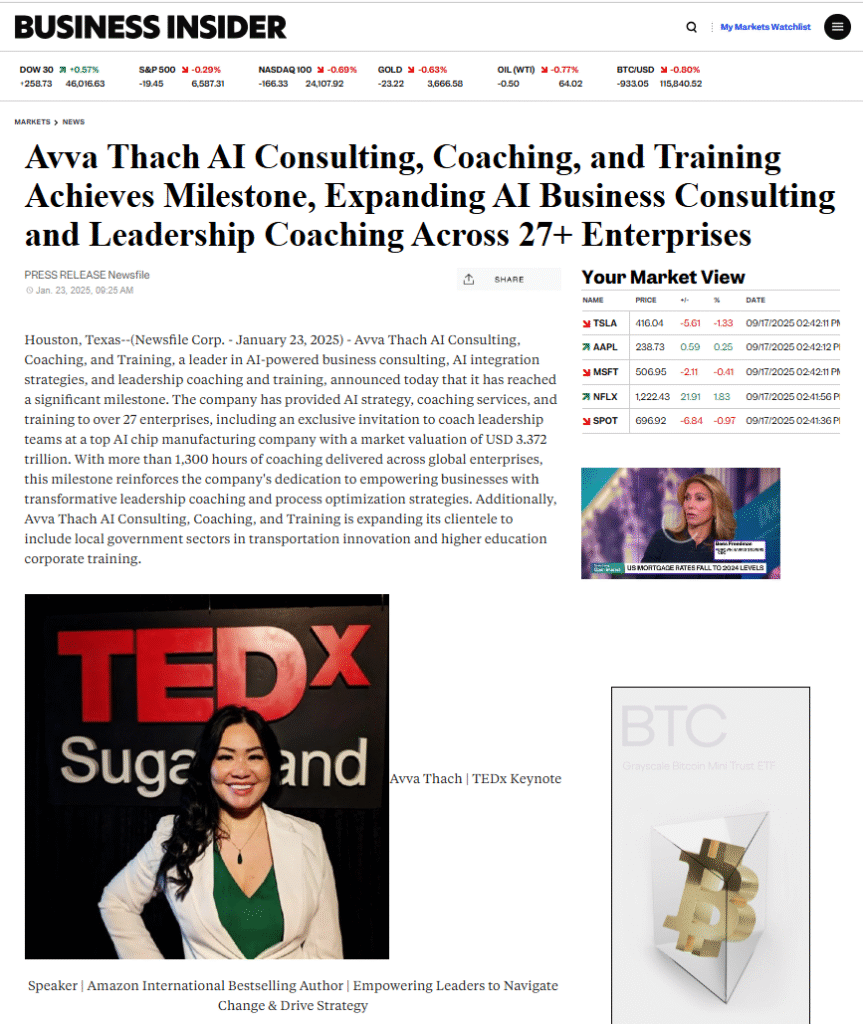
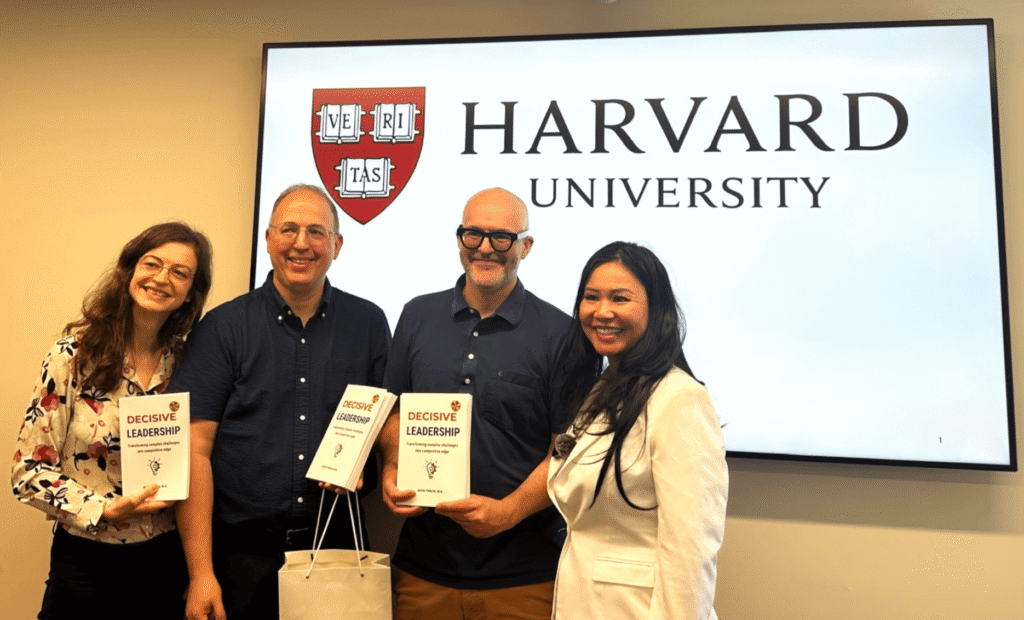
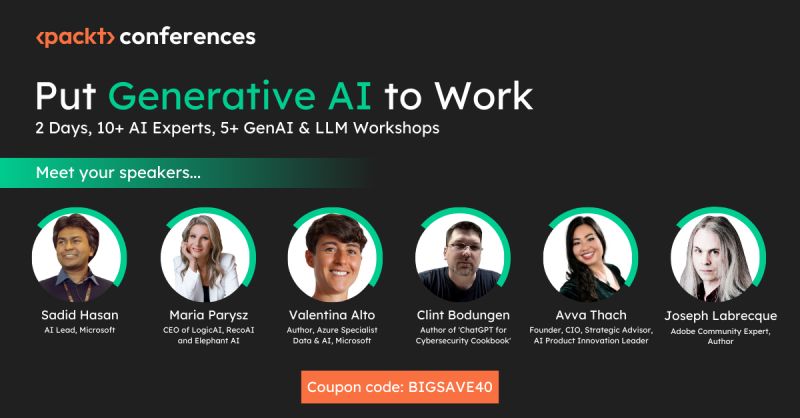
The company is based in Houston, Texas, founded by Avva Thach, a TEDx speaker and Amazon bestselling author with more than twenty years of consulting background at firms like Accenture, bringing a science-backed approach informed by the latest research on Translation to Impact: U.S. and global science and technology innovation output. Her experience includes work on a digital change program worth more than 22 billion dollars. That depth sits behind the way we approach AI in quality management.
How IAvva AI’s Human + AI Model Accelerates QMS Adoption And ROI
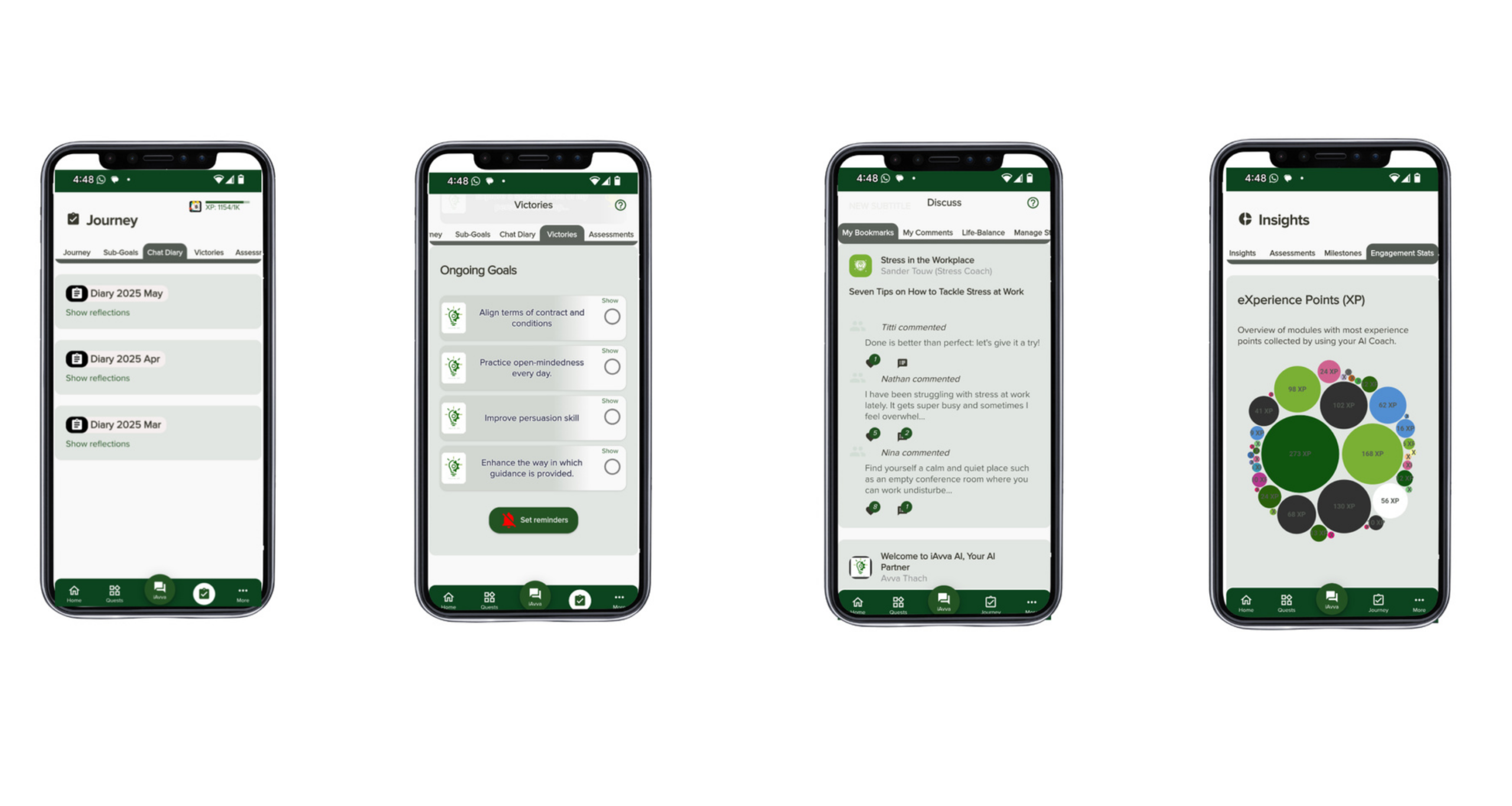
The iAvva AI model accelerates QMS adoption and ROI by pairing an AI coaching app with human facilitation and strategy work. The flagship iAvva AI Coach runs on web, iOS, and Android in 19 languages. It offers daily five minute prompts rooted in neuroscience, positive psychology, and ICF aligned coaching.
Those prompts help leaders build habits around focus, ethics, feedback, and quality‑minded decisions. Real time analytics dashboards show HR, L&D, and Operations how often leaders reflect, which themes they work on, and how that shifts over time. This gives rare visibility into the human side of QMS readiness.
Alongside the app, iAvva AI provides one to one and group coaching. Over 1,400 hours of coaching have already supported leaders at PayPal, a national energy company, and senior Canadian government teams. Many of those clients work in fields where quality, compliance, and safety are non negotiable.
We also offer AI defined IT project management training so IT and Operations leaders know how to run AI heavy programs. That helps close the gap between business goals and system delivery that often hurts QMS upgrades. When you mix these elements, QMS adoption moves faster, and the benefits stay in place.
Where IAvva AI Fits In Your AI-Driven Quality Strategy
iAvva AI fits into your AI driven quality strategy as the connector between tools, projects, and people. Many organizations already invest in QMS platforms, data lakes, and AI pilots. What they lack is a way to build shared mindset, skill, and behavior across managers and teams.
We help address the high failure rate of digital change by working on human and technical factors together. Our AI Coach platform can align personal growth goals with OKRs tied to quality, safety, or regulatory targets. That makes leadership development part of your QMS roadmap instead of a side program.
For IT and Operations leaders, our AI project management certification builds skills in AI specific risk, validation, and cross functional planning. This supports smoother QMS deployments and upgrades. For HR and CLOs, the analytics from iAvva AI Coach make it easier to show how leadership behavior links to quality metrics and audit results.
Because the platform is multilingual, neurodiversity friendly, and GDPR compliant, global teams can receive the same quality‑minded coaching whether they sit in Houston, Berlin, or Singapore. Early users report higher focus, stronger self awareness, and better productivity, which all feed into stronger quality performance.
“Culture eats strategy for breakfast.” – Peter Drucker
Tools matter, but daily habits and leadership behavior decide whether AI in quality really pays off.
How To Get Started With AI In Quality Management Without Overwhelming Your Teams
Getting started with AI in quality management can feel heavy, but it does not need to. The key is to start where data is ready, risks are clear, and people can see the benefit quickly. From there, you can scale with more confidence.
According to IDC, organizations will spend around 3.4 trillion dollars on digital change by 2026. Much of that touches quality and compliance. A careful start helps your company land on the success side of that trend instead of joining the long list of stalled projects.
What Are The Best First AI Use Cases For Your QMS?
The best first AI use cases for your QMS tend to be data rich, repetitive, and important for risk or customer trust. Choosing wisely shows teams that AI helps them, not just leadership dashboards.
Good selection criteria include:
- High manual effort today
- Clear links to compliance or customer impact
- Measurable metrics such as cycle time or error rate
Processes like complaints handling, CAPA, audit preparation, or document search often fit this pattern. They also touch multiple teams, so wins here build broad support.
Some early wins we see often are:
- AI assisted document search and summarization inside the QMS
- AI helpers that route and flag incidents based on narrative text
- Generative tools that draft internal training content from existing SOPs
Each of these reduces busy work for professionals who already feel stretched.
Involving middle managers as sponsors for these pilots is smart. They sit close to daily work, understand pain points, and influence adoption. iAvva AI Coach can support them with micro coaching on how to lead these experiments and talk with their teams about what AI is doing.
Tip: Start with one or two use cases per site. Document lessons learned, then reuse that playbook for the next round.
A Phased Adoption Blueprint For AI-Driven Quality And Leadership
A phased adoption blueprint keeps AI in quality manageable and aligned with leadership growth. Think of it as three waves, each building on the last.
Phase 1 – Foundations And Quick Wins
- Map current processes and pain points.
- Clean key data sets (complaints, CAPA, audits).
- Set basic governance and acceptable use policies.
- Launch AI assistants for search, QMS “how to” questions, and microlearning from SOPs.
- Use iAvva AI Coach to help leaders build curiosity and habits around data informed decisions.
Phase 2 – Predictive And Prescriptive Quality
- Add models that forecast defects, maintenance needs, or high risk suppliers.
- Feed insights into daily huddles, CAPA boards, and steering meetings.
- Align IT, Quality, and Operations on priorities, scope, and validation.
- Use AI project management training from iAvva AI to guide AI heavy programs.
Phase 3 – Integrated Intelligent Quality Network
- Connect QMS with ERP, MES, LMS, and people analytics.
- Deploy AI agents to support end to end flows from incident to learning update.
- Use micro coaching and OKR alignment through iAvva AI Coach so leaders stay focused on behaviors that match these smarter systems.
Throughout all phases, move at a pace your teams can handle. Celebrate each practical gain and learn from missteps without blame.
Common Challenges And How To Overcome Them With AI-Enabled Leadership
Common challenges in AI in quality management include data issues, regulatory worries, and human fears. Many organizations also face misalignment between business leaders and IT. These hurdles are normal, not signs that AI is a bad idea.
What matters is how leadership responds. With clear communication, shared learning, and support from tools like iAvva AI Coach, these same challenges can become sources of advantage. The companies that stand out often are not those with the fanciest models, but those with the most prepared people.
What Gets In The Way Of Successful AI In Quality Management?
Several factors get in the way of successful AI in quality management:
Data problems. Older QMS, ERP, and MES systems often store data in silos with inconsistent fields and taxonomies. This makes it harder to train models or trust outputs.
Regulatory and validation concerns. In GxP areas, teams worry about opaque models, audit expectations, and extra documentation. Without clear guidance, they may avoid AI even when it could help.
People worries and resistance. Many workers ask if AI will replace them or weaken their expertise. Skepticism about accuracy and fairness is also common.
Business–IT misalignment. When priorities and timelines are not shared, tools may not fit real workflows, leading to low adoption and poor results.
These blockers do not disappear by ignoring them. They respond to open discussion, careful design, and visible support from senior and middle leaders.
How AI-Ready Leaders Turn These Challenges Into Competitive Advantage
AI ready leaders turn these challenges into advantage by how they frame, plan, and support AI work.
They:
- Talk openly about AI as support for humans, not a secret way to cut heads.
- Show real examples where AI takes over dull tasks while people take on more judgment and collaboration.
- Co design workflows with frontline quality staff, engineers, and regulators to reduce fear and surface real constraints early.
Harvard Business Review notes that change programs with strong involvement from middle managers tend to perform better than those driven only from the top.
AI literacy, ethics, and human AI collaboration become key topics in leadership programs. iAvva AI Coach weaves these themes into daily prompts and reflections, backed by real time analytics. Leaders can see how their teams respond under new AI supported workflows and adjust their support.
When organizations celebrate wins that come from human plus AI efforts—such as reduced findings or faster release with no safety loss—they signal the culture they want. Over time, the same issues that once looked like blockers turn into sources of learning and strength.
“The greatest danger in times of turbulence is not the turbulence—it is to act with yesterday’s logic.” – Peter Drucker
AI ready leaders update their logic and bring their teams along.
Summary Of AI In Quality Management
AI in quality management has moved from theory to daily practice. Across industries, AI tools now help collect data, spot patterns, predict risks, and draft content inside QMS workflows. When used well, they shorten cycle times, reduce errors, and make audits less stressful.
The deeper change sits with people. Quality now depends on leaders who can read AI insights, ask sharp questions, and take fair, timely decisions. It depends on teams who feel safe raising issues, even when AI did not flag them. Without this, even advanced platforms deliver weak results.
iAvva AI stands out by joining technology, coaching, and strategy in one connected approach. The iAvva AI Coach platform shapes habits across thousands of small moments, while human coaches and consultants handle complex QMS and AI questions. Together they help HR, L&D, IT, and the C suite pull in the same direction.
If you want to move from reactive compliance to proactive, learning driven quality, now is the time to act. You can start with one or two AI use cases, build leader readiness with iAvva AI Coach, and grow from there. The sooner your people learn to work with AI, the faster quality becomes a source of confidence, not stress.
Frequently Asked Questions
Question How Is AI In Quality Management Different From Traditional QMS Automation?
AI in quality management goes beyond traditional automation by learning from data and handling unstructured text. Classic QMS rules only route tasks, while AI predicts risks, drafts content, and supports human judgment on complex cases.
In short, traditional automation follows fixed rules, while AI adapts to patterns in your quality data and documents.
Question Can Small And Mid-Sized Businesses Realistically Implement AI In Quality Management?
Yes, small and mid sized businesses can use AI in quality management through cloud based tools and focused pilots. They gain enterprise level capabilities without massive infrastructure, especially when partners like iAvva AI help pick use cases and guide governance.
A practical path is to:
- Choose one or two high pain processes.
- Use software with built in AI features instead of custom builds.
- Track a few simple metrics to prove value before expanding.
Question What Data Do We Need Before We Can Use AI Effectively In Our QMS?
You need basic, clean data on nonconformances, CAPAs, complaints, audits, training, equipment, and suppliers. Start with your most complete area, define simple taxonomies, connect systems where possible, and improve data quality step by step.
Focus first on:
- Consistent naming (products, sites, failure modes)
- Reduced free text where structured fields work
- Clear links between events, actions, and outcomes
Question How Do We Measure The ROI Of AI In Quality Management?
Measure ROI of AI in quality management through both hard and soft metrics. Track:
- Defect rates, scrap, and rework
- CAPA and audit cycle times
- Downtime and time to market
- Complaint resolution times
Also watch softer indicators such as leadership behaviors, engagement, training impact, and audit findings trends. iAvva AI Coach can add data on reflection rates, focus, and behavior change that support these outcomes.
Question Will AI Replace Quality Professionals Or Make Their Roles Obsolete?
AI is unlikely to replace quality professionals but it will change their roles, a conclusion aligned with the State of AI Literacy findings showing that human oversight and judgment remain central even as AI handles more routine analytical tasks. Routine analysis and drafting shrink, while system thinking, human AI collaboration, and cross functional leadership grow, making upskilling and coaching even more important.
Quality experts who learn to guide AI and interpret its output will be in high demand.
Question How Can HR And L&D Teams Support AI-Enabled Quality Initiatives?
HR and L&D teams support AI enabled quality by owning AI literacy and collaboration training. They can:
- Embed AI topics into leadership programs
- Adjust competency models to include data literacy and ethical judgment
- Use tools like iAvva AI Coach to scale mindset and habit change
This makes AI in quality management a shared people strategy, not just an IT upgrade.
Question What Makes IAvva AI Different From Other AI Coaching Or QMS Vendors?
iAvva AI differs by combining an AI coaching platform, human coaching, and AI strategy services focused on quality and leadership. Daily micro coaching aligns with OKRs and QMS goals, while proven consulting and training connect technology change to real human and business results.
Where many vendors focus only on software features, iAvva AI focuses on behavior change, leadership readiness, and measurable impact on quality outcomes.













Leave a Reply