






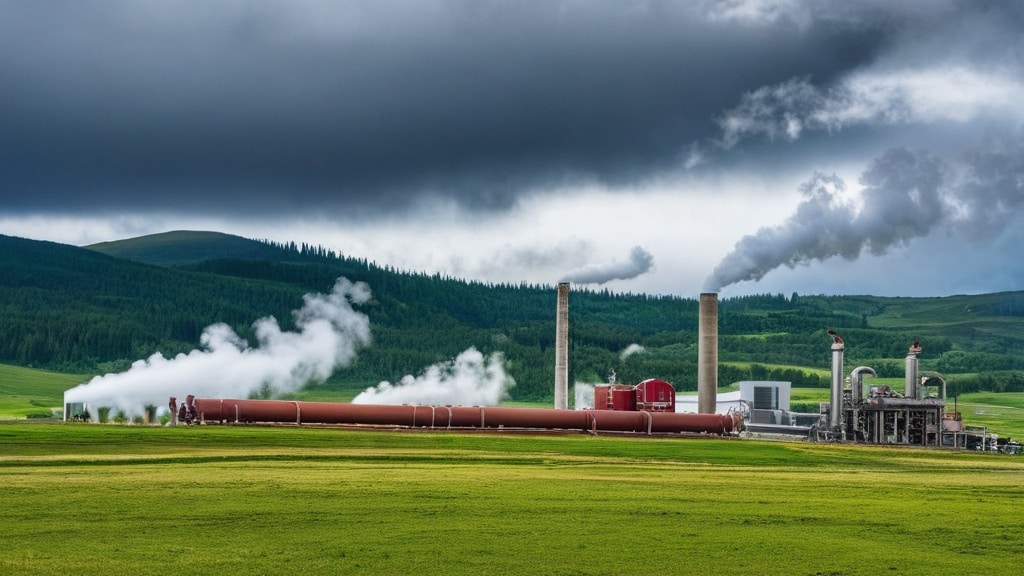
Geothermal energy is a renewable energy source that utilizes heat from the Earth’s interior. This energy originates from the planet’s formation approximately 4.5 billion years ago and the ongoing radioactive decay of naturally occurring isotopes in the Earth’s core and mantle. The technology extracts thermal energy from underground reservoirs through wells drilled into geothermal fields, where temperatures can range from 150°C to over 350°C.
Geothermal systems operate through three primary applications: electricity generation using steam or hot water to drive turbines, direct-use applications for heating buildings and industrial processes, and ground-source heat pumps for residential and commercial heating and cooling. The technology provides baseload power generation, operating at capacity factors typically exceeding 90%, compared to solar photovoltaic systems at 25% and wind turbines at 35%. Current global geothermal electricity capacity totals approximately 16 gigawatts across 29 countries, with the United States, Indonesia, Philippines, Turkey, and New Zealand leading in installed capacity.
Despite this established infrastructure, geothermal energy represents less than 1% of global electricity generation. Enhanced geothermal systems (EGS) and closed-loop technologies are expanding the geographic potential of geothermal energy beyond traditional volcanic regions, potentially increasing accessible resources by a factor of 10 to 100 compared to conventional hydrothermal systems.
Key Takeaways
- Geothermal energy utilizes the Earth’s internal heat as a sustainable power source.
- It offers significant environmental benefits, including low emissions and a small land footprint.
- Challenges include high initial costs and location-specific resource availability.
- Innovations are improving efficiency and expanding geothermal applications globally.
- Government policies and support are crucial for advancing geothermal energy development.
Understanding the Earth’s Heat
At the core of geothermal energy lies the heat generated by the Earth’s core, which is primarily composed of iron and nickel. This heat is produced through several processes, including the decay of radioactive isotopes and residual heat from the planet’s formation. As one moves deeper into the Earth, temperatures increase at an average rate of about 25 to 30 degrees Celsius per kilometer.
This geothermal gradient varies depending on geological conditions, leading to areas where heat is more accessible and can be harnessed effectively. The Earth’s crust acts as an insulating layer, trapping heat in certain regions known as geothermal reservoirs. These reservoirs can be found in various geological formations, such as volcanic regions, hot springs, and tectonic plate boundaries.
Understanding these geological features is crucial for identifying suitable locations for geothermal energy extraction. By studying the temperature profiles and fluid dynamics within these reservoirs, scientists can develop strategies to tap into this abundant energy source efficiently.
Harnessing Geothermal Energy
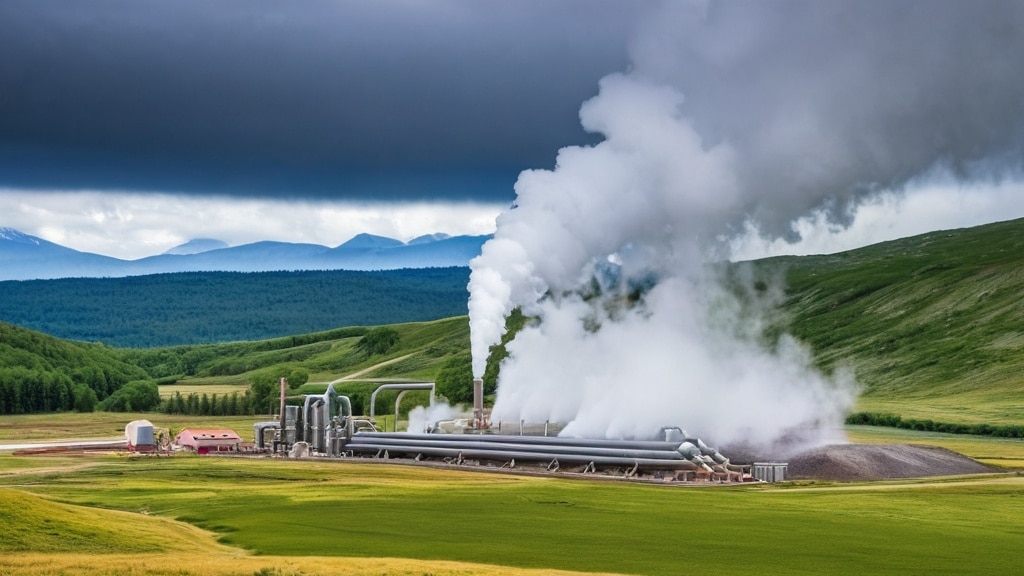
The process of harnessing geothermal energy involves several methods, each tailored to specific geological conditions and energy needs. The most common approach is through geothermal power plants, which convert steam or hot water from underground reservoirs into electricity. There are three primary types of geothermal power plants: dry steam, flash steam, and binary cycle plants.
Dry steam plants utilize steam directly from geothermal reservoirs to drive turbines, while flash steam plants extract high-pressure hot water that flashes into steam when it reaches lower pressure. Binary cycle plants transfer heat from geothermal water to a secondary fluid with a lower boiling point, which vaporizes and drives a turbine. In addition to electricity generation, geothermal energy can be used for direct heating applications.
This includes district heating systems that supply hot water to residential and commercial buildings or agricultural processes such as greenhouse heating. Geothermal heat pumps are another innovative application that utilizes shallow ground temperatures for heating and cooling buildings. By circulating fluid through underground pipes, these systems can efficiently transfer heat to or from the ground, providing a sustainable solution for climate control.
Benefits of Geothermal Energy
One of the most significant advantages of geothermal energy is its sustainability. Unlike fossil fuels, which are finite and contribute to environmental degradation, geothermal resources are virtually inexhaustible on a human timescale. As long as the Earth exists, there will be heat available beneath its surface.
This reliability makes geothermal energy a stable source of power that can complement intermittent renewable sources like solar and wind. Moreover, geothermal energy has a minimal environmental footprint compared to traditional energy sources. It produces very low greenhouse gas emissions during operation, contributing to cleaner air and reduced climate change impacts.
Additionally, geothermal power plants occupy relatively small land areas compared to solar farms or wind turbines, making them less intrusive in terms of land use.
Challenges and Limitations
| Metric | Value | Unit | Description |
|---|---|---|---|
| Global Installed Capacity | 15,400 | MW | Total geothermal power capacity worldwide as of 2023 |
| Capacity Factor | 70-90 | % | Typical operational efficiency of geothermal power plants |
| Average Plant Lifespan | 30-50 | Years | Expected operational duration of geothermal plants |
| CO2 Emissions | 45 | g CO2/kWh | Average greenhouse gas emissions from geothermal electricity generation |
| Global Energy Contribution | 0.3 | % | Percentage of global electricity generated from geothermal sources |
| Typical Well Depth | 1,500-3,000 | m | Depth range for geothermal wells to access heat reservoirs |
| Heat Extraction Temperature | 150-370 | °C | Temperature range of geothermal fluids used for power generation |
Despite its numerous benefits, geothermal energy faces several challenges that hinder its widespread adoption. One of the primary obstacles is the high upfront costs associated with exploration and drilling. Identifying suitable geothermal sites requires extensive geological surveys and drilling exploratory wells, which can be financially burdensome for developers.
The risk of not finding commercially viable resources adds an element of uncertainty that can deter investment. Additionally, geothermal energy is geographically limited; not all regions have accessible geothermal resources. Areas with significant volcanic activity or tectonic plate boundaries are more likely to have productive geothermal reservoirs, while other regions may lack sufficient heat sources.
This geographical constraint necessitates careful planning and investment in infrastructure to transport electricity from remote geothermal sites to urban centers where demand is highest.
Geothermal Energy Around the World
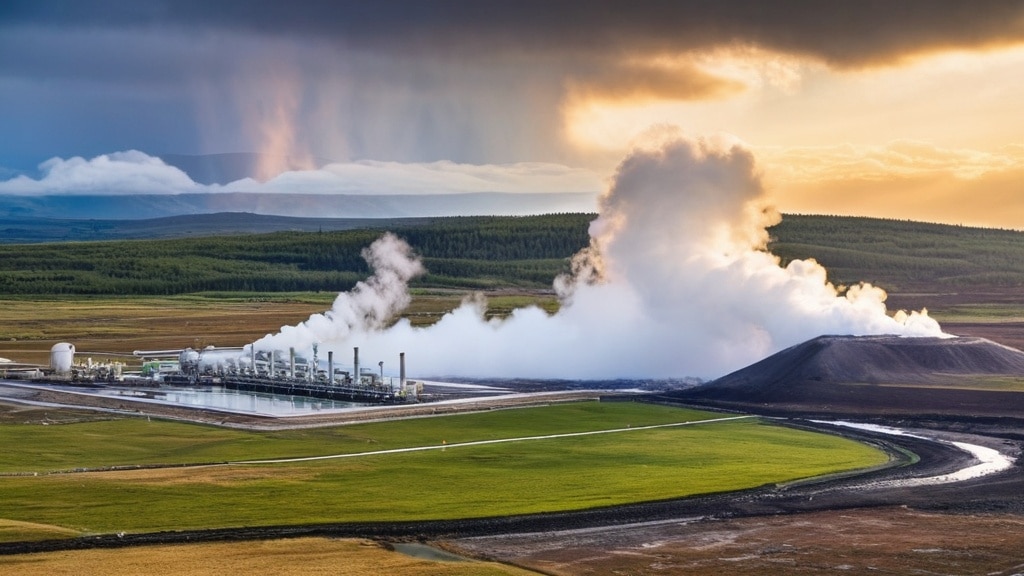
Globally, several countries have embraced geothermal energy as part of their renewable energy strategies. The United States leads the world in installed geothermal capacity, with significant contributions from states like California and Nevada. The Geysers in California is one of the largest geothermal power complexes globally, showcasing the potential of this resource in meeting energy demands.
Iceland is another notable example, where geothermal energy accounts for approximately 90% of residential heating and around 30% of electricity generation. The country’s unique geological features make it an ideal location for harnessing geothermal resources effectively. Other countries such as Indonesia, the Philippines, and New Zealand have also made substantial investments in geothermal energy development, recognizing its potential to enhance energy security and reduce reliance on fossil fuels.
Innovations in Geothermal Technology
As technology continues to advance, innovative solutions are emerging to enhance the efficiency and accessibility of geothermal energy. Enhanced Geothermal Systems (EGS) represent one such innovation, allowing for the extraction of heat from areas that may not have sufficient natural reservoirs. By injecting water into hot rock formations at depth and creating artificial reservoirs, EGS can significantly expand the potential for geothermal energy production.
Additionally, advancements in drilling technology are reducing costs and increasing the efficiency of exploration efforts.
Furthermore, research into improved heat exchangers and binary cycle systems is enhancing the overall efficiency of geothermal power plants, making them more competitive with other renewable sources.
Environmental Impact of Geothermal Energy
While geothermal energy is often touted for its low environmental impact compared to fossil fuels, it is essential to consider its ecological footprint comprehensively. The extraction process can lead to land subsidence if not managed properly, as well as potential contamination of groundwater resources if drilling practices are not conducted with care. Additionally, some geothermal plants may release trace amounts of greenhouse gases such as carbon dioxide and methane during operation.
However, when compared to conventional energy sources, the overall environmental impact remains significantly lower. The careful management of resources and adherence to regulatory standards can mitigate many potential negative effects associated with geothermal development. As technology advances and best practices are established, the environmental footprint of geothermal energy continues to shrink.
Geothermal Energy in the Future
Looking ahead, the future of geothermal energy appears promising as global demand for clean energy continues to rise. With increasing awareness of climate change and the need for sustainable solutions, governments and private sectors are likely to invest more heavily in geothermal projects. The integration of geothermal energy into national grids can enhance energy security while reducing dependence on fossil fuels.
Moreover, ongoing research into innovative technologies will likely unlock new potential for geothermal resources worldwide. As Enhanced Geothermal Systems gain traction and exploration techniques improve, previously untapped regions may become viable for development. The convergence of digital technologies such as artificial intelligence and machine learning with geothermal exploration could further optimize resource management and operational efficiency.
Government Support and Policies
Government support plays a crucial role in fostering the growth of geothermal energy projects. Policies that incentivize investment in renewable technologies—such as tax credits, grants, and feed-in tariffs—can significantly reduce financial barriers for developers. Additionally, streamlined permitting processes can expedite project timelines and encourage more stakeholders to enter the market.
Countries that prioritize renewable energy development often see substantial growth in their geothermal sectors. For instance, nations like Iceland have established comprehensive policies that promote research and development in geothermal technologies while providing financial support for projects that align with sustainability goals. As global efforts toward decarbonization intensify, government backing will be essential in realizing the full potential of geothermal energy.
The Future of Geothermal Energy
In conclusion, geothermal energy stands out as a viable solution in the quest for sustainable and reliable power sources. Its ability to provide consistent baseload electricity while minimizing environmental impact positions it as a key player in the global transition toward renewable energy systems. Despite facing challenges related to cost and geographical limitations, ongoing innovations in technology and supportive government policies are paving the way for a brighter future.
As we move forward into an era defined by climate consciousness and renewable resource utilization, embracing geothermal energy will be crucial for achieving long-term sustainability goals. By investing in research, infrastructure development, and education around this valuable resource, we can unlock its full potential and contribute significantly to a cleaner planet for generations to come.
Geothermal energy is an increasingly important topic in the context of sustainable energy solutions. As the world seeks to transition to cleaner energy sources, understanding the potential of geothermal systems becomes crucial. For insights into how emerging technologies, including artificial intelligence, can influence various sectors, you might find the article on AI coaching and its automated approaches interesting. It discusses the intersection of technology and efficiency, which can also be applied to the energy sector. You can read more about it in this article: AI Coach Assist: An Automated Approach for Call Recommendation.
FAQs
What is geothermal energy?
Geothermal energy is the heat that comes from the sub-surface of the earth. It is contained in the rocks and fluids beneath the earth’s crust and can be harnessed for various uses, including electricity generation, heating, and cooling.
How is geothermal energy produced?
Geothermal energy is produced by tapping into the heat stored beneath the earth’s surface. This is typically done by drilling wells to access hot water and steam reservoirs, which can then be used to drive turbines for electricity generation or provide direct heating.
What are the main uses of geothermal energy?
Geothermal energy is primarily used for electricity generation, direct heating applications such as district heating systems, greenhouse heating, and industrial processes, as well as for geothermal heat pumps that provide heating and cooling for buildings.
Is geothermal energy renewable?
Yes, geothermal energy is considered a renewable resource because the earth continuously produces heat internally. As long as the heat extraction is managed sustainably, geothermal energy can provide a long-term, reliable energy source.
What are the environmental impacts of geothermal energy?
Geothermal energy has a relatively low environmental impact compared to fossil fuels. It produces minimal greenhouse gas emissions, uses less land, and has a small water footprint. However, there can be concerns about induced seismicity, land subsidence, and the release of trace gases from underground reservoirs.
Where is geothermal energy commonly used?
Geothermal energy is commonly used in regions with significant volcanic or tectonic activity, such as Iceland, the Philippines, the United States (especially California and Nevada), Italy, and New Zealand, where geothermal resources are more accessible.
What are the challenges of geothermal energy development?
Challenges include high upfront costs for exploration and drilling, the risk of not finding sufficient geothermal resources, potential environmental concerns, and the need for suitable geological conditions to make projects economically viable.
Can geothermal energy be used for heating and cooling homes?
Yes, geothermal heat pumps can be used to heat and cool homes by utilizing the stable temperatures underground. These systems are energy-efficient and can significantly reduce heating and cooling costs.
How long do geothermal power plants last?
Geothermal power plants can operate for several decades, often 30 to 50 years or more, with proper maintenance and sustainable resource management.
Is geothermal energy cost-effective?
While geothermal energy has high initial capital costs, it offers low operating costs and stable energy prices over time. In many cases, it is cost-competitive with other renewable energy sources, especially in areas with abundant geothermal resources.


















Leave a Reply