






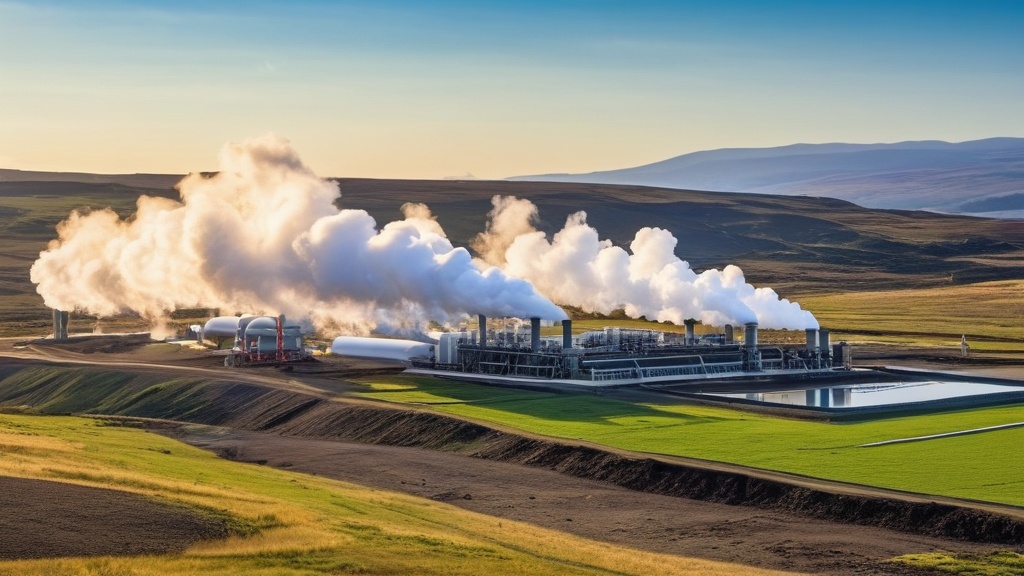
Geothermal energy is derived from the natural heat stored beneath the Earth’s surface. This heat originates from the planet’s formation, radioactive decay of minerals, and the continuous heat flow from the Earth’s core. The temperature gradient increases as one descends into the Earth, with the average increase being about 25 to 30 degrees Celsius for every kilometer of depth.
This immense reservoir of thermal energy can be harnessed for various applications, including electricity generation, direct heating, and even cooling systems. The concept of utilizing geothermal energy is not new; ancient civilizations, such as the Romans and Chinese, recognized its potential for bathing and cooking. The process of harnessing geothermal energy involves tapping into hot water or steam reservoirs located underground.
These reservoirs can be accessed through wells drilled into the Earth, where the steam or hot water can be brought to the surface. Once extracted, this geothermal fluid can be used to drive turbines connected to electricity generators or for direct heating applications. The technology has evolved significantly over the years, leading to more efficient methods of extraction and utilization.
As a result, geothermal energy has emerged as a viable alternative to fossil fuels, contributing to a more sustainable energy landscape.
Key Takeaways
- Geothermal energy utilizes heat from the Earth’s core to generate electricity sustainably.
- It offers significant environmental benefits, including low emissions and a small land footprint.
- Global adoption varies, with leading countries investing heavily in geothermal infrastructure.
- Challenges include high upfront costs and geographic limitations, but technological innovations are addressing these.
- Geothermal power is a promising component of the future renewable energy mix, supporting a transition to cleaner energy.
Harnessing Geothermal Electricity
The generation of electricity from geothermal energy typically involves three main types of power plants: dry steam, flash steam, and binary cycle plants. Dry steam plants are the oldest type and utilize steam directly from geothermal reservoirs to turn turbines. Flash steam plants, on the other hand, extract high-pressure hot water from the ground and allow it to “flash” into steam when it reaches lower pressure at the surface.
This steam is then used to drive turbines. Binary cycle plants are more advanced; they transfer heat from geothermal water to a secondary fluid with a lower boiling point, which vaporizes and drives a turbine without releasing any geothermal fluid into the atmosphere. The efficiency of these power plants depends on various factors, including the temperature and pressure of the geothermal resource.
The versatility of geothermal energy allows it to be integrated into existing energy systems, providing a stable and reliable source of power that can complement intermittent renewable sources like wind and solar.
The Benefits of Geothermal Power
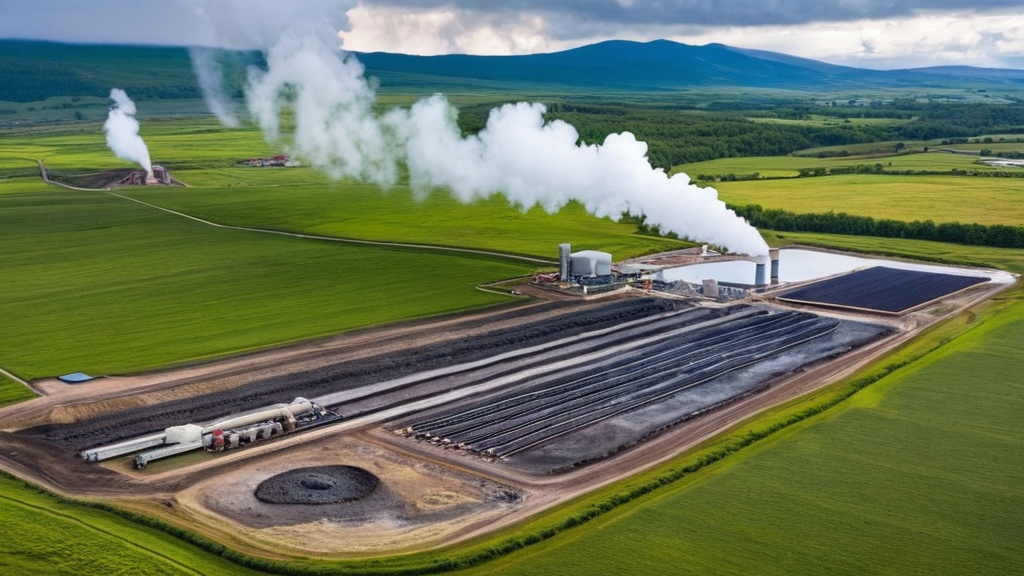
One of the most significant advantages of geothermal power is its reliability. Unlike solar and wind energy, which are dependent on weather conditions, geothermal energy provides a consistent and stable output. This baseload power generation capability makes it an attractive option for utilities looking to diversify their energy portfolios and ensure grid stability.
Additionally, geothermal power plants have a small physical footprint compared to traditional fossil fuel plants, allowing them to be integrated into various landscapes without significant disruption. Another benefit is the low environmental impact associated with geothermal energy production. Geothermal power plants emit significantly fewer greenhouse gases compared to fossil fuel-based power generation.
The life cycle emissions of geothermal energy are minimal, making it an environmentally friendly alternative that contributes to climate change mitigation efforts. Furthermore, geothermal systems can provide direct heating solutions for residential and commercial buildings, reducing reliance on fossil fuels for heating purposes and enhancing energy efficiency.
Geothermal Energy Around the World
Geothermal energy is harnessed in many countries around the globe, with varying degrees of development and utilization. The United States leads the world in geothermal electricity production, primarily concentrated in states like California and Nevada. The Geysers in California is one of the largest geothermal complexes globally, showcasing the potential of this renewable resource.
Other countries with significant geothermal resources include Indonesia, the Philippines, and New Zealand, each capitalizing on their unique geological features to generate clean energy. In Europe, countries such as Iceland have embraced geothermal energy as a primary source of power and heating. Iceland’s unique volcanic landscape provides abundant geothermal resources that supply nearly 90% of the country’s heating needs and a substantial portion of its electricity generation.
As global interest in renewable energy grows, many nations are exploring their geothermal potential, investing in research and development to unlock new resources and technologies.
The Environmental Impact of Geothermal Electricity
| Metric | Value | Unit | Description |
|---|---|---|---|
| Global Installed Capacity | 15,400 | MW | Total geothermal electricity generation capacity worldwide as of 2023 |
| Capacity Factor | 70-90 | % | Typical operational capacity factor for geothermal power plants |
| Average Plant Efficiency | 10-17 | % | Conversion efficiency of geothermal heat to electricity |
| CO2 Emissions | 45 | g CO2/kWh | Average lifecycle greenhouse gas emissions for geothermal electricity |
| Top Producing Country | United States | – | Country with the highest geothermal electricity production |
| Typical Plant Lifespan | 20-30 | Years | Operational lifespan of geothermal power plants |
| Levelized Cost of Electricity (LCOE) | 40-100 | per MWh | Estimated cost range for geothermal electricity generation |
While geothermal energy is often touted for its low environmental impact, it is essential to consider its potential effects on local ecosystems and communities. The extraction process can lead to land subsidence if not managed properly, as the removal of geothermal fluids can alter underground pressure dynamics. Additionally, there is a risk of induced seismicity associated with deep geothermal drilling, which can cause minor earthquakes in some cases.
However, these environmental concerns can be mitigated through careful site selection, monitoring, and management practices. Many modern geothermal projects incorporate sustainable practices that minimize their ecological footprint while maximizing energy output. For instance, closed-loop systems can be employed to recycle geothermal fluids back into the reservoir after use, reducing water consumption and preventing contamination.
Overall, when managed responsibly, geothermal energy presents a sustainable solution with minimal adverse environmental impacts.
Challenges and Limitations of Geothermal Power
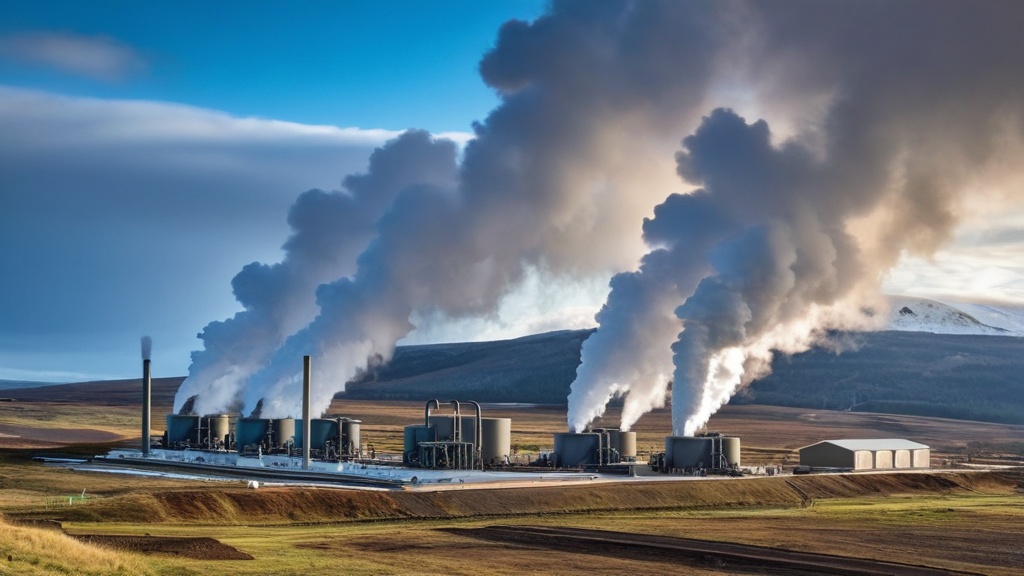
Despite its numerous advantages, geothermal energy faces several challenges that hinder its widespread adoption. One significant limitation is the geographical restriction of suitable geothermal resources; not all regions have access to high-temperature reservoirs necessary for efficient electricity generation. This limitation necessitates extensive exploration and drilling efforts to identify viable sites, which can be costly and time-consuming.
Moreover, the initial capital investment required for geothermal power plants can be substantial compared to other renewable sources like wind or solar. The drilling process alone poses financial risks due to uncertainties in resource availability and productivity. Additionally, regulatory hurdles and permitting processes can delay project development, further complicating investment decisions in this sector.
Innovations in Geothermal Technology
To overcome these challenges, ongoing innovations in geothermal technology are crucial. Enhanced geothermal systems (EGS) represent a promising advancement that allows for the creation of artificial reservoirs in areas lacking natural hydrothermal resources. By injecting water into hot rock formations at depth and extracting heated fluid from them, EGS can expand the geographical reach of geothermal energy production.
Furthermore, advancements in drilling technology have significantly reduced costs and improved efficiency in accessing deep geothermal resources. Techniques such as directional drilling enable operators to reach multiple reservoirs from a single wellbore, maximizing resource extraction while minimizing surface disruption. These innovations not only enhance the economic viability of geothermal projects but also contribute to a more sustainable energy future.
Investing in Geothermal Energy
Investing in geothermal energy presents an opportunity for both public and private sectors to support sustainable development while reaping economic benefits. Governments worldwide are increasingly recognizing the importance of diversifying their energy portfolios and reducing greenhouse gas emissions through renewable sources like geothermal power. Incentives such as tax credits, grants, and favorable regulatory frameworks can encourage investment in this sector.
Private investors are also becoming more interested in geothermal projects as technology advances and costs decrease. The long-term stability offered by baseload power generation makes geothermal investments attractive compared to more volatile markets associated with fossil fuels or even some renewable sources. As awareness grows about climate change and the need for sustainable solutions, investing in geothermal energy could yield significant returns while contributing positively to global efforts against environmental degradation.
Geothermal Energy and Renewable Power
Geothermal energy plays a vital role in the broader context of renewable power generation. As countries strive to meet ambitious climate goals set by international agreements like the Paris Accord, integrating diverse renewable sources becomes essential for achieving a balanced energy mix. Geothermal power complements other renewables by providing reliable baseload electricity that can stabilize grids dominated by intermittent sources such as wind and solar.
Moreover, combining geothermal energy with other renewable technologies can enhance overall system efficiency. For instance, hybrid systems that integrate solar thermal with geothermal heating can optimize resource utilization while reducing reliance on fossil fuels for heating applications. This synergy between different renewable sources not only maximizes energy output but also fosters resilience against fluctuations in supply and demand.
Geothermal Energy in the Future
Looking ahead, the future of geothermal energy appears promising as technological advancements continue to evolve alongside growing global demand for clean energy solutions. Research initiatives focused on improving resource assessment techniques will enable better identification of untapped geothermal potential worldwide. Additionally, innovations in drilling methods and reservoir management will enhance efficiency while reducing costs associated with project development.
As public awareness regarding climate change intensifies, there will likely be increased support for policies promoting renewable energy investments across various sectors. This shift could lead to greater collaboration between governments, private investors, and research institutions aimed at unlocking new opportunities within the geothermal landscape. Ultimately, harnessing this abundant resource could play a pivotal role in transitioning towards a sustainable energy future.
The Potential of Geothermal Electricity
In conclusion, geothermal electricity represents a powerful tool in our quest for sustainable energy solutions. With its reliability, low environmental impact, and potential for innovation, it stands out as an essential component of a diversified renewable energy portfolio. While challenges remain regarding resource accessibility and initial investment costs, ongoing advancements in technology offer hope for overcoming these barriers.
As we move forward into an era increasingly defined by climate consciousness and environmental stewardship, embracing geothermal energy could yield significant benefits not only for our economies but also for our planet’s health. By investing in this renewable resource today, we can pave the way toward a cleaner tomorrow—one where sustainable practices become integral to our daily lives and future generations inherit a thriving planet rich in natural resources.
For instance, the article on digital transformation provides insights into how emerging technologies can influence various sectors, including energy. You can read more about this in the article titled Digital Transformation Consulting Roadmap. This resource highlights the intersection of technology and energy solutions, which is crucial for the advancement of geothermal energy systems.
FAQs
What is geothermal electricity?
Geothermal electricity is electrical power generated by harnessing heat from the Earth’s interior. This heat is used to produce steam that drives turbines connected to electricity generators.
How is geothermal electricity produced?
Geothermal electricity is produced by drilling wells into geothermal reservoirs to access hot water and steam. The steam is then used to spin turbines, which generate electricity. Afterward, the steam condenses back into water and is often reinjected into the reservoir.
Where is geothermal electricity commonly used?
Geothermal electricity is commonly used in regions with significant volcanic or tectonic activity, such as Iceland, the Philippines, the United States (especially California and Nevada), Indonesia, and New Zealand.
What are the main types of geothermal power plants?
The main types of geothermal power plants are dry steam, flash steam, and binary cycle plants. Dry steam plants use steam directly from the reservoir, flash steam plants convert high-pressure hot water into steam, and binary cycle plants transfer heat from geothermal water to a secondary fluid with a lower boiling point.
Is geothermal electricity renewable?
Yes, geothermal electricity is considered a renewable energy source because it relies on the Earth’s natural heat, which is continuously replenished.
What are the environmental impacts of geothermal electricity?
Geothermal electricity has relatively low environmental impacts compared to fossil fuels. It produces minimal greenhouse gas emissions, but there can be concerns about land use, water consumption, and the release of trace gases or minerals from the geothermal fluids.
How reliable is geothermal electricity?
Geothermal electricity is highly reliable and can provide baseload power 24/7, unlike some other renewable sources that depend on weather conditions.
What are the challenges of geothermal electricity production?
Challenges include high upfront drilling and exploration costs, the risk of resource depletion if not managed properly, and the need for suitable geological conditions.
Can geothermal electricity be used worldwide?
While geothermal electricity can theoretically be used worldwide, its feasibility depends on local geological conditions. Areas with accessible geothermal reservoirs are best suited for geothermal power plants.
How does geothermal electricity compare to other renewable energy sources?
Geothermal electricity offers consistent baseload power with low emissions, unlike solar and wind, which are intermittent. However, geothermal resources are location-specific, whereas solar and wind can be deployed more widely.


















Leave a Reply