






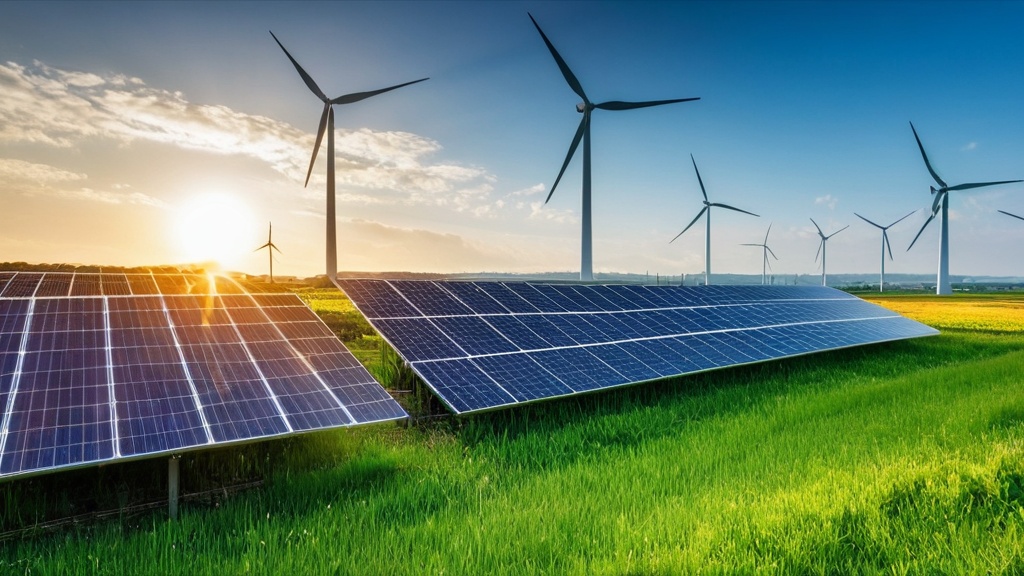
In recent years, renewable energy has become increasingly central to global energy discussions. As the world confronts climate change, diminishing fossil fuel supplies, and sustainability requirements, alternatives like solar, wind, hydroelectric, and geothermal power have emerged as practical solutions. The need to transition from conventional energy systems to cleaner options is increasingly urgent, representing a fundamental shift in energy generation and consumption approaches.
Renewable energy’s importance is highlighted by growing awareness of its environmental benefits. With strong scientific evidence for climate change, governments, corporations, and individuals increasingly recognize that fossil fuel dependence is both economically unsustainable and environmentally harmful. This has prompted widespread efforts to utilize renewable resources that provide energy without the emissions associated with conventional sources.
This transition aims not only to reduce carbon emissions but also to ensure long-term sustainability for future generations.
Key Takeaways
- Renewable energy is becoming increasingly crucial for sustainable global energy needs.
- Technological advancements are enhancing the efficiency and affordability of renewable energy sources.
- Government policies play a key role in encouraging the adoption and growth of renewable energy.
- Renewable energy offers significant environmental benefits by reducing carbon emissions.
- Public awareness and education are essential for accelerating the transition to renewable energy.
Advancements in Renewable Energy Technologies
The landscape of renewable energy technologies has evolved dramatically over the past decade, driven by innovation and research. Breakthroughs in solar panel efficiency, wind turbine design, and energy storage solutions have made renewable energy more accessible and cost-effective than ever before. For instance, advancements in photovoltaic technology have led to solar panels that can convert sunlight into electricity with unprecedented efficiency rates.
Similarly, the development of larger and more efficient wind turbines has significantly increased the amount of energy that can be harvested from wind resources. Moreover, energy storage technologies, such as lithium-ion batteries and emerging alternatives like solid-state batteries, are revolutionizing how renewable energy is utilized. These advancements allow for the storage of excess energy generated during peak production times, ensuring a steady supply even when natural conditions are less favorable.
This capability is crucial for addressing the intermittent nature of renewable sources like solar and wind. As these technologies continue to mature, they will play an essential role in facilitating a more reliable and resilient energy grid.
The Role of Government Policies in Promoting Renewable Energy
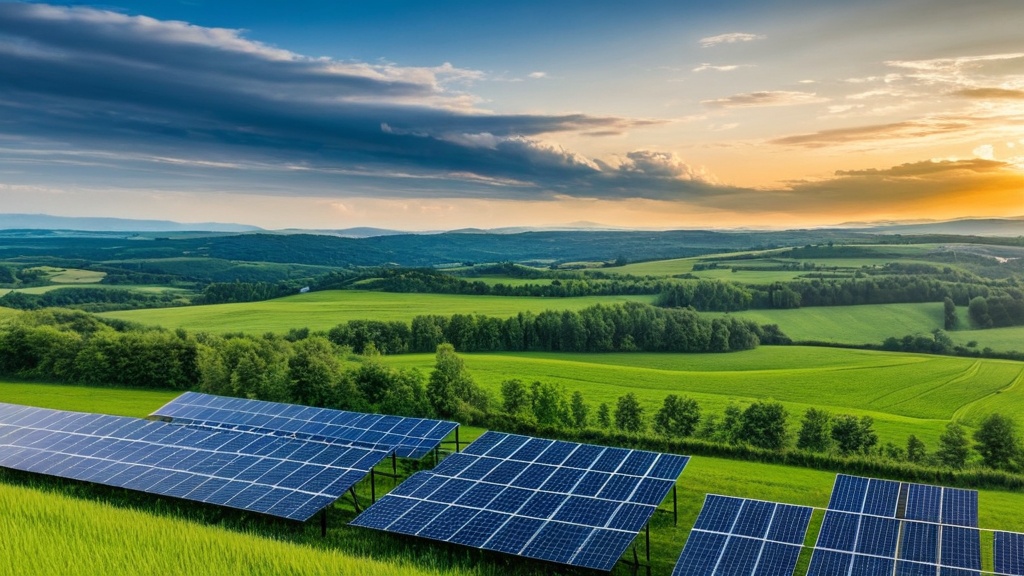
Government policies play a pivotal role in shaping the renewable energy landscape. Through incentives, subsidies, and regulatory frameworks, governments can create an environment conducive to the growth of renewable energy industries.
Additionally, tax credits and grants for renewable energy projects can significantly lower the financial barriers that often deter potential investors. Furthermore, international agreements such as the Paris Agreement have galvanized nations to commit to reducing greenhouse gas emissions and transitioning towards sustainable energy sources. These commitments often translate into national policies that prioritize renewable energy development.
By setting ambitious targets for renewable energy adoption and providing clear guidelines for implementation, governments can drive innovation and attract private sector investment. The alignment of public policy with renewable energy goals is essential for fostering a robust and sustainable energy future.
The Economic Viability of Renewable Energy
The economic viability of renewable energy has improved dramatically over recent years, making it an attractive option for both consumers and investors.
According to various studies, the levelized cost of electricity (LCOE) from renewables has reached parity with or even fallen below that of coal and natural gas in several markets.
This shift not only benefits consumers through lower energy bills but also encourages businesses to invest in clean energy solutions. Moreover, the renewable energy sector has proven to be a significant driver of economic growth. As investments in clean technologies increase, new jobs are created across various fields, from manufacturing to installation and maintenance.
The transition to renewable energy not only supports local economies but also fosters innovation and entrepreneurship. As more companies enter the market, competition drives further advancements in technology and efficiency, creating a positive feedback loop that enhances economic viability.
The Environmental Benefits of Renewable Energy
| Renewable Energy Source | Global Capacity (GW) | Annual Growth Rate (%) | Average Capacity Factor (%) | CO2 Emissions Avoided (Million Tons/Year) |
|---|---|---|---|---|
| Solar Photovoltaic (PV) | 950 | 20 | 15-20 | 800 |
| Wind Power | 800 | 12 | 30-40 | 700 |
| Hydropower | 1300 | 2 | 40-50 | 1200 |
| Biomass | 130 | 5 | 70-80 | 150 |
| Geothermal | 15 | 3 | 70-90 | 20 |
The environmental benefits of renewable energy are perhaps its most compelling selling point. Unlike fossil fuels, which release harmful pollutants and greenhouse gases into the atmosphere, renewable sources generate electricity with minimal environmental impact. By harnessing natural processes such as sunlight, wind, and water flow, renewable energy systems contribute to cleaner air and water while reducing the overall carbon footprint of energy production.
Additionally, the shift towards renewables can help preserve biodiversity and protect ecosystems that are often threatened by fossil fuel extraction and consumption. For example, transitioning away from coal-fired power plants reduces acid rain and other pollutants that can harm wildlife habitats. By investing in renewable energy infrastructure, societies can work towards restoring ecological balance while meeting their energy needs sustainably.
The Integration of Renewable Energy into Existing Infrastructure
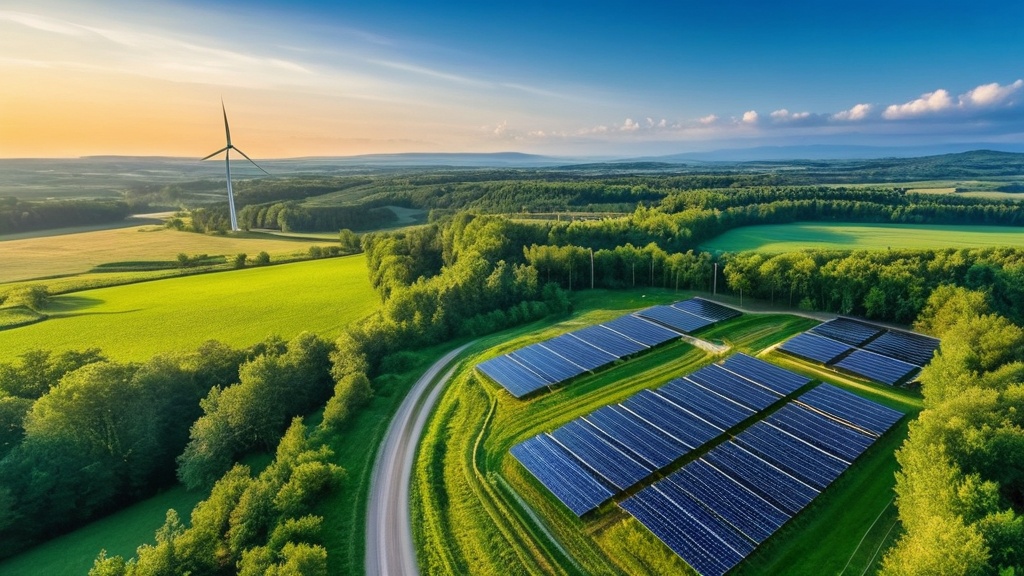
Integrating renewable energy into existing infrastructure presents both challenges and opportunities. As traditional power grids were designed primarily for centralized fossil fuel generation, adapting them to accommodate decentralized renewable sources requires significant investment and innovation. Smart grid technologies are emerging as a solution to this challenge by enabling real-time monitoring and management of electricity flows from diverse sources.
Moreover, retrofitting existing infrastructure to support renewable integration can lead to enhanced efficiency and reliability. For instance, incorporating battery storage systems into traditional grids allows for better management of supply and demand fluctuations. This integration not only maximizes the use of renewable resources but also ensures that consumers have access to reliable electricity at all times.
Overcoming Challenges in the Adoption of Renewable Energy
Despite the numerous advantages of renewable energy, several challenges remain in its widespread adoption. One significant hurdle is the initial capital investment required for developing renewable projects. While costs have decreased over time, financing remains a barrier for many potential investors.
Innovative financing models, such as community solar initiatives or green bonds, can help alleviate this issue by providing alternative funding sources. Another challenge lies in public perception and acceptance of renewable technologies. Misinformation about the reliability or efficiency of renewables can hinder progress.
Education campaigns aimed at informing communities about the benefits of renewable energy are essential for overcoming skepticism and fostering a culture of sustainability.
The Potential for Renewable Energy to Meet Global Energy Demand
As global energy demand continues to rise due to population growth and economic development, renewable energy has the potential to play a crucial role in meeting this demand sustainably. According to various studies conducted by organizations such as the International Renewable Energy Agency (IRENA), renewables could supply up to 80% of global electricity by 2050 if appropriate policies and investments are made. This potential is particularly significant in developing regions where access to reliable electricity remains limited.
By investing in decentralized renewable solutions such as solar microgrids or wind farms, these areas can leapfrog traditional fossil fuel-based infrastructure and move directly towards sustainable energy systems that empower local communities.
The Impact of Renewable Energy on Job Creation
The transition to renewable energy is not only an environmental imperative but also an economic opportunity that can drive job creation across various sectors. According to reports from organizations like the International Labour Organization (ILO), millions of jobs could be created globally as countries invest in clean energy technologies and infrastructure. These jobs span a wide range of roles including manufacturing, installation, maintenance, research and development, and project management.
Moreover, many of these jobs are local in nature, providing employment opportunities in communities that may have been economically disadvantaged by declining fossil fuel industries. By prioritizing workforce development programs focused on clean energy skills training, governments can ensure that workers are equipped for the jobs of the future while simultaneously supporting a just transition away from fossil fuels.
The Role of Public Awareness and Education in Promoting Renewable Energy
Public awareness and education are critical components in promoting the adoption of renewable energy technologies. As individuals become more informed about the benefits of renewables—such as reduced utility bills, environmental protection, and job creation—they are more likely to support policies that facilitate their growth. Educational initiatives aimed at schools, communities, and businesses can help demystify renewable technologies and highlight their practical applications.
Furthermore, grassroots movements advocating for clean energy solutions can amplify public support for policy changes at local and national levels. Engaging citizens through workshops, informational campaigns, and community events fosters a sense of ownership over local energy decisions while encouraging collective action towards sustainability goals.
The Future Outlook for Renewable Energy Development
Looking ahead, the future outlook for renewable energy development appears promising as technological advancements continue to reshape the landscape. With increasing investments from both public and private sectors coupled with supportive government policies, renewables are poised to become a dominant force in global energy markets. The ongoing research into next-generation technologies—such as advanced nuclear power or innovative biofuels—will further expand the possibilities within this sector.
As societies increasingly recognize the urgency of addressing climate change while ensuring economic growth, the transition towards renewable energy will likely accelerate. By embracing this shift now—through strategic investments in technology development, infrastructure integration, workforce training programs—and fostering public awareness—nations can pave the way for a sustainable future powered by clean energy sources that benefit both people and the planet alike.
In the quest for sustainable energy solutions, the integration of artificial intelligence is becoming increasingly vital. A related article that explores the intersection of AI and business is titled “Unveiling the IAVVA AI Coach App: How AI Works.” This piece delves into how AI technologies can enhance various sectors, including renewable energy, by optimizing processes and improving efficiency. For more insights, you can read the article [here](https://iavva.ai/business/unveiling-the-iavva-ai-coach-app-how-ai-works/).
FAQs
What is renewable energy?
Renewable energy is energy derived from natural sources that are constantly replenished, such as sunlight, wind, rain, tides, waves, and geothermal heat.
What are the main types of renewable energy?
The main types include solar energy, wind energy, hydropower, biomass energy, and geothermal energy.
How does solar energy work?
Solar energy is captured using photovoltaic cells that convert sunlight directly into electricity or through solar thermal systems that use sunlight to heat fluids for power generation.
What are the benefits of using renewable energy?
Benefits include reducing greenhouse gas emissions, decreasing dependence on fossil fuels, promoting sustainable development, and creating jobs in new industries.
Is renewable energy reliable?
Renewable energy can be reliable when combined with energy storage systems and diversified energy sources to balance supply and demand.
How does wind energy generate electricity?
Wind turbines convert the kinetic energy from wind into mechanical power, which is then transformed into electricity by a generator.
What is the environmental impact of renewable energy?
Renewable energy generally has a lower environmental impact than fossil fuels, producing little to no greenhouse gases, though some technologies may affect land use and wildlife.
Can renewable energy replace fossil fuels completely?
While renewable energy has the potential to replace fossil fuels, achieving a complete transition requires technological advancements, infrastructure development, and supportive policies.
What is biomass energy?
Biomass energy is produced from organic materials like plant and animal waste, which can be burned or converted into biofuels to generate heat or electricity.
How does geothermal energy work?
Geothermal energy harnesses heat from beneath the Earth’s surface to generate electricity or provide direct heating.


















Leave a Reply