






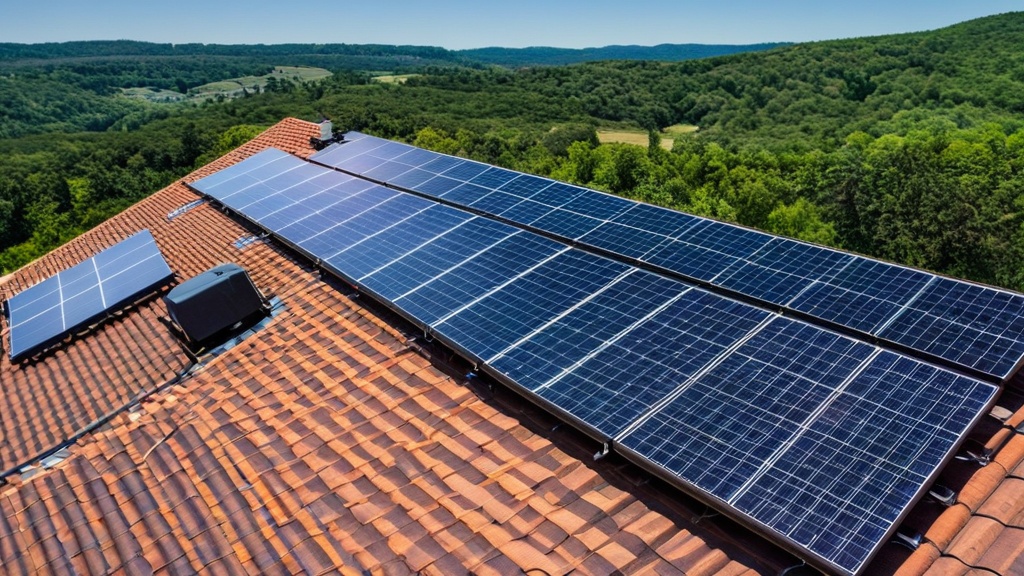
Solar power has emerged as one of the most promising and sustainable energy sources in the modern world. Harnessing the sun’s energy through photovoltaic cells and solar thermal systems, this renewable resource offers a clean alternative to fossil fuels, which have long dominated the global energy landscape. As concerns about climate change and environmental degradation intensify, solar power stands out not only for its potential to reduce greenhouse gas emissions but also for its ability to provide energy security and economic benefits. The transition to solar energy is not merely a trend; it represents a fundamental shift in how we think about energy production and consumption.
The technology behind solar power has advanced significantly over the past few decades, making it more accessible and efficient than ever before. From residential rooftops to large-scale solar farms, the applications of solar energy are vast and varied. As governments, businesses, and individuals increasingly recognize the importance of sustainable practices, solar power is becoming a cornerstone of energy policy worldwide. This article will explore the myriad benefits of solar power, highlighting its environmental advantages, economic viability, and role in fostering a sustainable future.
Solar power offers numerous advantages, including reduced energy costs, environmental benefits, and energy independence. For a deeper understanding of how renewable energy sources like solar can transform industries, you might find the article on OpenAI’s massive data center rental deal with Oracle insightful. This partnership highlights the growing importance of sustainable energy solutions in powering large-scale operations. You can read more about it here: OpenAI’s Massive Data Center Rental Deal with Oracle.
Key Takeaways
- Solar power is a clean, renewable energy source that reduces environmental impact.
- It offers cost savings through lower electricity bills and available incentives.
- Solar energy promotes energy independence and enhances grid reliability.
- The solar industry creates jobs and supports economic growth.
- Solar systems require low maintenance and have a long operational lifespan.
Environmental Benefits of Solar Power
One of the most compelling reasons to embrace solar power is its profound environmental benefits. Unlike traditional energy sources such as coal, oil, and natural gas, solar energy generation produces little to no greenhouse gas emissions. This reduction in carbon footprint is crucial in combating climate change, as the burning of fossil fuels is a leading contributor to global warming. By transitioning to solar power, we can significantly decrease our reliance on polluting energy sources and mitigate the adverse effects of climate change on our planet.
Moreover, solar power contributes to improved air quality. The combustion of fossil fuels releases harmful pollutants that can lead to respiratory diseases and other health issues. In contrast, solar energy systems operate silently and cleanly, providing a healthier environment for communities. Additionally, solar installations require minimal water for operation compared to conventional power plants, which often consume vast amounts of water for cooling processes. This conservation of water resources is particularly important in arid regions where water scarcity is a pressing concern.
Renewable Energy Source

Solar power is a quintessential renewable energy source, meaning it is inexhaustible and can be replenished naturally. The sun emits an enormous amount of energy every day—enough to meet global energy needs many times over. Unlike fossil fuels, which are finite and will eventually deplete, solar energy is available as long as the sun shines. This characteristic makes solar power an attractive option for long-term energy planning and sustainability.
The renewable nature of solar energy also means that it can play a vital role in diversifying our energy portfolio. By integrating solar power into our energy mix, we can reduce our dependence on fossil fuels and enhance energy security. This diversification not only helps stabilize energy prices but also protects economies from the volatility associated with fossil fuel markets. As countries strive to meet their climate goals and transition to cleaner energy systems, solar power will undoubtedly be at the forefront of this transformation.
Cost-Effectiveness of Solar Power

The cost-effectiveness of solar power has improved dramatically over the years, making it an increasingly viable option for both residential and commercial applications. The price of solar panels has plummeted due to advancements in technology and increased manufacturing efficiency. As a result, the initial investment required for solar installations has become more affordable for consumers and businesses alike.
In many regions, solar power has reached grid parity, meaning that it can compete with traditional electricity sources on price without subsidies. This shift has made solar energy not just an environmentally friendly choice but also an economically sound one. Furthermore, as technology continues to evolve, the cost of solar energy is expected to decrease even further, making it an attractive option for those looking to invest in sustainable energy solutions.
Solar power offers numerous benefits, including reduced energy bills, environmental sustainability, and energy independence. By harnessing the sun’s energy, homeowners and businesses can significantly lower their carbon footprint while enjoying long-term savings. For a deeper understanding of how innovative technologies are transforming various industries, including renewable energy, you can explore this insightful article on AI coaching. It highlights the intersection of technology and sustainability, showcasing how advancements can support the growth of solar power solutions. To read more, visit this article.
Reduced Electricity Bills
| Pros of Solar Power | Description | Metric/Impact |
|---|---|---|
| Renewable Energy Source | Solar power is derived from the sun, which is an abundant and inexhaustible resource. | Sunlight availability: 1,000 W/m² on a clear day |
| Reduces Electricity Bills | Generating your own electricity reduces dependence on grid power and lowers monthly bills. | Average savings: 50-70% on electricity costs |
| Low Maintenance Costs | Solar panels require minimal maintenance after installation. | Maintenance cost: Approximately 1% of initial investment per year |
| Environmentally Friendly | Solar power produces no greenhouse gas emissions during operation. | CO2 reduction: About 1.5 tons per year per kW installed |
| Energy Independence | Reduces reliance on fossil fuels and imported energy. | Potential to cover 100% of household energy needs |
| Job Creation | Solar industry creates employment opportunities in manufacturing, installation, and maintenance. | Jobs created: Over 4 million globally (as of recent data) |
| Scalable and Versatile | Solar systems can be installed on various scales, from small rooftops to large solar farms. | System sizes: From 1 kW residential to 100+ MW utility-scale |
One of the most immediate benefits of installing solar panels is the potential for reduced electricity bills. By generating your own electricity from sunlight, you can significantly lower your reliance on grid-supplied power. This reduction in consumption translates directly into savings on monthly utility bills. For many homeowners and businesses, these savings can be substantial, often leading to a return on investment within just a few years.
In addition to immediate savings, many regions offer net metering programs that allow solar panel owners to sell excess electricity back to the grid.
This not only provides an additional source of income but also encourages further investment in renewable energy systems.
As more individuals and businesses adopt solar technology, the collective impact on reducing electricity costs can lead to lower rates for all consumers in the long run.
One of the significant advantages of solar power is its ability to reduce electricity bills while promoting environmental sustainability. By harnessing the sun’s energy, homeowners and businesses can decrease their reliance on fossil fuels, leading to a cleaner atmosphere. For a deeper understanding of how innovative technologies are transforming industries, you might find this article on AI and its impact on competition insightful. Check it out here.
Energy Independence
Solar power plays a crucial role in promoting energy independence for nations and communities alike. By harnessing local sunlight, countries can reduce their reliance on imported fossil fuels, which are often subject to geopolitical tensions and market fluctuations. This shift towards self-sufficiency in energy production enhances national security and stabilizes local economies.
For individuals and businesses, adopting solar power means having greater control over their energy sources. With the ability to generate electricity on-site, consumers are less vulnerable to rising utility rates and supply disruptions caused by natural disasters or other unforeseen events. This independence fosters resilience within communities and empowers individuals to take charge of their energy future.
Job Creation in the Solar Industry
The growth of the solar industry has significant implications for job creation across various sectors. As demand for solar installations increases, so does the need for skilled workers in manufacturing, installation, maintenance, and sales. According to industry reports, the solar sector has consistently outpaced job growth in other industries, providing opportunities for workers at all skill levels.
Moreover, jobs in the solar industry often come with competitive wages and benefits, contributing positively to local economies. Training programs and educational initiatives aimed at equipping workers with the necessary skills for solar-related jobs are becoming more prevalent, further enhancing workforce development. By investing in solar power, we are not only addressing environmental challenges but also fostering economic growth through job creation.
Solar Power Incentives and Rebates
Governments around the world recognize the importance of promoting renewable energy sources like solar power and have implemented various incentives and rebates to encourage adoption. These financial incentives can significantly reduce the upfront costs associated with installing solar panels, making it more accessible for homeowners and businesses.
Tax credits, grants, and rebates are just a few examples of how governments support solar initiatives. In many regions, homeowners can benefit from federal tax credits that cover a percentage of installation costs or state-level incentives that provide direct financial assistance. These programs not only make solar power more affordable but also stimulate local economies by encouraging investment in clean energy technologies.
Low Maintenance and Longevity
Another advantage of solar power systems is their low maintenance requirements and longevity. Once installed, solar panels typically require minimal upkeep—primarily periodic cleaning and inspections to ensure optimal performance. Unlike traditional power generation systems that may require frequent repairs or replacements due to wear and tear, solar panels are designed to last for decades.
Most manufacturers offer warranties that guarantee performance for 25 years or more, providing peace of mind for consumers investing in this technology. The durability of solar panels means that once the initial investment is made, homeowners can enjoy years of reliable energy production with minimal additional costs.
Grid Stability and Reliability
As more individuals and businesses adopt solar power, the overall stability and reliability of the electrical grid can improve significantly.
Distributed generation systems like rooftop solar panels reduce strain on centralized power plants by generating electricity closer to where it is consumed.
This decentralization enhances grid resilience by diversifying energy sources and reducing transmission losses.
Furthermore, integrating solar power into the grid can help balance supply and demand during peak usage times. With advancements in battery storage technology, excess energy generated during sunny days can be stored for use during cloudy periods or at night. This capability not only enhances grid reliability but also supports a more sustainable energy ecosystem by maximizing the use of renewable resources.
Embracing Solar Power for a Sustainable Future
In conclusion, embracing solar power represents a pivotal step toward achieving a sustainable future for our planet. The environmental benefits alone—ranging from reduced greenhouse gas emissions to improved air quality—underscore the urgency of transitioning away from fossil fuels. Additionally, the economic advantages associated with solar power—such as job creation, reduced electricity bills, and long-term cost-effectiveness—make it an appealing choice for individuals and businesses alike.
As we face pressing challenges related to climate change and resource depletion, investing in renewable energy sources like solar power is not just an option; it is a necessity. By harnessing the sun’s abundant energy, we can create a cleaner environment while fostering economic growth and enhancing energy independence. The time has come for us to fully embrace solar power as a cornerstone of our global energy strategy—ensuring a sustainable future for generations to come.
FAQs
What are the main environmental benefits of solar power?
Solar power generates electricity without emitting greenhouse gases or air pollutants, reducing the carbon footprint and helping combat climate change. It also decreases reliance on fossil fuels, which are finite and environmentally damaging.
How does solar power help reduce electricity bills?
By installing solar panels, homeowners and businesses can generate their own electricity, which lowers the amount of power they need to buy from the grid. This can lead to significant savings on monthly energy bills over time.
Is solar power a reliable source of energy?
Solar power is reliable during daylight hours and can be paired with battery storage systems to provide electricity when the sun is not shining. Advances in technology and grid integration have improved its consistency and availability.
What are the economic advantages of using solar power?
Solar power can increase property values, create jobs in manufacturing and installation, and reduce energy costs. Additionally, many regions offer tax credits, rebates, and incentives that make solar installations more affordable.
Can solar power be used in remote or off-grid locations?
Yes, solar power is ideal for remote or off-grid areas where extending traditional power lines is expensive or impractical. Solar systems can provide independent, clean energy to homes, farms, and businesses in isolated locations.


















Leave a Reply