






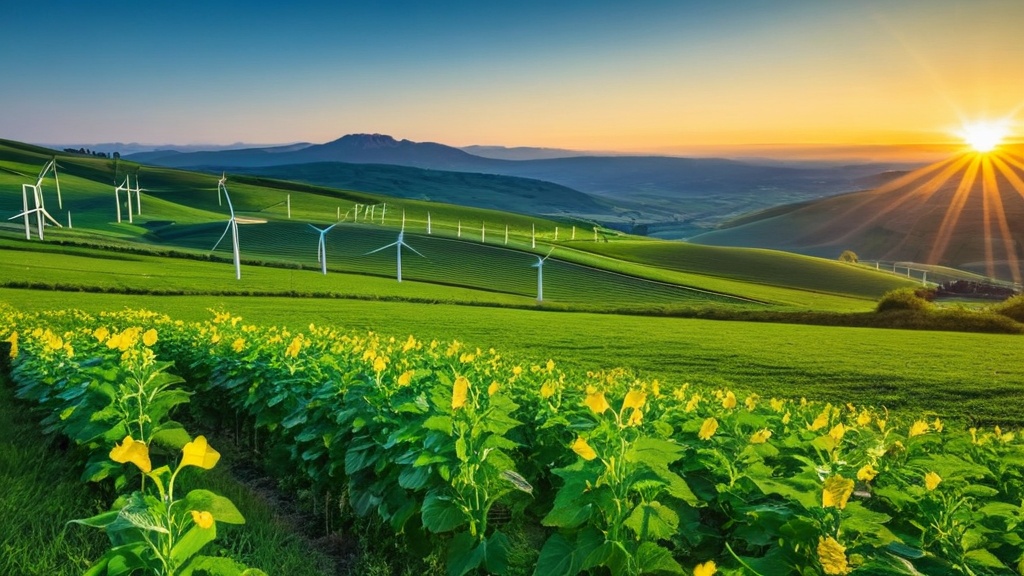
The world we inhabit is powered by a variety of energy sources, which can be broadly categorized into two distinct types: renewable and non-renewable resources. Renewable resources are those that can be replenished naturally over time, ensuring a sustainable supply for future generations. In contrast, non-renewable resources are finite; they exist in limited quantities and cannot be replaced once consumed. This fundamental distinction is crucial as it shapes our energy policies, economic strategies, and environmental considerations. As the global population continues to grow and the demand for energy escalates, understanding these two categories becomes increasingly important.
The implications of relying on either type of resource extend beyond mere availability; they encompass environmental sustainability, economic stability, and social equity. As we grapple with the challenges posed by climate change and resource depletion, the need to transition towards renewable energy sources has never been more pressing. This article will delve into the definitions, examples, environmental impacts, availability, sustainability, economic implications, and future outlook of both renewable and non-renewable resources, providing a comprehensive understanding of their roles in our energy landscape.
In the ongoing debate about energy sources, understanding the distinction between renewable and non-renewable resources is crucial for sustainable development. A related article that delves into the implications of these energy types and their impact on business practices can be found at Maximizing Business Potential with Expert AI Consulting & Training. This piece explores how businesses can leverage AI to optimize their energy consumption and make informed decisions regarding their energy strategies, ultimately contributing to a more sustainable future.
Key Takeaways
- Renewable resources like solar, wind, and hydroelectric power are naturally replenished and more sustainable than non-renewable resources.
- Non-renewable resources such as fossil fuels and nuclear energy are finite and contribute significantly to environmental pollution and greenhouse gas emissions.
- Renewable energy sources have a lower environmental impact and offer long-term availability, making them crucial for sustainable development.
- Economic benefits of renewable resources include job creation and cost savings, while non-renewable resources face challenges like price volatility and geopolitical risks.
- The future energy landscape depends on technological advancements and policy shifts favoring renewable resources to ensure environmental and economic sustainability.
Definition and examples of renewable resources
Renewable resources are defined as energy sources that can be replenished naturally within a human lifespan. These resources are characterized by their ability to regenerate, making them a sustainable option for meeting our energy needs. Among the most prominent examples of renewable resources are solar power, wind energy, and hydroelectric power. Solar power harnesses energy from the sun through photovoltaic cells or solar thermal systems, converting sunlight into electricity or heat. This abundant resource is available in nearly every part of the world and has seen significant advancements in technology, making it increasingly efficient and cost-effective.
Wind energy is another key player in the renewable sector. By utilizing wind turbines to capture the kinetic energy of moving air, we can generate electricity without depleting natural resources or emitting harmful pollutants. Wind farms can be established on land or offshore, taking advantage of areas with high wind speeds. Hydroelectric power, on the other hand, relies on the flow of water to generate electricity. Dams and river systems are often used to harness this energy, providing a reliable and consistent power source. Together, these renewable resources offer a promising alternative to fossil fuels, contributing to a cleaner and more sustainable energy future.
Definition and examples of non-renewable resources
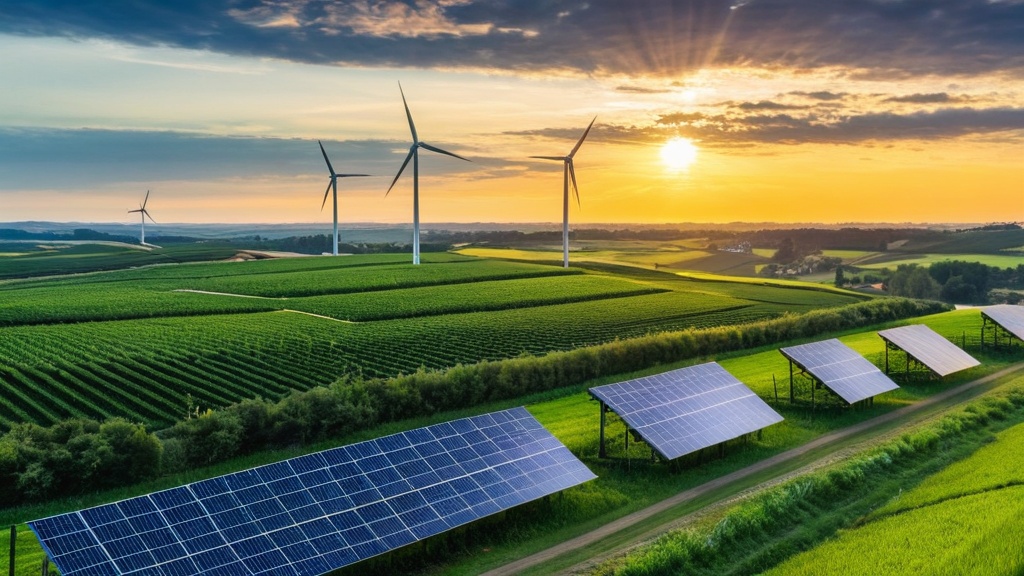
Non-renewable resources are defined as energy sources that exist in finite quantities and cannot be replenished within a human timescale. Once extracted and consumed, these resources are gone forever, leading to concerns about their long-term availability and sustainability.
The most common examples of non-renewable resources include fossil fuels such as coal, oil, and natural gas.
These energy sources have powered industrialization and economic growth for over a century but come with significant environmental costs.
Coal is one of the oldest forms of energy production, primarily used for electricity generation and steel manufacturing. While it is abundant in certain regions, its extraction and combustion release substantial amounts of carbon dioxide and other pollutants into the atmosphere. Oil, often referred to as “black gold,” is another critical non-renewable resource that fuels transportation and various industries. Its extraction can lead to environmental disasters such as oil spills, which have devastating effects on marine ecosystems. Natural gas, while considered cleaner than coal and oil in terms of emissions, still contributes to greenhouse gas emissions when burned. Additionally, nuclear energy is classified as non-renewable due to its reliance on uranium mining; although it produces minimal greenhouse gases during operation, concerns about radioactive waste management persist.
Environmental impact of renewable resources
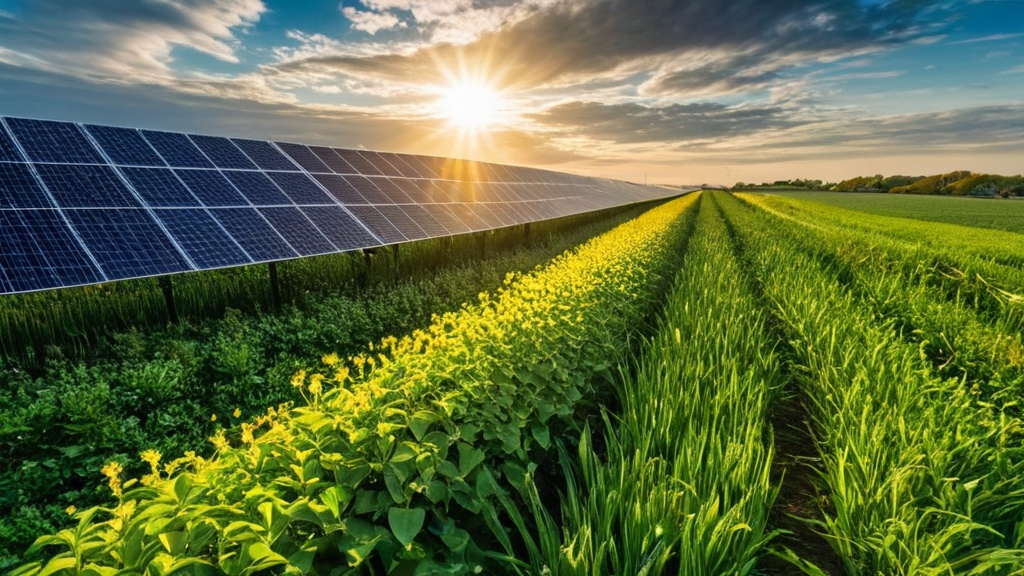
The environmental impact of renewable resources is generally much lower than that of non-renewable resources. Renewable energy technologies produce little to no greenhouse gas emissions during operation, significantly reducing their contribution to climate change. For instance, solar panels generate electricity without releasing carbon dioxide or other harmful pollutants into the atmosphere. Similarly, wind turbines harness natural wind currents to produce energy without depleting resources or harming the environment.
However, it is essential to acknowledge that renewable resources are not entirely without environmental consequences. The manufacturing processes for solar panels and wind turbines can involve the use of hazardous materials and energy-intensive production methods. Additionally, large-scale hydroelectric projects can disrupt local ecosystems and displace communities. Despite these challenges, the overall environmental footprint of renewable resources remains significantly lower than that of fossil fuels, making them a more sustainable choice for our energy needs.
In the ongoing debate about energy sources, understanding the differences between renewable and non-renewable resources is crucial for making informed decisions. A recent article explores how leadership in AI can influence executive decision-making in the energy sector, shedding light on the importance of adopting sustainable practices. For more insights on this topic, you can read the article here: leadership in AI. This connection highlights the role of technology in shaping the future of energy management.
Environmental impact of non-renewable resources
| Energy Type | Source Examples | Renewability | Environmental Impact | Typical Usage | Carbon Emissions |
|---|---|---|---|---|---|
| Renewable | Solar, Wind, Hydropower, Geothermal, Biomass | Infinite (naturally replenished) | Low to Moderate (depends on source) | Electricity generation, heating, transportation | Very Low to Zero |
| Non-Renewable | Coal, Oil, Natural Gas, Nuclear | Finite (limited supply) | High (pollution, habitat disruption) | Electricity generation, transportation, industry | High (except nuclear, which is low) |
The environmental impact of non-renewable resources is profound and multifaceted. The extraction and combustion of fossil fuels contribute significantly to air pollution, which poses serious health risks to humans and wildlife alike. Burning coal releases sulfur dioxide and nitrogen oxides into the atmosphere, leading to acid rain and respiratory problems in populations living near coal-fired power plants. Oil extraction can result in catastrophic spills that devastate marine life and coastal ecosystems.
Moreover, non-renewable resources are major contributors to greenhouse gas emissions, which drive climate change. The burning of fossil fuels accounts for a substantial portion of global carbon dioxide emissions, leading to rising temperatures and extreme weather events. Natural gas extraction through hydraulic fracturing (fracking) has also raised concerns about water contamination and methane leaks—methane being a potent greenhouse gas that exacerbates climate change. The cumulative effects of these environmental impacts underscore the urgent need to transition away from non-renewable resources toward cleaner alternatives.
Availability and sustainability of renewable resources
Renewable resources are inherently more sustainable than their non-renewable counterparts due to their ability to regenerate naturally over time. Solar power is virtually limitless; as long as the sun shines, we can harness its energy for electricity generation. Wind energy also benefits from this sustainability; wind patterns are driven by natural atmospheric processes that will continue indefinitely. Hydroelectric power relies on the water cycle—rainfall replenishes rivers and lakes, ensuring a consistent supply for energy production.
In addition to their sustainability, renewable resources are becoming increasingly accessible as technology advances and costs decline. The proliferation of solar panels and wind turbines has made it possible for individuals and communities to generate their own electricity, reducing reliance on centralized power grids. Furthermore, innovations in energy storage technologies are addressing the intermittency challenges associated with renewables, allowing for more reliable energy supply even when sunlight or wind is not available.
Availability and sustainability of non-renewable resources
In stark contrast to renewable resources, non-renewable resources face significant challenges regarding availability and sustainability. Fossil fuels are finite; once extracted from the earth, they cannot be replaced within a human timescale. As global demand for energy continues to rise, concerns about the depletion of these resources become increasingly pressing. For instance, oil reserves are being depleted at an alarming rate, leading to heightened competition for remaining supplies.
The sustainability of non-renewable resources is further compromised by geopolitical conflicts often associated with their extraction. Many oil-rich regions experience instability due to competition over these valuable resources, leading to economic volatility and social unrest. Additionally, as easily accessible reserves dwindle, companies are forced to explore more challenging environments—such as deep-sea drilling or Arctic exploration—raising ethical concerns about environmental degradation and potential disasters.
Economic implications of renewable resources
Investing in renewable resources presents numerous economic benefits that extend beyond mere environmental considerations. The transition towards clean energy sources has the potential to create millions of jobs across various sectors—from manufacturing solar panels to installing wind turbines and maintaining hydroelectric facilities. This job creation can stimulate local economies while providing stable employment opportunities in an increasingly competitive job market.
Moreover, renewable energy sources often lead to long-term cost savings for consumers and businesses alike. Once established, solar panels and wind turbines have minimal operating costs compared to fossil fuel plants that require ongoing fuel purchases. As technology continues to advance and economies of scale are realized, the cost of renewable energy is expected to decline further—making it an economically viable option for a broader range of consumers.
Economic implications of non-renewable resources
While non-renewable resources have historically driven economic growth, they also present significant challenges that can undermine long-term stability. Price volatility is a hallmark of fossil fuel markets; fluctuations in oil prices can have ripple effects throughout the global economy—impacting everything from transportation costs to consumer prices for goods and services. This unpredictability creates uncertainty for businesses planning for future investments.
Additionally, reliance on non-renewable resources can lead to geopolitical conflicts as nations vie for control over valuable reserves. Such conflicts can disrupt supply chains and lead to economic instability in affected regions.
Furthermore, as countries face increasing pressure to reduce greenhouse gas emissions in response to climate change concerns, industries reliant on fossil fuels may find themselves at a competitive disadvantage—prompting calls for a transition towards cleaner alternatives.
Future outlook
The future outlook for both renewable and non-renewable resources is shaped by technological advancements and evolving policy landscapes. As governments worldwide commit to reducing carbon emissions through international agreements like the Paris Accord, investments in renewable technologies are expected to accelerate significantly. Innovations in energy storage solutions will enhance the reliability of renewables while making them more competitive with traditional fossil fuels.
Conversely, the future of non-renewable resources appears increasingly uncertain as public awareness grows regarding their environmental impacts. Stricter regulations aimed at curbing emissions may further hinder the viability of fossil fuel industries while incentivizing investments in cleaner alternatives. As society shifts towards sustainability-driven practices—such as electric vehicles powered by renewable energy—the demand for non-renewable resources may continue to decline.
In summary, understanding the differences between renewable and non-renewable resources is essential as we navigate an increasingly complex energy landscape. Renewable resources offer a sustainable solution with lower environmental impacts while providing economic opportunities through job creation and long-term cost savings. In contrast, non-renewable resources pose significant challenges related to availability, sustainability, environmental degradation, and economic volatility.
As we move forward into an uncertain future marked by climate change concerns and resource depletion issues, transitioning towards a more sustainable energy future becomes imperative. By investing in renewable technologies and fostering policies that support clean energy initiatives, we can mitigate the adverse effects associated with non-renewable resource consumption while ensuring a stable foundation for generations to come.
FAQs
What are renewable resources?
Renewable resources are natural resources that can be replenished or regenerated naturally over a short period of time. Examples include solar energy, wind energy, hydroelectric power, biomass, and geothermal energy.
What are non-renewable resources?
Non-renewable resources are natural resources that do not replenish at a sufficient rate for sustainable economic extraction. They are finite and can be depleted. Examples include fossil fuels like coal, oil, natural gas, and minerals such as gold and uranium.
Why is it important to use renewable resources?
Using renewable resources is important because they are sustainable, reduce greenhouse gas emissions, help combat climate change, and decrease dependence on finite fossil fuels, which can lead to environmental degradation and resource scarcity.
What are the main disadvantages of non-renewable resources?
The main disadvantages include their limited availability, environmental pollution from extraction and use, contribution to climate change through greenhouse gas emissions, and the potential for geopolitical conflicts over resource control.
Can non-renewable resources be recycled or reused?
Some non-renewable resources, like metals, can be recycled and reused to some extent, which helps conserve the resource. However, fossil fuels cannot be recycled and are consumed when used.
How do renewable and non-renewable resources impact the environment differently?
Renewable resources generally have a lower environmental impact because they produce little to no pollution and are sustainable. Non-renewable resources often cause air and water pollution, habitat destruction, and contribute significantly to climate change.
What role do renewable resources play in energy production?
Renewable resources are increasingly used to generate electricity and heat, providing cleaner alternatives to fossil fuels. They help diversify energy supply, improve energy security, and reduce carbon emissions.
Are all renewable resources completely environmentally friendly?
While renewable resources are generally cleaner, some can have environmental impacts. For example, large hydroelectric dams can disrupt ecosystems, and biomass burning can produce air pollutants. However, these impacts are typically less severe than those from non-renewable resources.
How can individuals contribute to using more renewable resources?
Individuals can contribute by using energy-efficient appliances, installing solar panels, supporting renewable energy policies, reducing energy consumption, and choosing sustainable products and transportation options.
What is the future outlook for renewable and non-renewable resources?
The future outlook favors increased use of renewable resources due to environmental concerns and technological advancements. Non-renewable resources will continue to be used but are expected to decline as reserves deplete and alternatives become more viable.


















Leave a Reply