






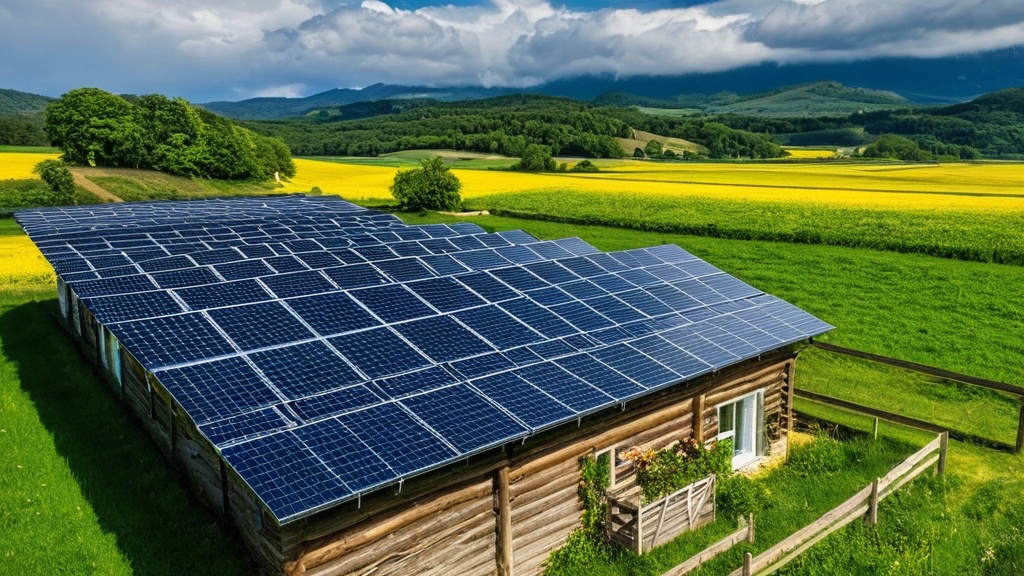
The global energy landscape is undergoing a significant transformation as societies grapple with the pressing need for sustainable energy solutions. At the heart of this transformation lies the dichotomy between renewable and non-renewable energy sources. Renewable energy sources, such as solar, wind, and hydroelectric power, are derived from natural processes that are replenished at a rate equal to or faster than their consumption. In contrast, non-renewable energy sources, including fossil fuels like coal, oil, and natural gas, are finite resources that take millions of years to form and are being depleted at an alarming rate. Understanding the differences between these two categories of energy is crucial for making informed decisions about energy consumption and policy.
As the world faces the dual challenges of climate change and energy security, the importance of transitioning to renewable energy sources has never been more pronounced. The reliance on non-renewable energy has not only led to environmental degradation but has also raised concerns about energy independence and economic stability. This article aims to explore the definitions, examples, environmental impacts, availability, costs, efficiency, advantages, disadvantages, government policies, and future outlooks of both renewable and non-renewable energy sources. By examining these aspects, we can better understand the implications of our energy choices and the path forward for a sustainable future.
In the ongoing debate about energy sources, understanding the implications of renewable and non-renewable resources is crucial for sustainable development. A related article that delves into the broader impacts of technological innovations on various sectors can be found at this link: Anysphere’s Growth Playbook: How Coding Startups Scale Beyond Acquisition. This article explores how advancements in technology can influence energy management and efficiency, ultimately affecting our transition towards more sustainable energy practices.
Key Takeaways
- Renewable energy sources, like solar and wind, are sustainable and have lower environmental impact compared to non-renewable sources such as coal and oil.
- Non-renewable energy sources are finite and contribute significantly to pollution and climate change.
- Renewable energy technologies are becoming more cost-effective and supported by government incentives.
- Efficiency and reliability vary between energy types, with ongoing improvements in renewable energy systems.
- Informed energy choices require balancing environmental impact, cost, availability, and future sustainability.
Definition and Examples of Renewable Energy Sources
Renewable energy sources are defined as those that can be replenished naturally over a short period. These sources harness energy from natural phenomena that are continuously available. Solar energy, for instance, is derived from sunlight and can be captured using photovoltaic cells or solar thermal systems. Wind energy is generated through the movement of air, which can be harnessed by wind turbines to produce electricity. Hydroelectric power utilizes the flow of water in rivers or dams to generate energy. Other examples include geothermal energy, which taps into the Earth’s internal heat, and biomass energy, derived from organic materials such as plant matter and waste.
The versatility of renewable energy sources is one of their most significant advantages. They can be deployed at various scales, from small residential solar panels to large offshore wind farms. Additionally, advancements in technology have made it increasingly feasible to harness these resources efficiently. For example, the cost of solar panels has decreased dramatically over the past decade, making solar energy more accessible to consumers and businesses alike. As countries strive to meet their climate goals and reduce greenhouse gas emissions, the adoption of renewable energy sources is becoming a central component of national energy strategies.
Definition and Examples of Non-Renewable Energy Sources
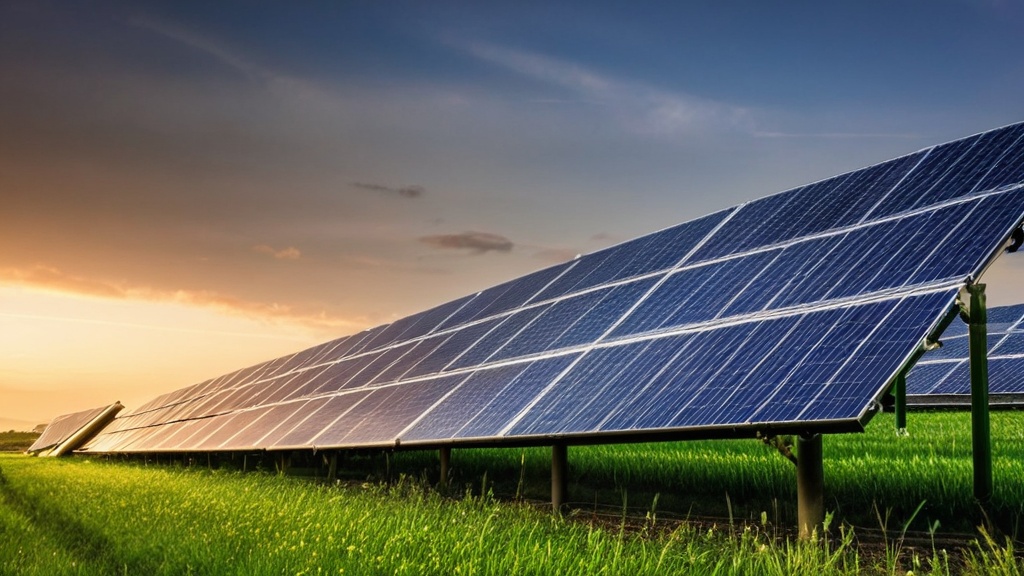
Non-renewable energy sources are defined as those that exist in finite quantities and cannot be replenished within a human timescale. These resources are typically formed from ancient organic matter subjected to heat and pressure over millions of years. The most common examples include fossil fuels such as coal, oil, and natural gas. Coal is primarily used for electricity generation and industrial processes; oil is predominantly utilized for transportation fuels; while natural gas serves both heating and electricity generation purposes.
The extraction and use of non-renewable energy sources have been integral to industrial development and economic growth over the past century. However, their finite nature poses significant challenges for long-term sustainability.
As reserves dwindle and extraction becomes more difficult and costly, reliance on these resources raises concerns about energy security and price volatility.
Furthermore, the environmental consequences associated with their extraction and combustion—such as air pollution and greenhouse gas emissions—underscore the urgent need for a transition toward more sustainable alternatives.
Environmental Impact of Renewable and Non-Renewable Energy Sources
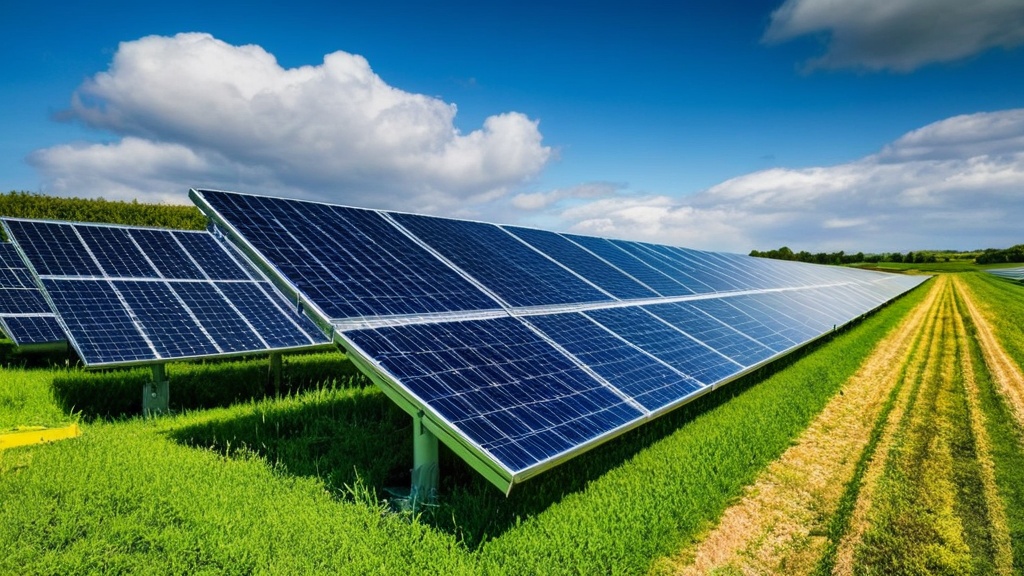
The environmental impact of energy sources is a critical consideration in the ongoing debate about their use. Renewable energy sources generally have a lower environmental footprint compared to their non-renewable counterparts. For instance, solar panels produce electricity without emitting greenhouse gases during operation, while wind turbines generate power without air pollution. Additionally, renewable energy projects often have a smaller land footprint than traditional fossil fuel extraction sites.
Conversely, non-renewable energy sources contribute significantly to environmental degradation. The extraction processes for coal, oil, and natural gas can lead to habitat destruction, water contamination, and air pollution. The combustion of these fuels releases carbon dioxide (CO2) and other harmful pollutants into the atmosphere, exacerbating climate change and posing health risks to communities. As awareness of these environmental impacts grows, there is increasing pressure on governments and industries to transition toward cleaner energy solutions that prioritize ecological sustainability.
As the world increasingly shifts towards sustainable energy solutions, the debate between renewable and non-renewable resources continues to gain traction. A recent article discusses the implications of this transition and highlights the potential for significant investment opportunities in the renewable sector. For more insights on future trends and predictions in energy investments, you can read the article here: Khosla’s AI Investment Predictions. This exploration of emerging technologies and market dynamics underscores the importance of adapting to a changing energy landscape.
Availability and Sustainability of Renewable and Non-Renewable Energy Sources
| Energy Type | Source Examples | Renewability | Carbon Emissions | Typical Efficiency (%) | Global Usage (%) |
|---|---|---|---|---|---|
| Renewable | Solar, Wind, Hydro, Geothermal, Biomass | Yes | Low to None | 15-45 | 29 |
| Non-Renewable | Coal, Oil, Natural Gas, Nuclear | No | High (except Nuclear) | 33-60 | 71 |
The availability of renewable energy sources varies by geographic location but is generally abundant on a global scale. Solar energy can be harnessed in nearly every part of the world, while wind resources are particularly strong in coastal areas and open plains. Hydroelectric power relies on water availability but can be generated in regions with sufficient river systems or rainfall patterns. This inherent abundance makes renewable energy sources a sustainable option for meeting future energy demands.
In contrast, non-renewable energy sources are limited by their geological formation processes. As reserves are depleted through extraction, the remaining resources become increasingly difficult to access and more expensive to extract. This finite nature raises concerns about long-term sustainability; as demand continues to rise globally, reliance on non-renewable sources may lead to significant supply shortages in the future. The transition to renewable energy not only addresses these concerns but also promotes a more resilient energy system capable of adapting to changing conditions.
Cost and Affordability of Renewable and Non-Renewable Energy Sources
The cost dynamics of renewable versus non-renewable energy sources have shifted dramatically in recent years. Historically, fossil fuels were considered the most affordable option for electricity generation; however, advancements in technology have led to significant reductions in the cost of renewable energy systems. For example, the price of solar photovoltaic systems has dropped by over 80% since 2010, making solar power one of the most cost-effective forms of electricity generation in many regions.
Despite these advancements, non-renewable energy sources still hold a cost advantage in certain contexts due to established infrastructure and market dynamics. However, as governments implement carbon pricing mechanisms and other regulations aimed at reducing greenhouse gas emissions, the true cost of fossil fuels may become more apparent. Additionally, the volatility of fossil fuel prices can lead to economic uncertainty for consumers and businesses alike. As renewable technologies continue to mature and scale up production, they are likely to become increasingly competitive in terms of affordability.
Efficiency and Reliability of Renewable and Non-Renewable Energy Sources
Efficiency is a critical factor when evaluating different energy sources. Non-renewable energy sources typically boast high efficiency rates in converting fuel into usable energy; for instance, modern natural gas plants can achieve efficiency rates exceeding 60%. However, this efficiency comes at a cost—namely environmental degradation and resource depletion.
Renewable energy sources present unique challenges regarding efficiency and reliability due to their dependence on natural conditions. Solar panels generate electricity only when sunlight is available, while wind turbines require sufficient wind speeds to operate effectively. However, advancements in battery storage technology are helping to mitigate these challenges by allowing excess energy generated during peak conditions to be stored for later use. As storage solutions improve and grid integration becomes more sophisticated, renewable energy systems are becoming increasingly reliable as a primary source of power.
Advantages and Disadvantages of Renewable and Non-Renewable Energy Sources
Both renewable and non-renewable energy sources come with their own sets of advantages and disadvantages that must be carefully weighed in policy discussions. Renewable energy sources offer numerous benefits: they are sustainable over the long term, produce minimal greenhouse gas emissions during operation, and can enhance energy security by reducing dependence on imported fuels. Additionally, investments in renewable technologies can stimulate job creation in emerging industries.
On the other hand, non-renewable energy sources provide immediate access to large quantities of power with established infrastructure supporting their use. They have historically been more reliable in terms of consistent output due to their ability to generate electricity regardless of weather conditions or time of day. However, their environmental impacts—ranging from air pollution to climate change—pose significant risks that cannot be overlooked.
Government Policies and Incentives for Renewable and Non-Renewable Energy Sources
Government policies play a pivotal role in shaping the future landscape of both renewable and non-renewable energy sources.
Many countries have implemented incentives aimed at promoting renewable technologies through tax credits, subsidies, or feed-in tariffs that guarantee fixed payments for renewable electricity generation.
These policies encourage investment in clean technologies while helping to lower costs for consumers.
Conversely, some governments continue to support non-renewable industries through subsidies or tax breaks that perpetuate reliance on fossil fuels despite their environmental consequences. As public awareness grows regarding climate change and sustainability issues, there is increasing pressure on policymakers to shift focus toward supporting renewable initiatives that align with long-term environmental goals.
Future Outlook for Renewable and Non-Renewable Energy Sources
The future outlook for renewable versus non-renewable energy sources is increasingly leaning toward sustainability as technological advancements continue to reshape the industry landscape. With global commitments to reduce carbon emissions under international agreements like the Paris Accord, investment in renewable technologies is expected to accelerate significantly over the coming decades.
As countries transition away from fossil fuels toward cleaner alternatives, innovations such as smart grids, advanced battery storage solutions, and decentralized energy systems will play crucial roles in enhancing efficiency while ensuring reliability across diverse regions. While non-renewable resources will likely remain part of the global energy mix for some time due to existing infrastructure investments, their long-term viability is uncertain as market dynamics shift toward sustainability.
Making Informed Choices for Energy Sources
In conclusion, understanding the distinctions between renewable and non-renewable energy sources is essential for making informed choices about our collective future. While both types offer unique advantages and challenges, it is clear that transitioning toward renewable solutions is imperative for addressing climate change while ensuring long-term sustainability.
As individuals, businesses, and governments navigate this complex landscape filled with opportunities for innovation alongside pressing challenges related to resource management—making informed decisions about our energy consumption will ultimately shape not only our economic future but also our planet’s health for generations to come. Embracing renewable technologies represents not just an environmental imperative but also an opportunity for economic growth through job creation within emerging industries focused on clean energy solutions.
FAQs
What are renewable resources?
Renewable resources are natural resources that can be replenished or regenerated naturally over a short period of time. Examples include solar energy, wind energy, hydroelectric power, biomass, and geothermal energy.
What are non-renewable resources?
Non-renewable resources are natural resources that do not replenish at a sufficient rate for sustainable economic extraction. They are finite and can be depleted. Examples include fossil fuels like coal, oil, natural gas, and minerals such as gold and uranium.
Why is it important to use renewable resources?
Using renewable resources is important because they are sustainable, reduce greenhouse gas emissions, decrease dependence on finite resources, and help mitigate climate change and environmental degradation.
What are the main disadvantages of non-renewable resources?
The main disadvantages include depletion over time, environmental pollution, contribution to climate change, and the potential for geopolitical conflicts over resource control.
Can non-renewable resources be recycled?
Some non-renewable resources, such as metals, can be recycled to reduce the need for new extraction. However, fossil fuels cannot be recycled and are consumed when used.
How do renewable and non-renewable resources impact the environment?
Renewable resources generally have a lower environmental impact, producing less pollution and greenhouse gases. Non-renewable resources often cause air and water pollution, habitat destruction, and contribute significantly to climate change.
Are renewable resources always available?
While renewable resources are naturally replenished, their availability can vary based on location, weather, and technology. For example, solar power depends on sunlight, and wind power depends on wind conditions.
What role do renewable and non-renewable resources play in energy production?
Non-renewable resources currently provide a large portion of the world’s energy but are being gradually supplemented or replaced by renewable energy sources to promote sustainability and reduce environmental impact.
How can individuals contribute to using more renewable resources?
Individuals can contribute by using energy-efficient appliances, installing solar panels, supporting renewable energy policies, reducing energy consumption, and choosing sustainable transportation options.
What is the future outlook for renewable and non-renewable resources?
The future outlook favors increased use of renewable resources due to environmental concerns and technological advancements, while reliance on non-renewable resources is expected to decline as reserves diminish and alternatives become more viable.


















Leave a Reply