







In an era marked by climate change and environmental degradation, the significance of sustainable energy solutions cannot be overstated. As the global population continues to grow, so does the demand for energy.
Traditional energy sources, primarily fossil fuels, are not only finite but also contribute significantly to greenhouse gas emissions.
Sustainable energy solutions offer a pathway to meet the world’s energy needs while minimizing environmental impact. By transitioning to renewable energy sources, we can reduce our carbon footprint, promote energy independence, and create a more resilient energy infrastructure.
Moreover, sustainable energy solutions are essential for economic stability and growth. Investing in renewable energy technologies can stimulate job creation in various sectors, from manufacturing to installation and maintenance. As countries strive to meet international climate agreements, the shift towards sustainable energy can also enhance national security by reducing reliance on imported fuels. In this context, sustainable energy is not merely an environmental imperative; it is a strategic necessity for a prosperous future.
Sustainable energy is a critical topic in today’s world, and understanding its implications can greatly enhance our approach to environmental challenges. For those interested in exploring how innovative technologies can contribute to sustainable practices, I recommend reading the article on AI’s transformative role in various sectors, including energy. You can find it here: Embracing AI: Transforming Your Coaching Practice. This article delves into how artificial intelligence can optimize energy consumption and promote sustainability in different industries.
Key Takeaways
- Sustainable energy is crucial for reducing environmental damage caused by fossil fuels.
- Renewable sources like solar, wind, hydro, geothermal, and biomass are key to a cleaner energy future.
- Technological advancements are making solar and wind power more efficient and accessible.
- Energy storage solutions are essential for integrating renewable energy into the grid reliably.
- Sustainable transportation is a vital component of the global transition to clean energy systems.
The Impact of Fossil Fuels on the Environment
The reliance on fossil fuels has far-reaching consequences for the environment. The extraction, processing, and combustion of coal, oil, and natural gas release significant amounts of carbon dioxide and other harmful pollutants into the atmosphere. This not only contributes to global warming but also leads to air quality issues that can have dire health implications for communities worldwide. The burning of fossil fuels is a primary driver of climate change, which poses existential threats such as rising sea levels, extreme weather events, and biodiversity loss.
Additionally, fossil fuel extraction processes often result in environmental degradation. Oil spills, coal mining, and natural gas fracking can devastate local ecosystems and contaminate water supplies. The long-term effects of these practices can be catastrophic, leading to loss of habitat and species extinction. As awareness of these issues grows, there is an increasing call for a transition away from fossil fuels towards cleaner, more sustainable energy sources that can mitigate these environmental impacts.
The Rise of Renewable Energy Sources
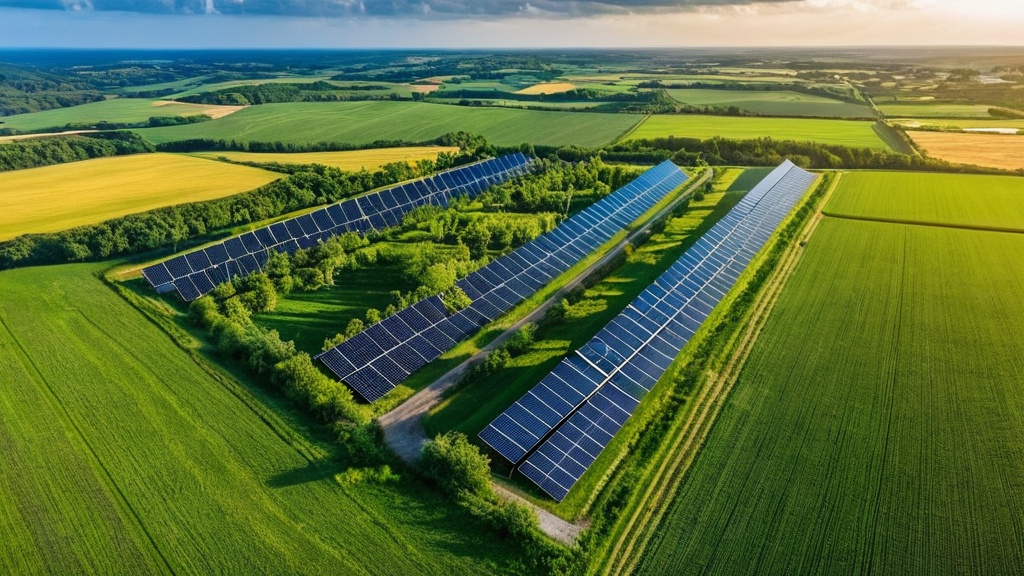
In response to the pressing need for cleaner energy alternatives, renewable energy sources have gained significant traction in recent years. Solar, wind, hydroelectric, geothermal, and biomass energies are becoming increasingly viable options for meeting global energy demands. The rise of these renewable sources is driven by technological advancements, decreasing costs, and growing public awareness of climate change. Governments and private sectors are investing heavily in renewable technologies, recognizing their potential to provide sustainable energy solutions.
The transition to renewable energy is not just a trend; it represents a fundamental shift in how we think about energy production and consumption. As countries commit to reducing their carbon emissions and achieving net-zero targets, the adoption of renewable energy sources is expected to accelerate. This shift not only addresses environmental concerns but also opens up new economic opportunities in emerging markets focused on clean technology and innovation.
Advancements in Solar Power Technology
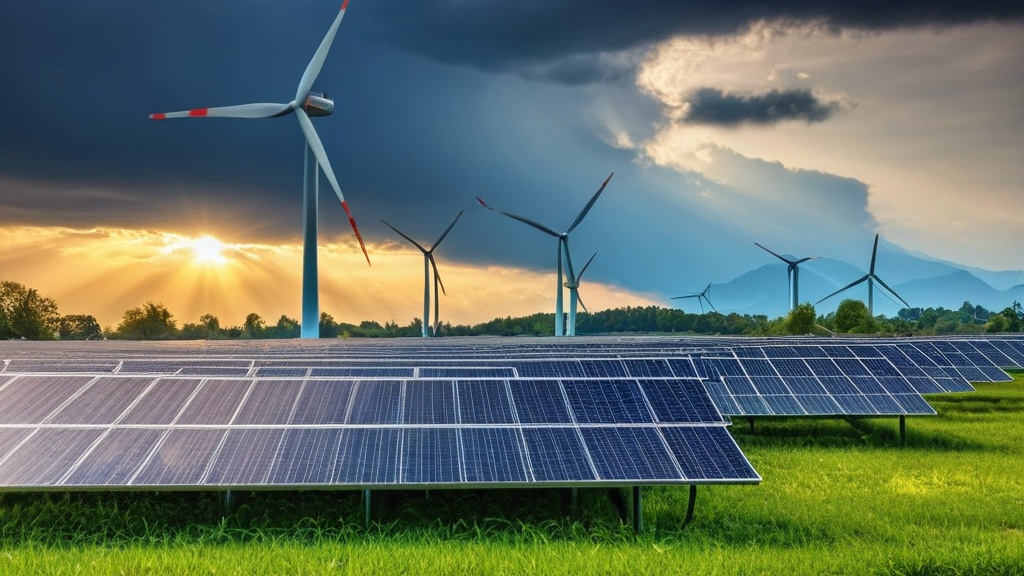
Solar power technology has seen remarkable advancements over the past decade, making it one of the most promising renewable energy sources available today. Innovations in photovoltaic (PV) cells have led to increased efficiency rates and lower production costs. Modern solar panels can convert sunlight into electricity with remarkable effectiveness, making solar installations more accessible for both residential and commercial applications. Additionally, the development of solar tracking systems allows panels to follow the sun’s trajectory throughout the day, maximizing energy capture.
Furthermore, the integration of solar power with energy storage solutions has transformed its viability as a reliable energy source. Battery technologies have improved significantly, enabling homeowners and businesses to store excess solar energy for use during non-sunny periods. This capability not only enhances grid stability but also empowers consumers to take control of their energy consumption. As solar technology continues to evolve, it is poised to play a central role in the global transition towards sustainable energy.
Sustainable energy is becoming increasingly important as the world seeks to address climate change and reduce reliance on fossil fuels. A recent article discusses the critical role of leadership in promoting sustainable practices within organizations, highlighting how effective coaching can drive innovation in energy solutions. For more insights on this topic, you can read the article on leadership coaching and its impact on sustainability here. By fostering a culture of sustainability, leaders can inspire their teams to adopt cleaner energy alternatives and contribute to a more sustainable future.
Harnessing the Power of Wind Energy
| Metric | Value | Unit | Year | Source |
|---|---|---|---|---|
| Global Renewable Energy Capacity | 3,372 | GW | 2023 | IRENA |
| Share of Renewables in Global Electricity Generation | 29.5 | % | 2023 | IEA |
| Solar Power Installed Capacity | 1,100 | GW | 2023 | IRENA |
| Wind Power Installed Capacity | 900 | GW | 2023 | IRENA |
| Global Energy Consumption from Renewables | 14.7 | % | 2023 | BP Statistical Review |
| CO2 Emissions Avoided by Renewables | 2.5 | Gt CO2 | 2023 | IEA |
| Investment in Renewable Energy | 380 | Billion | 2023 | BloombergNEF |
Wind energy has emerged as a key player in the renewable energy landscape, harnessing the natural power of wind to generate electricity. Wind turbines have become a common sight in many regions around the world, from sprawling offshore farms to rural landscapes dotted with towering structures. The efficiency of wind turbines has improved dramatically due to advancements in design and materials, allowing them to capture more wind energy even at lower speeds.
The scalability of wind energy is one of its most significant advantages. Wind farms can be developed on various scales, from small community projects to large utility-scale installations that power thousands of homes. Additionally, offshore wind farms have opened up new possibilities for harnessing wind energy in areas with high wind potential but limited land availability. As technology continues to advance and costs decrease, wind energy is set to become an even more integral part of the global energy mix.
The Role of Hydroelectric Power in Sustainable Energy
Hydroelectric power has long been recognized as one of the most established forms of renewable energy. By harnessing the kinetic energy of flowing water, hydroelectric plants can generate substantial amounts of electricity with minimal environmental impact compared to fossil fuels. Dams and run-of-the-river systems are designed to convert water flow into electrical power efficiently while providing additional benefits such as flood control and irrigation support.
However, it is essential to approach hydroelectric power development with caution. While it offers significant advantages in terms of clean energy production, large-scale dams can disrupt local ecosystems and displace communities. Therefore, innovative approaches such as small-scale hydro projects and improved turbine designs are being explored to minimize these impacts while maximizing energy generation. As part of a diversified renewable energy strategy, hydroelectric power remains a vital component in achieving sustainable energy goals.
The Potential of Geothermal Energy
Geothermal energy represents a lesser-known but highly promising renewable resource that taps into the Earth’s internal heat. This form of energy is generated from the natural heat stored beneath the Earth’s surface and can be harnessed for electricity generation or direct heating applications. Geothermal power plants have a small land footprint compared to other renewable sources and provide a consistent and reliable source of energy that is not subject to weather fluctuations.
The potential for geothermal energy is vast, particularly in regions with high geothermal activity such as volcanic areas or tectonic plate boundaries. Countries like Iceland and New Zealand have successfully integrated geothermal power into their national grids, showcasing its viability as a sustainable energy solution. As technology advances and exploration techniques improve, geothermal energy could play an increasingly significant role in diversifying our global energy portfolio.
The Advantages of Biomass Energy
Biomass energy is derived from organic materials such as plant matter, agricultural residues, and waste products. This renewable resource offers several advantages: it can help reduce waste by converting materials that would otherwise be discarded into valuable energy sources. Biomass can be used for electricity generation, heating, or even as biofuels for transportation. By utilizing biomass effectively, we can create a circular economy that minimizes waste while providing sustainable energy solutions.
Moreover, biomass has the potential to contribute significantly to rural economies by creating jobs in agriculture and waste management sectors. Farmers can benefit from additional income streams by selling crop residues or dedicated biomass crops for energy production. However, it is crucial to manage biomass resources sustainably to avoid negative impacts on food production or land use changes that could harm ecosystems.
The Integration of Energy Storage Solutions
As renewable energy sources like solar and wind become more prevalent, the need for effective energy storage solutions becomes increasingly critical. Energy storage technologies allow excess electricity generated during peak production times to be stored for later use when demand is high or generation is low. This capability enhances grid reliability and ensures that renewable resources can provide consistent power supply despite their intermittent nature.
Battery technologies have made significant strides in recent years, with lithium-ion batteries leading the charge due to their efficiency and decreasing costs. However, other storage solutions such as pumped hydro storage and emerging technologies like solid-state batteries are also gaining attention as viable options for large-scale applications. By integrating advanced storage solutions into our energy systems, we can maximize the benefits of renewable resources while ensuring a stable and resilient grid.
The Future of Sustainable Transportation
The transportation sector is one of the largest contributors to greenhouse gas emissions globally; thus, transitioning towards sustainable transportation solutions is essential for achieving climate goals. Electric vehicles (EVs) are at the forefront of this movement, offering a cleaner alternative to traditional gasoline-powered cars. With advancements in battery technology and charging infrastructure development, EVs are becoming more accessible and practical for consumers.
In addition to electric vehicles, alternative fuels such as hydrogen and biofuels are gaining traction as sustainable transportation options. Public transportation systems are also evolving with electric buses and trains becoming more common in urban areas. By promoting sustainable transportation solutions through policy incentives and infrastructure investments, we can significantly reduce emissions while improving air quality in cities around the world.
The Global Shift Towards Sustainable Energy Solutions
The global shift towards sustainable energy solutions is not just a trend; it represents a fundamental transformation in how we produce and consume energy. Governments worldwide are setting ambitious targets for reducing carbon emissions and increasing renewable energy adoption as part of their commitments under international climate agreements like the Paris Accord. This collective effort reflects a growing recognition that transitioning to sustainable energy is essential for safeguarding our planet’s future.
As this shift unfolds, collaboration between governments, businesses, and communities will be crucial in driving innovation and investment in clean technologies. Public awareness campaigns can further educate individuals about their role in promoting sustainability through conscious consumption choices. Ultimately, embracing sustainable energy solutions will pave the way for a cleaner environment while fostering economic growth and resilience in an ever-changing world.
FAQs
What is sustainable energy?
Sustainable energy refers to energy sources that are renewable and have a minimal environmental impact. These sources include solar, wind, hydroelectric, geothermal, and biomass energy, which can be replenished naturally and help reduce greenhouse gas emissions.
Why is sustainable energy important?
Sustainable energy is important because it helps reduce dependence on fossil fuels, decreases carbon emissions, mitigates climate change, and promotes environmental conservation. It also supports energy security and can provide economic benefits through job creation in renewable energy sectors.
What are the main types of sustainable energy?
The main types of sustainable energy include solar power, wind power, hydroelectric power, geothermal energy, and biomass energy. Each of these sources harnesses natural processes to generate electricity or heat without depleting resources.
How does sustainable energy impact the environment?
Sustainable energy has a significantly lower environmental impact compared to fossil fuels. It produces little to no greenhouse gases or air pollutants, reduces water usage, and minimizes habitat destruction, contributing to cleaner air and a healthier planet.
Can sustainable energy meet global energy demands?
Yes, sustainable energy has the potential to meet global energy demands as technology advances and infrastructure improves. Many countries are increasing their renewable energy capacity, and with continued investment and innovation, sustainable energy can provide a reliable and sufficient energy supply worldwide.


















Leave a Reply