






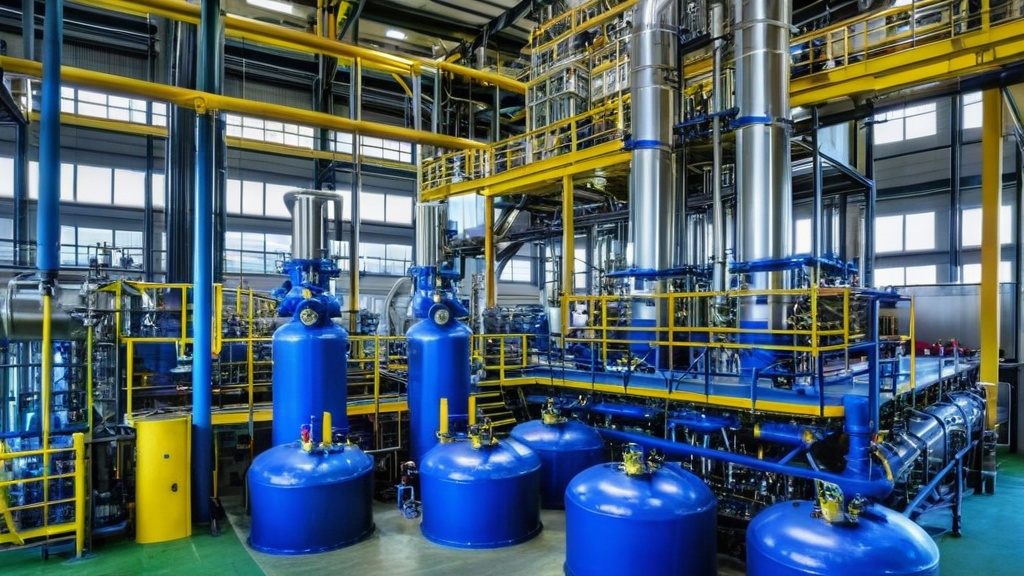
Chemical engineering process engineering is a vital discipline that focuses on the design, optimization, and management of chemical processes. It encompasses a wide range of activities, from the initial conception of a chemical process to its implementation and ongoing refinement. This field combines principles from chemistry, physics, mathematics, and biology to develop efficient and sustainable processes for producing chemicals, materials, and energy. As industries evolve and face new challenges, the role of process engineers becomes increasingly significant in ensuring that chemical processes are not only effective but also environmentally friendly and economically viable.
The importance of chemical engineering process engineering cannot be overstated. In an era where sustainability and efficiency are paramount, process engineers are tasked with finding innovative solutions to complex problems. They must navigate the intricacies of chemical reactions, thermodynamics, and fluid dynamics while also considering economic factors and regulatory requirements. This multifaceted approach allows for the development of processes that minimize waste, reduce energy consumption, and enhance product quality. As such, chemical engineering process engineering plays a crucial role in driving advancements in various sectors, including pharmaceuticals, petrochemicals, food production, and environmental management.
In the field of chemical engineering, process engineers play a crucial role in designing and optimizing processes for the production of chemicals and materials. For those interested in the intersection of technology and engineering, a related article discusses the challenges and innovations in the industry, highlighting the importance of adapting to new advancements. You can read more about these developments in the article found here: AI Transformation in Chemical Engineering.
Key Takeaways
- Chemical engineering process engineering involves the design, operation, and optimization of processes for the production of chemicals and materials.
- Optimizing processes is crucial for improving efficiency, reducing costs, and minimizing environmental impact in chemical engineering.
- Chemical engineering process engineers play a key role in analyzing, designing, and implementing process improvements to achieve operational excellence.
- Understanding chemical processes is essential for identifying areas for improvement and implementing optimization strategies in chemical engineering.
- Collaboration with cross-functional teams, monitoring process performance, and ensuring regulatory compliance are important aspects of continuous improvement and adaptation in chemical engineering.
The Importance of Optimizing Processes
Optimizing processes is essential for any organization aiming to enhance productivity and reduce costs.
In the realm of chemical engineering, process optimization involves refining existing processes to achieve maximum efficiency while minimizing resource consumption and waste generation.
This not only leads to cost savings but also contributes to a more sustainable operation by reducing the environmental impact of chemical production. By focusing on optimization, companies can improve their competitive edge in the market, respond more effectively to customer demands, and adapt to changing regulatory landscapes.
Moreover, optimizing processes can lead to significant improvements in product quality. In chemical manufacturing, even minor variations in process parameters can result in substantial differences in the final product. By systematically analyzing and refining these processes, engineers can ensure that products meet stringent quality standards while also reducing variability. This focus on quality not only enhances customer satisfaction but also strengthens brand reputation and fosters long-term loyalty. Ultimately, the importance of optimizing processes extends beyond immediate financial gains; it lays the foundation for sustainable growth and innovation in the chemical industry.
The Role of a Chemical Engineering Process Engineer
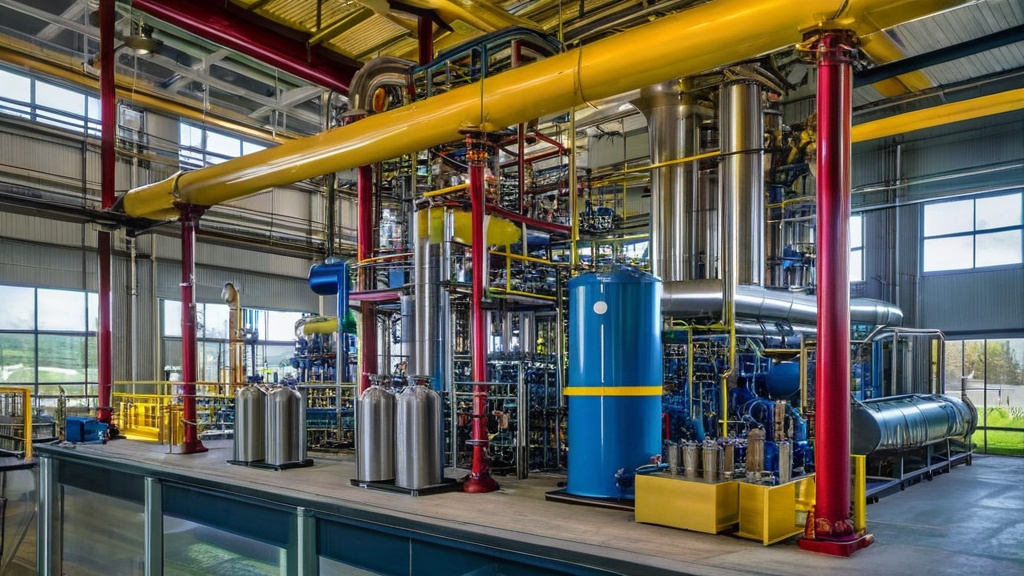
A chemical engineering process engineer plays a pivotal role in the development and optimization of chemical processes. Their responsibilities encompass a wide range of activities, including designing new processes, troubleshooting existing systems, and implementing improvements to enhance efficiency and safety. These engineers must possess a deep understanding of chemical principles and be adept at applying this knowledge to real-world scenarios. They often work closely with other engineers, scientists, and stakeholders to ensure that processes are not only technically sound but also aligned with business objectives.
In addition to technical expertise, effective communication skills are crucial for a process engineer. They must be able to convey complex concepts to diverse audiences, including management, production teams, and regulatory bodies. This requires not only a solid grasp of engineering principles but also an ability to translate technical jargon into accessible language. Furthermore, process engineers must be skilled problem solvers who can think critically and creatively to address challenges that arise during the design and operation of chemical processes. Their role is integral to fostering collaboration across disciplines and ensuring that projects are completed on time and within budget.
Understanding the Chemical Processes
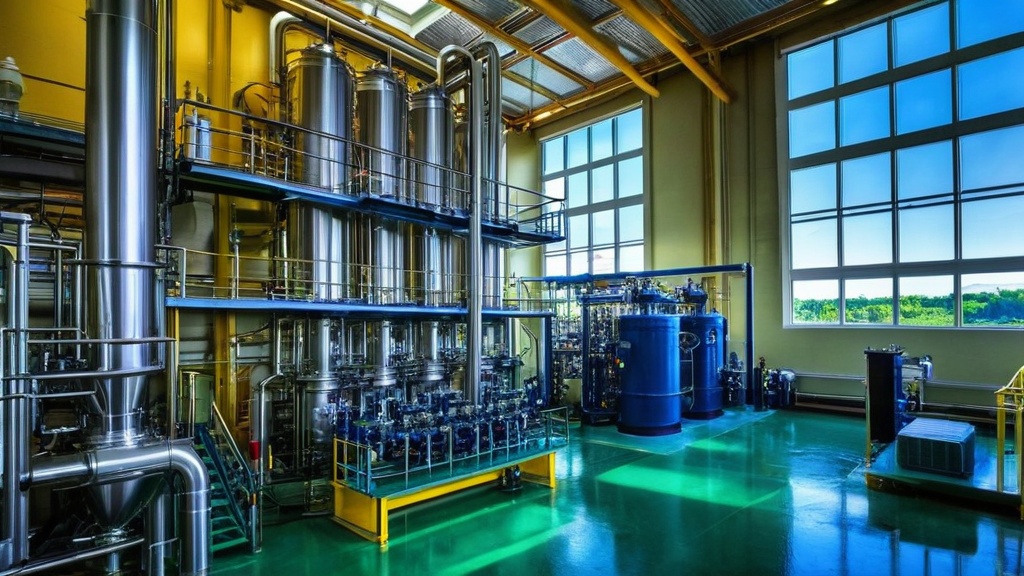
To optimize chemical processes effectively, it is essential for process engineers to have a comprehensive understanding of the underlying chemical reactions and mechanisms involved. This includes knowledge of reaction kinetics, thermodynamics, mass transfer, and fluid dynamics. By grasping these fundamental principles, engineers can make informed decisions about process design and optimization strategies. Understanding how different variables interact within a chemical system allows engineers to predict outcomes and identify potential bottlenecks or inefficiencies.
Moreover, familiarity with various types of chemical processes—such as batch processing, continuous processing, and semi-batch processing—is crucial for selecting the most appropriate approach for a given application. Each type of process has its own advantages and challenges, which must be carefully considered during the design phase. Additionally, understanding the properties of raw materials and products is vital for ensuring compatibility within the process. By developing a thorough understanding of chemical processes, engineers can create systems that are not only efficient but also safe and reliable.
In the field of chemical engineering, process engineers play a crucial role in designing and optimizing processes for the production of chemicals and materials. A recent article discusses the impact of advanced technologies on various industries, including chemical engineering, highlighting how data-driven approaches can enhance efficiency and sustainability. For more insights on this topic, you can read the article on AI transformation and its implications for ethics in technology at AI transformation. This intersection of technology and engineering is paving the way for innovative solutions in the field.
Identifying Areas for Improvement
| Skills | Experience Level |
|---|---|
| Chemical process optimization | Advanced |
| Process simulation software (e.g. Aspen Plus) | Intermediate |
| Chemical plant troubleshooting | Advanced |
| Process safety management | Intermediate |
| Chemical engineering principles | Advanced |
Identifying areas for improvement within chemical processes is a critical step in the optimization journey. This often begins with a thorough analysis of existing operations to pinpoint inefficiencies or challenges that may be hindering performance. Engineers may employ various techniques such as process mapping, data analysis, and performance benchmarking to assess current operations comprehensively. By gathering data on key performance indicators (KPIs), they can identify trends and patterns that reveal opportunities for enhancement.
Once potential areas for improvement have been identified, it is essential to prioritize them based on factors such as impact on productivity, cost savings potential, and alignment with organizational goals. This prioritization helps ensure that resources are allocated effectively and that efforts are focused on initiatives that will yield the greatest benefits. Additionally, engaging with cross-functional teams during this phase can provide valuable insights and perspectives that may not have been considered otherwise. By fostering collaboration across departments, engineers can develop a more holistic understanding of the challenges at hand and devise targeted solutions.
In the ever-evolving field of chemical engineering, process engineers play a crucial role in optimizing production methods and ensuring safety standards. A recent article explores the innovative applications of artificial intelligence in various industries, including chemical engineering, which can significantly enhance process efficiency and decision-making. For a deeper understanding of how AI is transforming these sectors, you can read more in this insightful piece on the IAVVA AI Coach App. This resource highlights the potential of AI technologies to streamline operations and improve outcomes in engineering processes.
Implementing Process Optimization Strategies
Implementing process optimization strategies requires careful planning and execution. Once areas for improvement have been identified and prioritized, engineers must develop actionable plans that outline specific steps to achieve desired outcomes. This may involve redesigning equipment layouts, modifying operating conditions, or introducing new technologies to enhance efficiency. It is crucial for engineers to consider both short-term gains and long-term sustainability when developing these strategies.
Moreover, successful implementation often necessitates collaboration with various stakeholders throughout the organization. Process engineers must work closely with production teams to ensure that proposed changes are feasible and do not disrupt ongoing operations. Additionally, engaging with management is essential for securing buy-in and support for optimization initiatives. By fostering open communication and collaboration among all parties involved, engineers can facilitate smoother transitions during implementation and increase the likelihood of achieving desired results.
Utilizing Advanced Technologies and Tools
In today’s rapidly evolving technological landscape, leveraging advanced technologies and tools is essential for optimizing chemical processes effectively. Innovations such as artificial intelligence (AI), machine learning (ML), and data analytics have transformed the way engineers approach process optimization. These technologies enable engineers to analyze vast amounts of data quickly and accurately, uncovering insights that may have previously gone unnoticed.
For instance, AI-driven predictive analytics can help identify potential issues before they escalate into significant problems by analyzing historical data patterns. Additionally, simulation software allows engineers to model different scenarios and assess the impact of various changes on process performance without disrupting actual operations. By harnessing these advanced tools, process engineers can make more informed decisions and implement targeted strategies that drive efficiency improvements while minimizing risks.
Monitoring and Evaluating Process Performance
Monitoring and evaluating process performance is an ongoing responsibility for chemical engineering process engineers.
Once optimization strategies have been implemented, it is crucial to establish robust monitoring systems that track key performance indicators (KPIs) over time.
This allows engineers to assess the effectiveness of their initiatives and make data-driven adjustments as needed.
Regular performance evaluations also provide valuable insights into emerging trends or potential issues that may arise within the process. By maintaining a proactive approach to monitoring, engineers can identify deviations from expected performance early on and take corrective action before they escalate into more significant challenges. Furthermore, continuous evaluation fosters a culture of accountability within organizations, encouraging teams to remain vigilant in their efforts to optimize processes consistently.
Collaborating with Cross-Functional Teams
Collaboration with cross-functional teams is essential for successful process optimization in chemical engineering. Given the complexity of chemical processes and the diverse expertise required to address various challenges, engaging with professionals from different disciplines can lead to more comprehensive solutions. For example, working alongside chemists can provide valuable insights into reaction mechanisms that may inform process design decisions.
Additionally, collaboration with operations personnel ensures that proposed changes are practical and align with day-to-day activities on the production floor. By fostering open communication channels between departments—such as engineering, production, quality assurance, and safety—process engineers can create a more cohesive approach to optimization efforts. This collaborative mindset not only enhances problem-solving capabilities but also promotes a shared sense of ownership over process improvements across the organization.
Ensuring Regulatory Compliance and Safety Standards
In the field of chemical engineering process engineering, ensuring regulatory compliance and safety standards is paramount. Chemical processes often involve hazardous materials or conditions that require strict adherence to safety regulations set forth by governing bodies such as OSHA or EPProcess engineers must stay informed about relevant regulations and incorporate them into their designs from the outset.
Moreover, fostering a culture of safety within organizations is essential for minimizing risks associated with chemical processes. This includes conducting regular safety audits, providing training for employees on safe operating procedures, and implementing robust emergency response plans. By prioritizing safety alongside efficiency in their optimization efforts, process engineers can create environments where employees feel secure while also driving productivity gains.
Continuous Improvement and Adaptation to Changing Conditions
Continuous improvement is a fundamental principle in chemical engineering process engineering that emphasizes the need for ongoing evaluation and adaptation in response to changing conditions. The dynamic nature of industries means that market demands, regulatory requirements, and technological advancements are constantly evolving; therefore, organizations must remain agile in their approach to process optimization.
By fostering a culture of continuous improvement within their teams—encouraging feedback loops, regular training sessions, and knowledge sharing—process engineers can ensure that their organizations remain at the forefront of innovation in chemical manufacturing. This proactive mindset not only enhances operational efficiency but also positions companies to respond effectively to emerging challenges or opportunities in the marketplace.
In conclusion, chemical engineering process engineering plays a critical role in optimizing chemical processes for enhanced efficiency, safety, and sustainability. Through a combination of technical expertise, collaboration with cross-functional teams, utilization of advanced technologies, and a commitment to continuous improvement, process engineers can drive meaningful change within their organizations while navigating the complexities inherent in this dynamic field.
FAQs
What is the role of a process engineer in chemical engineering?
A process engineer in chemical engineering is responsible for designing, implementing, and optimizing industrial processes for the production of chemicals and related products. They work to ensure that the processes are efficient, safe, and environmentally friendly.
What are the typical job responsibilities of a process engineer in chemical engineering?
Typical job responsibilities of a process engineer in chemical engineering include conducting process simulations, designing equipment and processes, troubleshooting operational issues, optimizing production processes, and ensuring compliance with safety and environmental regulations.
What skills are important for a process engineer in chemical engineering?
Important skills for a process engineer in chemical engineering include a strong understanding of chemical processes, proficiency in process simulation software, knowledge of safety and environmental regulations, problem-solving abilities, and strong communication and teamwork skills.
What education is required to become a process engineer in chemical engineering?
To become a process engineer in chemical engineering, a bachelor’s degree in chemical engineering or a related field is typically required. Some employers may prefer candidates with a master’s degree or relevant work experience.
What are the career prospects for process engineers in chemical engineering?
The career prospects for process engineers in chemical engineering are generally favorable, with opportunities for advancement into management or specialized technical roles. The demand for process engineers is driven by the ongoing need for efficient and sustainable chemical production processes.


















Leave a Reply