







In today’s fast-paced industrial landscape, the role of a Senior Process Engineer has become increasingly vital in driving operational efficiency. As organizations strive to enhance productivity while minimizing costs, the expertise of a Sr Process Engineer is essential in identifying bottlenecks and streamlining processes. These professionals possess a unique blend of technical knowledge and practical experience, enabling them to analyze complex systems and implement effective solutions. Their contributions not only lead to immediate improvements in efficiency but also foster a culture of continuous enhancement within the organization.
Moreover, the financial implications of having a skilled Sr Process Engineer on board cannot be overstated. By optimizing processes, these engineers can significantly reduce waste, lower production costs, and improve product quality. This, in turn, translates into higher profitability and a competitive edge in the market. As industries face increasing pressure to innovate and adapt to changing consumer demands, the strategic insights provided by Sr Process Engineers become indispensable for long-term success.
As a Senior Process Engineer, understanding the integration of artificial intelligence into engineering processes is crucial for optimizing efficiency and innovation. A related article that delves into this topic is “Crafting an Effective AI Strategy: Key Considerations,” which provides valuable insights on how to strategically implement AI in various industries. You can read the article here: Crafting an Effective AI Strategy: Key Considerations. This resource can help process engineers like you navigate the complexities of AI adoption and leverage its potential for process improvement.
Key Takeaways
- Senior Process Engineers play a crucial role in maximizing operational efficiency through process optimization.
- They are responsible for identifying improvement opportunities and leveraging data analysis to enhance processes.
- Collaboration with cross-functional teams is essential for successful implementation of process changes.
- Developing standard operating procedures and monitoring key performance indicators ensure consistent and measurable efficiency.
- Continuous innovation and adapting to emerging industry trends and technologies are vital for the future of process engineering.
Understanding the Role and Responsibilities of a Sr Process Engineer
The role of a Senior Process Engineer encompasses a wide range of responsibilities that are crucial for maintaining operational excellence. At its core, this position involves analyzing existing processes, identifying inefficiencies, and designing solutions that enhance productivity. A Sr Process Engineer must possess a deep understanding of engineering principles, manufacturing processes, and industry standards to effectively assess and improve workflows. This requires not only technical acumen but also strong problem-solving skills and the ability to think critically about complex systems.
In addition to process analysis, Sr Process Engineers are often tasked with leading cross-functional teams to implement changes. This involves collaborating with various departments, such as production, quality assurance, and supply chain management, to ensure that improvements are aligned with organizational goals. Furthermore, they are responsible for documenting processes and creating standard operating procedures (SOPs) that serve as guidelines for best practices. By establishing clear protocols, Sr Process Engineers help ensure consistency and reliability in operations.
Identifying Opportunities for Process Improvement
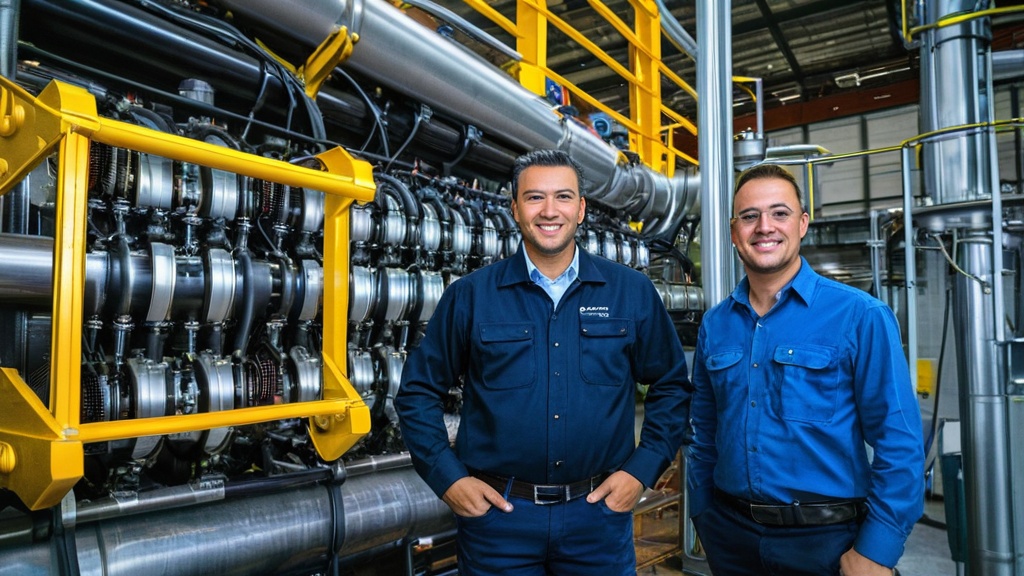
Identifying opportunities for process improvement is a fundamental aspect of a Sr Process Engineer’s role. This involves conducting thorough assessments of current workflows to pinpoint areas where inefficiencies may exist. Techniques such as value stream mapping and root cause analysis can be employed to visualize processes and uncover hidden bottlenecks. By systematically evaluating each step in the workflow, Sr Process Engineers can identify redundancies, delays, or unnecessary complexities that hinder productivity.
Moreover, engaging with frontline employees can provide valuable insights into potential areas for improvement. Those who work directly with processes often have firsthand knowledge of challenges and inefficiencies that may not be immediately apparent to management. By fostering an open dialogue with staff, Sr Process Engineers can gather feedback and suggestions that inform their improvement strategies. This collaborative approach not only enhances the likelihood of successful implementation but also empowers employees by involving them in the decision-making process.
Utilizing Data and Analysis to Drive Efficiency
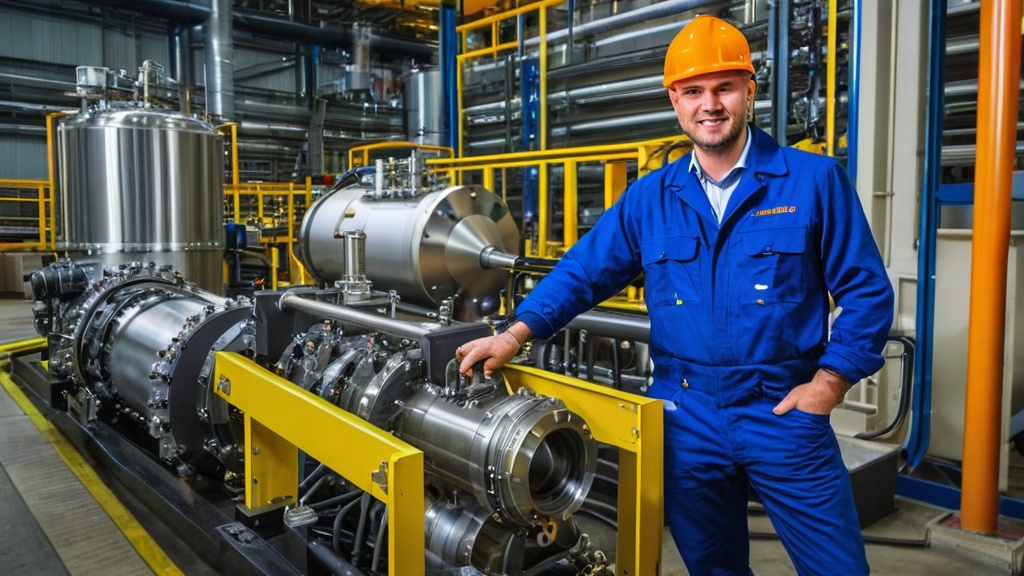
In an era where data is abundant, leveraging analytics is crucial for driving efficiency in process engineering. A Sr Process Engineer must be adept at collecting and analyzing data related to production metrics, cycle times, and resource utilization. By employing statistical tools and software, they can identify trends and patterns that inform their decision-making. For instance, analyzing historical data may reveal correlations between specific variables and production outcomes, allowing engineers to make data-driven adjustments to processes.
Furthermore, predictive analytics can play a significant role in anticipating potential issues before they arise. By utilizing advanced modeling techniques, Sr Process Engineers can forecast performance outcomes based on various scenarios. This proactive approach enables organizations to implement preventive measures that mitigate risks and enhance overall efficiency. Ultimately, harnessing the power of data not only supports informed decision-making but also fosters a culture of continuous improvement within the organization.
As the role of a senior process engineer continues to evolve, staying informed about advancements in technology is crucial.
One significant development is the increasing competition in the AI chip market, which can greatly impact various engineering processes.
For a deeper understanding of this dynamic landscape, you can read more about it in this insightful article on how Google is ramping up its AI chip competition with Nvidia. This information can help senior process engineers adapt their strategies and leverage new technologies effectively. You can find the article here.
Collaboration with Cross-Functional Teams to Implement Process Changes
| Metric | Description | Typical Value/Range | Unit |
|---|---|---|---|
| Process Yield | Percentage of products meeting quality standards after processing | 95 – 99 | % |
| Cycle Time | Time taken to complete one full process cycle | 30 – 120 | minutes |
| Throughput | Number of units processed per hour | 50 – 500 | units/hour |
| Equipment Utilization | Percentage of time equipment is actively used in production | 75 – 90 | % |
| Defect Rate | Percentage of defective units produced | 1 – 5 | % |
| Cost per Unit | Average cost to produce one unit | Varies by industry | unit cost |
| Energy Consumption | Energy used per unit of production | 10 – 50 | kWh/unit |
| Process Safety Incidents | Number of safety incidents per year | 0 – 2 | incidents/year |
| Process Improvement Projects | Number of projects implemented annually | 3 – 10 | projects/year |
Collaboration is a cornerstone of successful process improvement initiatives. A Senior Process Engineer must work closely with cross-functional teams to ensure that proposed changes are feasible and aligned with organizational objectives. This collaboration often involves engaging with stakeholders from various departments, including operations, quality assurance, supply chain management, and finance. By fostering open communication and collaboration among these teams, Sr Process Engineers can facilitate the smooth implementation of process changes.
Additionally, involving cross-functional teams in the decision-making process helps build buy-in and support for new initiatives. When team members from different departments contribute their perspectives and expertise, it leads to more comprehensive solutions that address the needs of the entire organization. This collaborative approach not only enhances the effectiveness of process changes but also promotes a sense of ownership among employees, ultimately leading to greater success in achieving efficiency goals.
As a senior process engineer, staying updated on the latest advancements in technology can significantly enhance your work efficiency and innovation. One interesting article that explores the intersection of artificial intelligence and performance improvement is available at this link. You can read more about it in the context of sim racing and how AI coaching can optimize performance by visiting this article. Understanding these technological trends can provide valuable insights for process optimization in various engineering fields.
Evaluating and Selecting Technology and Equipment for Optimal Efficiency
The selection of technology and equipment is a critical factor in maximizing process efficiency. A Senior Process Engineer must stay informed about the latest advancements in technology that can enhance production capabilities. This involves evaluating various options based on factors such as cost-effectiveness, compatibility with existing systems, and potential for scalability. By conducting thorough assessments of available technologies, Sr Process Engineers can make informed recommendations that align with organizational goals.
Moreover, it is essential for Sr Process Engineers to consider the long-term implications of technology investments. While certain equipment may offer immediate benefits, it is crucial to assess how well it will integrate into existing workflows and whether it can adapt to future needs. By taking a strategic approach to technology selection, Sr Process Engineers can ensure that organizations are equipped with the tools necessary for sustained efficiency improvements.
Developing and Implementing Standard Operating Procedures
Standard Operating Procedures (SOPs) serve as essential guidelines for maintaining consistency and quality in operations. A Senior Process Engineer plays a pivotal role in developing these procedures by documenting best practices and outlining step-by-step instructions for various processes. SOPs not only provide clarity for employees but also serve as valuable training resources for new hires. By establishing clear expectations through SOPs, organizations can minimize variability in performance and enhance overall efficiency.
Implementing SOPs requires careful consideration of employee training and engagement. A Sr Process Engineer must ensure that all team members are adequately trained on new procedures and understand their importance in achieving operational goals. Regular reviews and updates of SOPs are also necessary to reflect changes in processes or technology. By fostering a culture of adherence to SOPs, organizations can create a more efficient work environment where employees are empowered to perform their tasks effectively.
Monitoring and Measuring Key Performance Indicators
Monitoring Key Performance Indicators (KPIs) is essential for assessing the effectiveness of process improvements over time. A Senior Process Engineer must establish relevant KPIs that align with organizational objectives and provide insights into operational performance. These metrics may include production output, cycle times, defect rates, and resource utilization rates. By regularly tracking these indicators, organizations can gain valuable insights into areas where further improvements may be needed.
Furthermore, analyzing KPI data allows Sr Process Engineers to identify trends and patterns that inform future decision-making. For instance, if production output consistently falls short of targets, it may indicate underlying inefficiencies that require further investigation. By leveraging KPI data effectively, organizations can make informed adjustments to processes that drive continuous improvement and enhance overall efficiency.
Identifying and Mitigating Risks to Process Efficiency
Risk management is an integral aspect of process engineering that cannot be overlooked. A Senior Process Engineer must proactively identify potential risks that could hinder process efficiency or lead to operational disruptions. This involves conducting risk assessments to evaluate factors such as equipment reliability, supply chain vulnerabilities, and compliance with regulatory standards. By understanding these risks, organizations can develop strategies to mitigate them effectively.
Moreover, implementing contingency plans is essential for addressing unforeseen challenges that may arise during operations. A Sr Process Engineer should work closely with cross-functional teams to establish protocols for responding to potential disruptions swiftly. By fostering a culture of preparedness and resilience within the organization, Sr Process Engineers can help ensure that operations remain efficient even in the face of unexpected challenges.
Continuous Improvement and Innovation in Process Engineering
Continuous improvement is at the heart of effective process engineering. A Senior Process Engineer must foster a mindset of innovation within the organization by encouraging employees to seek out new ideas and solutions for enhancing efficiency. This may involve implementing methodologies such as Lean or Six Sigma that promote systematic approaches to problem-solving and process optimization. By creating an environment where experimentation is encouraged, organizations can unlock new opportunities for improvement.
Additionally, staying abreast of industry trends and emerging technologies is crucial for driving innovation in process engineering. A Sr Process Engineer should actively seek out opportunities for professional development and knowledge sharing within their field. By attending conferences, participating in workshops, or engaging with industry networks, they can gain insights into best practices that inform their approach to continuous improvement.
The Future of Process Engineering: Adapting to Industry Trends and Technologies
As industries evolve rapidly due to technological advancements and changing market demands, the future of process engineering will require adaptability and foresight. A Senior Process Engineer must remain vigilant in monitoring emerging trends such as automation, artificial intelligence (AI), and digital transformation. These technologies have the potential to revolutionize traditional processes by enhancing efficiency and enabling real-time data analysis.
Moreover, embracing sustainability will play an increasingly important role in process engineering moving forward. Organizations are under growing pressure to minimize their environmental impact while maintaining operational efficiency. A Sr Process Engineer must consider sustainable practices when designing processes and selecting technologies that align with corporate social responsibility goals.
In conclusion, the role of a Senior Process Engineer is multifaceted and critical for maximizing efficiency within organizations. By understanding their responsibilities, identifying opportunities for improvement, leveraging data analysis, collaborating with cross-functional teams, selecting appropriate technologies, developing SOPs, monitoring KPIs, managing risks, fostering continuous improvement, and adapting to industry trends—Sr Process Engineers are poised to drive significant advancements in operational excellence for years to come.
FAQs
What are the primary responsibilities of an SR Process Engineer?
An SR Process Engineer is responsible for designing, implementing, and optimizing industrial processes to improve efficiency, quality, and safety. They analyze workflows, troubleshoot issues, and collaborate with other departments to ensure smooth production operations.
What qualifications are typically required to become an SR Process Engineer?
Typically, a bachelor’s degree in chemical engineering, mechanical engineering, or a related field is required. Relevant work experience in process engineering or manufacturing, along with strong analytical and problem-solving skills, is also important.
What industries commonly employ SR Process Engineers?
SR Process Engineers are commonly employed in industries such as chemical manufacturing, pharmaceuticals, oil and gas, food and beverage production, and automotive manufacturing, where process optimization and quality control are critical.
What tools and software do SR Process Engineers commonly use?
SR Process Engineers often use process simulation software (e.g., Aspen HYSYS, MATLAB), data analysis tools, CAD software for designing equipment layouts, and project management tools to plan and monitor engineering projects.
How does an SR Process Engineer contribute to safety and compliance?
An SR Process Engineer ensures that processes comply with industry regulations and safety standards by conducting risk assessments, implementing control measures, and continuously monitoring process parameters to prevent accidents and environmental hazards.


















Leave a Reply