






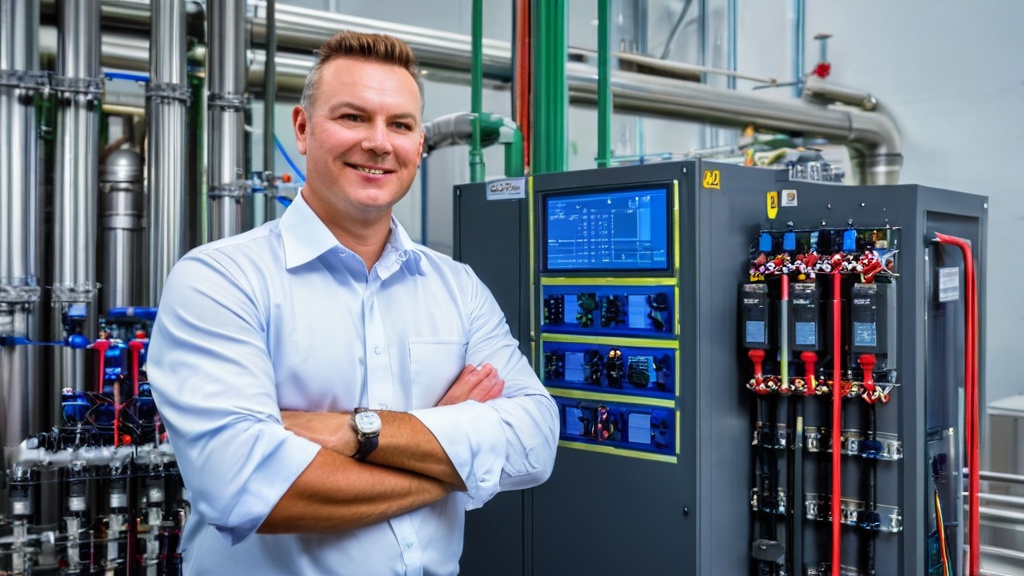
Process control engineering is a vital discipline that focuses on the design, implementation, and optimization of processes in various industries, including manufacturing, chemical production, and energy generation. This field combines principles from engineering, mathematics, and computer science to create systems that can monitor and control industrial processes effectively. The primary goal of process control engineering is to ensure that processes operate at their optimal levels, maintaining quality, safety, and efficiency while minimizing waste and costs. As industries evolve and face increasing competition, the role of process control engineers becomes even more critical in driving innovation and sustainability.
In recent years, the demand for skilled process control engineers has surged as organizations seek to enhance their operational capabilities. With the advent of Industry 4.0 and the integration of smart technologies, process control engineering has transformed into a more dynamic and data-driven field. Engineers are now tasked with not only maintaining existing systems but also implementing advanced technologies that can lead to significant improvements in efficiency and productivity. This article will explore the importance of efficiency in industrial processes, the role of process control engineers, and various strategies for optimizing performance.
Process control engineers play a crucial role in optimizing industrial processes, and understanding the broader implications of technology in their field is essential. A related article that delves into the impact of missed opportunities in the context of artificial intelligence is available at this link: The Impact of Missed Opportunities: Khosla’s Insights on AI’s Overheated Environment. This article provides valuable insights that can help process control engineers navigate the evolving landscape of AI technologies and their applications in process optimization.
Key Takeaways
- Process control engineering is essential for enhancing industrial process efficiency and productivity.
- Process control engineers design and implement systems to optimize operations and reduce waste.
- Advanced control strategies and data analysis are key tools for achieving optimal process performance.
- Collaboration across teams is crucial for identifying bottlenecks and driving continuous process improvements.
- Staying updated with technological advancements ensures long-term efficiency and successful process control outcomes.
The Importance of Efficiency in Industrial Processes
Efficiency in industrial processes is paramount for several reasons. First and foremost, it directly impacts a company’s bottom line. By maximizing efficiency, organizations can reduce operational costs, minimize waste, and increase profitability. In a competitive market, where margins are often thin, even small improvements in efficiency can lead to substantial financial gains. Furthermore, efficient processes contribute to better resource management, allowing companies to utilize their assets more effectively and sustainably.
In addition to financial benefits, efficiency plays a crucial role in meeting regulatory requirements and maintaining product quality. Industries are often subject to stringent regulations that govern safety, environmental impact, and product standards. By optimizing processes, organizations can ensure compliance with these regulations while delivering high-quality products to their customers. Moreover, efficient processes are less prone to errors and defects, which can lead to costly recalls or reputational damage. Therefore, investing in efficiency is not just a matter of improving profitability; it is also essential for long-term sustainability and success.
The Role of a Process Control Engineer in Maximizing Efficiency
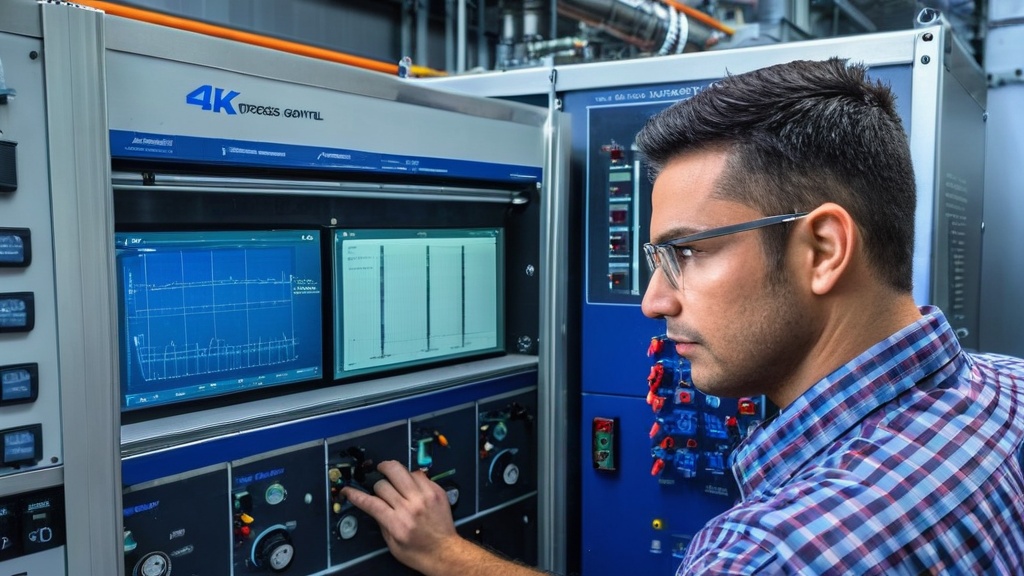
Process control engineers are at the forefront of efforts to maximize efficiency within industrial settings. Their expertise lies in understanding complex systems and applying engineering principles to design control strategies that optimize performance. These professionals are responsible for developing and implementing control systems that monitor various parameters such as temperature, pressure, flow rates, and chemical concentrations.
By ensuring that these parameters remain within specified limits, process control engineers help maintain optimal operating conditions.
In addition to designing control systems, process control engineers also analyze data from these systems to identify trends and areas for improvement. They work closely with other engineering disciplines to develop solutions that enhance process performance. This collaborative approach allows them to leverage diverse expertise and implement innovative strategies that drive efficiency gains. Ultimately, the role of a process control engineer is multifaceted, encompassing system design, data analysis, collaboration, and continuous improvement efforts.
Understanding the Basics of Process Control Systems

To appreciate the significance of process control engineering fully, it is essential to understand the basics of process control systems. At their core, these systems consist of sensors, controllers, actuators, and feedback loops that work together to regulate industrial processes. Sensors collect data on various process variables, while controllers analyze this data and make decisions based on predefined algorithms. Actuators then execute these decisions by adjusting process parameters accordingly.
Feedback loops are a critical component of process control systems as they enable continuous monitoring and adjustment. By comparing the actual performance of a process with its desired setpoint, feedback loops allow for real-time corrections that maintain stability and efficiency. Understanding these fundamental components is crucial for process control engineers as they design systems that can adapt to changing conditions and optimize performance over time.
For process control engineers looking to enhance their skills and career trajectories, understanding the integration of artificial intelligence in their field can be invaluable. A related article that explores this topic in depth is available at how to build an AI coach for 10x career impact. This resource provides insights into leveraging AI technologies to optimize processes and improve decision-making, ultimately leading to significant advancements in engineering practices.
Implementing Advanced Control Strategies for Optimal Efficiency
| Metric | Description | Typical Value/Range | Unit |
|---|---|---|---|
| Process Stability | Measure of how consistently a process operates within set parameters | 95-99 | % |
| Control Loop Response Time | Time taken for a control loop to respond to a disturbance | 0.5-5 | seconds |
| Process Yield | Percentage of products meeting quality standards | 90-99 | % |
| Downtime Reduction | Reduction in process downtime due to control improvements | 10-30 | % |
| Energy Efficiency Improvement | Improvement in energy consumption through process control | 5-15 | % |
| Number of Control Loops Managed | Typical number of control loops a process control engineer oversees | 20-100 | loops |
| Alarm Frequency | Number of alarms triggered per day in the control system | 5-50 | alarms/day |
| Process Variability | Degree of variation in key process parameters | 1-5 | Coefficient of Variation (%) |
As industries strive for greater efficiency, traditional control strategies may no longer suffice. Process control engineers must explore advanced control strategies that leverage modern technologies such as model predictive control (MPC), adaptive control, and fuzzy logic control. These strategies offer enhanced capabilities for managing complex processes with multiple variables and constraints.
Model predictive control is particularly noteworthy as it utilizes mathematical models to predict future behavior based on current data. By anticipating changes in process conditions, MPC can optimize control actions proactively rather than reactively. This approach not only improves efficiency but also enhances product quality by minimizing variations in output. Similarly, adaptive control techniques allow systems to adjust their parameters dynamically based on real-time feedback, ensuring optimal performance even in the face of disturbances or changes in operating conditions.
Utilizing Data Analysis and Process Optimization Techniques
Data analysis is an integral part of process control engineering that enables engineers to identify inefficiencies and optimize processes effectively. By collecting and analyzing data from various sources—such as sensors, historical records, and production logs—engineers can gain valuable insights into process performance. Techniques such as statistical process control (SPC) and root cause analysis (RCA) help identify trends, anomalies, and potential areas for improvement.
Moreover, process optimization techniques such as linear programming and simulation modeling allow engineers to evaluate different scenarios and determine the most efficient operating conditions. These methods enable organizations to make informed decisions about resource allocation, production scheduling, and equipment utilization. By harnessing the power of data analysis and optimization techniques, process control engineers can drive continuous improvement initiatives that lead to significant efficiency gains.
Collaborating with Cross-Functional Teams for Process Improvement
Collaboration is essential for achieving meaningful improvements in industrial processes. Process control engineers must work closely with cross-functional teams that include production managers, quality assurance personnel, maintenance staff, and supply chain experts. This collaborative approach fosters a holistic understanding of the entire production system and allows for the identification of interdependencies between different functions.
By engaging with diverse stakeholders, process control engineers can gather valuable insights into operational challenges and opportunities for improvement. For instance, production managers may provide feedback on workflow bottlenecks, while quality assurance personnel can highlight issues related to product consistency. By integrating these perspectives into their analyses and recommendations, process control engineers can develop more effective solutions that address the root causes of inefficiencies.
Identifying and Resolving Process Bottlenecks
One of the key responsibilities of process control engineers is identifying and resolving bottlenecks within industrial processes. Bottlenecks occur when a particular stage in the production flow limits overall throughput or efficiency. These constraints can arise from various factors such as equipment limitations, inadequate staffing levels, or inefficient workflows.
To address bottlenecks effectively, process control engineers must conduct thorough analyses of the entire production system. Techniques such as value stream mapping can help visualize the flow of materials and information through the process, making it easier to pinpoint areas where delays or inefficiencies occur. Once identified, engineers can implement targeted solutions—such as equipment upgrades or workflow redesigns—to alleviate bottlenecks and enhance overall efficiency.
Monitoring and Maintaining Control Systems for Long-Term Efficiency
The work of a process control engineer does not end with the implementation of control systems; ongoing monitoring and maintenance are crucial for ensuring long-term efficiency. Regular assessments of system performance help identify potential issues before they escalate into significant problems. Engineers must establish key performance indicators (KPIs) that provide insights into system health and operational effectiveness.
Additionally, routine maintenance schedules should be developed to ensure that sensors, controllers, and actuators remain calibrated and functioning optimally. Preventive maintenance practices can significantly reduce downtime and extend the lifespan of equipment—ultimately contributing to sustained efficiency gains over time.
Adapting to Technological Advancements in Process Control Engineering
The field of process control engineering is continually evolving due to rapid technological advancements. Engineers must stay abreast of emerging technologies such as artificial intelligence (AI), machine learning (ML), and the Internet of Things (IoT) that have the potential to revolutionize industrial processes. These technologies offer new opportunities for data collection, analysis, and automation—enabling more sophisticated control strategies.
For instance, AI algorithms can analyze vast amounts of data in real-time to identify patterns and make predictions about future performance. This capability allows for more proactive decision-making and optimization efforts. Similarly, IoT devices can provide continuous monitoring of equipment health and performance metrics—facilitating timely interventions when issues arise.
By embracing these technological advancements, process control engineers can enhance their effectiveness in driving efficiency improvements.
Case Studies and Success Stories in Maximizing Efficiency through Process Control Engineering
Numerous case studies illustrate the transformative impact of process control engineering on industrial efficiency. For example, a leading chemical manufacturer implemented advanced model predictive control strategies that resulted in a 20% reduction in energy consumption while maintaining product quality standards. By leveraging real-time data analytics and predictive modeling techniques, the company was able to optimize its production processes significantly.
Another success story comes from an automotive manufacturer that faced challenges with production delays due to bottlenecks in its assembly line. By employing value stream mapping techniques and collaborating with cross-functional teams, process control engineers identified key areas for improvement. As a result of their efforts—combined with targeted equipment upgrades—the company achieved a 30% increase in throughput within six months.
These case studies highlight the critical role that process control engineering plays in maximizing efficiency across various industries. By implementing innovative strategies and fostering collaboration among stakeholders, organizations can achieve substantial improvements in operational performance while positioning themselves for long-term success in an increasingly competitive landscape.
In conclusion, process control engineering is an essential discipline that drives efficiency improvements across industrial processes. By understanding the fundamentals of process control systems, implementing advanced strategies, utilizing data analysis techniques, collaborating with cross-functional teams, identifying bottlenecks, monitoring systems for long-term performance, adapting to technological advancements, and learning from successful case studies—organizations can unlock significant value from their operations while ensuring sustainability and compliance with regulatory standards.
FAQs
What does a process control engineer do?
A process control engineer designs, implements, and maintains systems that control industrial processes. They ensure that manufacturing operations run efficiently, safely, and within specified parameters by using control systems such as sensors, controllers, and automation software.
What industries employ process control engineers?
Process control engineers are commonly employed in industries such as chemical manufacturing, oil and gas, pharmaceuticals, food and beverage production, power generation, and automotive manufacturing, where precise control of processes is critical.
What skills are essential for a process control engineer?
Key skills include knowledge of control theory, instrumentation, automation systems, programming (e.g., PLCs and SCADA), problem-solving abilities, and a strong understanding of the specific industrial processes they work with.
What educational background is required to become a process control engineer?
Typically, a bachelor’s degree in chemical engineering, electrical engineering, mechanical engineering, or a related field is required. Advanced knowledge in control systems and automation is often gained through specialized courses or certifications.
What are common tools and technologies used by process control engineers?
Process control engineers commonly use programmable logic controllers (PLCs), distributed control systems (DCS), human-machine interfaces (HMI), sensors, actuators, and software platforms for simulation and process optimization.















Leave a Reply