






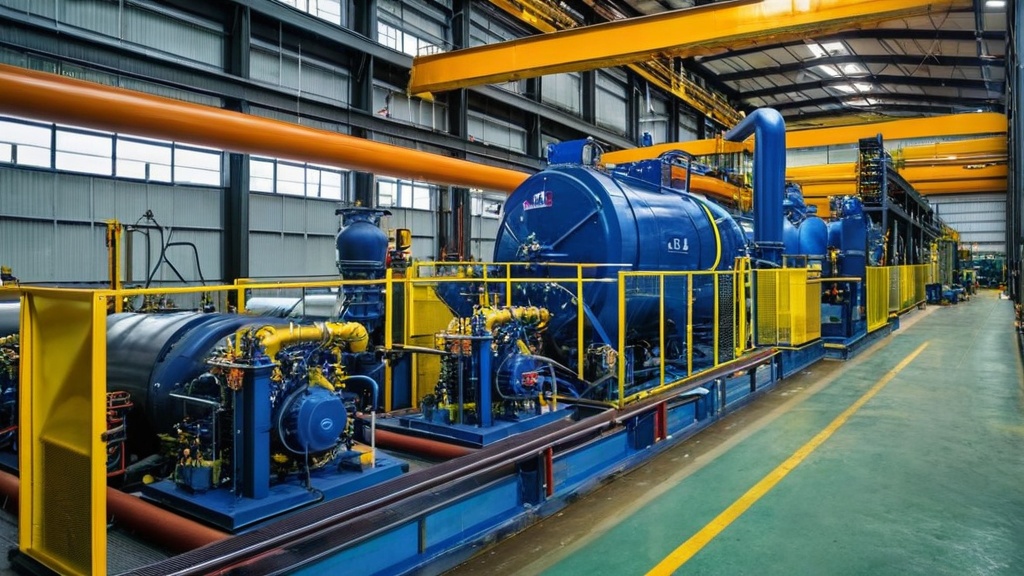
In today’s fast-paced industrial landscape, the role of senior process engineers has become increasingly vital in driving efficiency and productivity. These professionals are not merely tasked with overseeing operations; they are the architects of streamlined processes that can significantly reduce costs and enhance output. Their expertise allows organizations to navigate complex challenges, ensuring that every aspect of production is optimized for maximum performance. As companies face mounting pressure to remain competitive, the contributions of senior process engineers become indispensable in achieving operational excellence.
Moreover, senior process engineers play a crucial role in fostering a culture of continuous improvement within organizations. They are often the catalysts for change, identifying inefficiencies and proposing innovative solutions that can lead to substantial gains in productivity. By leveraging their extensive knowledge and experience, these engineers can implement best practices that not only enhance current processes but also lay the groundwork for future advancements. In essence, their strategic vision and technical acumen are essential for organizations aiming to thrive in an increasingly competitive market.
As a senior process engineer, staying updated on industry trends and technological advancements is crucial for optimizing processes and driving innovation. A related article that explores the significant investments in AI and workforce transformation is available at this link: Metadata Center Investment Driving AI Leadership and Workforce Transformation. This article discusses how a projected $600 billion investment in metadata centers by 2028 is set to revolutionize AI leadership, workforce training, and digital processes, which are all relevant to the role of a senior process engineer.
Key Takeaways
- Senior Process Engineers play a critical role in maximizing operational efficiency through expertise and leadership.
- Key responsibilities include identifying improvement areas, implementing lean and Six Sigma methodologies, and leveraging advanced technologies.
- Collaboration with cross-functional teams and data-driven analysis are essential for optimizing workflows and performance.
- Developing standard operating procedures and mentoring junior engineers ensure consistent and continuous efficiency gains.
- Effective communication of strategies and monitoring their impact helps align process improvements with organizational goals.
Understanding the Role and Responsibilities of a Senior Process Engineer
The responsibilities of a senior process engineer extend far beyond the confines of traditional engineering tasks. These professionals are tasked with analyzing existing processes, identifying bottlenecks, and developing strategies to enhance efficiency. They must possess a deep understanding of both the technical aspects of engineering and the broader business implications of their work. This dual focus enables them to align engineering initiatives with organizational goals, ensuring that improvements translate into tangible benefits for the company.
In addition to technical expertise, senior process engineers must also exhibit strong leadership qualities. They often lead cross-functional teams, guiding junior engineers and collaborating with other departments to implement process improvements. This requires not only technical knowledge but also excellent communication skills and the ability to foster collaboration among diverse stakeholders. By effectively managing these relationships, senior process engineers can drive initiatives that lead to significant enhancements in operational efficiency.
Identifying Key Areas for Efficiency Improvement in Process Engineering
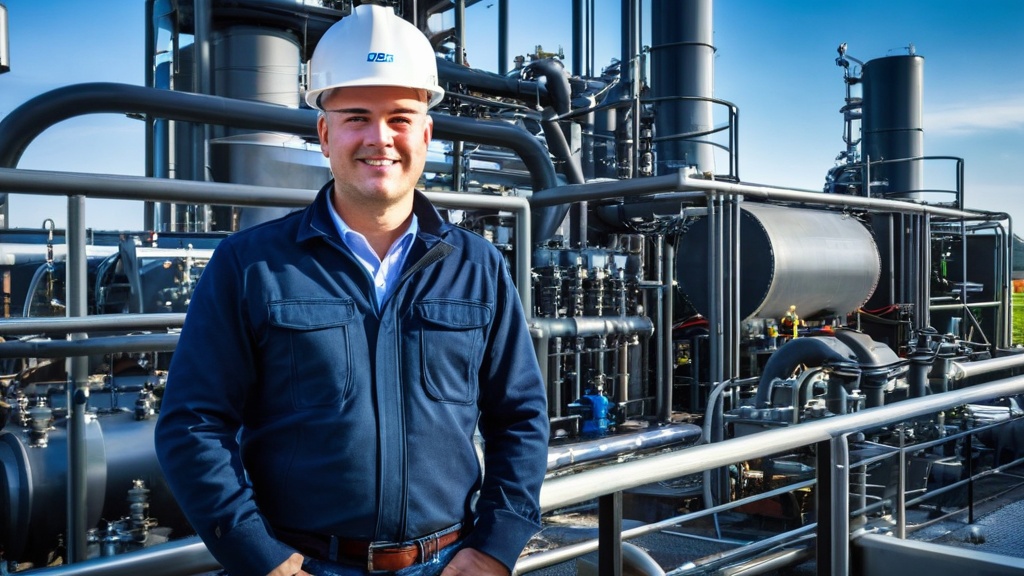
To maximize efficiency, senior process engineers must first identify key areas within existing processes that require improvement. This involves conducting thorough assessments of workflows, equipment utilization, and resource allocation. By analyzing these elements, engineers can pinpoint inefficiencies that may be hindering productivity. For instance, they may discover that certain machinery is underutilized or that specific workflows are causing unnecessary delays.
Furthermore, it is essential for senior process engineers to engage with frontline employees who are intimately familiar with day-to-day operations. These individuals often have valuable insights into potential inefficiencies that may not be immediately apparent through data analysis alone. By fostering an open dialogue with staff, senior process engineers can gather critical information that informs their improvement strategies. This collaborative approach not only enhances the accuracy of their assessments but also promotes a sense of ownership among employees, increasing the likelihood of successful implementation.
Implementing Lean Principles and Six Sigma Methodologies in Process Engineering

One of the most effective ways to enhance efficiency in process engineering is through the implementation of Lean principles and Six Sigma methodologies. Lean focuses on eliminating waste and optimizing processes by streamlining workflows and reducing unnecessary steps. By adopting Lean practices, senior process engineers can create more efficient systems that deliver value to customers while minimizing costs.
On the other hand, Six Sigma emphasizes data-driven decision-making and aims to reduce variability in processes. By utilizing statistical analysis and rigorous testing, senior process engineers can identify root causes of inefficiencies and implement targeted solutions. The combination of Lean and Six Sigma provides a powerful framework for continuous improvement, enabling organizations to achieve higher levels of efficiency and quality in their operations.
As the role of a senior process engineer continues to evolve, staying informed about advancements in technology is crucial. For instance, the recent article on NVIDIA’s AI dominance highlights how innovations in artificial intelligence are reshaping various industries, including manufacturing and engineering. This shift presents both challenges and opportunities for process engineers who must adapt to new tools and methodologies. To explore this topic further, you can read the article here.
Utilizing Advanced Technology and Automation to Streamline Processes
| Metric | Description | Typical Value / Range | Unit |
|---|---|---|---|
| Years of Experience | Average professional experience required | 7 – 15 | Years |
| Process Improvement Projects Led | Number of projects led to improve manufacturing processes | 5 – 20 | Projects |
| Cost Reduction Achieved | Percentage reduction in operational costs through process optimization | 5 – 25 | % |
| Process Efficiency Increase | Improvement in process efficiency due to engineering interventions | 10 – 30 | % |
| Safety Incident Reduction | Decrease in safety incidents after process changes | 15 – 50 | % |
| Team Size Managed | Number of engineers and technicians supervised | 3 – 10 | People |
| Project Budget Managed | Typical budget responsibility for process improvement projects | 100,000 – 1,000,000 | Units |
| Process Cycle Time Reduction | Reduction in time taken to complete a process cycle | 10 – 40 | % |
| Training Hours Delivered | Number of hours spent training junior engineers or operators | 20 – 100 | Hours/year |
| Compliance Rate | Adherence to regulatory and quality standards | 95 – 100 | % |
In an era where technology is rapidly evolving, senior process engineers must leverage advanced tools and automation to streamline processes effectively. Automation can significantly reduce manual labor, minimize errors, and enhance overall productivity. By integrating automated systems into existing workflows, engineers can free up valuable time for employees to focus on more strategic tasks that require human insight and creativity.
Moreover, advanced technologies such as artificial intelligence (AI) and machine learning (ML) can provide valuable insights into process performance. These tools can analyze vast amounts of data in real-time, identifying patterns and trends that may not be visible through traditional analysis methods. By harnessing these technologies, senior process engineers can make informed decisions that drive efficiency improvements and position their organizations for long-term success.
Collaborating with Cross-Functional Teams to Optimize Workflows
Collaboration is a cornerstone of effective process engineering. Senior process engineers must work closely with cross-functional teams to optimize workflows across various departments. This collaboration ensures that all aspects of the organization are aligned toward common goals, facilitating smoother operations and reducing silos that can hinder efficiency.
By engaging with teams from production, quality assurance, supply chain management, and other areas, senior process engineers can gain a holistic understanding of how different functions interact within the organization. This comprehensive perspective allows them to identify opportunities for improvement that may span multiple departments. Additionally, fostering collaboration encourages knowledge sharing and innovation, leading to more effective solutions that enhance overall efficiency.
Analyzing Data and Performance Metrics to Identify Opportunities for Improvement
Data analysis is a critical component of process engineering, enabling senior engineers to identify opportunities for improvement based on performance metrics. By collecting and analyzing data related to production rates, cycle times, defect rates, and other key performance indicators (KPIs), engineers can gain valuable insights into how processes are functioning.
This data-driven approach allows senior process engineers to make informed decisions about where to focus their improvement efforts. For example, if data reveals a high defect rate in a particular product line, engineers can investigate the underlying causes and implement targeted solutions to address the issue. By continuously monitoring performance metrics, they can track the effectiveness of their initiatives and make adjustments as needed to ensure ongoing improvements.
Developing and Implementing Standard Operating Procedures for Consistency and Efficiency
Standard Operating Procedures (SOPs) are essential for ensuring consistency and efficiency in process engineering. Senior process engineers must develop clear and comprehensive SOPs that outline best practices for various tasks and processes within the organization. These documents serve as valuable resources for employees, providing guidance on how to perform tasks correctly and efficiently.
Implementing SOPs not only enhances consistency but also reduces variability in processes, which is crucial for maintaining quality standards. When employees have clear instructions to follow, they are less likely to make errors or deviate from established protocols. Additionally, SOPs facilitate training for new employees, ensuring that they quickly become proficient in their roles while adhering to best practices.
Training and Mentoring Junior Engineers to Continuously Improve Process Efficiency
The development of junior engineers is a critical aspect of maximizing efficiency in process engineering. Senior process engineers must take on mentoring roles, providing guidance and support to less experienced team members. By sharing their knowledge and expertise, they can help junior engineers develop the skills necessary to identify inefficiencies and implement effective solutions.
Training programs should be designed to foster a culture of continuous improvement within the organization. This includes not only technical training but also education on Lean principles, Six Sigma methodologies, and data analysis techniques. By equipping junior engineers with these tools, senior process engineers can ensure that the entire team is aligned in their efforts to enhance efficiency.
Communicating and Presenting Efficiency Improvement Strategies to Management
Effective communication is essential when it comes to presenting efficiency improvement strategies to management. Senior process engineers must be able to articulate the rationale behind their proposed initiatives clearly and persuasively. This involves not only presenting data-driven insights but also framing improvements in terms of their potential impact on the organization’s bottom line.
When communicating with management, it is important for senior process engineers to highlight the long-term benefits of their proposed strategies. This includes demonstrating how improvements can lead to cost savings, increased productivity, enhanced quality, and ultimately a stronger competitive position in the market. By effectively conveying these messages, they can secure buy-in from leadership and ensure that necessary resources are allocated for implementation.
Measuring and Monitoring the Impact of Process Engineering Efforts on Overall Efficiency
Finally, measuring and monitoring the impact of process engineering efforts is crucial for assessing their effectiveness over time. Senior process engineers must establish metrics that allow them to evaluate the success of their initiatives continuously. This includes tracking improvements in KPIs such as production rates, defect rates, cycle times, and overall operational costs.
Regularly reviewing these metrics enables senior process engineers to identify trends and make data-driven decisions about future improvement efforts. It also provides an opportunity to celebrate successes with the team and recognize contributions from all members involved in the process engineering initiatives. By fostering a culture of accountability and continuous improvement, organizations can ensure that they remain agile and responsive in an ever-changing business environment.
In conclusion, senior process engineers play a pivotal role in maximizing efficiency within organizations by leveraging their expertise in identifying inefficiencies, implementing best practices, collaborating across teams, utilizing advanced technology, training junior staff, communicating effectively with management, and continuously monitoring performance metrics. Their contributions are essential for driving operational excellence and ensuring long-term success in an increasingly competitive landscape.
FAQs
What are the primary responsibilities of a senior process engineer?
A senior process engineer is responsible for designing, implementing, and optimizing industrial processes to improve efficiency, quality, and safety. They oversee process development, troubleshoot issues, and ensure compliance with industry standards.
What qualifications are typically required to become a senior process engineer?
Typically, a senior process engineer holds a bachelor’s degree in chemical, mechanical, or industrial engineering, along with several years of relevant work experience. Advanced degrees or certifications in process engineering or project management can be advantageous.
What industries commonly employ senior process engineers?
Senior process engineers are commonly employed in industries such as chemical manufacturing, pharmaceuticals, oil and gas, food and beverage production, and automotive manufacturing, where process optimization is critical.
What skills are essential for a senior process engineer?
Key skills include strong analytical and problem-solving abilities, proficiency in process simulation software, knowledge of safety and environmental regulations, project management capabilities, and effective communication skills.
How does a senior process engineer contribute to sustainability efforts?
Senior process engineers contribute to sustainability by developing processes that reduce waste, minimize energy consumption, and lower emissions. They implement environmentally friendly technologies and ensure compliance with environmental regulations.
















Leave a Reply