






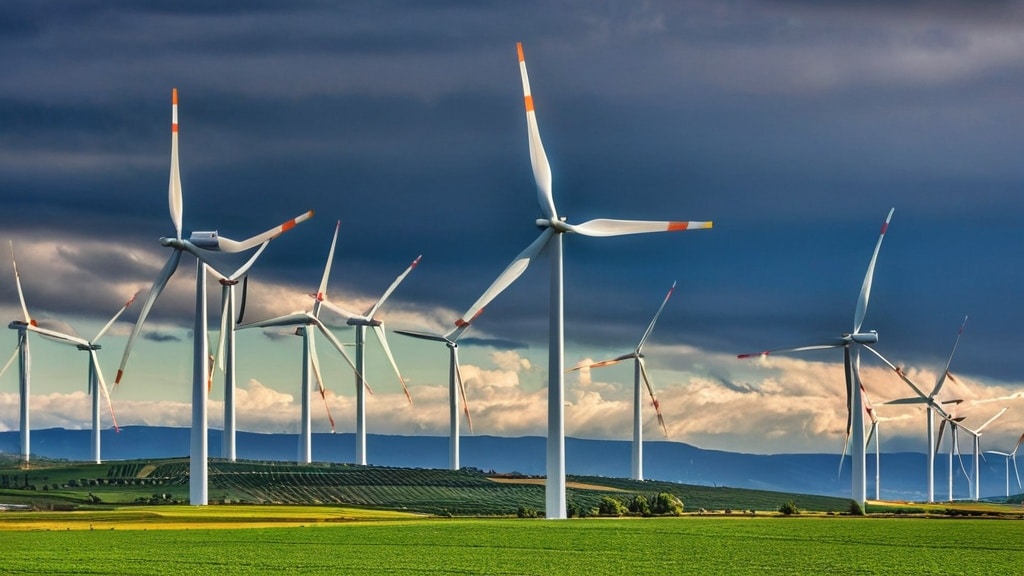
Wind power has emerged as one of the most promising renewable energy sources in recent decades, gaining traction as a viable alternative to fossil fuels. The global shift towards sustainable energy solutions has been driven by the urgent need to combat climate change and reduce greenhouse gas emissions. As countries around the world strive to meet their energy demands while minimizing environmental impact, wind energy has become a focal point in the transition to a cleaner energy landscape.
The rise of wind power is not merely a trend; it represents a fundamental change in how we think about energy production and consumption. The growth of wind power can be attributed to several factors, including technological advancements, government incentives, and increasing public awareness of environmental issues. Wind turbines have become more efficient and cost-effective, making them an attractive option for both large-scale energy producers and smaller, community-based projects.
As the technology continues to evolve, the capacity for harnessing wind energy has expanded significantly, allowing for greater contributions to national grids and local energy needs alike. This evolution marks a pivotal moment in the global energy sector, where wind power is no longer seen as a niche player but as a cornerstone of future energy strategies.
Key Takeaways
- Wind power is rapidly expanding, with offshore wind farms opening new opportunities for energy generation.
- Innovative turbine designs and AI integration are enhancing efficiency and performance.
- Energy storage solutions are critical for managing wind power’s variability.
- Community-based projects and developing countries are increasingly adopting wind energy.
- Wind power contributes significantly to environmental sustainability and economic growth.
Offshore Wind Farms: A New Frontier
Offshore wind farms represent a new frontier in the wind power industry, offering vast potential for energy generation beyond what is possible on land. These installations take advantage of stronger and more consistent winds found over oceans and large bodies of water, allowing for the production of significant amounts of electricity. The development of offshore wind farms has gained momentum in recent years, with countries like Denmark, the United Kingdom, and Germany leading the charge in harnessing this untapped resource.
The expansive nature of offshore wind energy not only promises to meet growing energy demands but also contributes to energy security and diversification. The construction of offshore wind farms comes with its own set of challenges, including higher costs and complex logistics. However, advancements in technology and engineering have made these projects increasingly feasible.
Floating wind turbines, for instance, are being developed to allow for installations in deeper waters where traditional fixed-bottom turbines cannot be deployed. This innovation opens up new areas for exploration and development, significantly increasing the potential for offshore wind energy generation. As investment continues to flow into this sector, offshore wind farms are poised to play a crucial role in the global transition to renewable energy.
The Advantages of Wind Energy
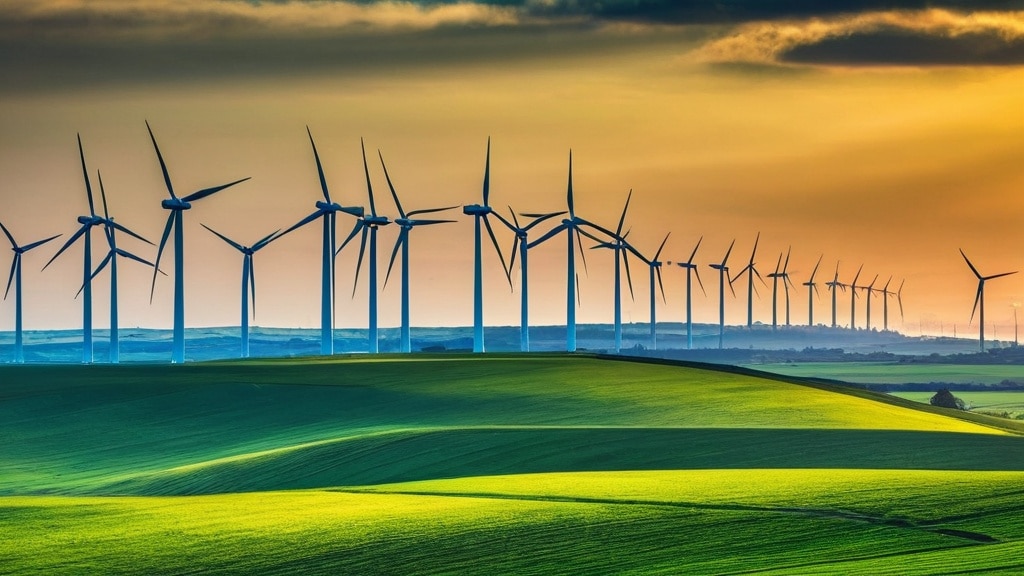
Wind energy offers numerous advantages that make it an attractive option for meeting the world’s energy needs. One of the most significant benefits is its sustainability; wind is an inexhaustible resource that can be harnessed without depleting natural reserves. Unlike fossil fuels, which contribute to air pollution and climate change, wind power generates clean electricity with minimal environmental impact.
This characteristic aligns perfectly with global efforts to reduce carbon emissions and combat climate change, making wind energy a key player in achieving sustainability goals. In addition to its environmental benefits, wind energy also provides economic advantages. The wind power sector has created thousands of jobs in manufacturing, installation, and maintenance, contributing to local economies and fostering innovation.
Furthermore, the cost of wind energy has plummeted over the past decade due to technological advancements and economies of scale. As a result, wind power is now one of the most cost-effective sources of electricity generation available. This combination of environmental sustainability and economic viability positions wind energy as a critical component of a resilient and sustainable energy future.
Innovative Wind Turbine Designs
The evolution of wind turbine designs has been instrumental in enhancing the efficiency and effectiveness of wind power generation. Traditional turbine designs have undergone significant improvements, leading to larger blades and taller towers that can capture more wind energy. These innovations have resulted in increased capacity factors, allowing turbines to generate more electricity even at lower wind speeds.
Additionally, advancements in materials science have led to lighter and more durable components that can withstand harsh environmental conditions. Moreover, innovative designs such as vertical-axis wind turbines (VAWTs) are gaining attention for their unique advantages. Unlike traditional horizontal-axis turbines, VAWTs can capture wind from any direction, making them suitable for urban environments where wind patterns may be unpredictable.
These designs also tend to have a smaller footprint, allowing for easier integration into existing landscapes. As research and development continue in this field, we can expect even more groundbreaking designs that will further enhance the efficiency and accessibility of wind power.
Wind Energy Storage Solutions
| Project Name | Location | Capacity (MW) | Number of Turbines | Annual Energy Production (GWh) | Commissioning Year | Project Type |
|---|---|---|---|---|---|---|
| Windy Plains | Texas, USA | 150 | 75 | 450 | 2021 | Onshore |
| Ocean Breeze | North Sea, UK | 300 | 50 | 1200 | 2023 | Offshore |
| Desert Wind | California, USA | 200 | 100 | 600 | 2020 | Onshore |
| Coastal Gust | Victoria, Australia | 180 | 60 | 540 | 2022 | Onshore |
| Arctic Wind Farm | Norway | 250 | 40 | 1000 | 2024 | Offshore |
One of the primary challenges facing the widespread adoption of wind energy is its intermittent nature; wind does not blow consistently throughout the day or year. To address this issue, effective energy storage solutions are essential for ensuring a reliable supply of electricity from wind farms. Various technologies are being explored to store excess energy generated during peak production times for use during periods of low wind activity.
Battery storage systems have gained popularity due to their ability to provide quick response times and scalability. In addition to batteries, other storage methods such as pumped hydro storage and compressed air energy storage (CAES) are being utilized to complement wind power generation. Pumped hydro storage involves using excess electricity to pump water uphill into reservoirs; when demand increases or wind generation decreases, the stored water is released to generate electricity.
CAES operates on a similar principle but uses compressed air instead of water. These innovative storage solutions are crucial for creating a stable and reliable energy grid that can accommodate the variable nature of wind power.
The Role of Artificial Intelligence in Wind Power
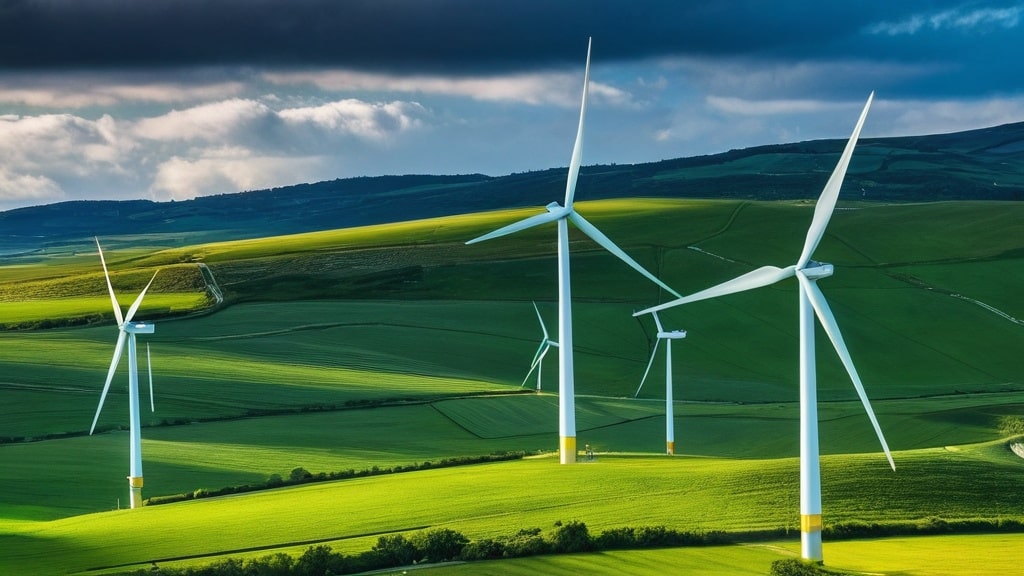
Artificial intelligence (AI) is playing an increasingly vital role in optimizing wind power generation and management. By leveraging advanced algorithms and machine learning techniques, AI can analyze vast amounts of data collected from wind farms to improve operational efficiency and predict maintenance needs. This predictive maintenance capability allows operators to address potential issues before they lead to costly downtime or equipment failure, ultimately enhancing the reliability of wind power systems.
Furthermore, AI can optimize turbine performance by analyzing real-time weather data and adjusting operational parameters accordingly. This dynamic approach enables turbines to operate at peak efficiency under varying conditions, maximizing energy output while minimizing wear and tear on equipment. As AI technology continues to advance, its integration into the wind power sector will likely lead to even greater efficiencies and innovations that will drive the industry forward.
Community-Based Wind Projects
Community-based wind projects are gaining traction as a means of democratizing access to renewable energy while fostering local engagement and investment. These initiatives empower communities to take control of their energy production by developing small- to medium-sized wind farms that serve local needs. By involving residents in the planning and decision-making processes, community-based projects can build trust and support among stakeholders while promoting awareness about the benefits of renewable energy.
Moreover, community-based wind projects often provide economic benefits directly to local residents through job creation and revenue sharing models. By keeping profits within the community, these projects can stimulate local economies and support sustainable development initiatives. As more communities recognize the potential of wind power, we can expect an increase in grassroots efforts that prioritize local needs while contributing to broader renewable energy goals.
Wind Power in Developing Countries
Wind power holds significant promise for developing countries seeking sustainable solutions to their growing energy demands. Many regions with abundant wind resources lack access to reliable electricity infrastructure; harnessing wind energy can provide a cost-effective means of addressing this gap while promoting economic development.
Additionally, international partnerships and investments can facilitate the growth of wind power in these regions by providing technical expertise and financial resources. Organizations focused on renewable energy development are increasingly recognizing the potential for wind power in emerging markets, leading to collaborative efforts that support local capacity building and technology transfer. As these initiatives gain momentum, we can expect significant advancements in renewable energy access that will improve quality of life for millions while contributing to global sustainability efforts.
The Future of Wind Power: Technological Advancements
The future of wind power is bright, with ongoing technological advancements poised to revolutionize the industry further. Innovations such as larger turbines with increased capacity are already being deployed, allowing for greater electricity generation from fewer installations. Additionally, advancements in digital technologies are enabling more sophisticated monitoring and control systems that enhance operational efficiency and reduce costs.
Emerging technologies such as airborne wind turbines and kite-based systems are also being explored as potential game-changers in harnessing high-altitude winds that are typically untapped by traditional turbines. These innovations could significantly expand the potential for wind energy generation while reducing land use impacts associated with conventional installations. As research continues and investment flows into these new technologies, we can anticipate a future where wind power plays an even more dominant role in global energy production.
Wind Power and Environmental Sustainability
Wind power stands out as one of the most environmentally sustainable forms of energy generation available today. By harnessing natural forces without depleting resources or emitting harmful pollutants, it contributes significantly to reducing carbon footprints on both local and global scales.
Moreover, as countries strive towards achieving their climate goals outlined in international agreements such as the Paris Accord, expanding renewable energy sources like wind power becomes essential for mitigating climate change impacts. By investing in sustainable practices within the industry—such as responsible sourcing of materials and recycling old turbine components—wind power can further enhance its positive environmental contributions while setting an example for other sectors.
The Economic Impact of Wind Energy
The economic impact of wind energy extends far beyond job creation; it also encompasses broader benefits such as reduced electricity costs for consumers and increased energy independence for nations reliant on imported fossil fuels. As technology advances and economies of scale are realized within the industry, the cost-effectiveness of wind power continues to improve—making it one of the most competitive sources of electricity available today. Furthermore, investments in renewable energy infrastructure stimulate local economies by creating jobs across various sectors—from manufacturing components like turbine blades to installation and maintenance services.
As communities embrace this transition towards cleaner sources of energy production, they not only contribute positively towards environmental sustainability but also foster economic resilience that supports long-term growth prospects within their regions. In conclusion, the rise of wind power represents a transformative shift towards sustainable energy solutions that address pressing global challenges such as climate change while promoting economic development opportunities across diverse communities worldwide. With continued innovation driving advancements within this sector—from offshore installations harnessing untapped resources to community-based projects empowering local stakeholders—the future looks promising for harnessing one of nature’s most abundant resources: the wind.
Wind energy projects are becoming increasingly vital in the transition to sustainable energy sources. As organizations look to harness the power of wind, understanding the technological advancements that can support these initiatives is crucial. For instance, the article on NVIDIA’s AI dominance discusses how artificial intelligence can enhance various sectors, including renewable energy. You can read more about it in the article here.
FAQs
What are wind projects?
Wind projects refer to initiatives or developments that involve the construction and operation of wind turbines to generate electricity from wind energy. These projects can range from small-scale installations to large wind farms.
How do wind projects generate electricity?
Wind projects generate electricity by using wind turbines that convert the kinetic energy of wind into mechanical energy. This mechanical energy is then transformed into electrical energy through a generator inside the turbine.
What are the main components of a wind project?
The main components of a wind project include wind turbines, towers, electrical infrastructure (such as transformers and substations), and sometimes energy storage systems. Additionally, access roads and control systems are part of the project infrastructure.
Where are wind projects typically located?
Wind projects are typically located in areas with consistent and strong wind speeds, such as coastal regions, open plains, hilltops, and offshore locations. Site selection is crucial for maximizing energy production.
What are the environmental benefits of wind projects?
Wind projects produce clean, renewable energy that reduces reliance on fossil fuels, lowers greenhouse gas emissions, and decreases air pollution. They also have a relatively small land footprint compared to other energy sources.
Are there any challenges associated with wind projects?
Challenges include intermittency of wind, potential impacts on wildlife (such as birds and bats), noise concerns, visual impact, and the need for suitable grid infrastructure to handle variable power generation.
How long does it take to develop a wind project?
The development timeline for a wind project can vary but typically ranges from 2 to 5 years. This includes site assessment, permitting, financing, construction, and commissioning.
What is the typical lifespan of a wind project?
Wind projects generally have a lifespan of 20 to 25 years, after which turbines may be repowered, upgraded, or decommissioned.
Can wind projects be combined with other renewable energy sources?
Yes, wind projects can be integrated with solar power, energy storage, and other renewable technologies to create hybrid systems that improve reliability and grid stability.
Who owns and operates wind projects?
Wind projects can be owned and operated by utility companies, independent power producers, government entities, or community cooperatives. Ownership structures vary depending on the project and region.


















Leave a Reply