






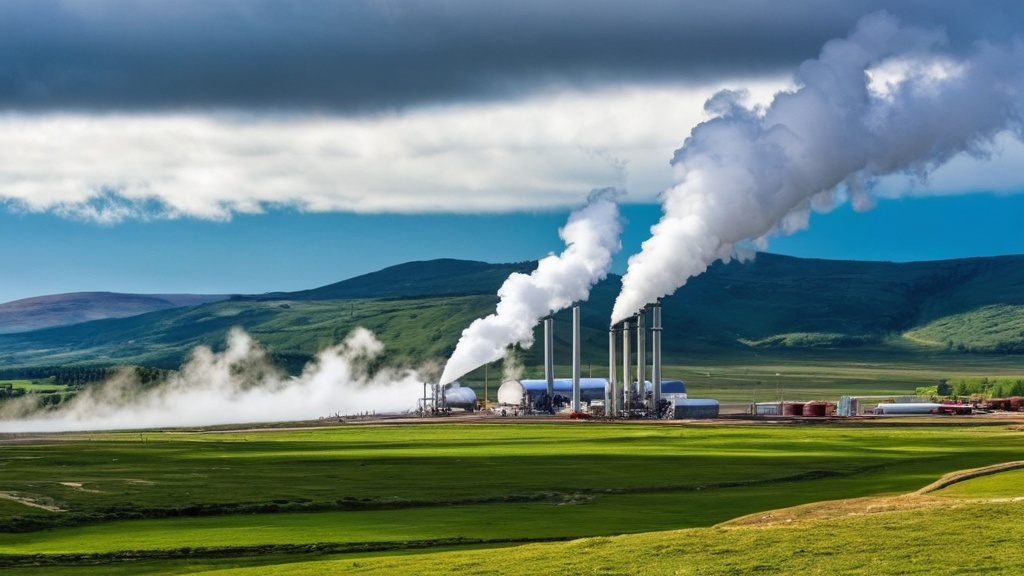
Geothermal energy, derived from the Earth’s internal heat, is a powerful and sustainable energy source that has been harnessed for centuries. This form of energy is generated from the natural heat stored beneath the Earth’s surface, which can be found in the form of steam or hot water. As the world grapples with the pressing need for cleaner energy alternatives, geothermal energy emerges as a viable solution that not only addresses energy demands but also contributes to environmental sustainability. With its ability to provide a consistent and reliable power supply, geothermal energy is gaining traction as a key player in the global transition towards renewable energy sources.
The increasing urgency to combat climate change and reduce reliance on fossil fuels has led to a renewed interest in geothermal energy. Countries around the world are beginning to recognize the potential of this resource, investing in research and development to unlock its full capabilities. As technology advances and awareness grows, geothermal energy stands poised to play a significant role in shaping the future of energy production, offering a clean, efficient, and sustainable alternative to traditional energy sources.
Geothermal energy presents numerous advantages, making it an increasingly attractive option for sustainable energy solutions. One of the key benefits is its ability to provide a consistent and reliable source of power, as geothermal plants can operate continuously, unlike some renewable sources that are dependent on weather conditions. Additionally, geothermal energy has a low environmental impact, producing minimal greenhouse gas emissions compared to fossil fuels. For a deeper understanding of strategic considerations in energy management, you may find the article on crafting an effective AI strategy insightful, as it discusses innovative approaches that can complement the development of renewable energy sources, including geothermal. You can read more about it here: Crafting an Effective AI Strategy: Key Considerations.
Key Takeaways
- Geothermal energy harnesses heat from the Earth, offering a sustainable and renewable power source.
- It significantly reduces greenhouse gas emissions compared to fossil fuels.
- Geothermal energy supports energy independence by providing a stable, local energy supply.
- The sector offers economic benefits including job creation and low operating costs.
- Its reliability and consistency make geothermal a promising component of future energy systems.
The Science Behind Geothermal Energy
At its core, geothermal energy is rooted in the science of thermodynamics and geology. The Earth’s core generates immense heat, which radiates outward towards the surface. This heat can be harnessed through various methods, primarily through geothermal power plants that convert steam or hot water into electricity. The process begins with drilling deep into the Earth’s crust to access geothermal reservoirs, where temperatures can reach several hundred degrees Celsius. Once accessed, this steam or hot water is brought to the surface and used to drive turbines that generate electricity.
There are several types of geothermal power plants, including dry steam, flash steam, and binary cycle plants, each utilizing different methods to convert geothermal energy into usable power.
Dry steam plants use steam directly from geothermal reservoirs to turn turbines, while flash steam plants extract high-pressure hot water from the ground and allow it to “flash” into steam as it rises.
Binary cycle plants, on the other hand, transfer heat from geothermal water to a secondary fluid with a lower boiling point, which then vaporizes and drives the turbine. This diversity in technology allows for flexibility in harnessing geothermal energy across various geological settings.
The Environmental Benefits of Geothermal Energy
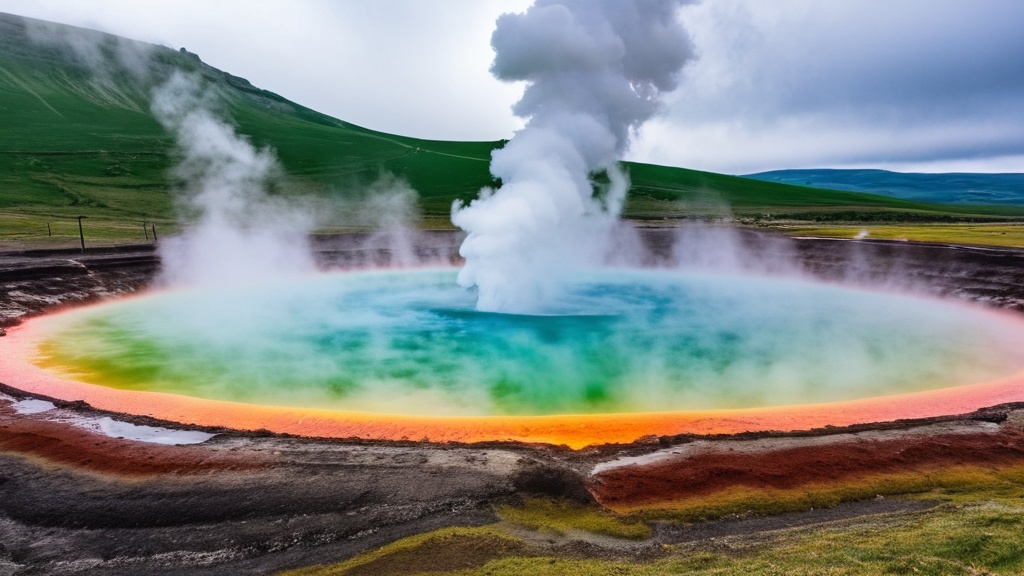
One of the most compelling advantages of geothermal energy is its minimal environmental impact compared to fossil fuels. Unlike coal or natural gas, geothermal power generation produces negligible greenhouse gas emissions, making it an environmentally friendly alternative. The process of harnessing geothermal energy does not involve combustion, which is a significant contributor to air pollution and climate change. As a result, transitioning to geothermal energy can significantly reduce a region’s carbon footprint and contribute to global efforts aimed at mitigating climate change.
Moreover, geothermal energy has a small land footprint compared to other renewable sources like wind or solar. Geothermal power plants require less land area for installation, allowing for more efficient use of space while minimizing disruption to local ecosystems. Additionally, once a geothermal plant is operational, it can provide a continuous supply of energy without depleting natural resources. This sustainability aspect ensures that geothermal energy can be harnessed for generations without causing long-term damage to the environment.
Economic Advantages of Geothermal Energy
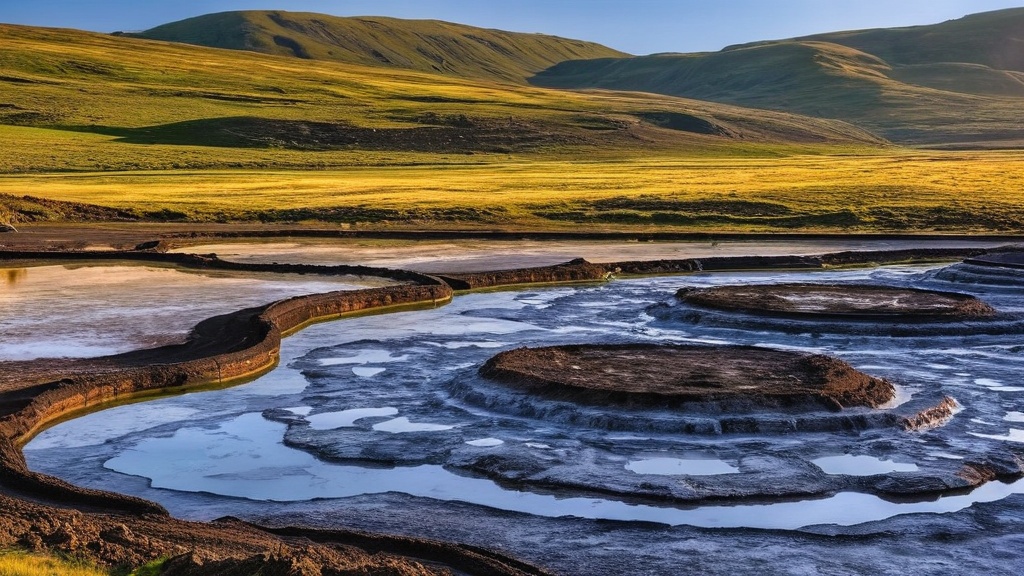
The economic benefits of geothermal energy are substantial and multifaceted. First and foremost, geothermal energy provides a stable and predictable source of electricity, which can help stabilize energy prices in regions that rely heavily on imported fossil fuels. By investing in geothermal infrastructure, countries can reduce their dependence on volatile global energy markets and enhance their energy security. This stability not only benefits consumers but also encourages investment in local economies.
Furthermore, the initial investment in geothermal projects can yield significant long-term savings. While the upfront costs associated with drilling and plant construction can be high, the operational costs are relatively low compared to fossil fuel plants. Geothermal plants have long lifespans and require minimal maintenance, leading to lower overall costs over time. Additionally, as technology continues to advance and become more efficient, these costs are expected to decrease further, making geothermal energy an increasingly attractive option for both public and private sectors.
Geothermal energy offers numerous advantages, including sustainability, low emissions, and reliability as a renewable resource. As countries seek cleaner energy solutions, the benefits of harnessing the Earth’s natural heat become increasingly apparent. For a deeper understanding of how innovative technologies can enhance energy efficiency and sustainability, you might find this article on AI strategies insightful. It discusses various approaches that can transform business operations, which can also be applied to the energy sector. You can read more about it here.
Geothermal Energy as a Renewable Resource
| Pros of Geothermal Energy | Description | Metric/Value |
|---|---|---|
| Renewable Resource | Geothermal energy is sustainable and continuously replenished by the Earth’s heat. | Unlimited as long as the Earth exists |
| Low Greenhouse Gas Emissions | Produces minimal carbon dioxide compared to fossil fuels. | Approximately 5% of CO2 emissions compared to coal plants |
| High Capacity Factor | Geothermal plants operate continuously, providing reliable base-load power. | Up to 90-95% capacity factor |
| Small Land Footprint | Requires less land area compared to solar or wind farms for equivalent power output. | Less than 1 acre per megawatt |
| Low Operating Costs | Once established, geothermal plants have low maintenance and fuel costs. | Operating costs typically 10-20% of initial investment annually |
| Energy Independence | Reduces reliance on imported fuels by utilizing local geothermal resources. | Varies by region |
| Direct Use Applications | Geothermal heat can be used directly for heating buildings, agriculture, and industry. | Efficiency up to 70-90% for direct heating |
Geothermal energy is classified as a renewable resource due to its ability to regenerate naturally over time. Unlike fossil fuels that take millions of years to form and are finite in nature, geothermal reservoirs can be replenished through natural processes such as rainwater infiltration and heat exchange from the Earth’s core. This characteristic ensures that geothermal energy can be harnessed sustainably without depleting resources or causing environmental degradation.
The renewable nature of geothermal energy also aligns with global efforts to transition towards sustainable energy systems. As countries commit to reducing their carbon emissions and increasing their reliance on renewable sources, geothermal energy presents an opportunity to diversify their energy portfolios. By integrating geothermal power into their energy mix, nations can enhance their resilience against climate change while ensuring a reliable supply of electricity for their populations.
Geothermal Energy’s Role in Reducing Greenhouse Gas Emissions
The role of geothermal energy in reducing greenhouse gas emissions cannot be overstated. As one of the cleanest forms of energy available today, it offers a viable solution for countries striving to meet their climate goals. By replacing fossil fuel-based power generation with geothermal energy, significant reductions in carbon dioxide and other harmful emissions can be achieved. This transition is crucial for limiting global warming and mitigating the adverse effects of climate change.
In addition to direct emissions reductions from power generation, geothermal energy also contributes to broader environmental benefits by promoting sustainable land use practices. The development of geothermal resources often involves careful planning and management to minimize ecological disruption. By prioritizing environmental stewardship in geothermal projects, stakeholders can ensure that these initiatives not only provide clean energy but also protect local ecosystems and biodiversity.
Geothermal Energy’s Contribution to Energy Independence
Energy independence is a critical goal for many nations seeking to enhance their security and reduce vulnerability to external shocks in the global energy market. Geothermal energy plays a pivotal role in achieving this objective by providing a domestic source of power that is not subject to geopolitical tensions or price fluctuations associated with imported fossil fuels. By investing in geothermal infrastructure, countries can harness their own natural resources and reduce reliance on foreign energy supplies.
Moreover, the development of geothermal resources can stimulate local economies by creating jobs and fostering innovation in related industries. As countries invest in geothermal technology and infrastructure, they not only enhance their energy independence but also promote economic growth and resilience within their communities. This dual benefit underscores the importance of prioritizing geothermal energy as part of a comprehensive strategy for achieving national energy security.
Geothermal Energy’s Potential for Job Creation
The growth of the geothermal industry presents significant opportunities for job creation across various sectors. From exploration and drilling to plant construction and maintenance, the development of geothermal resources requires a skilled workforce capable of navigating complex geological and engineering challenges. As demand for clean energy continues to rise, so too does the need for professionals trained in geothermal technologies.
In addition to direct employment opportunities within the geothermal sector, there are also indirect benefits that extend to local economies. The construction of geothermal plants often leads to increased demand for materials and services from local businesses, creating a ripple effect that stimulates economic activity in surrounding communities. Furthermore, as more individuals gain expertise in renewable energy technologies, they contribute to a growing pool of talent that can drive innovation and advancement within the industry.
Geothermal Energy’s Low Operating Costs
One of the standout features of geothermal energy is its low operating costs compared to traditional fossil fuel power generation. Once a geothermal plant is established, its operational expenses are significantly lower due to minimal fuel costs—geothermal plants rely on heat from the Earth rather than expensive fossil fuels subject to market fluctuations. This cost-effectiveness translates into lower electricity prices for consumers and businesses alike.
Additionally, the longevity of geothermal plants contributes to their economic viability. With lifespans often exceeding 30 years with proper maintenance, these facilities provide long-term returns on investment that can benefit both public utilities and private investors. As technology continues to improve efficiency and reduce costs further, geothermal energy will become an increasingly attractive option for meeting future energy demands.
Geothermal Energy’s Reliability and Consistency
Geothermal energy is renowned for its reliability and consistency as an energy source. Unlike solar or wind power, which are dependent on weather conditions and time of day, geothermal plants can produce electricity continuously throughout the year regardless of external factors. This baseload capacity makes geothermal energy an essential component of a balanced and resilient energy grid.
The ability to provide stable power generation is particularly valuable during peak demand periods when other renewable sources may struggle to keep up with consumption needs. By integrating geothermal energy into the overall energy mix, utilities can ensure a steady supply of electricity while reducing reliance on fossil fuel backup systems that contribute to greenhouse gas emissions.
The Future of Geothermal Energy
As we look ahead, the future of geothermal energy appears promising as technological advancements continue to unlock new potential within this resource.
Innovations such as enhanced geothermal systems (EGS) are expanding the possibilities for harnessing heat from previously untapped geological formations, broadening the scope for geothermal development beyond traditional hotspots.
Moreover, increased collaboration between governments, private sector stakeholders, and research institutions will be crucial in driving investment and innovation within the geothermal sector. As awareness grows regarding the environmental benefits and economic advantages associated with this renewable resource, we can expect greater support for policies that promote its development.
In conclusion, geothermal energy stands out as a sustainable solution capable of addressing pressing global challenges related to climate change, economic stability, and energy independence. By harnessing this abundant resource effectively, we can pave the way for a cleaner, more resilient future powered by renewable energy sources that benefit both people and the planet alike.
FAQs
What is geothermal energy?
Geothermal energy is the heat derived from the Earth’s internal processes. It is harnessed by tapping into steam or hot water reservoirs beneath the Earth’s surface to generate electricity or provide direct heating.
What are the environmental benefits of geothermal energy?
Geothermal energy produces very low greenhouse gas emissions compared to fossil fuels, reduces air pollution, and has a small land footprint. It is a clean and sustainable energy source that helps mitigate climate change.
Is geothermal energy a reliable source of power?
Yes, geothermal energy provides a consistent and stable power supply because it is not dependent on weather conditions. It can operate 24/7, offering baseload electricity generation.
Can geothermal energy reduce energy costs?
Over time, geothermal energy can lower energy costs due to its low operating and maintenance expenses. Although initial installation can be costly, the long-term savings and incentives often make it economically beneficial.
Where is geothermal energy most effectively used?
Geothermal energy is most effective in regions with significant volcanic or tectonic activity, such as Iceland, the Philippines, and parts of the United States. However, advances in technology are expanding its potential use in more locations.


















Leave a Reply