






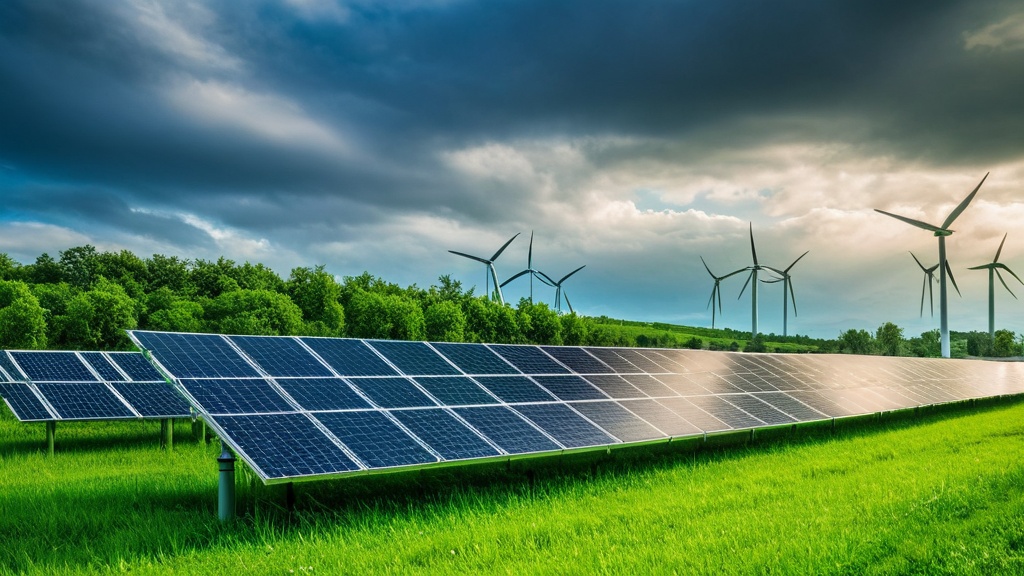
In recent years, the world has witnessed a significant shift towards green energy, driven by the urgent need to combat climate change and reduce reliance on fossil fuels. This transition is not merely a trend; it represents a fundamental change in how societies generate and consume energy. Governments, businesses, and individuals are increasingly recognizing the importance of sustainable energy sources, leading to a surge in investments and innovations in renewable technologies. The rise of green energy is not just about environmental responsibility; it is also about economic opportunity, job creation, and energy security.
The global energy landscape is evolving rapidly, with renewable sources such as solar, wind, and hydroelectric power gaining prominence. This shift is fueled by advancements in technology that have made these energy sources more efficient and cost-effective. As countries set ambitious targets for reducing greenhouse gas emissions, the demand for clean energy solutions continues to grow. The rise of green energy is a testament to humanity’s resilience and ingenuity in addressing one of the most pressing challenges of our time.
In exploring the various types of green energy, it’s essential to consider the broader implications of sustainable practices in business. A related article that delves into overcoming barriers to business agility can be found here: Overcoming Barriers to Business Agility. This piece highlights how integrating green energy solutions can enhance operational efficiency and promote a more sustainable future for organizations.
Key Takeaways
- Green energy sources like solar, wind, and hydro are rapidly growing as sustainable alternatives to fossil fuels.
- Solar energy converts sunlight into electricity and is widely used in residential and commercial applications.
- Wind energy harnesses wind power through turbines to generate clean electricity.
- Hydro energy utilizes flowing water to produce power, offering a reliable renewable energy source.
- Investing in green energy presents significant opportunities but requires addressing challenges such as technology costs and infrastructure.
Harnessing the Power of the Sun: Solar Energy
Solar energy has emerged as one of the most accessible and widely adopted forms of renewable energy. By harnessing sunlight through photovoltaic cells or solar thermal systems, we can convert the sun’s rays into electricity or heat. The technology behind solar energy has advanced significantly over the past few decades, resulting in increased efficiency and reduced costs. As a result, solar panels are now a common sight on rooftops and in large-scale solar farms around the world.
The versatility of solar energy applications is one of its greatest strengths. From residential installations that power homes to large utility-scale projects that supply electricity to thousands of households, solar energy can be tailored to meet diverse needs. Additionally, innovations such as solar batteries allow for energy storage, enabling users to harness solar power even when the sun isn’t shining. This adaptability makes solar energy a key player in the transition to a sustainable energy future.
Tapping into the Wind: Wind Energy
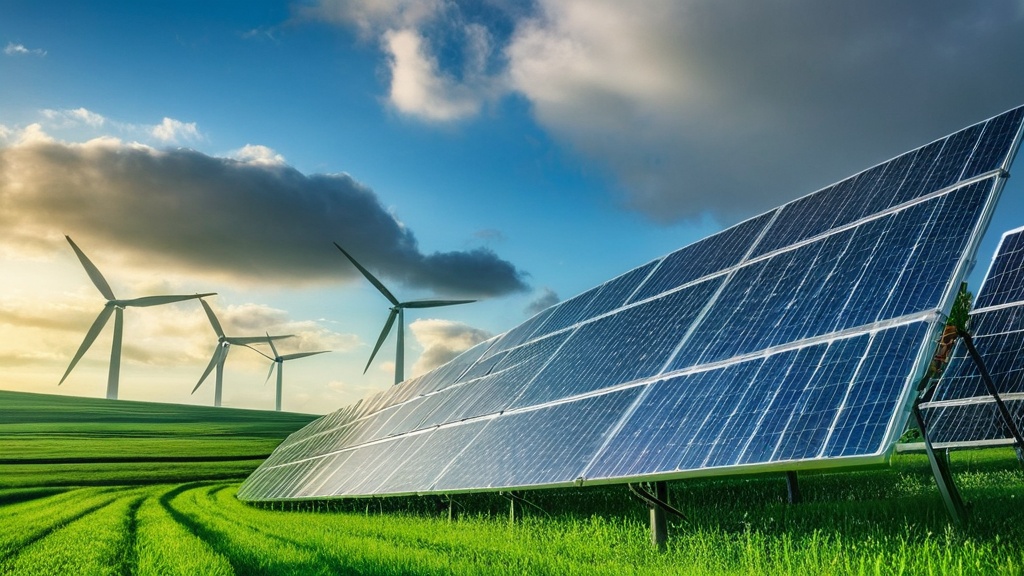
Wind energy is another cornerstone of the green energy revolution, utilizing the natural power of wind to generate electricity. Wind turbines, which convert kinetic energy from wind into mechanical power, have become increasingly efficient and cost-effective over the years. As technology has improved, wind farms have proliferated across landscapes, both onshore and offshore, contributing significantly to national grids.
The potential for wind energy is vast, with some estimates suggesting that wind could supply up to 20% of global electricity needs by 2030. The scalability of wind projects allows for both small community-based installations and large-scale wind farms that can power entire regions. Moreover, wind energy is one of the cleanest forms of electricity generation, producing no emissions during operation. As countries strive to meet their climate goals, wind energy will play an essential role in reducing carbon footprints and promoting sustainable development.
Harnessing the Power of Water: Hydro Energy
Hydropower has long been a reliable source of renewable energy, utilizing flowing water to generate electricity. By constructing dams or utilizing run-of-the-river systems, hydropower plants can convert the kinetic energy of water into electrical power. This form of energy generation has been harnessed for centuries and remains one of the most significant contributors to the global renewable energy mix.
The advantages of hydro energy are manifold. It provides a stable and consistent source of electricity, capable of meeting peak demand when needed most. Additionally, hydropower facilities often have a long operational lifespan and can be integrated with other renewable sources to create a diversified energy portfolio. However, it is essential to balance hydropower development with environmental considerations, as large dams can impact ecosystems and local communities. Sustainable practices in hydropower development are crucial for maximizing its benefits while minimizing adverse effects.
As the world increasingly turns to sustainable solutions, various types of green energy are gaining prominence, including solar, wind, and hydroelectric power.
These renewable sources not only help reduce carbon emissions but also promote energy independence.
For a deeper understanding of how innovative technologies are transforming energy consumption, you can explore a related article that discusses the potential of artificial intelligence in optimizing energy efficiency and investment strategies. Check it out here.
The Benefits of Green Energy
| Type of Green Energy | Primary Source | Average Efficiency (%) | Common Applications | Environmental Impact |
|---|---|---|---|---|
| Solar Energy | Sunlight | 15-22 | Residential & Commercial Power, Water Heating | Low emissions, land use concerns |
| Wind Energy | Wind | 35-45 | Electricity Generation, Offshore & Onshore Farms | Low emissions, impact on birds and noise |
| Hydropower | Flowing Water | 35-45 | Electricity Generation, Pumped Storage | Alteration of aquatic ecosystems |
| Geothermal Energy | Earth’s Heat | 10-20 | Electricity Generation, Heating | Low emissions, possible land subsidence |
| Biomass Energy | Organic Material | 20-25 | Heating, Electricity, Biofuels | Emissions depend on feedstock and process |
The transition to green energy offers numerous benefits that extend beyond environmental protection. One of the most significant advantages is the reduction in greenhouse gas emissions, which contributes to mitigating climate change and improving air quality. By shifting away from fossil fuels, societies can decrease their carbon footprints and promote healthier living conditions for current and future generations.
Moreover, green energy fosters economic growth by creating jobs in manufacturing, installation, maintenance, and research and development sectors. As investments in renewable technologies increase, new opportunities arise for skilled workers in various fields. Additionally, green energy enhances energy security by diversifying energy sources and reducing dependence on imported fossil fuels. This shift not only stabilizes local economies but also strengthens national security by minimizing vulnerability to geopolitical tensions related to oil and gas supplies.
Overcoming Challenges in Green Energy
Despite its many advantages, the transition to green energy is not without challenges. One significant hurdle is the intermittency associated with renewable sources like solar and wind power. Unlike fossil fuels that can provide a constant supply of electricity, renewable sources depend on weather conditions and time of day. This variability necessitates advancements in energy storage technologies and grid management systems to ensure a reliable power supply.
Another challenge lies in the existing infrastructure that often favors traditional fossil fuel systems. Transitioning to green energy requires substantial investments in new technologies and grid upgrades to accommodate renewable sources effectively. Additionally, regulatory frameworks must evolve to support innovation while ensuring environmental protection and social equity. Addressing these challenges will require collaboration among governments, businesses, and communities to create a sustainable energy future.
The Future of Green Energy
The future of green energy looks promising as technological advancements continue to reshape the landscape of renewable energy generation. Innovations in battery storage, smart grid technology, and artificial intelligence are paving the way for more efficient and reliable energy systems. As costs continue to decline for renewable technologies, we can expect an accelerated adoption rate across various sectors.
Furthermore, public awareness and support for green energy initiatives are growing stronger as individuals recognize the importance of sustainability in their daily lives. Governments are increasingly implementing policies that incentivize renewable energy adoption while setting ambitious targets for emissions reductions. The convergence of technological progress, policy support, and public engagement will drive the green energy revolution forward, creating a cleaner and more sustainable world for generations to come.
Solar Energy: How It Works and Its Applications
Solar energy works by converting sunlight into usable electricity through photovoltaic cells or concentrating solar power systems. Photovoltaic cells contain semiconductor materials that generate an electric current when exposed to sunlight. This direct conversion process allows for immediate use or storage of electricity for later consumption.
The applications of solar energy are diverse and expanding rapidly. Residential solar panels enable homeowners to generate their own electricity while reducing reliance on grid power. Commercial buildings are increasingly adopting solar installations to lower operational costs and enhance sustainability credentials. Additionally, large-scale solar farms contribute significantly to national grids by providing clean electricity on a massive scale. Innovations such as solar-powered vehicles and portable solar chargers further illustrate the versatility of solar technology in everyday life.
Wind Energy: How It Works and Its Applications
Wind energy operates on a straightforward principle: wind turbines capture kinetic energy from moving air and convert it into mechanical power that generates electricity. The blades of a turbine rotate when wind passes over them, turning a generator that produces electrical current. This process is efficient and environmentally friendly, making wind one of the fastest-growing sources of renewable energy worldwide.
Wind energy applications range from small residential turbines that provide localized power to large offshore wind farms capable of supplying electricity to thousands of homes. In addition to generating electricity for residential and commercial use, wind farms can also contribute to grid stability by providing ancillary services such as frequency regulation.
As technology continues to advance, we can expect even greater efficiency and integration of wind energy into our daily lives.
Hydro Energy: How It Works and Its Applications
Hydro energy harnesses the power of flowing water to generate electricity through various methods such as dams or run-of-the-river systems. In traditional hydropower plants, water is stored in reservoirs behind dams; when released, it flows through turbines that convert its kinetic energy into electrical power. This process is highly efficient and can produce large amounts of electricity consistently.
Hydro energy applications are extensive; it provides base-load power generation that can meet continuous demand while also offering flexibility during peak usage times. Hydropower facilities can be integrated with other renewable sources to create hybrid systems that enhance overall reliability and efficiency. Additionally, small-scale hydro projects can serve remote communities where access to traditional power grids is limited, demonstrating hydro’s potential as a versatile solution for diverse energy needs.
Investing in Green Energy: Opportunities and Considerations
Investing in green energy presents numerous opportunities for individuals and organizations alike. As global demand for renewable technologies continues to rise, investors can capitalize on emerging markets within solar, wind, hydroelectricity, and other sustainable sectors. The potential for long-term returns is significant as governments worldwide implement policies favoring clean energy solutions while phasing out fossil fuel subsidies.
However, potential investors must also consider various factors before diving into green energy investments. Market volatility can impact returns due to fluctuating technology costs or regulatory changes affecting incentives for renewable projects. Conducting thorough research on specific technologies or companies is essential for making informed investment decisions that align with both financial goals and environmental values. By carefully navigating these opportunities and challenges, investors can play a crucial role in driving the transition toward a sustainable future while reaping financial rewards along the way.
FAQs
What are the main types of green energy?
The main types of green energy include solar energy, wind energy, hydroelectric energy, geothermal energy, and biomass energy. These sources are renewable and have a lower environmental impact compared to fossil fuels.
How does solar energy work?
Solar energy works by converting sunlight into electricity using photovoltaic (PV) panels or by using solar thermal systems to generate heat. PV panels contain cells that capture sunlight and convert it into electrical energy.
What is the difference between wind energy and hydroelectric energy?
Wind energy is generated by converting the kinetic energy of wind into electricity using wind turbines. Hydroelectric energy is produced by harnessing the energy of flowing or falling water, typically through dams, to generate electricity.
Is geothermal energy available everywhere?
Geothermal energy is most effective in regions with significant volcanic or tectonic activity, where heat from the Earth’s interior is closer to the surface. While it is not available everywhere, advances in technology are expanding its potential use.
What role does biomass energy play in green energy?
Biomass energy is produced from organic materials such as plant waste, wood, and agricultural residues. It can be used for heating, electricity generation, and as biofuels. Biomass is considered renewable because the organic materials can be replenished over time.


















Leave a Reply