






In recent years, the world has witnessed a significant shift towards clean energy sources, driven by the urgent need to combat climate change and reduce greenhouse gas emissions. As fossil fuels continue to deplete and their environmental impact becomes increasingly evident, nations are turning their attention to renewable energy alternatives. This transition is not merely a trend; it represents a fundamental change in how we produce and consume energy. Governments, businesses, and individuals are recognizing the importance of sustainable practices, leading to a surge in investments in clean energy technologies.
The rise of clean energy is also fueled by advancements in technology that have made renewable sources more accessible and cost-effective. Solar panels, wind turbines, and hydroelectric systems have become more efficient and affordable, allowing for widespread adoption. As a result, countries around the globe are setting ambitious targets for reducing carbon emissions and increasing the share of renewables in their energy mix. This collective movement towards clean energy not only addresses environmental concerns but also promotes energy independence and economic growth through job creation in the green sector.
Clean energy sources are becoming increasingly vital in the fight against climate change, and understanding their various types is essential for sustainable development. For an in-depth exploration of how artificial intelligence can enhance the efficiency of corporate training in the clean energy sector, you can read the article at Maximizing Efficiency: AI in Corporate Training and Consulting. This piece highlights the intersection of technology and renewable energy, showcasing innovative approaches to training that can lead to more effective implementation of clean energy solutions.
Key Takeaways
- Clean energy sources like solar, wind, and hydroelectric power are increasingly vital for sustainable development.
- Solar energy offers significant benefits but also faces challenges such as intermittency and space requirements.
- Wind energy provides a renewable power source but must overcome obstacles like environmental impact and site limitations.
- Hydroelectric power is a reliable clean energy option with both environmental advantages and concerns.
- Innovations and integration of various clean energy technologies are key to achieving a greener, sustainable future.
Harnessing the Power of the Sun: Solar Energy
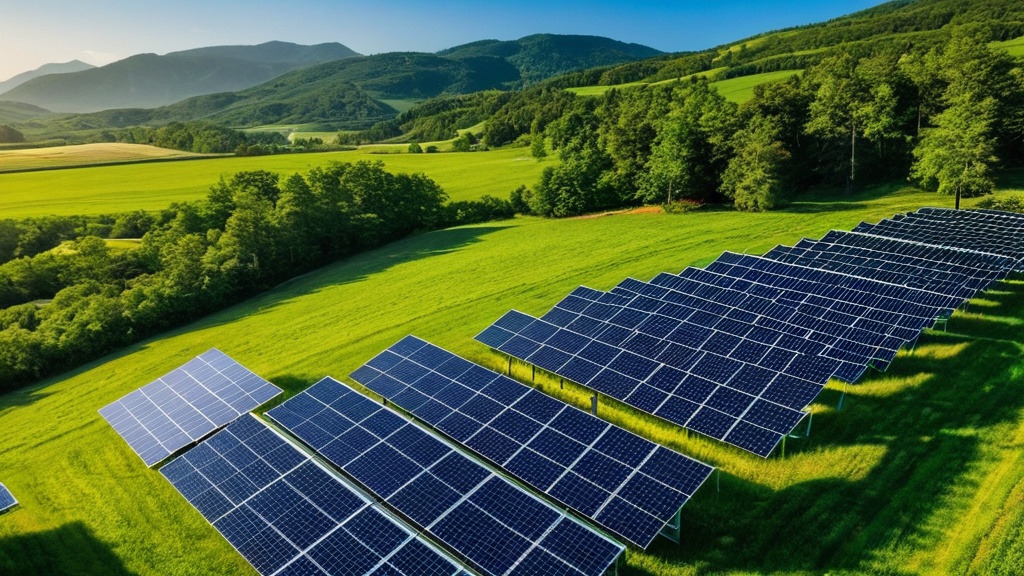
Solar energy has emerged as one of the most promising clean energy sources available today. By harnessing sunlight through photovoltaic cells or solar thermal systems, we can convert this abundant resource into electricity or heat. The technology behind solar energy has evolved significantly over the past few decades, leading to increased efficiency and lower costs. As a result, solar power is now one of the fastest-growing energy sectors worldwide, with installations proliferating in residential, commercial, and utility-scale applications.
The versatility of solar energy is one of its greatest strengths. It can be deployed in various settings, from small rooftop installations to large solar farms that generate power for thousands of homes. Additionally, solar energy systems can be integrated with battery storage solutions, allowing for energy use even when the sun isn’t shining. This capability enhances grid stability and provides a reliable power source for communities. As governments continue to incentivize solar adoption through subsidies and tax credits, the future of solar energy looks increasingly bright.
Riding the Wind: Exploring Wind Energy
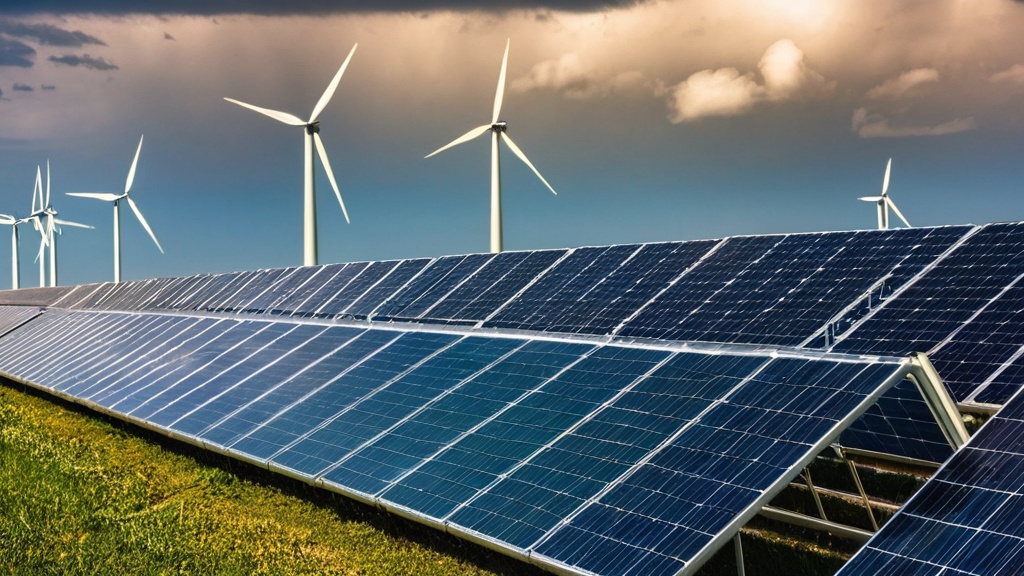
Wind energy is another cornerstone of the clean energy revolution, harnessing the natural power of wind to generate electricity. Wind turbines convert kinetic energy from wind into mechanical power, which is then transformed into electrical energy. The growth of wind energy has been remarkable, with onshore and offshore wind farms becoming a common sight in many countries. This renewable resource is particularly appealing due to its low operational costs and minimal environmental footprint once installed.
The potential for wind energy is vast, with estimates suggesting that it could supply a significant portion of global electricity needs. Offshore wind farms, in particular, have gained traction due to their ability to capture stronger and more consistent winds found at sea. However, the development of wind energy is not without its challenges. Issues such as land use conflicts, noise concerns, and impacts on wildlife must be carefully managed to ensure sustainable growth in this sector. Nevertheless, as technology continues to advance and public acceptance grows, wind energy is poised to play a crucial role in our transition to a cleaner energy future.
Tapping into Water: The Potential of Hydroelectric Power
Hydroelectric power has long been recognized as a reliable source of renewable energy, utilizing the flow of water to generate electricity. By constructing dams or utilizing run-of-the-river systems, hydroelectric plants can convert the gravitational potential energy of water into electrical power. This method has been a cornerstone of energy production for over a century and remains one of the largest sources of renewable electricity worldwide.
The advantages of hydroelectric power are numerous. It provides a stable and consistent energy supply, capable of meeting peak demand while also offering storage capabilities through pumped storage systems. Additionally, hydroelectric plants can contribute to flood control and irrigation efforts, making them valuable assets for local communities. However, the environmental impact of large-scale hydroelectric projects cannot be overlooked. Dams can disrupt ecosystems, displace communities, and alter natural water flows. As such, careful planning and consideration are essential to balance the benefits of hydroelectric power with its potential drawbacks.
As the world increasingly shifts towards sustainable solutions, exploring various types of clean energy has become essential for combating climate change. One interesting perspective on this topic can be found in a related article that discusses the strategic lessons for business leaders in the context of technological advancements. You can read more about it in this insightful piece on Nvidia’s solver acquisition, which highlights the intersection of technology and sustainable practices.
Advantages and Disadvantages of Solar Energy
| Type of Clean Energy | Primary Source | Average Efficiency (%) | Common Applications | Environmental Impact |
|---|---|---|---|---|
| Solar Energy | Sunlight | 15-22 | Electricity generation, heating | Low emissions, land use concerns |
| Wind Energy | Wind | 35-45 | Electricity generation | Low emissions, impact on wildlife |
| Hydropower | Flowing Water | 35-45 | Electricity generation | Alteration of aquatic ecosystems |
| Geothermal Energy | Earth’s Heat | 10-20 | Electricity generation, heating | Low emissions, land subsidence risk |
| Biomass Energy | Organic Materials | 20-25 | Electricity, heating, biofuels | Emissions depend on feedstock |
| Tidal Energy | Ocean Tides | 20-30 | Electricity generation | Impact on marine life |
Solar energy offers a plethora of advantages that make it an attractive option for both consumers and policymakers alike. One of its most significant benefits is its sustainability; as long as the sun shines, we can harness its power without depleting resources or emitting harmful pollutants. Furthermore, solar installations can lead to substantial savings on electricity bills over time, providing financial incentives for homeowners and businesses to invest in this technology.
However, solar energy also faces challenges that must be addressed for its continued growth. One major concern is the intermittent nature of sunlight; solar panels generate electricity only during daylight hours and are less effective on cloudy days or during winter months. This variability necessitates the integration of storage solutions or complementary energy sources to ensure a reliable power supply. Additionally, the production and disposal of solar panels raise environmental questions regarding resource extraction and waste management. Balancing these advantages and disadvantages will be crucial as we strive to maximize the potential of solar energy.
Clean energy sources are becoming increasingly vital in our efforts to combat climate change and reduce our reliance on fossil fuels. Innovations in solar, wind, and hydroelectric power are paving the way for a more sustainable future. For those interested in the intersection of technology and clean energy, a related article discusses the potential of AI in investment predictions, which could significantly impact the clean energy sector. You can read more about it in this insightful piece on


















Leave a Reply