






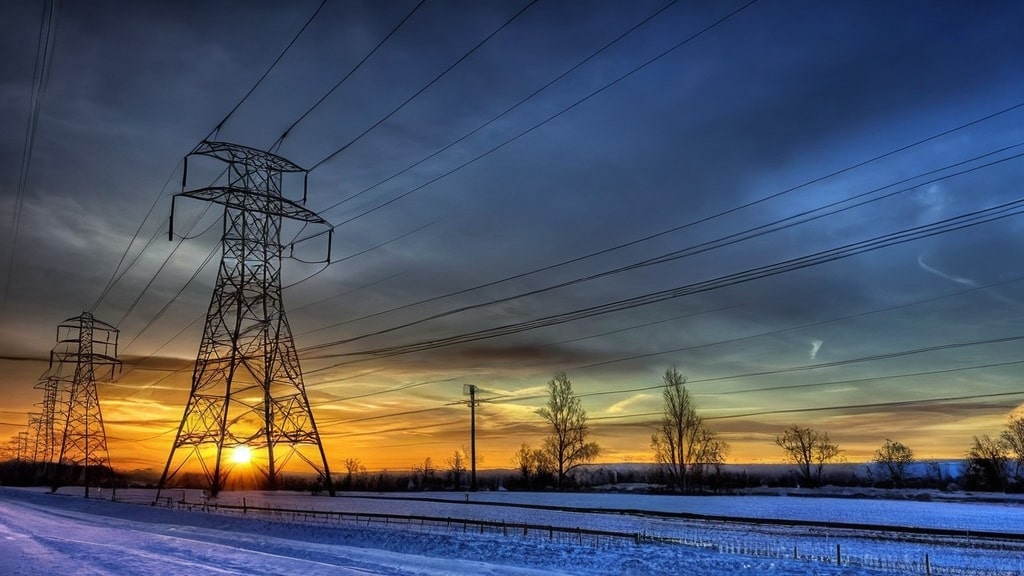
In the quest for a sustainable future, the balance between renewable and nonrenewable energy sources has emerged as a critical focal point. As the world grapples with the consequences of climate change, energy security, and economic stability, it becomes increasingly evident that a harmonious integration of both energy types is essential. The transition to renewable energy sources, such as solar, wind, and hydroelectric power, is not merely a trend but a necessity for reducing greenhouse gas emissions and mitigating environmental degradation. However, the complete elimination of nonrenewable energy sources, such as coal, oil, and natural gas, is neither feasible nor practical in the short term. Thus, finding a balance that leverages the strengths of both energy types is paramount.
The importance of this balance extends beyond environmental considerations; it encompasses economic viability and social equity as well. Nonrenewable energy sources have historically powered industrial growth and economic development, providing jobs and infrastructure that are vital to many communities. Conversely, renewable energy sources offer the promise of cleaner air and reduced health risks associated with fossil fuel consumption. Striking a balance allows societies to transition towards a more sustainable energy future while ensuring that economic and social needs are met. This dual approach can foster innovation, create new job opportunities in emerging sectors, and ultimately lead to a more resilient energy system.
In the ongoing discourse about energy sources, understanding the distinctions between renewable and non-renewable energy is crucial for sustainable development. For a deeper dive into how corporate training can enhance knowledge in this area, you can explore the article on maximizing corporate training with LMS and AI consulting. This resource highlights innovative approaches to educating employees about energy efficiency and sustainability practices. For more information, visit this article.
Key Takeaways
- Balancing renewable and nonrenewable energy sources is crucial for a sustainable and reliable energy future.
- Renewable energy offers environmental benefits but faces challenges like intermittency and integration into the grid.
- Nonrenewable energy remains important during the transition but has significant environmental drawbacks.
- Government policies and technological advancements play key roles in promoting renewable energy adoption.
- Strategic economic and technological approaches are needed to achieve a sustainable energy balance moving forward.
Understanding Renewable and Nonrenewable Energy Sources
To appreciate the significance of balancing renewable and nonrenewable energy sources, it is essential to understand what each category entails. Renewable energy sources are those that can be replenished naturally over short periods. This includes solar energy harnessed from sunlight, wind energy generated from air currents, hydroelectric power produced from flowing water, and biomass derived from organic materials. These sources are characterized by their low environmental impact and sustainability, making them attractive options for reducing carbon footprints.
On the other hand, nonrenewable energy sources are finite resources that cannot be replenished within a human timescale. This category primarily includes fossil fuels such as coal, oil, and natural gas, which have powered economies for centuries. While these energy sources are currently more accessible and often cheaper than their renewable counterparts, their extraction and consumption come with significant environmental costs. The burning of fossil fuels releases greenhouse gases into the atmosphere, contributing to climate change and air pollution. Understanding these distinctions is crucial for policymakers and stakeholders as they navigate the complexities of energy production and consumption.
Advantages and Disadvantages of Renewable and Nonrenewable Energy Sources
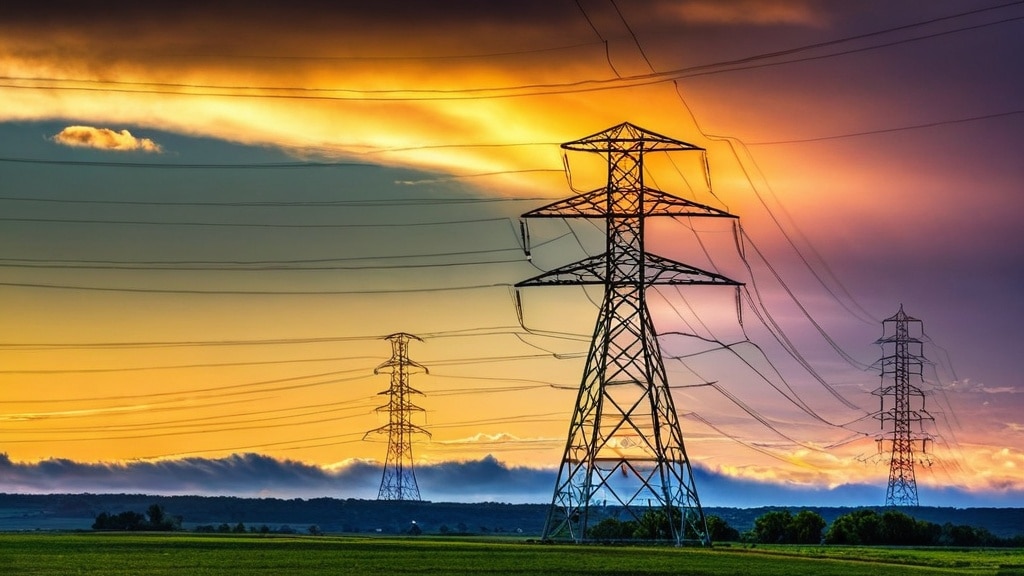
Both renewable and nonrenewable energy sources come with their own sets of advantages and disadvantages that must be carefully weighed in the pursuit of an optimal energy strategy. Renewable energy sources are lauded for their sustainability and minimal environmental impact. They contribute to reducing greenhouse gas emissions, which is vital for combating climate change. Additionally, renewable energy technologies have seen significant advancements in efficiency and cost-effectiveness over recent years, making them increasingly competitive with traditional fossil fuels.
However, renewable energy also faces challenges. The intermittency of sources like solar and wind can lead to reliability issues; energy production may not always align with demand. Furthermore, the initial capital investment for renewable infrastructure can be substantial, posing a barrier for some regions or communities. On the other hand, nonrenewable energy sources offer high energy density and reliability, making them suitable for meeting base-load power demands. They have established supply chains and infrastructure that support their widespread use.
Yet, the disadvantages of nonrenewable energy are significant. The extraction processes can lead to environmental degradation, habitat destruction, and pollution. Moreover, as reserves dwindle, the costs associated with extraction may rise, leading to economic instability. The long-term reliance on fossil fuels also poses risks related to geopolitical tensions and market volatility. Thus, understanding these advantages and disadvantages is crucial for developing a balanced energy strategy that addresses both immediate needs and long-term sustainability goals.
The Environmental Impact of Renewable and Nonrenewable Energy Sources
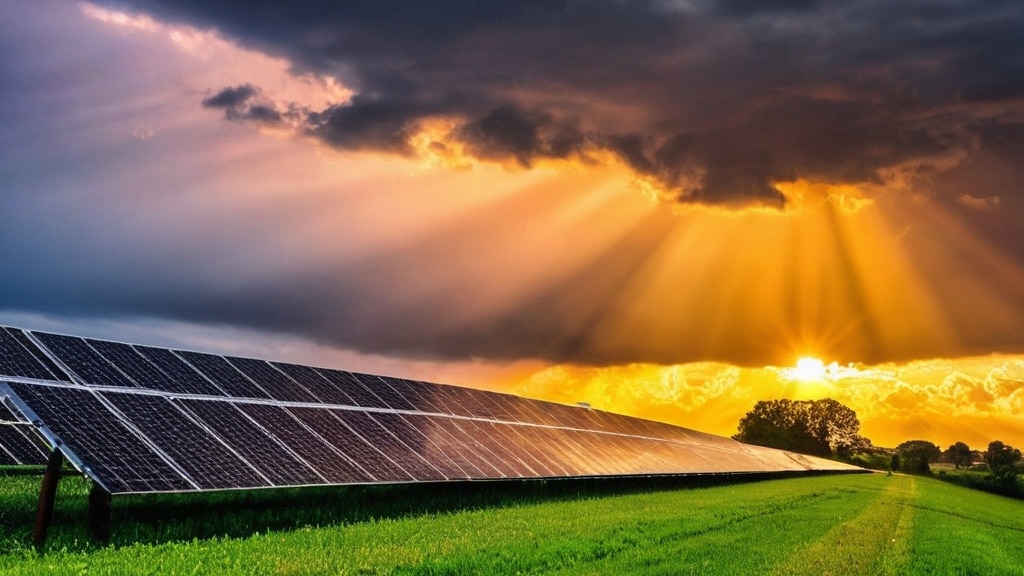
The environmental impact of energy sources is a critical consideration in the ongoing debate about their use. Renewable energy sources generally have a lower environmental footprint compared to nonrenewable sources. For instance, solar panels generate electricity without emitting greenhouse gases during operation, while wind turbines harness natural forces without depleting resources or polluting air or water. However, it is important to note that renewable technologies are not entirely without environmental consequences; for example, the manufacturing processes for solar panels can involve toxic materials, and large-scale wind farms may disrupt local ecosystems.
In contrast, nonrenewable energy sources have well-documented negative environmental impacts. The combustion of fossil fuels releases significant amounts of carbon dioxide and other pollutants into the atmosphere, contributing to climate change and health issues such as respiratory diseases. Oil spills from drilling operations can devastate marine ecosystems, while coal mining can lead to land degradation and water contamination. The extraction processes themselves often result in habitat destruction and biodiversity loss. As societies strive to reduce their carbon footprints and protect natural resources, understanding these environmental impacts is essential for making informed decisions about energy production.
In the ongoing debate about energy sources, understanding the differences between renewable and non-renewable energy is crucial for making informed decisions about our future. For those interested in exploring this topic further, a comprehensive article can be found at this link, which delves into the implications of energy choices on technology and sustainability. As we continue to innovate and adopt new technologies, the impact of our energy sources will play a significant role in shaping a sustainable future.
Government Policies and Incentives for Renewable Energy
| Energy Type | Source | Global Share (%) | CO2 Emissions (kg per MWh) | Average Cost (per MWh) | Availability | Examples |
|---|---|---|---|---|---|---|
| Renewable | Solar | 3.0 | 48 | 30-60 | Intermittent | Photovoltaic panels |
| Renewable | Wind | 6.0 | 11 | 25-50 | Intermittent | Onshore and offshore turbines |
| Renewable | Hydropower | 16.0 | 24 | 30-60 | Continuous | Dams and run-of-river plants |
| Renewable | Biomass | 2.0 | 230 | 50-100 | Continuous | Wood, agricultural waste |
| Non-Renewable | Coal | 27.0 | 820 | 40-70 | Continuous | Thermal power plants |
| Non-Renewable | Natural Gas | 23.0 | 490 | 30-60 | Continuous | Gas turbines, combined cycle plants |
| Non-Renewable | Oil | 5.0 | 650 | 50-100 | Continuous | Oil-fired power plants |
| Non-Renewable | Nuclear | 10.0 | 12 | 90-130 | Continuous | Fission reactors |
Government policies play a pivotal role in shaping the landscape of renewable energy development. Many countries have recognized the need to transition towards cleaner energy sources and have implemented various incentives to promote renewable technologies. These policies can take many forms, including tax credits for solar panel installations, subsidies for wind farm development, or mandates requiring a certain percentage of energy to come from renewable sources.
Such incentives not only encourage investment in renewable technologies but also stimulate job creation in emerging sectors. By providing financial support or regulatory frameworks that favor renewables over fossil fuels, governments can drive innovation and accelerate the adoption of clean energy solutions. However, the effectiveness of these policies often depends on political will and public support. As climate change becomes an increasingly pressing issue, there is a growing consensus among policymakers about the need for robust frameworks that facilitate the transition to sustainable energy systems.
Technological Advancements in Renewable Energy
Technological advancements have been instrumental in driving down the costs of renewable energy while improving efficiency and reliability. Innovations in solar panel technology have led to higher conversion rates and longer lifespans, making solar power more accessible than ever before. Similarly, advancements in wind turbine design have resulted in larger turbines capable of generating more electricity at lower wind speeds.
Energy storage technologies have also seen significant progress, addressing one of the primary challenges associated with renewable energy: intermittency. Battery storage systems allow excess energy generated during peak production times to be stored for later use when demand is high or production is low. This capability enhances grid stability and ensures a more reliable supply of electricity from renewable sources. As research continues to advance in areas such as smart grids and decentralized energy systems, the potential for integrating renewables into existing infrastructures grows exponentially.
Challenges in Integrating Renewable Energy into the Grid
Despite the promising advancements in renewable technologies, integrating them into existing power grids presents several challenges. One major issue is the variability of renewable energy generation; solar and wind power depend on weather conditions that can fluctuate significantly throughout the day or seasonally. This intermittency can create difficulties in maintaining grid stability and meeting consumer demand consistently.
Moreover, many existing power grids were designed primarily for centralized fossil fuel generation rather than decentralized renewable sources. Upgrading infrastructure to accommodate distributed generation requires substantial investment and planning. Additionally, regulatory frameworks may not yet be equipped to handle the complexities introduced by integrating diverse renewable technologies into traditional grid systems. Addressing these challenges will require collaboration among utilities, policymakers, and technology developers to create flexible systems capable of accommodating a diverse range of energy sources.
The Role of Nonrenewable Energy Sources in the Transition to Renewable Energy
While the ultimate goal may be a future dominated by renewable energy sources, nonrenewable resources still play a crucial role during this transitional phase. As societies work towards reducing their reliance on fossil fuels, nonrenewable sources can provide essential support in terms of reliability and stability during periods when renewable generation falls short.
Nonrenewable energy can serve as a bridge while investments in renewable infrastructure ramp up. For instance, natural gas has been touted as a cleaner alternative to coal due to its lower carbon emissions when burned for electricity generation. In many regions, natural gas plants are being used to complement intermittent renewables like wind and solar by providing backup power when needed. This transitional approach allows for gradual decarbonization while ensuring that energy demands are met without significant disruptions.
The Economics of Balancing Renewable and Nonrenewable Energy Sources
The economics surrounding renewable and nonrenewable energy sources are complex and multifaceted. Historically, nonrenewable resources have been favored due to their established supply chains and lower upfront costs compared to renewables. However, as technology advances and economies of scale are achieved in renewable sectors, this dynamic is shifting rapidly.
The decreasing costs associated with solar panels and wind turbines have made renewables increasingly competitive with fossil fuels in many markets worldwide. Additionally, as governments implement carbon pricing mechanisms or emissions trading systems aimed at reducing greenhouse gas emissions, the economic landscape will continue to evolve in favor of cleaner alternatives. Balancing these two types of energy requires careful consideration of market dynamics, regulatory frameworks, and long-term sustainability goals.
Strategies for Balancing Renewable and Nonrenewable Energy Sources
To achieve an effective balance between renewable and nonrenewable energy sources requires strategic planning at multiple levels—local, national, and global. One key strategy involves diversifying the energy mix by investing in a variety of renewable technologies tailored to regional resources while maintaining some reliance on nonrenewable sources during transitional periods.
Another important strategy is enhancing grid infrastructure to accommodate increased levels of renewable generation while ensuring reliability through advanced storage solutions or demand response programs that adjust consumption patterns based on availability. Policymakers must also prioritize research funding aimed at developing innovative technologies that improve efficiency across both sectors while fostering collaboration between public entities and private industry stakeholders.
The Future of Energy: Achieving a Sustainable Balance
Looking ahead towards an increasingly uncertain future shaped by climate change impacts requires bold action focused on achieving a sustainable balance between renewable and nonrenewable energy sources. As technological advancements continue to reshape our understanding of what is possible within both sectors—alongside evolving economic realities—there lies immense potential for creating resilient systems capable of meeting global demands sustainably.
Ultimately achieving this balance will necessitate collaboration across all sectors—government agencies working alongside private industry leaders; communities engaging with local stakeholders; researchers pushing boundaries through innovation—all united under shared goals aimed at fostering sustainable development while addressing pressing environmental challenges head-on. By embracing this holistic approach towards balancing our diverse array of available resources—both renewable & nonrenewable—we can pave pathways toward brighter futures grounded firmly within principles rooted firmly within sustainability itself!
FAQs
What is the difference between renewable and non-renewable energy?
Renewable energy comes from sources that are naturally replenished, such as sunlight, wind, and water. Non-renewable energy comes from sources that are finite and will eventually deplete, such as coal, oil, and natural gas.
What are some common examples of renewable energy sources?
Common renewable energy sources include solar power, wind power, hydroelectric energy, geothermal energy, and biomass energy.
Why is renewable energy considered more environmentally friendly than non-renewable energy?
Renewable energy produces little to no greenhouse gas emissions during operation, reducing air pollution and mitigating climate change. Non-renewable energy sources often release carbon dioxide and other pollutants when burned.
Can non-renewable energy sources be replaced entirely by renewable energy?
While renewable energy has the potential to replace many non-renewable sources, challenges such as energy storage, infrastructure, and intermittency need to be addressed for a complete transition.
How does the use of non-renewable energy impact the environment?
Non-renewable energy extraction and use can lead to environmental degradation, including habitat destruction, air and water pollution, and increased greenhouse gas emissions contributing to global warming.


















Leave a Reply