






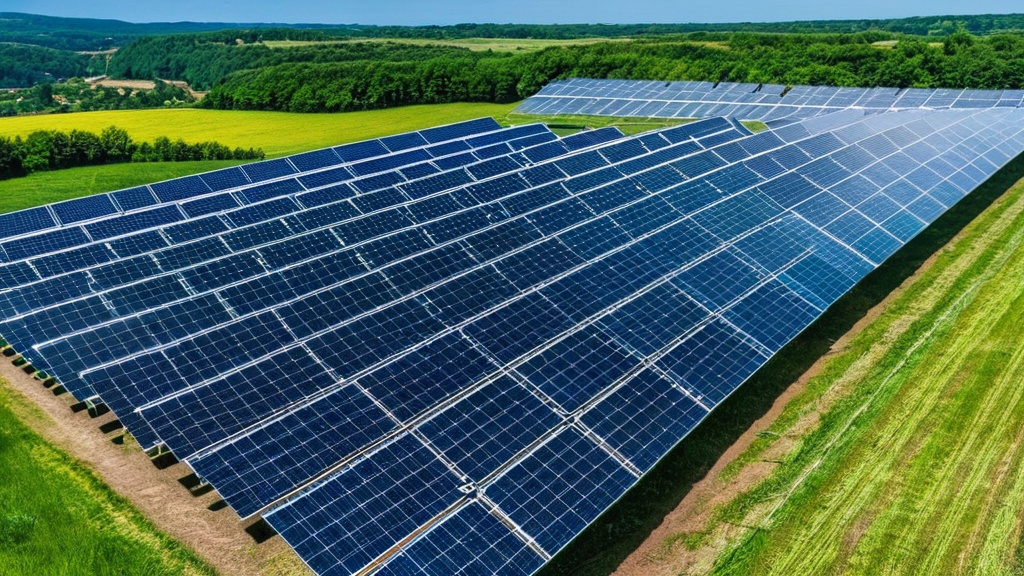
The intersection of artificial intelligence (AI) and renewable energy is a burgeoning field that holds immense potential for transforming how we generate, distribute, and consume energy. As the world grapples with the pressing challenges of climate change and the need for sustainable energy solutions, AI emerges as a powerful ally in optimizing renewable energy systems. By leveraging advanced algorithms and machine learning techniques, AI can enhance the efficiency, reliability, and scalability of renewable energy sources such as solar, wind, and hydroelectric power. This synergy not only promises to reduce carbon emissions but also paves the way for a more resilient energy infrastructure.
In recent years, the adoption of AI technologies in the renewable energy sector has accelerated significantly. From improving energy efficiency to enabling predictive maintenance and enhancing grid management, AI is reshaping the landscape of energy production and consumption. As organizations seek to harness the full potential of renewable resources, understanding the multifaceted role of AI becomes crucial. This article delves into various aspects of AI’s impact on renewable energy, exploring its contributions to efficiency, maintenance, forecasting, grid optimization, storage solutions, smart management systems, production enhancement, demand response, and policy formulation.
Artificial intelligence is playing a transformative role in the renewable energy sector, enhancing efficiency and optimizing resource management. For a deeper understanding of how AI is reshaping various industries, including renewable energy, you can explore the article titled “Anysphere’s Growth Playbook: How Coding Startups Scale Beyond Acquisition” at this link. This article delves into the strategies that tech startups employ to leverage AI for sustainable growth, which is particularly relevant in the context of renewable energy innovations.
Key Takeaways
- AI significantly improves energy efficiency and optimizes renewable energy production.
- Predictive maintenance powered by AI enhances the reliability of renewable energy sources.
- AI-driven forecasting and grid optimization facilitate better integration of renewables into energy systems.
- Smart energy management and storage solutions benefit from AI to balance supply and demand effectively.
- AI influences renewable energy policy and regulation, shaping the future landscape of sustainable energy.
AI’s Impact on Energy Efficiency
Energy efficiency is a critical component of sustainable energy practices, and AI plays a pivotal role in optimizing energy consumption across various sectors. By analyzing vast amounts of data from smart meters, sensors, and IoT devices, AI algorithms can identify patterns and anomalies in energy usage. This data-driven approach enables organizations to implement targeted strategies that reduce waste and enhance overall efficiency. For instance, AI can optimize heating, ventilation, and air conditioning (HVAC) systems in commercial buildings by adjusting settings based on occupancy patterns and external weather conditions.
Moreover, AI-driven energy management systems can facilitate real-time monitoring and control of energy consumption in industrial processes. By employing machine learning models that predict energy demand and supply fluctuations, businesses can make informed decisions about when to operate machinery or shift production schedules. This not only leads to cost savings but also minimizes the environmental impact associated with excessive energy use. As organizations increasingly prioritize sustainability, the integration of AI into energy efficiency initiatives will be paramount in achieving their goals.
AI’s Role in Predictive Maintenance for Renewable Energy Sources
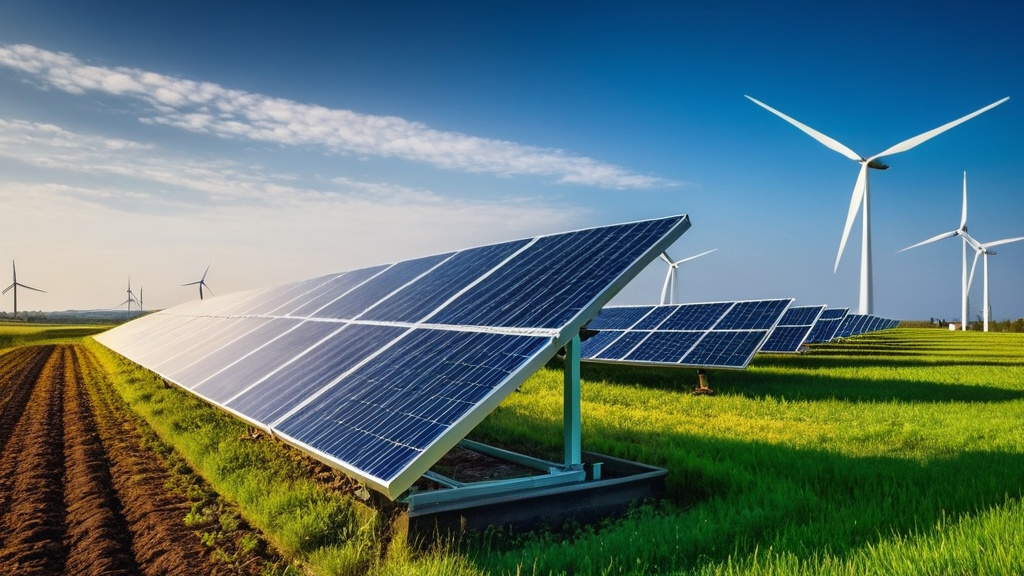
Predictive maintenance is another area where AI demonstrates significant value in the renewable energy sector. Traditional maintenance practices often rely on scheduled inspections or reactive measures after equipment failure occurs. However, these approaches can lead to costly downtime and inefficient resource allocation. By utilizing AI-powered predictive maintenance solutions, operators can proactively monitor the health of renewable energy assets such as wind turbines and solar panels.
AI algorithms analyze historical performance data and real-time sensor inputs to identify potential issues before they escalate into major failures. For example, machine learning models can detect subtle changes in vibration patterns or temperature fluctuations that may indicate impending mechanical problems. By addressing these issues early on, operators can minimize unplanned outages and extend the lifespan of their equipment. This not only enhances operational efficiency but also contributes to the overall reliability of renewable energy generation.
AI’s Contribution to Renewable Energy Forecasting
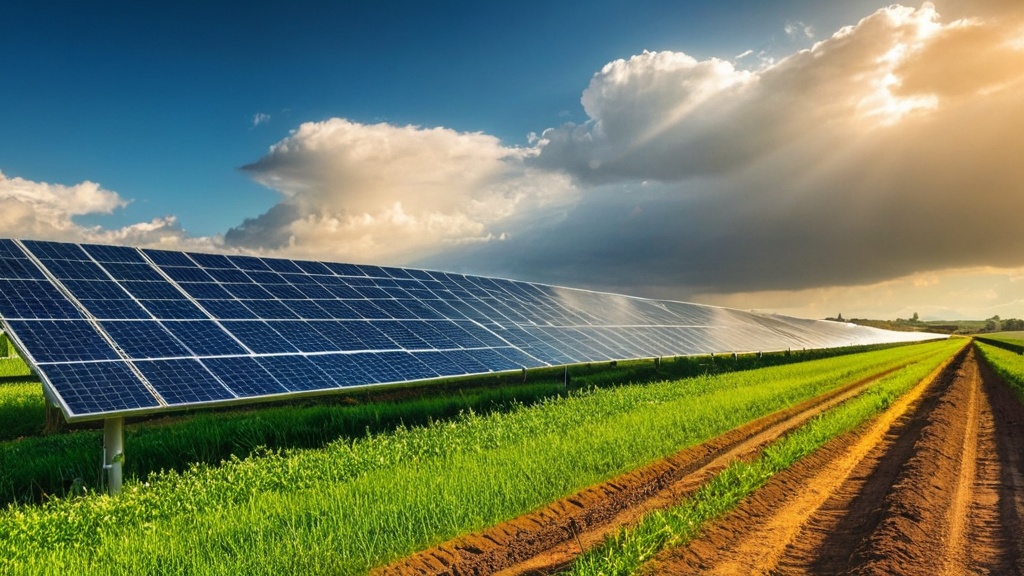
Accurate forecasting is essential for effective energy management, particularly in the context of renewable sources that are inherently variable. AI has revolutionized forecasting methodologies by enabling more precise predictions of energy generation from solar and wind resources. Through advanced machine learning techniques, AI can analyze historical weather data, satellite imagery, and real-time atmospheric conditions to generate reliable forecasts.
For instance, AI models can predict solar power generation by assessing cloud cover patterns and sunlight intensity at specific locations. Similarly, wind energy forecasts can be improved by analyzing meteorological data to anticipate wind speed and direction changes. These enhanced forecasting capabilities empower grid operators to make informed decisions about energy dispatch and storage management. As a result, AI-driven forecasting not only optimizes resource allocation but also enhances grid stability by reducing reliance on fossil fuel backup generation during periods of low renewable output.
The integration of artificial intelligence in renewable energy is transforming the way we harness and manage sustainable resources. For instance, AI technologies are being utilized to optimize energy consumption and improve the efficiency of solar panels and wind turbines. If you’re interested in exploring more about the intersection of technology and sustainability, you can read a related article that delves into the advancements in this field. Check it out OpenAI’s Mixed Bag.
AI’s Influence on Renewable Energy Storage Solutions
Energy storage is a critical component of a reliable renewable energy system, as it allows for the balancing of supply and demand fluctuations. AI has emerged as a key enabler in optimizing storage solutions by enhancing battery management systems and improving charge/discharge strategies. By analyzing historical usage patterns and real-time data from storage systems, AI algorithms can determine the optimal times for charging batteries when excess renewable energy is available.
Moreover, AI can facilitate predictive analytics for battery performance, enabling operators to monitor health metrics such as state of charge (SoC) and state of health (SoH). This information allows for better decision-making regarding maintenance schedules and replacement timelines. As a result, organizations can maximize the lifespan of their storage assets while ensuring that they are available when needed most. The integration of AI into energy storage solutions not only enhances reliability but also supports the broader goal of achieving a sustainable energy future.
AI’s Application in Smart Energy Management Systems
Smart energy management systems (SEMS) leverage AI technologies to optimize energy consumption across residential, commercial, and industrial sectors. These systems utilize advanced algorithms to analyze data from various sources, including smart meters, appliances, and weather forecasts. By doing so, SEMS can provide users with actionable insights that promote energy conservation and cost savings.
For instance, an SEMS equipped with AI capabilities can automatically adjust lighting levels based on occupancy or optimize appliance usage during off-peak hours when electricity rates are lower. Additionally, these systems can facilitate user engagement by providing real-time feedback on energy consumption patterns and suggesting personalized strategies for reducing usage. As consumers become more aware of their energy habits, SEMS powered by AI will play a vital role in driving behavioral changes that contribute to overall sustainability goals.
AI’s Role in Enhancing Renewable Energy Production
AI’s influence extends beyond optimization; it also plays a significant role in enhancing renewable energy production itself. By employing machine learning algorithms to analyze performance data from renewable assets, operators can identify opportunities for improvement in generation efficiency. For example, AI can optimize the angle of solar panels based on real-time sun position data or adjust turbine blade pitch in wind farms to maximize output during varying wind conditions.
Furthermore, AI can facilitate innovative approaches to renewable energy production through advanced modeling techniques. For instance, researchers are exploring the use of AI-driven simulations to design more efficient solar cells or wind turbine blades that capture more energy from natural resources. As these technologies continue to evolve, the potential for increased renewable energy production becomes even more promising.
AI’s Contribution to Demand Response in Renewable Energy Systems
Demand response (DR) programs are essential for balancing supply and demand within renewable energy systems. AI plays a crucial role in enhancing DR initiatives by providing real-time insights into consumer behavior and grid conditions. Through advanced analytics, AI can predict peak demand periods and identify opportunities for load shifting or curtailment.
For example, during times of high electricity demand when renewable generation may be low, AI can recommend strategies for consumers to reduce their usage or shift it to off-peak hours when renewable resources are more abundant. This not only helps stabilize the grid but also incentivizes consumers to participate in DR programs through financial rewards or lower rates. As demand response becomes increasingly important in integrating renewables into the grid, AI will be instrumental in optimizing these programs for maximum effectiveness.
AI’s Influence on Renewable Energy Policy and Regulation
The integration of AI into renewable energy systems also has implications for policy formulation and regulatory frameworks. Policymakers must consider how emerging technologies like AI can support sustainability goals while ensuring equitable access to clean energy resources. By leveraging data-driven insights from AI applications, regulators can develop more effective policies that promote innovation while addressing potential challenges related to equity and access.
For instance, AI can provide valuable information on the effectiveness of various incentive programs aimed at encouraging renewable adoption among consumers and businesses alike. Additionally, policymakers can utilize predictive analytics to assess the potential impacts of proposed regulations on grid stability and resource allocation. As governments strive to create conducive environments for renewable energy growth, incorporating AI insights into policy discussions will be essential for fostering sustainable development.
The Future of AI in Renewable Energy
The future of artificial intelligence in renewable energy is bright and full of promise. As technology continues to advance at an unprecedented pace, we can expect even greater integration of AI into various aspects of renewable energy systems. From enhancing efficiency and reliability to optimizing production and storage solutions, AI will play an increasingly vital role in shaping a sustainable energy landscape.
As organizations embrace these innovations, collaboration between technology providers, policymakers, and industry stakeholders will be essential for realizing the full potential of AI in renewable energy. By fostering an environment that encourages research, development, and deployment of AI-driven solutions, we can accelerate the transition toward a cleaner and more resilient energy future. Ultimately, harnessing the power of artificial intelligence will not only help mitigate climate change but also create economic opportunities while ensuring a sustainable planet for generations to come.
FAQs
What role does AI play in renewable energy?
AI helps optimize the generation, distribution, and consumption of renewable energy by improving forecasting, enhancing grid management, and enabling predictive maintenance of equipment.
How does AI improve energy forecasting in renewable sources?
AI uses machine learning algorithms to analyze weather patterns and historical data, providing more accurate predictions of solar and wind energy production, which helps balance supply and demand.
Can AI help reduce the costs of renewable energy?
Yes, AI can lower costs by optimizing operational efficiency, reducing downtime through predictive maintenance, and improving energy storage management, leading to more cost-effective renewable energy systems.
Is AI used in managing energy grids with renewable sources?
AI is increasingly used to manage smart grids by balancing energy loads, integrating diverse renewable sources, and responding dynamically to changes in energy supply and demand.
What are the challenges of implementing AI in renewable energy?
Challenges include data quality and availability, the complexity of integrating AI with existing infrastructure, cybersecurity concerns, and the need for skilled personnel to develop and maintain AI systems.


















Leave a Reply