





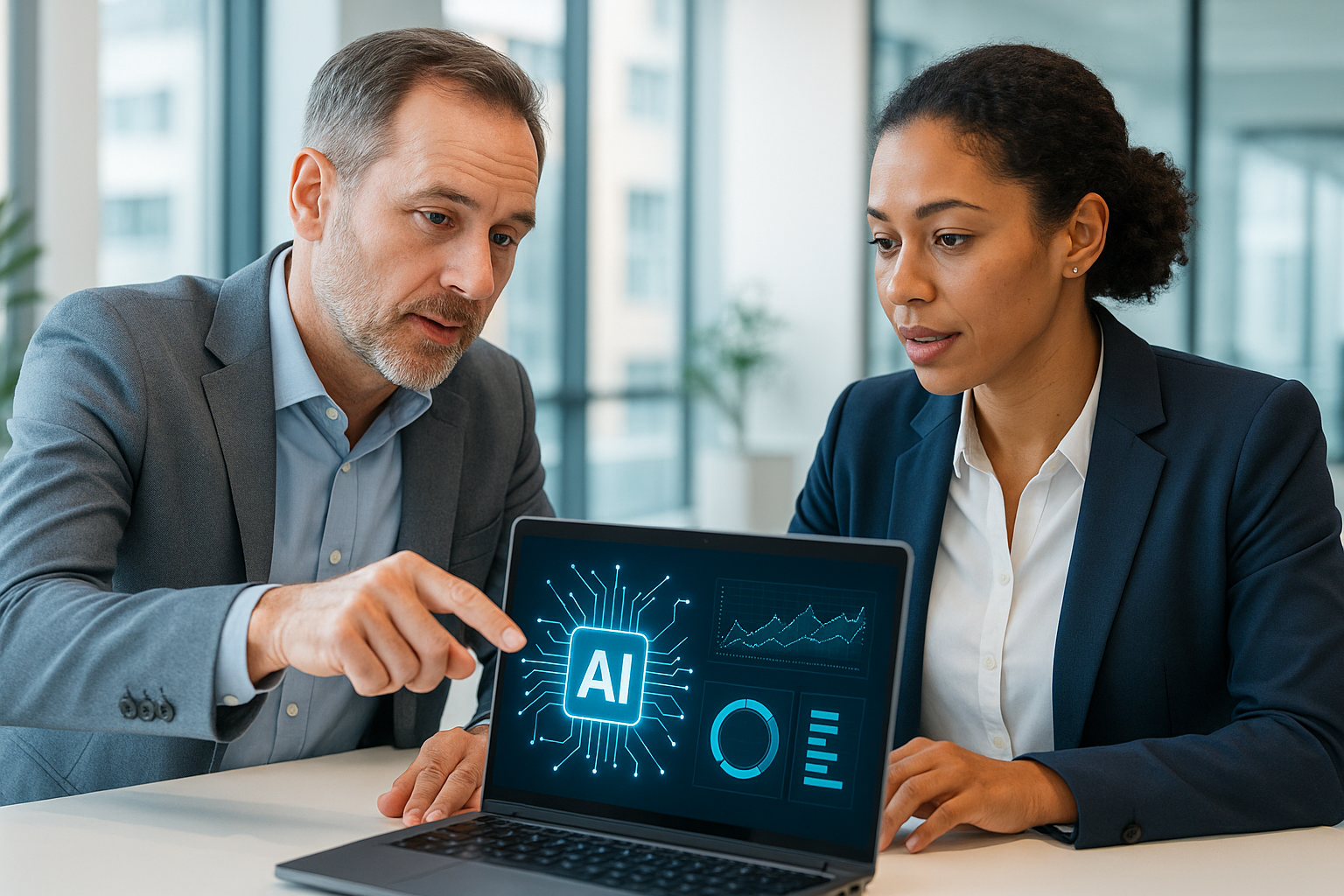
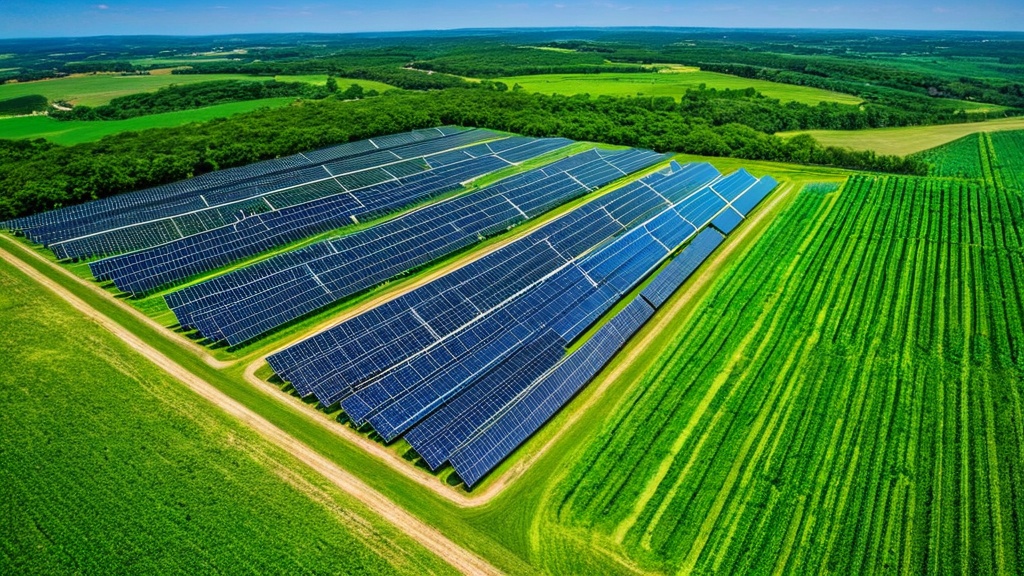
The intersection of artificial intelligence (AI) and green energy represents a transformative frontier in the quest for sustainable solutions to the world’s energy challenges. As climate change accelerates and the demand for clean energy sources intensifies, the integration of AI technologies into the energy sector has emerged as a pivotal strategy. AI not only enhances operational efficiencies but also enables innovative approaches to energy generation, distribution, and consumption. By harnessing vast amounts of data, AI can optimize processes, predict trends, and facilitate decision-making, ultimately driving the transition towards a more sustainable energy landscape.
The urgency of addressing climate change has prompted governments, businesses, and researchers to explore how AI can be leveraged to improve energy systems. From optimizing renewable energy sources to enhancing grid reliability, AI’s capabilities are being harnessed to create smarter, more resilient energy infrastructures. This article delves into various applications of AI in green energy, highlighting its potential to revolutionize the sector and contribute to a sustainable future.
In the pursuit of sustainable solutions, the intersection of artificial intelligence and green energy has become a focal point for innovation. A related article that explores the transformative potential of AI in various sectors, including energy efficiency, can be found at Enhancing Performance: The Benefits of AI Coaching. This piece delves into how AI technologies can optimize performance and drive advancements in green energy initiatives, ultimately contributing to a more sustainable future.
Key Takeaways
- AI enhances energy management and optimizes smart grids for improved green energy efficiency.
- Renewable energy forecasting and storage solutions benefit significantly from AI technologies.
- Autonomous systems and AI-driven demand response improve overall energy efficiency and reliability.
- AI supports sustainable energy policy, planning, and carbon emissions reduction efforts.
- The future of green energy relies heavily on continued AI innovation and integration.
AI-Driven Energy Management Systems
AI-driven energy management systems are at the forefront of optimizing energy consumption and enhancing efficiency across various sectors. These systems utilize machine learning algorithms to analyze real-time data from energy usage patterns, enabling organizations to make informed decisions about their energy consumption. By identifying inefficiencies and suggesting actionable insights, AI can significantly reduce energy costs while minimizing environmental impact. For instance, commercial buildings equipped with AI systems can automatically adjust lighting, heating, and cooling based on occupancy patterns, leading to substantial energy savings.
Moreover, AI-driven energy management systems can facilitate demand response initiatives, where consumers adjust their energy usage in response to supply conditions or price signals. By predicting peak demand periods and adjusting consumption accordingly, these systems help balance the grid and reduce the need for additional power generation. This not only lowers operational costs for businesses but also contributes to a more stable and sustainable energy ecosystem.
Smart Grids and AI Optimization
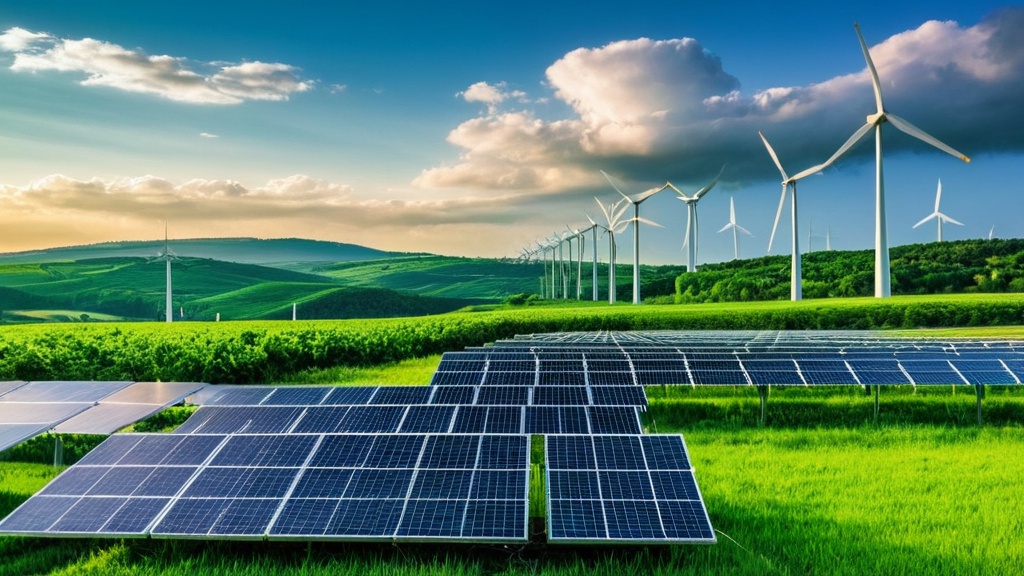
Smart grids represent a significant advancement in energy distribution, integrating digital technology with traditional electrical grids to enhance efficiency and reliability. AI plays a crucial role in optimizing smart grid operations by analyzing data from various sources, including weather forecasts, energy consumption patterns, and grid performance metrics. Through predictive analytics, AI can forecast demand fluctuations and optimize energy distribution accordingly, ensuring that supply meets demand in real-time.
Additionally, AI can enhance grid resilience by identifying potential faults or vulnerabilities before they escalate into significant issues. By continuously monitoring grid performance and analyzing historical data, AI algorithms can detect anomalies that may indicate equipment failures or other disruptions. This proactive approach not only minimizes downtime but also reduces maintenance costs and enhances overall grid reliability. As smart grids evolve, the integration of AI will be essential in creating a more responsive and efficient energy infrastructure.
AI-enabled Renewable Energy Forecasting
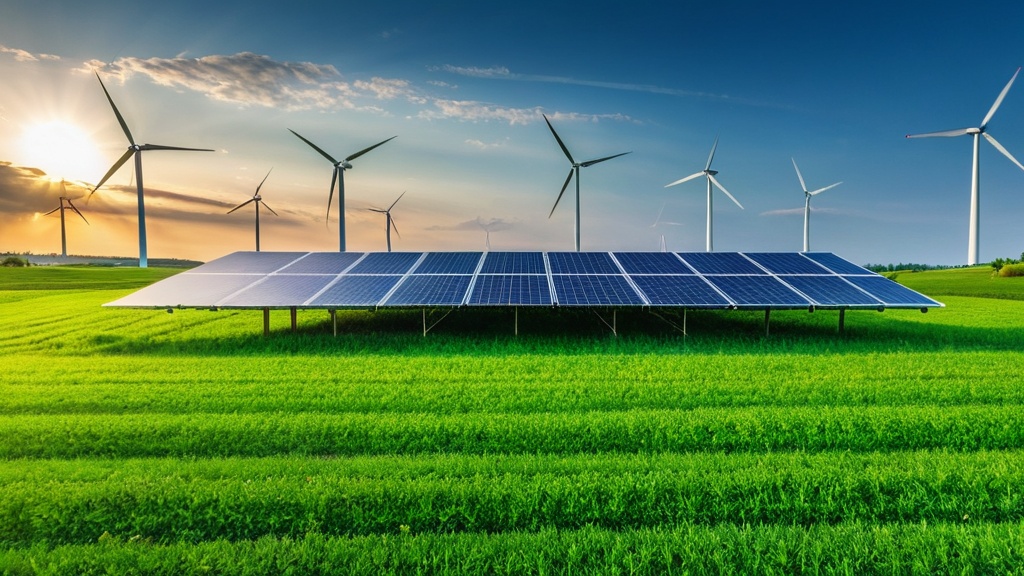
Accurate forecasting of renewable energy generation is critical for integrating these sources into the broader energy grid. AI-enabled forecasting models leverage machine learning techniques to analyze historical weather data, solar irradiance patterns, wind speeds, and other relevant factors to predict renewable energy output with remarkable accuracy. This capability is particularly vital for solar and wind energy, where generation is inherently variable and dependent on environmental conditions.
By improving forecasting accuracy, AI helps grid operators manage supply and demand more effectively. For instance, when wind or solar generation is expected to be high, operators can adjust conventional power generation accordingly or incentivize consumers to increase their usage during peak production times. This not only enhances grid stability but also maximizes the utilization of renewable resources, reducing reliance on fossil fuels and contributing to a cleaner energy mix.
The intersection of artificial intelligence and green energy is becoming increasingly significant as we strive for sustainable solutions to combat climate change. A recent article discusses the financial challenges faced by AI companies, highlighting the need for innovative approaches to funding and resource management in this rapidly evolving sector. For more insights on the financial dynamics in the AI landscape, you can read about it in this article on leadership lessons from OpenAI’s substantial cash burn. By understanding these challenges, we can better appreciate the role of AI in advancing green energy initiatives. Check out the article here: leadership lessons from OpenAI’s substantial cash burn.
AI-Powered Energy Storage Solutions
| Metric | Value | Description |
|---|---|---|
| AI Energy Efficiency Improvement | 20-30% | Estimated percentage improvement in energy efficiency through AI optimization in renewable energy systems |
| Renewable Energy Forecast Accuracy | 85-95% | Accuracy range of AI models predicting solar and wind energy generation |
| Reduction in Carbon Emissions | Up to 15% | Potential reduction in carbon emissions by integrating AI in green energy management |
| AI-Driven Grid Stability Improvement | 10-25% | Improvement in grid stability and reliability using AI-based predictive maintenance and load balancing |
| Energy Consumption Reduction in Data Centers | 30% | Reduction in energy use by applying AI for cooling and workload optimization in green energy-powered data centers |
Energy storage solutions are essential for addressing the intermittency of renewable energy sources. AI-powered systems can optimize the operation of batteries and other storage technologies by predicting when to store excess energy and when to release it back into the grid. By analyzing real-time data on energy production and consumption patterns, these systems can make intelligent decisions that enhance the efficiency of storage operations.
Furthermore, AI can facilitate the integration of distributed energy resources (DERs) such as residential solar panels and electric vehicle batteries into the grid. By coordinating the charging and discharging of these resources based on demand forecasts and grid conditions, AI ensures that stored energy is utilized effectively.
This not only enhances grid stability but also empowers consumers to participate actively in the energy market, promoting a decentralized approach to energy management.
As the world increasingly turns to sustainable solutions, the intersection of AI and green energy is becoming a focal point for innovation. A recent article discusses how significant investments in metadata centers are driving advancements in AI leadership and workforce transformation, which are crucial for optimizing energy consumption and enhancing renewable energy systems. For more insights on this transformative investment, you can read the full article


















Leave a Reply