






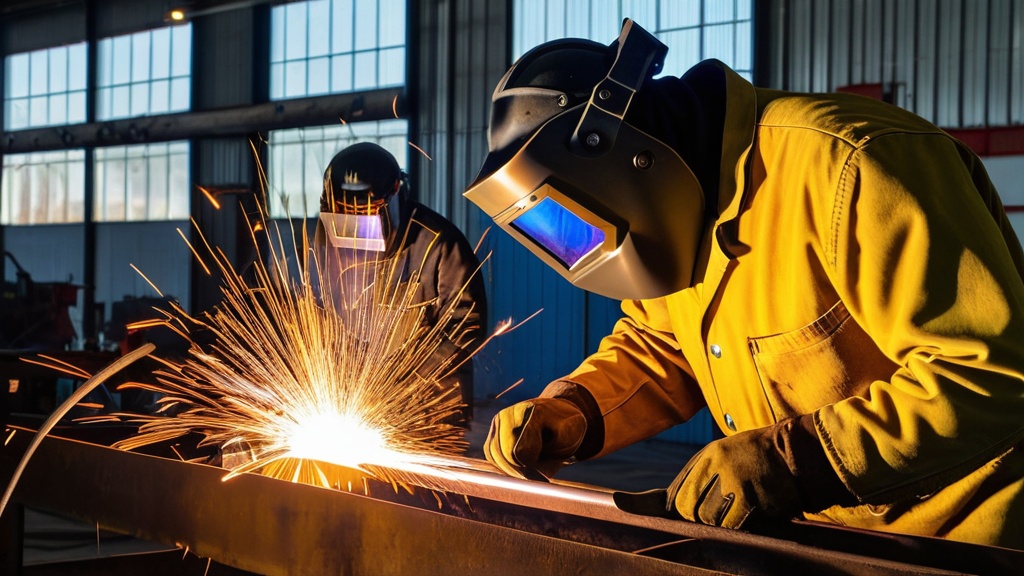
Welding is a fundamental process in manufacturing and construction, serving as the backbone for joining materials, particularly metals. This technique has been pivotal in shaping modern infrastructure, from towering skyscrapers to intricate machinery. At its core, welding involves the fusion of materials through heat, pressure, or both, creating a strong bond that can withstand various stresses. The versatility of welding techniques allows for their application across diverse industries, including automotive, aerospace, and shipbuilding, making it an essential skill for engineers and technicians alike.
The significance of welding extends beyond mere functionality; it embodies the art of craftsmanship and precision. As industries evolve, so too do the methods and technologies associated with welding. Understanding the various welding techniques is crucial for professionals in the field, as each method offers unique advantages and is suited for specific applications. From traditional arc welding to modern laser welding, the landscape of welding techniques is rich and varied, reflecting the ongoing quest for efficiency, strength, and reliability in material joining.
In the field of engineering, welding plays a crucial role in ensuring the integrity and durability of structures and components. For those interested in exploring the intersection of technology and ethics in engineering, a related article discusses the implications of advanced AI systems on various industries, including manufacturing and welding. You can read more about this topic in the article titled “Anyspheres Data Pivot: Impact on OpenAI, XAI, Anthropic AI Ethics” available at this link.
Key Takeaways
- Welding technology has evolved significantly, incorporating advanced techniques and innovative equipment.
- Automation and robotics are transforming welding processes, enhancing precision and efficiency.
- New materials and alloys enable welding in extreme environments and challenging conditions.
- Non-destructive testing advancements improve weld quality and safety assurance.
- Sustainability and future trends focus on environmentally friendly practices and cutting-edge engineering solutions.
Evolution of Welding Technology
The history of welding technology is a fascinating journey that traces back thousands of years.
Early forms of welding can be seen in ancient civilizations where blacksmiths would forge metals together using heat and hammering techniques.
As industrialization took hold in the 19th century, welding began to evolve significantly with the introduction of new technologies such as gas welding and electric arc welding. These advancements marked a turning point, allowing for more efficient and effective joining methods that could meet the demands of an expanding industrial landscape.
In recent decades, the evolution of welding technology has accelerated dramatically due to advancements in materials science and engineering. The introduction of computer-aided design (CAD) and simulation software has transformed how welders plan and execute their projects. Additionally, the development of sophisticated welding machines equipped with advanced controls has enhanced precision and consistency in weld quality. This evolution reflects a broader trend towards automation and digitalization in manufacturing processes, positioning welding as a critical component of modern engineering practices.
Advantages of Advanced Welding Techniques
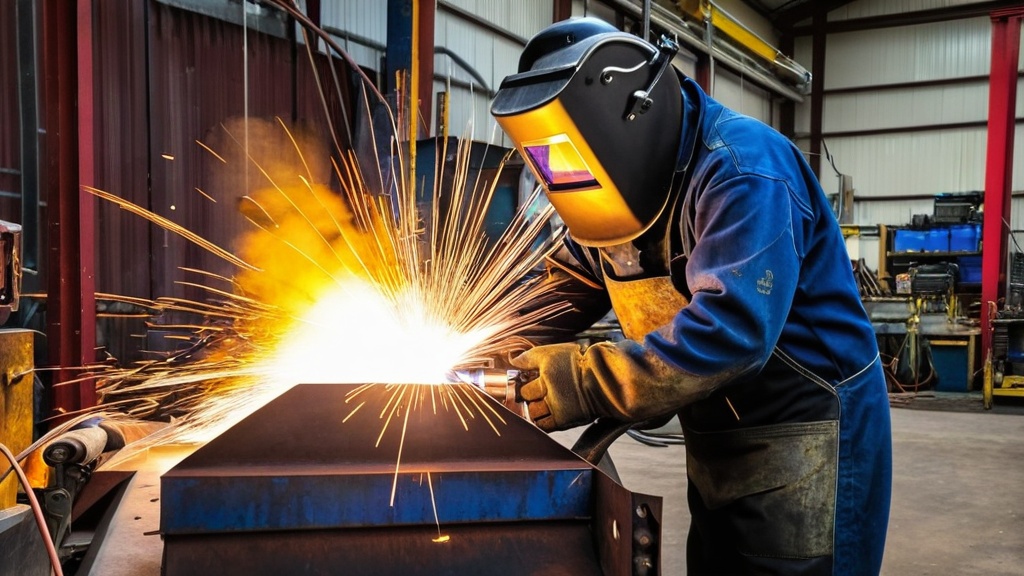
Advanced welding techniques offer numerous advantages that significantly enhance productivity and quality in manufacturing processes. One of the primary benefits is the ability to achieve stronger and more durable welds. Techniques such as laser welding and electron beam welding provide concentrated heat sources that create deep penetration welds with minimal distortion. This results in joints that can withstand higher loads and stresses, making them ideal for critical applications in aerospace and automotive industries.
Moreover, advanced welding techniques often lead to reduced production times and costs. Automated processes can increase throughput while minimizing human error, resulting in consistent quality across multiple welds. Additionally, these techniques can be applied to a wider range of materials, including high-strength alloys and dissimilar metals, expanding the possibilities for innovative designs and applications. As industries continue to seek ways to improve efficiency and reduce costs, the adoption of advanced welding techniques becomes increasingly essential.
Innovations in Welding Equipment
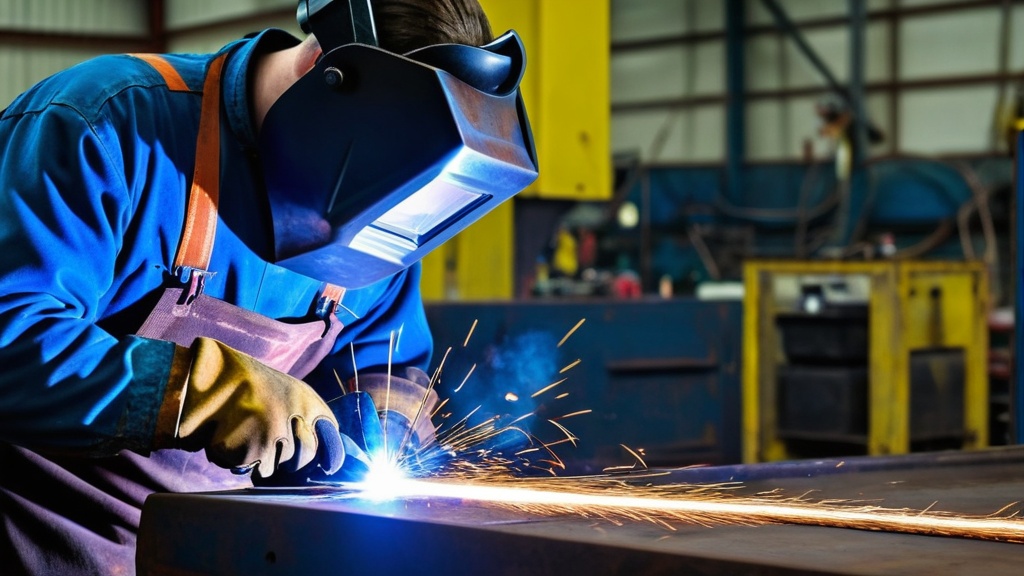
The landscape of welding equipment has undergone significant transformation with the advent of new technologies. Modern welding machines are now equipped with features that enhance usability, safety, and performance. For instance, inverter technology has made it possible to create lightweight and portable welding machines that deliver high-quality performance without compromising on power. These innovations have made it easier for welders to work in various environments, from large manufacturing facilities to remote job sites.
Additionally, advancements in control systems have revolutionized how welders operate their equipment. Digital displays and programmable settings allow for precise adjustments based on specific materials and joint configurations. Furthermore, the integration of sensors and monitoring systems enables real-time feedback on weld quality, ensuring that any deviations from desired parameters can be addressed immediately. These innovations not only improve the overall quality of welds but also enhance safety by reducing the risk of accidents associated with manual adjustments.
In the field of engineering, welding plays a crucial role in the fabrication and assembly of various structures and components. A recent article discusses the financial dynamics of technology companies, which can also impact industries like welding through advancements in automation and robotics. For more insights on how these trends affect engineering sectors, you can read the article here: technology companies. Understanding these connections can help professionals in welding stay ahead in an evolving market.
Automation and Robotics in Welding
| Welding Process | Typical Applications | Material Compatibility | Welding Speed (cm/min) | Typical Weld Strength (MPa) | Heat Input (kJ/mm) | Common Defects |
|---|---|---|---|---|---|---|
| Shielded Metal Arc Welding (SMAW) | Structural steel, pipelines | Carbon steel, low alloy steel | 20-30 | 400-550 | 1.5-3.0 | Porosity, slag inclusion, cracks |
| Gas Metal Arc Welding (GMAW/MIG) | Automotive, fabrication, shipbuilding | Carbon steel, stainless steel, aluminum | 50-100 | 450-600 | 0.8-2.0 | Spatter, porosity, incomplete fusion |
| Tungsten Inert Gas Welding (TIG/GTAW) | Aerospace, thin materials, precision work | Stainless steel, aluminum, magnesium | 10-40 | 500-700 | 0.5-1.5 | Cracking, tungsten inclusion, oxidation |
| Flux-Cored Arc Welding (FCAW) | Heavy fabrication, construction | Carbon steel, stainless steel | 40-90 | 450-600 | 1.0-2.5 | Slag inclusion, porosity, undercut |
| Submerged Arc Welding (SAW) | Thick steel plates, pressure vessels | Carbon steel, low alloy steel | 100-200 | 500-650 | 2.0-4.0 | Porosity, slag inclusion, lack of fusion |
The integration of automation and robotics into welding processes represents one of the most significant advancements in the field. Automated welding systems can perform repetitive tasks with high precision and speed, reducing labor costs while increasing productivity. Robotic arms equipped with advanced sensors can adapt to various welding scenarios, ensuring consistent quality across multiple applications. This shift towards automation not only streamlines production but also allows skilled welders to focus on more complex tasks that require human expertise.
Moreover, robotic welding systems are particularly beneficial in high-volume production environments where consistency is paramount. These systems can operate continuously without fatigue, maintaining high levels of accuracy throughout long production runs. As industries increasingly adopt lean manufacturing principles, the demand for automated welding solutions continues to grow. The ability to integrate robotics into existing workflows also presents opportunities for companies to enhance their operational efficiency while minimizing waste.
In the field of engineering, welding plays a crucial role in ensuring the integrity and durability of structures. For those interested in exploring the latest advancements and trends in this area, a related article discusses innovative techniques and technologies that are shaping the future of welding. You can read more about it in this insightful piece on engineering welding. This article highlights the importance of staying updated with the evolving practices that enhance the efficiency and safety of welding operations.
Cutting-Edge Materials and Alloys for Welding
The development of cutting-edge materials and alloys has had a profound impact on welding techniques and applications. Advanced materials such as high-strength steels, titanium alloys, and nickel-based superalloys present unique challenges for welders due to their distinct properties. However, these materials also offer significant advantages in terms of strength-to-weight ratios and resistance to extreme conditions. As a result, understanding how to effectively weld these materials is crucial for engineers working in industries such as aerospace, automotive, and energy.
To accommodate these advanced materials, new filler metals and welding techniques have been developed. For instance, specialized filler wires designed for high-strength steels ensure compatibility during the welding process while maintaining the integrity of the base material. Additionally, techniques such as friction stir welding have emerged as effective methods for joining dissimilar materials without compromising their mechanical properties. As research continues into new alloys and composites, the field of welding will need to adapt accordingly to harness the full potential of these innovative materials.
Welding in Extreme Environments
Welding in extreme environments poses unique challenges that require specialized techniques and equipment. Industries such as oil and gas exploration, aerospace, and marine engineering often necessitate welding under harsh conditions where factors like temperature fluctuations, corrosive atmospheres, and high pressures come into play. In these scenarios, traditional welding methods may not suffice; therefore, engineers must employ advanced techniques tailored to withstand these demanding conditions.
For example, underwater welding is a critical skill in marine construction and repair projects. This technique requires specialized training and equipment to ensure safety while achieving high-quality welds in challenging underwater environments. Similarly, high-altitude or space applications demand rigorous standards for weld integrity due to the potential consequences of failure. As industries continue to push the boundaries of exploration and innovation, developing effective welding solutions for extreme environments will remain a priority.
Advancements in Non-Destructive Testing for Welding
Non-destructive testing (NDT) plays a vital role in ensuring the integrity of welded joints without compromising their functionality. Recent advancements in NDT technologies have significantly improved the ability to detect defects such as cracks, porosity, or incomplete fusion within welds. Techniques such as ultrasonic testing (UT), radiographic testing (RT), and magnetic particle testing (MT) have become standard practices in quality assurance processes across various industries.
The integration of digital technologies into NDT has further enhanced its effectiveness. For instance, automated ultrasonic testing systems equipped with advanced imaging capabilities can provide detailed insights into weld quality while reducing inspection times. Additionally, data analytics tools enable engineers to analyze inspection results more efficiently, identifying trends or recurring issues that may require attention.
As industries increasingly prioritize safety and reliability, advancements in NDT will continue to play a crucial role in maintaining high standards for welded structures.
Sustainability and Environmental Considerations in Welding
As global awareness of environmental issues grows, sustainability has become a key consideration in all aspects of manufacturing, including welding processes. The industry is increasingly focused on reducing waste, energy consumption, and emissions associated with welding operations. Advanced techniques such as laser welding not only offer improved efficiency but also generate less heat-affected zones compared to traditional methods, minimizing material waste.
Moreover, the development of eco-friendly filler materials and consumables is gaining traction as manufacturers seek sustainable alternatives without compromising performance. Additionally, recycling initiatives aimed at reclaiming scrap metal from welding operations contribute to a circular economy by reducing resource consumption and environmental impact. As regulations surrounding environmental sustainability become more stringent, embracing sustainable practices within the welding industry will be essential for long-term viability.
Future Trends in Engineering Welding Techniques
Looking ahead, several trends are poised to shape the future of engineering welding techniques. One notable trend is the increasing integration of artificial intelligence (AI) and machine learning into welding processes. These technologies can analyze vast amounts of data generated during production to optimize parameters for improved quality and efficiency continuously. Predictive maintenance powered by AI can also help identify potential equipment failures before they occur, minimizing downtime.
Another trend is the growing emphasis on collaborative robots (cobots) that work alongside human welders to enhance productivity while ensuring safety. These robots can assist with repetitive tasks or provide support in challenging positions without replacing skilled laborers entirely. As industries continue to evolve towards more flexible manufacturing systems, the role of advanced technologies in shaping future welding practices will be paramount.
The Impact of Advanced Welding Techniques
In conclusion, advanced welding techniques have revolutionized the way materials are joined across various industries. The evolution of technology has led to significant improvements in efficiency, quality, and safety within welding processes. As we continue to explore new materials and develop innovative solutions for extreme environments, the importance of staying abreast of advancements in this field cannot be overstated.
The impact of these advanced techniques extends beyond mere functionality; they play a crucial role in driving economic growth and sustainability within manufacturing sectors worldwide. By embracing automation, robotics, and cutting-edge materials while prioritizing environmental considerations, industries can position themselves for success in an increasingly competitive landscape. As we look towards the future of engineering welding techniques, it is clear that continued innovation will be essential for meeting the challenges ahead while ensuring safety and reliability in welded structures.
FAQs
What is engineering welding?
Engineering welding is a fabrication process that joins materials, usually metals or thermoplastics, by causing coalescence through heat, pressure, or both. It is widely used in construction, manufacturing, and repair of structures and machinery.
What are the common types of welding used in engineering?
Common types of welding in engineering include arc welding (such as Shielded Metal Arc Welding and Gas Metal Arc Welding), TIG welding (Tungsten Inert Gas), MIG welding (Metal Inert Gas), and resistance welding. Each type has specific applications depending on the materials and project requirements.
What materials can be welded in engineering applications?
Engineering welding typically involves metals such as steel, stainless steel, aluminum, copper, and their alloys. Some thermoplastics can also be welded using specialized techniques. The choice of material depends on the mechanical properties and environmental conditions of the application.
What safety precautions are necessary during welding?
Safety precautions include wearing protective gear such as welding helmets with proper shading, gloves, flame-resistant clothing, and ensuring adequate ventilation to avoid inhaling harmful fumes. Proper training and adherence to safety standards are essential to prevent burns, eye damage, and respiratory issues.
How does welding affect the mechanical properties of materials?
Welding can alter the mechanical properties of materials by introducing heat-affected zones, which may change hardness, strength, and ductility. Proper welding techniques and post-weld treatments like heat treatment or stress relieving are used to maintain or restore desired material properties.


















Leave a Reply