






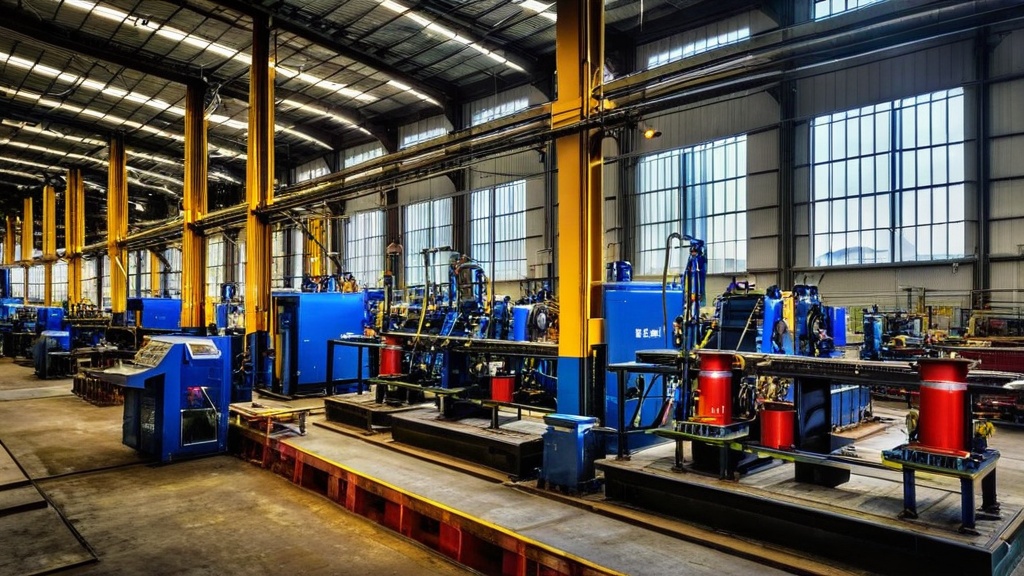
Engineering manufacturing is a cornerstone of modern industry, encompassing a wide array of processes that transform raw materials into finished products. This sector is not merely about production; it is a complex interplay of design, technology, and management that aims to optimize efficiency and quality. The evolution of engineering manufacturing has been driven by the need for innovation, cost reduction, and the ability to meet the ever-changing demands of consumers. As industries continue to evolve, the integration of advanced technologies has become paramount, leading to significant shifts in how products are conceived, developed, and delivered.
The significance of engineering manufacturing extends beyond mere production metrics; it plays a vital role in economic growth and job creation. As countries strive to enhance their manufacturing capabilities, they invest in research and development, workforce training, and infrastructure improvements. This investment not only boosts productivity but also fosters a culture of innovation that can lead to groundbreaking advancements. In this context, understanding the various facets of engineering manufacturing is essential for stakeholders aiming to navigate the complexities of the modern industrial landscape.
In the rapidly evolving landscape of engineering manufacture, the integration of advanced technologies is becoming increasingly crucial. A related article that delves into the implications of such advancements is available at this link: ai/2025/09/11/openais-massive-data-center-rental-deal-with-oracle/’>OpenAI’s Massive Data Center Rental Deal with Oracle.
This piece explores how strategic partnerships in technology can enhance manufacturing processes and drive innovation, highlighting the importance of robust data infrastructure in modern engineering practices.
Key Takeaways
- Automation and AI are transforming manufacturing processes for increased efficiency and precision.
- 3D printing and CNC machining advancements enable rapid prototyping and complex designs.
- Smart manufacturing and Industry 4.0 integrate IoT and data analytics for optimized production.
- Sustainable practices and new materials, including nanotechnology, are driving eco-friendly manufacturing.
- Robotics and advanced quality control systems enhance productivity and product reliability.
Automation in Manufacturing Processes
Automation has revolutionized manufacturing processes, enabling companies to achieve unprecedented levels of efficiency and precision. By integrating automated systems into production lines, manufacturers can reduce human error, minimize waste, and enhance overall productivity. Automation encompasses a range of technologies, from simple conveyor belts to sophisticated robotic systems that can perform complex tasks with remarkable accuracy. This shift towards automation has allowed manufacturers to streamline operations and respond more swiftly to market demands.
Moreover, the implementation of automation in manufacturing processes has significant implications for workforce dynamics. While some fear that automation may lead to job losses, it often creates new opportunities for skilled labor in areas such as system maintenance and programming. As routine tasks become automated, workers can focus on higher-value activities that require critical thinking and creativity. This transition not only enhances job satisfaction but also drives innovation within organizations as employees are empowered to contribute to strategic initiatives.
3D Printing Technology in Engineering Manufacturing
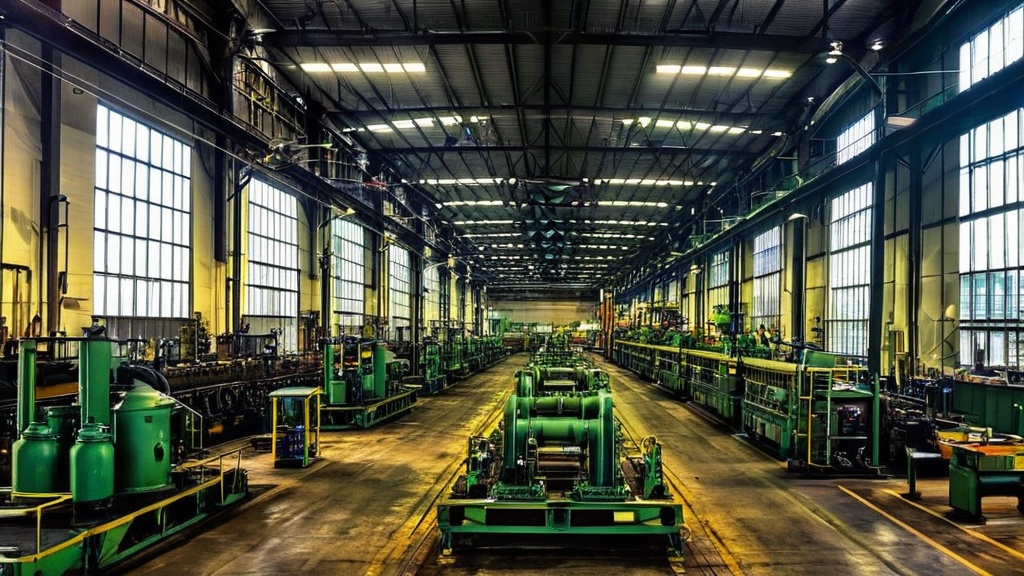
3D printing technology has emerged as a game-changer in engineering manufacturing, offering unprecedented flexibility and customization in product design. Unlike traditional manufacturing methods that often require extensive tooling and setup time, 3D printing allows for rapid prototyping and production of complex geometries directly from digital models. This capability significantly reduces lead times and costs associated with product development, making it an attractive option for both small startups and large enterprises.
The applications of 3D printing in engineering manufacturing are vast and varied. Industries ranging from aerospace to healthcare have embraced this technology to create lightweight components, intricate medical implants, and even entire structures. The ability to produce parts on-demand not only minimizes inventory costs but also enables manufacturers to respond quickly to changing customer preferences. As 3D printing technology continues to advance, its potential to disrupt traditional manufacturing paradigms becomes increasingly evident.
Advancements in CNC Machining
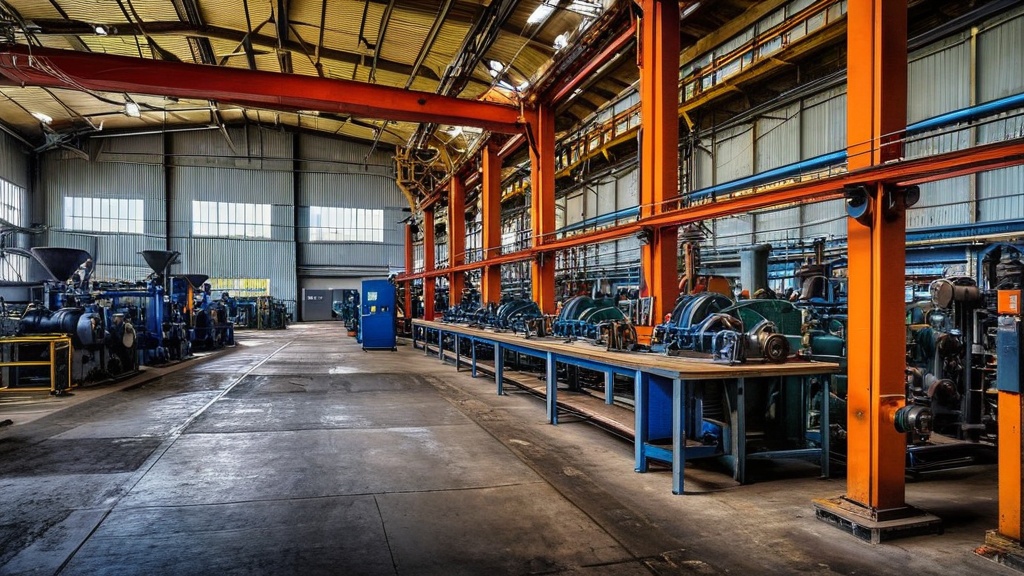
Computer Numerical Control (CNC) machining has undergone significant advancements over the years, transforming the way precision parts are manufactured. CNC machines utilize computer programming to control tools and machinery with remarkable accuracy, allowing for the production of intricate components that meet stringent specifications.
The evolution of CNC technology has led to enhanced capabilities such as multi-axis machining, which enables the creation of complex shapes in a single setup.
These advancements have not only improved the efficiency of CNC machining but have also expanded its applications across various industries. From automotive to aerospace, CNC machining is integral in producing high-quality parts with minimal waste. Furthermore, the integration of advanced software solutions allows manufacturers to optimize machining processes through simulation and real-time monitoring. As CNC technology continues to evolve, it remains a critical component of modern engineering manufacturing.
The concept of smart manufacturing is at the forefront of the Industry 4.0 revolution, characterized by the integration of digital technologies into manufacturing processes. Smart manufacturing leverages the Internet of Things (IoT), big data analytics, and artificial intelligence to create interconnected systems that enhance operational efficiency and decision-making. By harnessing real-time data from machines and sensors, manufacturers can gain valuable insights into their operations, enabling them to optimize production schedules and reduce downtime.
Industry 4.0 represents a paradigm shift in how manufacturers approach production and supply chain management. The emphasis on connectivity and data-driven decision-making allows for greater flexibility and responsiveness to market changes. As manufacturers adopt smart technologies, they can create more agile production environments that can quickly adapt to customer demands while maintaining high levels of quality. This transformation not only enhances competitiveness but also positions companies for long-term success in an increasingly digital world.
In the rapidly evolving field of engineering manufacture, understanding the impact of emerging technologies is crucial for staying competitive. A recent article discusses how significant investments in metadata centers are shaping the future of AI leadership and workforce transformation. This investment, projected to reach $600 billion by 2028, is expected to revolutionize training and digital capabilities across various industries. For more insights on this transformative trend, you can read the full article here.
Sustainable Manufacturing Practices in Engineering
| Metric | Description | Typical Value | Unit |
|---|---|---|---|
| Production Rate | Number of units produced per hour | 500 | units/hour |
| Cycle Time | Time taken to complete one manufacturing cycle | 45 | seconds |
| Yield Rate | Percentage of products meeting quality standards | 98.5 | % |
| Downtime | Time when manufacturing equipment is not operational | 2 | hours/day |
| Scrap Rate | Percentage of materials wasted during production | 1.2 | % |
| Energy Consumption | Energy used per unit produced | 15 | kWh/unit |
| Labor Productivity | Units produced per labor hour | 20 | units/labor hour |
| Equipment Utilization | Percentage of time equipment is actively used | 85 | % |
Sustainability has become a critical consideration in engineering manufacturing as industries recognize their impact on the environment. Sustainable manufacturing practices aim to minimize waste, reduce energy consumption, and promote the responsible use of resources throughout the production process. By adopting eco-friendly materials and implementing energy-efficient technologies, manufacturers can significantly lower their carbon footprint while still meeting consumer demands.
The shift towards sustainable manufacturing is not merely a regulatory requirement; it is also driven by consumer preferences for environmentally responsible products. Companies that prioritize sustainability often enjoy enhanced brand loyalty and market differentiation. Furthermore, sustainable practices can lead to cost savings through improved resource efficiency and waste reduction. As engineering manufacturing continues to evolve, embracing sustainability will be essential for companies seeking to thrive in a competitive landscape.
In the ever-evolving landscape of engineering manufacture, the integration of agile methodologies and artificial intelligence is proving to be transformative. A recent article highlights how these innovations are enabling companies to accelerate value creation and enhance operational efficiency. For those interested in exploring this topic further, you can read about the impact of these technologies in the article on embracing agile and AI for value acceleration. This insightful piece delves into the strategies that organizations are adopting to stay competitive in a rapidly changing market.
Integration of Artificial Intelligence in Manufacturing
Artificial intelligence (AI) is transforming engineering manufacturing by enabling smarter decision-making and enhancing operational efficiency. AI algorithms can analyze vast amounts of data generated by manufacturing processes, identifying patterns and trends that humans may overlook. This capability allows manufacturers to optimize production schedules, predict equipment failures, and improve quality control measures.
The integration of AI into manufacturing processes also facilitates predictive maintenance strategies that can significantly reduce downtime and maintenance costs. By leveraging machine learning algorithms, manufacturers can anticipate when equipment is likely to fail and schedule maintenance proactively. This shift from reactive to proactive maintenance not only enhances productivity but also extends the lifespan of machinery. As AI continues to advance, its role in engineering manufacturing will only grow more prominent.
Advancements in Materials and Nanotechnology
The field of materials science has witnessed remarkable advancements that have profound implications for engineering manufacturing. Innovations in materials development have led to the creation of lightweight composites, high-strength alloys, and smart materials that respond dynamically to environmental changes. These advancements enable manufacturers to produce products that are not only stronger but also more efficient in terms of energy consumption.
Nanotechnology is at the forefront of these material advancements, allowing for the manipulation of materials at the molecular level. This capability opens up new possibilities for creating materials with enhanced properties such as increased durability or improved thermal conductivity. As manufacturers continue to explore the potential of nanotechnology, they can develop products that meet the demands of modern applications while pushing the boundaries of what is possible in engineering manufacturing.
Robotics and Robotic Manufacturing Systems
Robotics has become an integral part of engineering manufacturing, providing solutions that enhance productivity and precision across various applications. Robotic systems are capable of performing repetitive tasks with high accuracy, reducing human error while increasing throughput. From assembly lines to material handling, robots are transforming how products are manufactured by streamlining processes and improving overall efficiency.
The evolution of robotic technology has also led to the development of collaborative robots (cobots) that work alongside human operators. These cobots are designed with safety features that allow them to operate in close proximity to workers without compromising safety. This collaboration between humans and robots not only enhances productivity but also fosters a more flexible work environment where tasks can be shared based on skill sets. As robotics technology continues to advance, its impact on engineering manufacturing will only deepen.
Quality Control and Inspection in Engineering Manufacturing
Quality control is a critical aspect of engineering manufacturing that ensures products meet established standards and specifications. The integration of advanced inspection technologies has revolutionized quality control processes by enabling real-time monitoring and analysis throughout production cycles. Techniques such as automated optical inspection (AOI) and non-destructive testing (NDT) allow manufacturers to identify defects early in the production process, reducing waste and rework costs.
Moreover, data analytics plays a pivotal role in enhancing quality control measures by providing insights into production trends and potential areas for improvement. By analyzing historical data alongside real-time metrics, manufacturers can implement corrective actions proactively rather than reactively addressing quality issues after they arise. This shift towards data-driven quality control not only improves product reliability but also enhances customer satisfaction by ensuring consistent quality across all manufactured goods.
Future Trends and Innovations in Engineering Manufacturing
As engineering manufacturing continues to evolve, several trends are poised to shape its future landscape significantly. The ongoing digital transformation will likely lead to even greater integration of advanced technologies such as AI, IoT, and blockchain into manufacturing processes. These innovations will enable manufacturers to create more resilient supply chains while enhancing transparency and traceability throughout production cycles.
Additionally, the focus on sustainability will drive further innovations as companies seek ways to minimize their environmental impact while maintaining profitability. The development of circular economy models—where products are designed for reuse or recycling—will become increasingly important as consumers demand more sustainable options. As these trends unfold, engineering manufacturing will continue to adapt and innovate, ensuring its relevance in an ever-changing global economy.
In conclusion, engineering manufacturing stands at a pivotal moment characterized by rapid technological advancements and evolving market demands. By embracing automation, smart technologies, sustainable practices, and innovative materials science, manufacturers can position themselves for success in an increasingly competitive landscape. The future holds immense potential for those willing to adapt and innovate within this dynamic field.
FAQs
What is engineering manufacture?
Engineering manufacture refers to the process of designing, producing, and assembling products or components using engineering principles and manufacturing techniques. It involves transforming raw materials into finished goods through various methods such as machining, casting, molding, and fabrication.
What are the main types of manufacturing processes used in engineering?
The main types of manufacturing processes include casting, machining, forming, joining, and additive manufacturing. Each process is selected based on the material, design requirements, production volume, and desired properties of the final product.
What role does quality control play in engineering manufacture?
Quality control is essential in engineering manufacture to ensure that products meet specified standards and function reliably. It involves inspection, testing, and monitoring of manufacturing processes to detect defects and maintain consistency in production.
How has technology impacted engineering manufacture?
Advancements in technology, such as computer-aided design (CAD), computer-aided manufacturing (CAM), automation, and robotics, have significantly improved precision, efficiency, and flexibility in engineering manufacture. These technologies enable faster prototyping, reduced waste, and higher production rates.
What materials are commonly used in engineering manufacture?
Common materials used in engineering manufacture include metals (such as steel, aluminum, and titanium), polymers, ceramics, and composites. The choice of material depends on factors like strength, weight, cost, and environmental resistance required for the application.


















Leave a Reply