






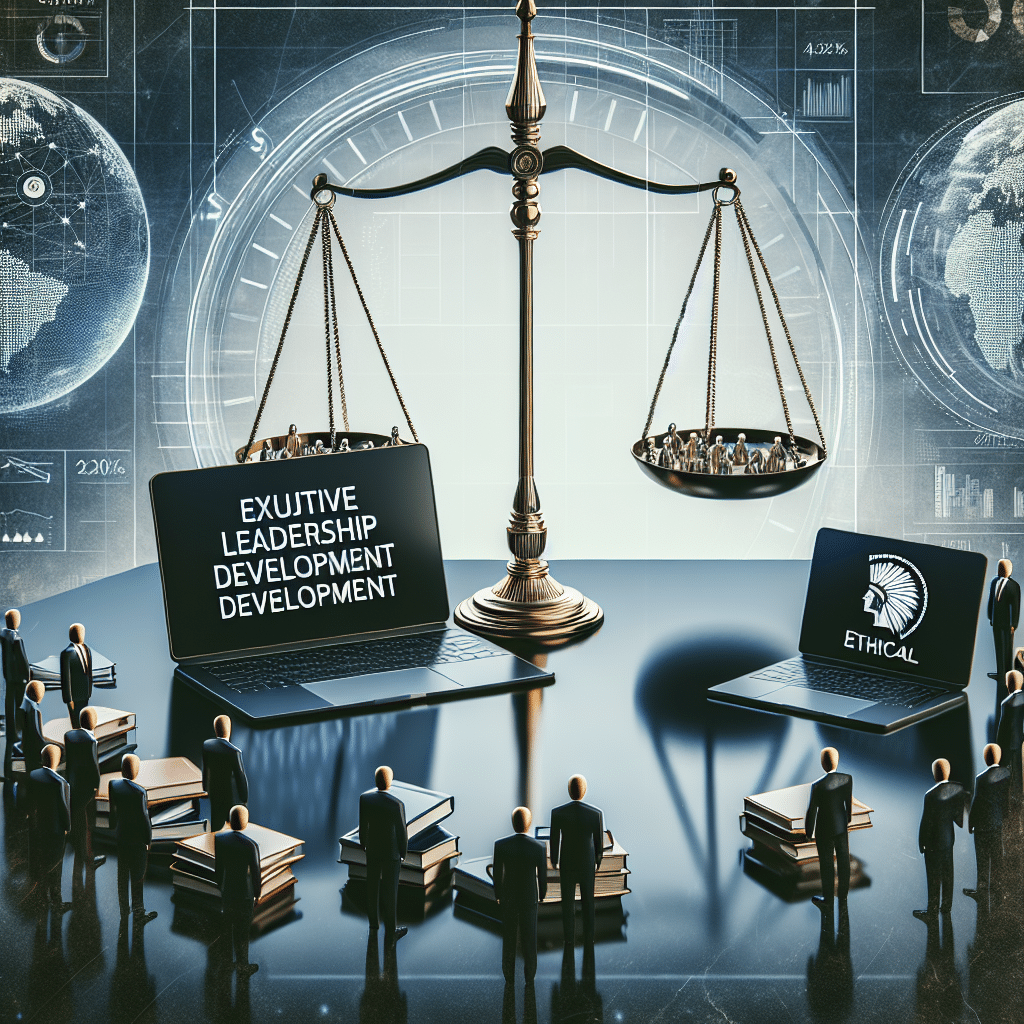
The landscape of executive leadership is no longer static; it is shaped by rapid technological advancements and shifting organizational dynamics. Leadership programs for executives must therefore focus on competencies that reflect this evolving reality. The best candidates for these programs are those who recognize the importance of adaptability and are committed to continuous learning.
Understanding the evolving landscape of leadership skills
Today’s executives must cultivate a diverse skill set that includes not only traditional management abilities but also digital literacy and an understanding of data-driven decision-making. This shift emphasizes the need for leadership programs to integrate technology-focused training alongside interpersonal skills development.
- Digital literacy: Understanding AI, data analytics, and their implications for business strategy.
- Interpersonal skills: Enhancing communication, collaboration, and conflict resolution abilities.
Executives who fail to adapt to new technological landscapes risk obsolescence.
Critical thinking and decision-making in high-stakes environments
Critical thinking has become a buzzword, yet its application in real-world scenarios often falls short. Programs that emphasize critical thinking must provide practical frameworks for executives to analyze complex situations under pressure. This is particularly vital in high-stakes environments where decisions can have far-reaching consequences.
Best for scenarios include organizations facing rapid change or crisis management situations, where decisive action is required. However, one limitation of many leadership programs is their tendency to focus on theoretical models rather than actionable strategies tailored to specific contexts.
‘For example, an executive leading a merger may utilize frameworks learned from a program to assess cultural fit between organizations quickly. Yet, many leaders overestimate their ability to apply these frameworks without sufficient practice or real-time feedback during training.
‘Emotional intelligence as a driver of effective leadership
However, many organizations misinterpret EI as merely being nice or empathetic. This oversimplification can lead teams to undervalue the strategic importance of emotional intelligence in driving performance outcomes. Effective programs should clarify how EI translates into measurable business results.
In practice, an executive might leverage EI skills during challenging negotiations by recognizing emotional cues from stakeholders, allowing them to adjust their approach dynamically. Yet, without consistent reinforcement through practice or mentorship, these skills can diminish over time.
The landscape of executive leadership is no longer static; it is shaped by rapid technological advancements and shifting organizational dynamics. Leadership programs for executives must therefore focus on competencies that reflect this evolving reality. The best candidates for these programs are those who recognize the importance of adaptability and are committed to continuous learning.
Understanding the evolving landscape of leadership skills
Today’s executives must cultivate a diverse skill set that includes not only traditional management abilities but also digital literacy and an understanding of data-driven decision-making. This shift emphasizes the need for leadership programs to integrate technology-focused training alongside interpersonal skills development.
- Digital literacy: Understanding AI, data analytics, and their implications for business strategy.
- Interpersonal skills: Enhancing communication, collaboration, and conflict resolution abilities.
Executives who fail to adapt to new technological landscapes risk obsolescence.
Critical thinking and decision-making in high-stakes environments
Critical thinking has become a buzzword, yet its application in real-world scenarios often falls short. Programs that emphasize critical thinking must provide practical frameworks for executives to analyze complex situations under pressure. This is particularly vital in high-stakes environments where decisions can have far-reaching consequences.
Best for scenarios include organizations facing rapid change or crisis management situations, where decisive action is required. However, one limitation of many leadership programs is their tendency to focus on theoretical models rather than actionable strategies tailored to specific contexts.
‘For example, an executive leading a merger may utilize frameworks learned from a program to assess cultural fit between organizations quickly. Yet, many leaders overestimate their ability to apply these frameworks without sufficient practice or real-time feedback during training.
‘Emotional intelligence as a driver of effective leadership
However, many organizations misinterpret EI as merely being nice or empathetic. This oversimplification can lead teams to undervalue the strategic importance of emotional intelligence in driving performance outcomes. Effective programs should clarify how EI translates into measurable business results.
In practice, an executive might leverage EI skills during challenging negotiations by recognizing emotional cues from stakeholders, allowing them to adjust their approach dynamically. Yet, without consistent reinforcement through practice or mentorship, these skills can diminish over time.
Types of Leadership Programs Tailored for Executives
Leadership programs for executives come in various forms, each designed to address specific needs and contexts. Understanding these differences is crucial for selecting the right program that aligns with an executive’s goals and organizational objectives.
Executive coaching versus traditional training programs
Executive coaching is best suited for individuals seeking personalized guidance to enhance their leadership effectiveness. Unlike traditional training programs, which often take a one-size-fits-all approach, coaching focuses on the unique challenges and aspirations of the individual leader. This tailored method fosters deeper self-awareness and accountability.
However, a limitation of executive coaching is its reliance on the coachee’s willingness to engage fully in the process. Without active participation, the expected outcomes may not materialize. For instance, an executive may struggle to apply insights gained from sessions if they do not implement feedback in real-time decision-making.
Many organizations mistakenly assume that all leaders will benefit equally from coaching. In reality, those who are open to introspection and change see the most significant gains. A common misstep is underestimating the time required to cultivate trust between coach and coachee, which can hinder progress if rushed.
Online vs. in-person leadership development formats
Online leadership development programs have surged in popularity due to their flexibility and accessibility. They are ideal for busy executives who need to fit learning into packed schedules without geographical constraints.
Despite these advantages, online formats may lack the personal connection found in in-person programs. This can impact networking opportunities and limit spontaneous discussions that often lead to deeper insights. For example, an executive attending a virtual workshop might miss out on valuable peer interactions that could enhance their learning experience.
The choice between online and in-person formats should depend on individual learning preferences and organizational culture.
‘Industry-specific leadership programs and their unique offerings
Industry-specific leadership programs cater directly to the nuances of particular sectors, providing executives with relevant case studies and best practices tailored to their field. These specialized offerings can significantly enhance understanding of industry trends and challenges.
However, one trade-off is that such programs may lack broader perspectives applicable across different industries. Executives might find themselves limited by a narrow focus if they do not also seek out cross-industry learning opportunities.
- Executive coaching fits best when leaders are ready for personal growth.
- Online formats work well for those needing flexibility.
- Industry-specific programs are ideal for gaining targeted insights but should be complemented with broader training.
Leadership programs for executives come in various forms, each designed to address specific needs and contexts. Understanding these differences is crucial for selecting the right program that aligns with an executive’s goals and organizational objectives.
Executive coaching versus traditional training programs
Executive coaching is best suited for individuals seeking personalized guidance to enhance their leadership effectiveness. Unlike traditional training programs, which often take a one-size-fits-all approach, coaching focuses on the unique challenges and aspirations of the individual leader. This tailored method fosters deeper self-awareness and accountability.
However, a limitation of executive coaching is its reliance on the coachee’s willingness to engage fully in the process. Without active participation, the expected outcomes may not materialize. For instance, an executive may struggle to apply insights gained from sessions if they do not implement feedback in real-time decision-making.
Many organizations mistakenly assume that all leaders will benefit equally from coaching. In reality, those who are open to introspection and change see the most significant gains. A common misstep is underestimating the time required to cultivate trust between coach and coachee, which can hinder progress if rushed.
Online vs. in-person leadership development formats
Online leadership development programs have surged in popularity due to their flexibility and accessibility. They are ideal for busy executives who need to fit learning into packed schedules without geographical constraints.
Despite these advantages, online formats may lack the personal connection found in in-person programs. This can impact networking opportunities and limit spontaneous discussions that often lead to deeper insights. For example, an executive attending a virtual workshop might miss out on valuable peer interactions that could enhance their learning experience.
The choice between online and in-person formats should depend on individual learning preferences and organizational culture.
‘Industry-specific leadership programs and their unique offerings
Industry-specific leadership programs cater directly to the nuances of particular sectors, providing executives with relevant case studies and best practices tailored to their field. These specialized offerings can significantly enhance understanding of industry trends and challenges.
However, one trade-off is that such programs may lack broader perspectives applicable across different industries. Executives might find themselves limited by a narrow focus if they do not also seek out cross-industry learning opportunities.
- Executive coaching fits best when leaders are ready for personal growth.
- Online formats work well for those needing flexibility.
- Industry-specific programs are ideal for gaining targeted insights but should be complemented with broader training.
Integrating AI into Leadership Development Curricula
Integrating AI into leadership programs for executives is essential for organizations aiming to cultivate adaptive and forward-thinking leaders. These programs fit best when the organization is ready to leverage technology not just as a tool, but as a transformative force in leadership development.
Leveraging data analytics to personalize executive training experiences
Data analytics can tailor training experiences by identifying individual learning styles and gaps in knowledge. For instance, an organization might use analytics to assess past performance metrics and feedback from previous training sessions, allowing them to customize content that addresses specific weaknesses or interests of their executives. However, a significant limitation is the potential for data overload; if organizations fail to focus on actionable insights rather than sheer volume of data, they risk creating confusion rather than clarity in their training approaches.
Utilizing AI-driven simulations for real-world decision-making practice
AI-driven simulations offer executives an opportunity to engage in realistic scenarios that mimic high-stakes decision-making environments. For instance, a simulation might present an executive with a crisis situation requiring immediate response, allowing them to practice strategic thinking under pressure. While these tools provide valuable experiential learning opportunities, they can also lead executives to overestimate their preparedness for real-world challenges. Many fail to recognize that simulations cannot replicate every nuance of actual decision-making contexts.
The role of AI in measuring leadership effectiveness and outcomes
‘AI’s capability to analyze performance metrics and gather feedback in real-time can significantly enhance the evaluation of leadership effectiveness. By employing machine learning algorithms, organizations can track changes in team dynamics and productivity following leadership interventions. However, relying solely on quantitative metrics may overlook qualitative factors such as employee morale or engagement levels—elements critical to long-term success but harder to quantify. Organizations must balance numerical data with human insights for a holistic view of leadership impact.
AI integration into leadership programs is not merely about adopting new technologies; it requires a cultural shift within the organization.
Integrating AI into leadership programs for executives is essential for organizations aiming to cultivate adaptive and forward-thinking leaders. These programs fit best when the organization is ready to leverage technology not just as a tool, but as a transformative force in leadership development.
Leveraging data analytics to personalize executive training experiences
Data analytics can tailor training experiences by identifying individual learning styles and gaps in knowledge. For instance, an organization might use analytics to assess past performance metrics and feedback from previous training sessions, allowing them to customize content that addresses specific weaknesses or interests of their executives. However, a significant limitation is the potential for data overload; if organizations fail to focus on actionable insights rather than sheer volume of data, they risk creating confusion rather than clarity in their training approaches.
Utilizing AI-driven simulations for real-world decision-making practice
AI-driven simulations offer executives an opportunity to engage in realistic scenarios that mimic high-stakes decision-making environments. For instance, a simulation might present an executive with a crisis situation requiring immediate response, allowing them to practice strategic thinking under pressure. While these tools provide valuable experiential learning opportunities, they can also lead executives to overestimate their preparedness for real-world challenges. Many fail to recognize that simulations cannot replicate every nuance of actual decision-making contexts.
The role of AI in measuring leadership effectiveness and outcomes
‘AI’s capability to analyze performance metrics and gather feedback in real-time can significantly enhance the evaluation of leadership effectiveness. By employing machine learning algorithms, organizations can track changes in team dynamics and productivity following leadership interventions. However, relying solely on quantitative metrics may overlook qualitative factors such as employee morale or engagement levels—elements critical to long-term success but harder to quantify. Organizations must balance numerical data with human insights for a holistic view of leadership impact.
AI integration into leadership programs is not merely about adopting new technologies; it requires a cultural shift within the organization.
Measuring the Impact of Leadership Programs on Career Advancement
The effectiveness of leadership programs for executives is often gauged through specific metrics that can directly correlate with career advancement. These programs are best suited for organizations that prioritize measurable outcomes and seek to align training with strategic business goals.
Key performance indicators (KPIs) for evaluating program success
Establishing KPIs is critical in evaluating the success of leadership programs. Commonly used metrics include promotion rates, retention of trained leaders, and improvements in team performance. However, a notable limitation is that organizations may overly focus on quantitative measures while neglecting qualitative outcomes such as employee satisfaction or cultural shifts within teams.
For instance, a company might track the percentage of participants promoted within a year post-training. While this data provides insight into immediate career progression, it may not capture long-term leadership effectiveness or engagement levels, which are equally important.
Longitudinal studies on career trajectories post-training
Longitudinal studies provide valuable insights into how participation in leadership programs influences career trajectories over time. These studies often reveal patterns indicating sustained growth among participants compared to their peers who did not engage in such training. However, a common pitfall is assuming causation based solely on participation without considering external factors like market conditions or organizational changes.
‘For example, an executive who took part in a high-level leadership program may see a rise in their career due to skills gained; yet, if their organization simultaneously underwent structural changes favoring upward mobility, attributing their advancement solely to the program could be misleading.
‘Feedback mechanisms and continuous improvement strategies
‘Implementing robust feedback mechanisms is essential for refining leadership programs. Organizations should actively solicit feedback from participants regarding the relevance and applicability of the training content. A significant limitation here is that many organizations fail to act on this feedback, leading to stagnation in program effectiveness.
‘For instance, after completing a program, executives might provide insights on specific areas they found lacking or overly theoretical. Without incorporating these suggestions into future iterations of the program, organizations risk perpetuating ineffective practices and disengaging future cohorts.
Effective measurement of leadership program impact requires both quantitative and qualitative assessments to capture the full scope of benefits realized by participants.
The effectiveness of leadership programs for executives is often gauged through specific metrics that can directly correlate with career advancement. These programs are best suited for organizations that prioritize measurable outcomes and seek to align training with strategic business goals.
Key performance indicators (KPIs) for evaluating program success
Establishing KPIs is critical in evaluating the success of leadership programs. Commonly used metrics include promotion rates, retention of trained leaders, and improvements in team performance. However, a notable limitation is that organizations may overly focus on quantitative measures while neglecting qualitative outcomes such as employee satisfaction or cultural shifts within teams.
For instance, a company might track the percentage of participants promoted within a year post-training. While this data provides insight into immediate career progression, it may not capture long-term leadership effectiveness or engagement levels, which are equally important.
Longitudinal studies on career trajectories post-training
Longitudinal studies provide valuable insights into how participation in leadership programs influences career trajectories over time. These studies often reveal patterns indicating sustained growth among participants compared to their peers who did not engage in such training. However, a common pitfall is assuming causation based solely on participation without considering external factors like market conditions or organizational changes.
‘For example, an executive who took part in a high-level leadership program may see a rise in their career due to skills gained; yet, if their organization simultaneously underwent structural changes favoring upward mobility, attributing their advancement solely to the program could be misleading.
‘Feedback mechanisms and continuous improvement strategies
‘Implementing robust feedback mechanisms is essential for refining leadership programs. Organizations should actively solicit feedback from participants regarding the relevance and applicability of the training content. A significant limitation here is that many organizations fail to act on this feedback, leading to stagnation in program effectiveness.
‘For instance, after completing a program, executives might provide insights on specific areas they found lacking or overly theoretical. Without incorporating these suggestions into future iterations of the program, organizations risk perpetuating ineffective practices and disengaging future cohorts.
Effective measurement of leadership program impact requires both quantitative and qualitative assessments to capture the full scope of benefits realized by participants.
Creating a Culture of Continuous Learning Among Executives
Establishing a culture of continuous learning is essential for organizations aiming to maintain a competitive edge. Leadership programs for executives fit best when they are integrated into an overarching strategy that prioritizes ongoing development and adaptability within the leadership team.
Strategies for fostering an environment that values ongoing development
To cultivate this environment, organizations should implement structured learning paths that encourage executives to pursue professional growth actively. This can include regular workshops, access to online courses, and opportunities for cross-functional collaboration. However, one limitation is the potential for executive burnout; if not managed properly, the pressure to continually learn can lead to disengagement rather than empowerment.
For instance, an organization might schedule quarterly leadership retreats focused on skill enhancement while integrating informal peer-learning sessions throughout the year. This approach not only reinforces learning but also fosters camaraderie among leaders. Yet, many organizations underestimate the need for balance; overloading executives with training can backfire if their day-to-day responsibilities are not adequately managed.
The importance of peer learning and mentorship in leadership growth
‘Peer learning and mentorship are critical components in developing effective leaders. These relationships provide executives with diverse perspectives and experiences that enrich their understanding of complex challenges. However, organizations often miscalculate the time required to build these connections; without dedicated time for mentoring relationships to flourish, their effectiveness diminishes.
‘For example, a senior executive might mentor a newer leader through regular one-on-one meetings focused on real-time challenges they face. This hands-on approach allows mentees to apply theoretical knowledge in practical contexts. Still, many leaders mistakenly assume that mentorship will yield immediate results without recognizing that trust and rapport take time to establish.
‘Aligning organizational goals with individual executive development plans
‘Aligning personal development goals with organizational objectives is crucial for maximizing the impact of leadership programs. When executives see how their growth contributes directly to company success, engagement levels rise significantly. However, a common pitfall is treating these development plans as static documents rather than dynamic frameworks that evolve alongside both individual aspirations and organizational needs.
‘An effective workflow might involve quarterly reviews where executives reassess their goals against current organizational priorities, adjusting their development plans accordingly. While this proactive approach enables agility in leadership growth, many organizations fail to implement consistent feedback loops necessary for maintaining alignment over time.
Continuous learning must be embedded into the organizational culture rather than treated as an isolated initiative.
Establishing a culture of continuous learning is essential for organizations aiming to maintain a competitive edge. Leadership programs for executives fit best when they are integrated into an overarching strategy that prioritizes ongoing development and adaptability within the leadership team.
Strategies for fostering an environment that values ongoing development
To cultivate this environment, organizations should implement structured learning paths that encourage executives to pursue professional growth actively. This can include regular workshops, access to online courses, and opportunities for cross-functional collaboration. However, one limitation is the potential for executive burnout; if not managed properly, the pressure to continually learn can lead to disengagement rather than empowerment.
For instance, an organization might schedule quarterly leadership retreats focused on skill enhancement while integrating informal peer-learning sessions throughout the year. This approach not only reinforces learning but also fosters camaraderie among leaders. Yet, many organizations underestimate the need for balance; overloading executives with training can backfire if their day-to-day responsibilities are not adequately managed.
The importance of peer learning and mentorship in leadership growth
‘Peer learning and mentorship are critical components in developing effective leaders. These relationships provide executives with diverse perspectives and experiences that enrich their understanding of complex challenges. However, organizations often miscalculate the time required to build these connections; without dedicated time for mentoring relationships to flourish, their effectiveness diminishes.
‘For example, a senior executive might mentor a newer leader through regular one-on-one meetings focused on real-time challenges they face. This hands-on approach allows mentees to apply theoretical knowledge in practical contexts. Still, many leaders mistakenly assume that mentorship will yield immediate results without recognizing that trust and rapport take time to establish.
‘Aligning organizational goals with individual executive development plans
‘Aligning personal development goals with organizational objectives is crucial for maximizing the impact of leadership programs. When executives see how their growth contributes directly to company success, engagement levels rise significantly. However, a common pitfall is treating these development plans as static documents rather than dynamic frameworks that evolve alongside both individual aspirations and organizational needs.
‘An effective workflow might involve quarterly reviews where executives reassess their goals against current organizational priorities, adjusting their development plans accordingly. While this proactive approach enables agility in leadership growth, many organizations fail to implement consistent feedback loops necessary for maintaining alignment over time.
Continuous learning must be embedded into the organizational culture rather than treated as an isolated initiative.
Challenges in Implementing Effective Leadership Programs
Implementing effective leadership programs for executives often encounters significant obstacles that can undermine their potential impact. One of the most pressing challenges is addressing resistance to change within organizations. This resistance can stem from entrenched mindsets or a lack of understanding regarding the benefits of leadership development.
Addressing resistance to change within organizations
Leadership programs fit best when organizations are open to evolving their culture and practices. However, a common limitation is that executives may underestimate the depth of resistance they face. For instance, when implementing a new coaching initiative, leaders might assume that all team members will embrace it without considering existing skepticism or previous negative experiences with training.
‘In practice, an executive might encounter pushback from staff who feel overwhelmed by additional responsibilities. To mitigate this, it’s crucial to engage stakeholders early in the process and communicate the program’s value clearly. Many organizations fail to do this effectively, leading to disengagement and lackluster participation rates.
Balancing time constraints with training commitments for executives
‘Another challenge involves balancing time constraints with the need for comprehensive training. Executives often juggle multiple priorities, making it difficult to dedicate sufficient time to leadership development initiatives. This scenario is particularly prevalent in fast-paced industries where immediate results are expected.
‘For example, an executive responsible for a major project may find it challenging to attend a multi-day workshop due to looming deadlines. While flexibility in program structure can alleviate some pressure—such as offering blended learning options—many organizations miscalculate how much time executives realistically have available for training.
Overloading executives with training can lead to burnout rather than growth.
‘Ensuring alignment between program content and organizational strategy
‘Aligning leadership program content with organizational strategy is critical yet frequently mishandled. Programs that do not reflect current business goals risk becoming irrelevant and failing to engage participants effectively. This misalignment often occurs when programs are developed without adequate input from key stakeholders or an understanding of strategic priorities.
‘For instance, if an organization shifts its focus towards digital transformation but continues offering traditional management training, executives will likely perceive the program as disconnected from their real-world challenges. Many organizations mistakenly believe that generic content will suffice; however, tailored approaches yield significantly better engagement and application of learned skills.
Implementing effective leadership programs for executives often encounters significant obstacles that can undermine their potential impact. One of the most pressing challenges is addressing resistance to change within organizations. This resistance can stem from entrenched mindsets or a lack of understanding regarding the benefits of leadership development.
Addressing resistance to change within organizations
Leadership programs fit best when organizations are open to evolving their culture and practices. However, a common limitation is that executives may underestimate the depth of resistance they face. For instance, when implementing a new coaching initiative, leaders might assume that all team members will embrace it without considering existing skepticism or previous negative experiences with training.
‘In practice, an executive might encounter pushback from staff who feel overwhelmed by additional responsibilities. To mitigate this, it’s crucial to engage stakeholders early in the process and communicate the program’s value clearly. Many organizations fail to do this effectively, leading to disengagement and lackluster participation rates.
Balancing time constraints with training commitments for executives
‘Another challenge involves balancing time constraints with the need for comprehensive training. Executives often juggle multiple priorities, making it difficult to dedicate sufficient time to leadership development initiatives. This scenario is particularly prevalent in fast-paced industries where immediate results are expected.
‘For example, an executive responsible for a major project may find it challenging to attend a multi-day workshop due to looming deadlines. While flexibility in program structure can alleviate some pressure—such as offering blended learning options—many organizations miscalculate how much time executives realistically have available for training.
Overloading executives with training can lead to burnout rather than growth.
‘Ensuring alignment between program content and organizational strategy
‘Aligning leadership program content with organizational strategy is critical yet frequently mishandled. Programs that do not reflect current business goals risk becoming irrelevant and failing to engage participants effectively. This misalignment often occurs when programs are developed without adequate input from key stakeholders or an understanding of strategic priorities.
‘For instance, if an organization shifts its focus towards digital transformation but continues offering traditional management training, executives will likely perceive the program as disconnected from their real-world challenges. Many organizations mistakenly believe that generic content will suffice; however, tailored approaches yield significantly better engagement and application of learned skills.
Future Trends in Executive Leadership Development Programs
The landscape of leadership programs for executives is evolving rapidly, influenced by technological advancements and societal shifts. Organizations must adapt to these trends to ensure their leadership development efforts remain relevant and impactful.
The rise of hybrid learning environments post-pandemic
Hybrid learning environments, which combine online and in-person training, have become the norm. These formats are particularly effective for executives who require flexibility due to demanding schedules. They fit best when organizations are committed to providing a comprehensive learning experience that accommodates various learning styles. However, one limitation is the potential dilution of personal interaction; without sufficient face-to-face engagement, networking opportunities may suffer.
‘For example, an executive might participate in a virtual leadership workshop while also attending quarterly in-person strategy sessions. This blended approach allows them to apply insights from online modules directly into real-world discussions. Many organizations overestimate the effectiveness of purely digital formats; they often miss the nuances of interpersonal communication that can only be developed through in-person interactions.
Emphasis on diversity, equity, and inclusion in leadership training initiatives
‘Diversity, equity, and inclusion (DEI) are no longer optional components of executive training; they are essential for fostering innovative leadership. Programs that prioritize DEI prepare executives to navigate increasingly diverse workplaces effectively. Best suited for organizations aiming to enhance their cultural competence, these initiatives can lead to improved team dynamics and decision-making processes.
‘However, a significant challenge lies in ensuring that DEI training is not merely performative but leads to actionable change within the organization. For instance, an executive might engage in workshops focused on unconscious bias while also implementing mentorship programs aimed at underrepresented groups within their teams. Many organizations mistakenly assume that a single DEI training session will suffice; true impact requires ongoing commitment and measurable accountability.
‘The growing importance of ethical leadership in the age of AI
‘As AI technologies proliferate across industries, ethical leadership has emerged as a critical focus area within executive programs. Leaders must understand not only how to leverage AI but also its ethical implications on decision-making processes and workforce dynamics. This trend fits best when organizations recognize the necessity of integrating ethical considerations into their strategic frameworks.
‘In practice, an executive might participate in case studies examining AI’s impact on privacy or employment practices while developing policies that reflect ethical considerations. A common misstep is underestimating the complexity of these issues; many leaders may feel equipped after superficial discussions but lack the depth needed for nuanced decision-making.
The future of leadership programs hinges on adaptability to emerging trends such as hybrid learning, DEI integration, and ethical considerations surrounding technology.
The landscape of leadership programs for executives is evolving rapidly, influenced by technological advancements and societal shifts. Organizations must adapt to these trends to ensure their leadership development efforts remain relevant and impactful.
The rise of hybrid learning environments post-pandemic
Hybrid learning environments, which combine online and in-person training, have become the norm. These formats are particularly effective for executives who require flexibility due to demanding schedules. They fit best when organizations are committed to providing a comprehensive learning experience that accommodates various learning styles. However, one limitation is the potential dilution of personal interaction; without sufficient face-to-face engagement, networking opportunities may suffer.
‘For example, an executive might participate in a virtual leadership workshop while also attending quarterly in-person strategy sessions. This blended approach allows them to apply insights from online modules directly into real-world discussions. Many organizations overestimate the effectiveness of purely digital formats; they often miss the nuances of interpersonal communication that can only be developed through in-person interactions.
Emphasis on diversity, equity, and inclusion in leadership training initiatives
‘Diversity, equity, and inclusion (DEI) are no longer optional components of executive training; they are essential for fostering innovative leadership. Programs that prioritize DEI prepare executives to navigate increasingly diverse workplaces effectively. Best suited for organizations aiming to enhance their cultural competence, these initiatives can lead to improved team dynamics and decision-making processes.
‘However, a significant challenge lies in ensuring that DEI training is not merely performative but leads to actionable change within the organization. For instance, an executive might engage in workshops focused on unconscious bias while also implementing mentorship programs aimed at underrepresented groups within their teams. Many organizations mistakenly assume that a single DEI training session will suffice; true impact requires ongoing commitment and measurable accountability.
‘The growing importance of ethical leadership in the age of AI
‘As AI technologies proliferate across industries, ethical leadership has emerged as a critical focus area within executive programs. Leaders must understand not only how to leverage AI but also its ethical implications on decision-making processes and workforce dynamics. This trend fits best when organizations recognize the necessity of integrating ethical considerations into their strategic frameworks.
‘In practice, an executive might participate in case studies examining AI’s impact on privacy or employment practices while developing policies that reflect ethical considerations. A common misstep is underestimating the complexity of these issues; many leaders may feel equipped after superficial discussions but lack the depth needed for nuanced decision-making.
The future of leadership programs hinges on adaptability to emerging trends such as hybrid learning, DEI integration, and ethical considerations surrounding technology.
Leadership Programs for Executives: Accelerate Your Career Growth
Identifying Key Competencies for Executive Leadership
The landscape of executive leadership is no longer static; it is shaped by rapid technological advancements and shifting organizational dynamics. Leadership programs for executives must therefore focus on competencies that reflect this evolving reality. The best candidates for these programs are those who recognize the importance of adaptability and are committed to continuous learning.
Understanding the evolving landscape of leadership skills
Today’s executives must cultivate a diverse skill set that includes not only traditional management abilities but also digital literacy and an understanding of data-driven decision-making. This shift emphasizes the need for leadership programs to integrate technology-focused training alongside interpersonal skills development.
- Digital literacy: Understanding AI, data analytics, and their implications for business strategy.
- Interpersonal skills: Enhancing communication, collaboration, and conflict resolution abilities.
Executives who fail to adapt to new technological landscapes risk obsolescence.
Critical thinking and decision-making in high-stakes environments
Critical thinking has become a buzzword, yet its application in real-world scenarios often falls short. Programs that emphasize critical thinking must provide practical frameworks for executives to analyze complex situations under pressure. This is particularly vital in high-stakes environments where decisions can have far-reaching consequences.
“,
“@id”:”https://iavva.ai/leadership-programs-for-executives-career-growth#blogpost”
}














Leave a Reply