






What Is Leadership Coaching and How Can It Transform Your Organization
In today’s fast-paced business landscape, effective leadership is more crucial than ever, and that’s where leadership coaching comes into play. This transformative approach not only enhances individual skills but also fosters a culture of growth and collaboration within organizations. In this post, we’ll explore what leadership coaching truly entails, the methodologies behind it, and how it can drive remarkable change in your organization’s dynamics and overall success. Whether you’re looking to refine your own leadership style or empower your teams, understanding the impact of coaching can be a game-changer.
Defining Leadership Coaching
Leadership coaching is a targeted developmental process focused on enhancing the leadership capabilities of individuals within an organization. It goes beyond mere skill-building; it aims to transform mindsets, behaviors, and ultimately, organizational culture.
Unlike mentoring or training, which often involve imparting knowledge or skills in a more generalized manner, leadership coaching is highly personalized. Coaches work closely with leaders to identify specific challenges and goals, tailoring their approach to meet the unique needs of each individual and their organizational context.
A common misconception is that coaching only benefits senior executives. In reality, effective leadership coaching can enhance the capabilities of managers at all levels. For instance, a mid-level manager struggling with team dynamics can benefit from tailored strategies that improve communication and conflict resolution skills.
Personalization in leadership coaching is key; it ensures that strategies align with both individual strengths and organizational objectives.
The distinction between coaching, mentoring, and training lies in their objectives and methods. Coaching is interactive and feedback-driven, focusing on unlocking potential through dialogue. Mentoring typically involves a more experienced individual guiding someone less experienced based on their own insights and experiences. Training often focuses on delivering specific knowledge or skills through structured programs.
An example of effective leadership coaching can be seen in a healthcare organization that implemented a program for mid-level managers facing high turnover rates among staff. By engaging these managers in personalized coaching sessions focused on emotional intelligence and team engagement strategies, they not only reduced turnover but also improved overall team morale.
The importance of personalized strategies cannot be overstated. Leaders are often faced with complex challenges that require nuanced solutions tailored to their unique situations. Generic approaches may fail to resonate or yield results because they don’t consider the specific dynamics at play within a given organization.
Methodologies in Leadership Coaching
Leadership coaching employs various methodologies to address the diverse needs of leaders within an organization. Common approaches include one-on-one coaching, group sessions, and structured workshops. Each method has its strengths and weaknesses, making it crucial to select the right format based on organizational goals and individual preferences.
Different Approaches
One-on-one coaching provides a personalized experience, allowing coaches to tailor their strategies to an individual’s specific challenges. This method is particularly effective for addressing sensitive issues or fostering deep personal development. Conversely, group sessions can enhance team dynamics by encouraging collaborative learning and shared experiences. Workshops can provide intensive skill-building in a short timeframe but may lack the personalized touch that individual coaching offers.
- One-on-one coaching for tailored development.
- Group sessions for team alignment and collaboration.
- Workshops for intensive skill enhancement.
Choosing the right methodology is essential; mismatched approaches can hinder progress.
Use of Assessments
Incorporating assessments such as 360-degree feedback plays a vital role in customizing leadership coaching experiences. These assessments gather insights from multiple sources—peers, subordinates, and superiors—offering a comprehensive view of a leader’s strengths and areas for improvement. By analyzing this feedback, coaches can develop targeted action plans that resonate with individual leaders’ needs and their organization’s culture.
For example, an executive at a tech startup utilized 360-degree feedback to identify gaps in communication skills that were impacting team morale. Through focused coaching sessions based on this feedback, the executive improved their leadership communication skills significantly, resulting in better team cohesion and performance.
Feedback is not just data; it’s a roadmap for growth.
Integration of AI Tools
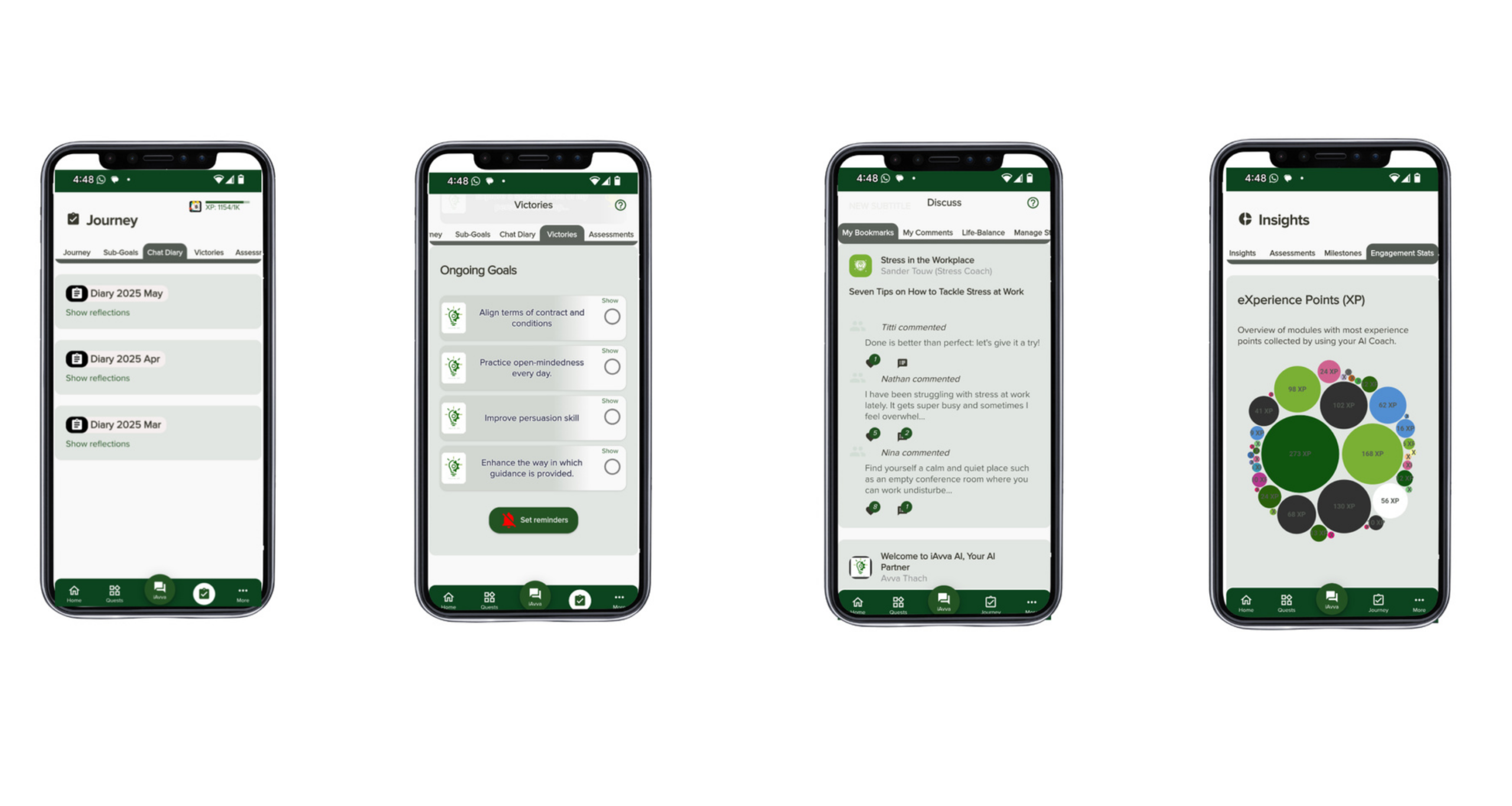
The integration of AI tools in leadership coaching offers innovative ways to track progress and outcomes. These tools can analyze behavioral patterns over time, providing coaches with data-driven insights that inform future sessions. By leveraging AI analytics, organizations can assess the effectiveness of coaching interventions more rigorously than traditional methods allow.
A notable instance is when a financial services firm implemented AI-driven analytics to monitor leadership performance metrics post-coaching engagement. The results showed measurable improvements in decision-making speed and employee satisfaction scores that correlated directly with the coaching initiatives.
AI enhances accountability; it ensures leaders remain focused on growth objectives.
Understanding these methodologies allows organizations to design robust leadership development programs that are not only effective but also sustainable over time. The real challenge lies in aligning these methods with specific organizational goals while ensuring they cater to individual leader’s needs.
Benefits of Leadership Coaching for Organizations
Leadership coaching delivers tangible benefits that extend far beyond individual development. One of the most significant advantages is improved decision-making and strategic thinking among leaders. When leaders engage in coaching, they learn to analyze situations more thoroughly and consider diverse perspectives, which enhances their ability to make informed decisions. This shift not only aids in their personal growth but also positively impacts the entire organization.
However, a common misconception is that leadership coaching is a quick fix for decision-making issues. In reality, it requires time and consistent engagement to see lasting change. Leaders must be willing to reflect on their practices and implement new strategies, which can initially be uncomfortable. The trade-off here is that while the process may feel slow at first, the long-term gains in leadership effectiveness are substantial.
Enhanced Team Collaboration and Communication
Another critical benefit of leadership coaching is enhanced team collaboration and communication. When leaders undergo coaching, they often develop better interpersonal skills and emotional intelligence, which are crucial for fostering an inclusive team environment. Improved communication leads to clearer expectations and stronger relationships among team members.
For example, a manufacturing company implemented leadership coaching for its supervisors who were struggling with high conflict rates among teams. Post-coaching evaluations revealed significant improvements in how these supervisors facilitated discussions, resulting in reduced conflicts and increased collaboration on projects.
- Leaders become more approachable.
- Team members feel valued and heard.
- Conflict resolution becomes more effective.
Effective communication nurtures trust within teams.
Increased Employee Engagement and Retention Rates
Employee engagement is closely tied to effective leadership. Organizations that invest in leadership coaching often see a direct correlation with higher employee satisfaction and retention rates. Leaders who have undergone coaching are typically more equipped to motivate their teams, recognize individual contributions, and align team goals with organizational objectives.
An example can be found in a tech startup that embraced leadership coaching as part of its growth strategy. By focusing on developing its managers’ leadership skills through tailored programs, the organization saw a marked decrease in turnover rates—down by nearly 25%—alongside an increase in employee satisfaction scores from internal surveys.
It’s essential to note that while investing in leadership coaching can yield impressive results in engagement and retention, it requires commitment from top management to foster an environment where continuous improvement is valued. Without this culture shift at the organizational level, even the best-coached leaders may struggle to influence their teams effectively.
Real-World Examples of Successful Leadership Coaching
Leadership coaching can yield transformative results when effectively applied, as evidenced by various organizations that have embraced this approach to enhance their leadership capabilities. These real-world examples illustrate not only the potential benefits but also the specific strategies that led to successful outcomes.
Case study: A healthcare organization that improved performance through coaching with iAvva AI Consulting
A prominent healthcare organization partnered with iAvva AI Consulting to address high turnover rates among its mid-level management. By implementing a customized leadership coaching program focused on emotional intelligence and team engagement, managers were equipped with the skills necessary to foster a more inclusive and communicative environment. Over six months, the organization saw a marked decrease in turnover, attributed directly to improved team dynamics and morale.
Testimonial from a VP at a tech firm on the impact of leadership coaching on their transformation efforts
A Vice President at a leading tech firm shared insights into how leadership coaching catalyzed their digital transformation initiatives. The VP noted that through targeted coaching sessions, leaders cultivated critical skills in strategic thinking and adaptability, which were essential for navigating rapid changes in technology. This investment in coaching not only enhanced individual performance but also aligned the entire leadership team toward common organizational goals.
Comparison with organizations that did not implement effective leadership coaching
In contrast, organizations that neglected leadership coaching often faced stagnation or decline in employee engagement and performance metrics. A study of companies within the same industry revealed that those without dedicated coaching programs struggled with high turnover and low morale among teams. Leaders in these organizations lacked the tools to inspire or effectively communicate with their teams, leading to missed opportunities for innovation and collaboration.
Investing in tailored leadership coaching can significantly enhance organizational performance; neglecting it can lead to stagnation.
How to Implement Effective Leadership Coaching in Your Organization
Implementing effective leadership coaching requires a structured approach that aligns with your organization’s specific needs and culture. Start by assessing the current landscape of leadership skills and identifying gaps that coaching can address. This initial step is crucial; without a clear understanding of where leaders stand, any coaching effort may miss the mark.
Steps to Assess Organizational Needs for Leadership Development
Engage in a comprehensive assessment involving surveys, interviews, and performance reviews. Collect data on leadership effectiveness from various levels within the organization. For instance, a manufacturing firm found through feedback that their mid-level managers struggled with conflict resolution, which was impacting team morale. This insight informed their coaching strategy.
- Conduct anonymous surveys to gather insights on leadership effectiveness.
- Utilize performance metrics to identify areas needing improvement.
- Facilitate focus groups to discuss perceptions of current leadership.
Understanding organizational needs is foundational; it ensures that coaching initiatives are relevant and impactful.
Creating a Culture that Values Continuous Learning and Improvement
For leadership coaching to be effective, it must be supported by a culture that prioritizes continuous learning. This involves not only providing resources for development but also encouraging leaders to embrace vulnerability in their growth journey. A financial services company effectively established this culture by celebrating failures as learning opportunities rather than setbacks, which motivated leaders to engage more openly in coaching.
- Promote open dialogue about challenges and learning experiences.
- Recognize and reward efforts toward personal development.
- Integrate feedback mechanisms to continuously refine coaching programs.
Culture eats strategy for breakfast—without the right mindset, even the best coaching programs will struggle.
Measuring Success: Key Performance Indicators for Evaluating Coaching Effectiveness
Establishing clear KPIs is essential for evaluating the effectiveness of your leadership coaching initiatives. Metrics such as employee engagement scores, retention rates, and productivity improvements provide tangible evidence of success or areas needing adjustment. For example, after implementing a leadership coaching program focused on strategic thinking, a retail organization noted a 15% increase in sales attributed directly to enhanced decision-making among its managers.
Additionally, qualitative feedback from participants can offer valuable insights into the perceived impact of coaching on their daily operations and interactions. Regularly revisiting these metrics allows organizations to adapt their approach based on what works—and what doesn’t—creating a dynamic environment for leadership development.
Data-driven evaluations ensure that leadership coaching remains aligned with organizational goals and delivers real value.
The Future of Leadership Coaching in the Age of AI
The integration of artificial intelligence into leadership coaching is set to redefine how organizations approach leadership development. AI technologies can analyze vast amounts of data, offering insights that were previously unattainable. For instance, AI can track individual leader performance over time, identifying patterns and trends that inform coaching strategies tailored to specific needs.
How AI can enhance personalized coaching experiences
One significant advantage of AI in leadership coaching is its ability to provide personalized feedback at scale. Traditional coaching often relies on anecdotal evidence and subjective assessments. In contrast, AI tools can analyze performance metrics and employee feedback systematically. This data-driven approach allows coaches to create highly customized development plans that align more closely with organizational goals.
For example, a multinational corporation implemented an AI-powered platform that monitored leaders’ decision-making processes and team interactions. By analyzing this data, the platform generated real-time feedback for coaches, enabling them to refine their strategies on the fly. As a result, leaders reported increased confidence in their decision-making abilities and improved team dynamics.
AI-driven insights enable a level of personalization in coaching that was previously unachievable.
Predictions on the evolution of leadership roles with AI integration
As AI continues to evolve, so too will the nature of leadership roles within organizations. Leaders will need to adapt not only their skill sets but also their mindsets to effectively leverage these technologies. This evolution may lead to a shift towards more collaborative and data-informed decision-making processes, where leaders act as facilitators who guide teams based on insights provided by AI tools.
However, there are limitations to consider. While AI can enhance decision-making efficiency, it cannot replace the nuanced human judgment that effective leadership often requires. Leaders must remain vigilant against over-reliance on technology and ensure they maintain strong interpersonal skills necessary for fostering trust and collaboration within teams.
- Leaders must balance tech-driven insights with human judgment.
- AI can streamline decision-making but should not replace critical thinking.
- – Continuous learning will be essential as roles evolve.
[The necessity for adaptive leadership styles in rapidly changing environments]
Adaptive leadership is crucial for navigating uncertainty and leveraging real-time data.















Leave a Reply