



Leadership Development Coaching: Nurture Tomorrow\’s Leaders Today
Defining Leadership Development Coaching in the Modern Context
In a world where 93% of companies are navigating digital transformation, leadership development coaching is no longer just a nice-to-have; it’s a necessity. The days of leadership by title are fading fast, replaced by a new paradigm where effective leaders are those who can adapt, inspire, and drive change in an increasingly complex landscape.
Consider this: a mid-sized tech firm facing stagnation in innovation realized that its leadership team was struggling to engage the workforce effectively. The CEO brought in a leadership development coach who introduced tailored strategies focusing on emotional intelligence and adaptive leadership. Within six months, employee engagement scores soared, and the company launched three new products that year alone.
What Sets Modern Leadership Development Coaching Apart?
Gone are the days of cookie-cutter training sessions filled with outdated theories. Today’s leadership development coaching is highly personalized, using data-driven insights to address specific organizational challenges. Coaches work closely with leaders to identify their unique strengths and weaknesses, creating customized growth plans that align with both personal aspirations and organizational goals.
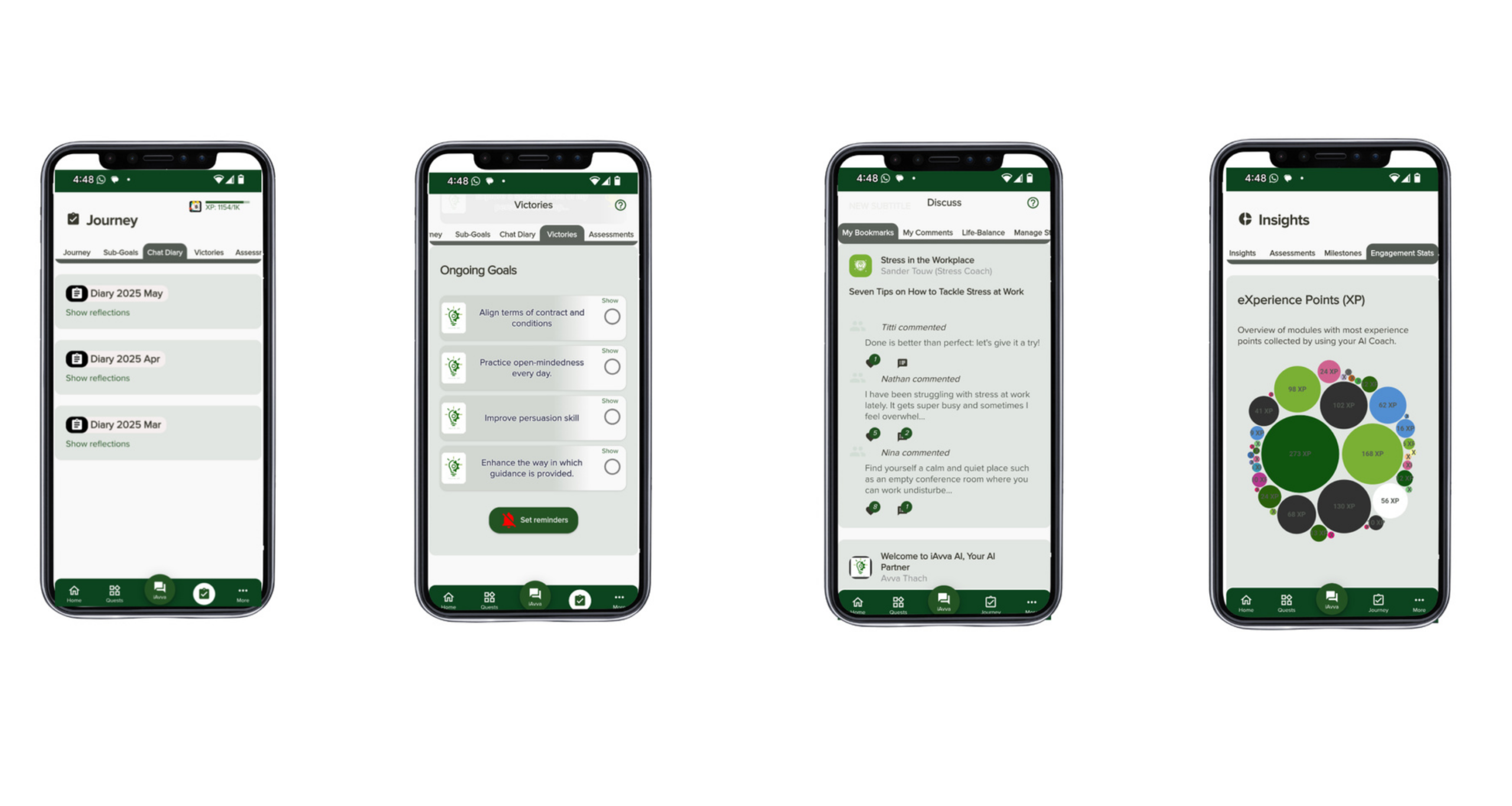
Modern coaches also integrate technology into their methodologies. For instance, using AI-driven analytics tools can help track progress and provide real-time feedback. This isn’t just about improving individual performance; it’s about fostering an environment where collective intelligence thrives.
The Role of Emotional Intelligence
Emotional intelligence (EQ) has emerged as a crucial component of effective leadership development coaching. Leaders with high EQ can navigate interpersonal dynamics more successfully, leading to better team cohesion and collaboration. A study by HBR found that leaders who exhibit strong emotional intelligence can improve team performance by up to 30%.
Leadership development coaching is about cultivating resilience and adaptability among leaders—skills that are essential in today’s unpredictable business environment.
Think of it this way: if traditional training programs were like learning to ride a bike on flat ground, modern leadership development coaching is akin to navigating through rocky terrain. It’s about preparing leaders for unpredictable challenges while ensuring they have the tools and support needed to thrive.
As we look ahead, organizations that prioritize leadership development coaching will not only cultivate effective leaders but will also create cultures of continuous learning and adaptability—essential ingredients for success in an era defined by rapid change.
In a world where 93% of companies are navigating digital transformation, leadership development coaching is no longer just a nice-to-have; it’s a necessity. The days of leadership by title are fading fast, replaced by a new paradigm where effective leaders are those who can adapt, inspire, and drive change in an increasingly complex landscape.
Consider this: a mid-sized tech firm facing stagnation in innovation realized that its leadership team was struggling to engage the workforce effectively. The CEO brought in a leadership development coach who introduced tailored strategies focusing on emotional intelligence and adaptive leadership. Within six months, employee engagement scores soared, and the company launched three new products that year alone.
What Sets Modern Leadership Development Coaching Apart?
Gone are the days of cookie-cutter training sessions filled with outdated theories. Today’s leadership development coaching is highly personalized, using data-driven insights to address specific organizational challenges. Coaches work closely with leaders to identify their unique strengths and weaknesses, creating customized growth plans that align with both personal aspirations and organizational goals.
Modern coaches also integrate technology into their methodologies. For instance, using AI-driven analytics tools can help track progress and provide real-time feedback. This isn’t just about improving individual performance; it’s about fostering an environment where collective intelligence thrives.
The Role of Emotional Intelligence
Emotional intelligence (EQ) has emerged as a crucial component of effective leadership development coaching. Leaders with high EQ can navigate interpersonal dynamics more successfully, leading to better team cohesion and collaboration. A study by HBR found that leaders who exhibit strong emotional intelligence can improve team performance by up to 30%.
Leadership development coaching is about cultivating resilience and adaptability among leaders—skills that are essential in today’s unpredictable business environment.
Think of it this way: if traditional training programs were like learning to ride a bike on flat ground, modern leadership development coaching is akin to navigating through rocky terrain. It’s about preparing leaders for unpredictable challenges while ensuring they have the tools and support needed to thrive.
As we look ahead, organizations that prioritize leadership development coaching will not only cultivate effective leaders but will also create cultures of continuous learning and adaptability—essential ingredients for success in an era defined by rapid change.
Assessing Leadership Potential: Tools and Techniques
Ever tried to find a needle in a haystack? Now imagine that needle is your next great leader, and the haystack is filled with potential candidates who might not even know they have it in them. Assessing leadership potential can feel like an overwhelming task, but with the right tools and techniques, it transforms into a strategic advantage.
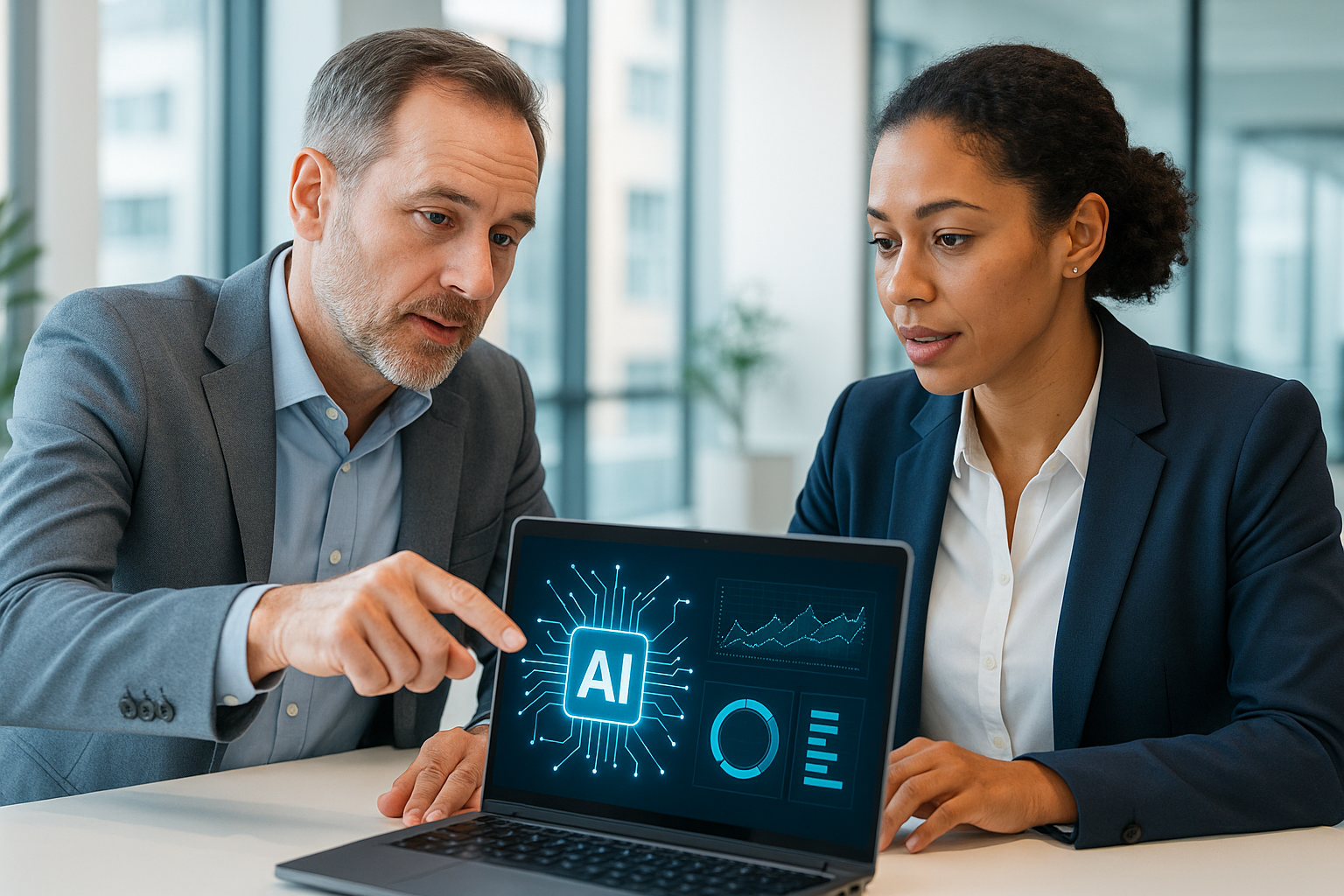
A staggering 68% of leaders acknowledge that integrating AI strategies with leadership coaching significantly boosts transformation efforts (HBR). This insight underscores the urgent need for organizations to refine their approach to identifying future leaders. So, what’s the secret sauce?
The Power of Psychometric Assessments
Psychometric assessments are like personality tests on steroids—designed to dig deep into candidates’ cognitive abilities, personality traits, and behavioral styles. Tools like the Myers-Briggs Type Indicator (MBTI) or Hogan Assessments can provide invaluable insights into how individuals might perform in leadership roles. These assessments help organizations pinpoint candidates who not only possess the necessary skills but also align with the company culture.
360-Degree Feedback: A Holistic View
360-degree feedback is another gem in the toolbox of leadership development coaching. This method collects performance data from various sources—peers, subordinates, and supervisors—to create a comprehensive picture of an individual’s strengths and growth areas. It’s like getting a report card from everyone you know—except this time, it actually helps you grow.
- Encourages self-awareness among leaders.
- Identifies blind spots that could hinder growth.
- Fosters open communication within teams.
Key takeaway: Combining psychometric assessments with 360-degree feedback creates a powerful framework for identifying leadership potential.
Real-World Simulations
Real-world simulations are where theory meets practice. Think role-playing scenarios or case studies that mimic actual challenges within your organization. By placing candidates in these situations, you can observe how they navigate complex problems and make decisions under pressure—a critical aspect of effective leadership.
Ever tried to find a needle in a haystack? Now imagine that needle is your next great leader, and the haystack is filled with potential candidates who might not even know they have it in them. Assessing leadership potential can feel like an overwhelming task, but with the right tools and techniques, it transforms into a strategic advantage.
A staggering 68% of leaders acknowledge that integrating AI strategies with leadership coaching significantly boosts transformation efforts (HBR). This insight underscores the urgent need for organizations to refine their approach to identifying future leaders. So, what’s the secret sauce?
The Power of Psychometric Assessments
Psychometric assessments are like personality tests on steroids—designed to dig deep into candidates’ cognitive abilities, personality traits, and behavioral styles. Tools like the Myers-Briggs Type Indicator (MBTI) or Hogan Assessments can provide invaluable insights into how individuals might perform in leadership roles. These assessments help organizations pinpoint candidates who not only possess the necessary skills but also align with the company culture.
360-Degree Feedback: A Holistic View
360-degree feedback is another gem in the toolbox of leadership development coaching. This method collects performance data from various sources—peers, subordinates, and supervisors—to create a comprehensive picture of an individual’s strengths and growth areas. It’s like getting a report card from everyone you know—except this time, it actually helps you grow.
- Encourages self-awareness among leaders.
- Identifies blind spots that could hinder growth.
- Fosters open communication within teams.
Key takeaway: Combining psychometric assessments with 360-degree feedback creates a powerful framework for identifying leadership potential.
Real-World Simulations
Real-world simulations are where theory meets practice. Think role-playing scenarios or case studies that mimic actual challenges within your organization. By placing candidates in these situations, you can observe how they navigate complex problems and make decisions under pressure—a critical aspect of effective leadership.
Designing Customized Coaching Programs for Diverse Needs
Imagine a global consulting firm with offices in five different countries. Each location has its own unique culture, challenges, and leadership styles. When tasked with a comprehensive leadership development initiative, the firm quickly realized that a one-size-fits-all approach would be as effective as trying to fit an elephant into a Volkswagen. Enter customized coaching programs—tailored strategies that cater to the diverse needs of each office while aligning with the overall corporate vision.
In this scenario, leadership development coaching becomes a strategic tool for creating impactful change. The firm’s leadership team worked closely with coaches to identify specific areas of focus for each region. For example, the team in Japan prioritized consensus-building techniques due to their cultural emphasis on harmony, while the office in Brazil focused on enhancing emotional intelligence to better engage their vibrant workforce.
Understanding Unique Challenges
The first step in designing customized coaching programs is understanding the unique challenges faced by different teams. This requires an open dialogue where leaders can express their concerns and aspirations. For instance, consider a tech startup struggling with rapid growth; they might need coaching focused on scaling leadership capabilities quickly without sacrificing company culture.
- Conduct surveys or interviews to gather insights from team members.
- Analyze performance metrics to identify skill gaps.
- Facilitate focus groups to discuss specific pain points.
Creating Tailored Content
Content is king might be an old adage, but when it comes to leadership development coaching, relevance is queen. Using insights gathered from initial assessments, coaches can create bespoke content that resonates with participants’ experiences and expectations. For example, if a financial services company finds that its leaders struggle with digital transformation, the coaching program could include modules on agile methodologies and technology integration.
Tailoring content ensures that leaders are not just passively absorbing information but actively engaging with material relevant to their roles.
Measuring Success and Adapting Programs
What gets measured gets managed—and this rings especially true in leadership development coaching. After implementing customized programs, organizations must continuously assess their effectiveness through feedback loops and measurable outcomes. If one region shows significant improvement while another lags behind, it’s crucial to adapt the program accordingly.
- Regular check-ins with participants for qualitative feedback.
- Utilizing KPIs such as employee engagement scores or project success rates.
In conclusion, designing customized coaching programs is not just about making adjustments; it’s about creating meaningful experiences that resonate across diverse teams. Organizations willing to invest time and resources into tailored approaches will likely see enhanced engagement and improved leadership capabilities that drive sustainable success.
Imagine a global consulting firm with offices in five different countries. Each location has its own unique culture, challenges, and leadership styles. When tasked with a comprehensive leadership development initiative, the firm quickly realized that a one-size-fits-all approach would be as effective as trying to fit an elephant into a Volkswagen. Enter customized coaching programs—tailored strategies that cater to the diverse needs of each office while aligning with the overall corporate vision.
In this scenario, leadership development coaching becomes a strategic tool for creating impactful change. The firm’s leadership team worked closely with coaches to identify specific areas of focus for each region. For example, the team in Japan prioritized consensus-building techniques due to their cultural emphasis on harmony, while the office in Brazil focused on enhancing emotional intelligence to better engage their vibrant workforce.
Understanding Unique Challenges
The first step in designing customized coaching programs is understanding the unique challenges faced by different teams. This requires an open dialogue where leaders can express their concerns and aspirations. For instance, consider a tech startup struggling with rapid growth; they might need coaching focused on scaling leadership capabilities quickly without sacrificing company culture.
- Conduct surveys or interviews to gather insights from team members.
- Analyze performance metrics to identify skill gaps.
- Facilitate focus groups to discuss specific pain points.
Creating Tailored Content
Content is king might be an old adage, but when it comes to leadership development coaching, relevance is queen. Using insights gathered from initial assessments, coaches can create bespoke content that resonates with participants’ experiences and expectations. For example, if a financial services company finds that its leaders struggle with digital transformation, the coaching program could include modules on agile methodologies and technology integration.
Tailoring content ensures that leaders are not just passively absorbing information but actively engaging with material relevant to their roles.
Measuring Success and Adapting Programs
What gets measured gets managed—and this rings especially true in leadership development coaching. After implementing customized programs, organizations must continuously assess their effectiveness through feedback loops and measurable outcomes. If one region shows significant improvement while another lags behind, it’s crucial to adapt the program accordingly.
- Regular check-ins with participants for qualitative feedback.
- Utilizing KPIs such as employee engagement scores or project success rates.
In conclusion, designing customized coaching programs is not just about making adjustments; it’s about creating meaningful experiences that resonate across diverse teams. Organizations willing to invest time and resources into tailored approaches will likely see enhanced engagement and improved leadership capabilities that drive sustainable success.
The Role of Mentorship in Leadership Development Coaching
Imagine a promising young manager at a fast-growing tech startup who feels like they’re navigating a maze blindfolded. They have the potential to lead but are unsure how to harness their skills effectively. This is where mentorship steps in, acting as a guiding light that illuminates the path ahead.
A staggering 70% of Fortune 500 companies have implemented formal mentorship programs, and for good reason: effective mentorship is a cornerstone of leadership development coaching. It’s not just about passing down wisdom; it’s about fostering relationships that encourage growth, resilience, and adaptability—qualities essential for today’s leaders.
Building Authentic Relationships
At its core, mentorship in leadership development coaching is about building authentic relationships. A mentor doesn’t merely dispense advice; they share experiences, challenges, and insights that resonate with the mentee’s journey. This relationship nurtures trust and opens up avenues for candid discussions about fears, aspirations, and strategies for overcoming obstacles.
Take Sarah, a mid-level manager at an e-commerce company. She struggled with decision-making under pressure until she was paired with a senior leader who had faced similar challenges early in their career. Through regular check-ins and real-world scenario discussions, Sarah gained confidence and clarity in her role—leading to improved team performance and innovation.
Mentorship as a Two-Way Street
Mentorship isn’t just beneficial for the mentee; it enriches the mentor too! This might sound cliché, but it holds true. Mentors often find that engaging with emerging leaders sharpens their own skills while broadening their perspectives. In fact, studies show that mentors experience increased job satisfaction and enhanced leadership capabilities as they guide others.
Key takeaway: Mentorship fosters mutual growth; while mentees gain guidance, mentors refine their own leadership skills through the process.
Creating Structured Mentorship Programs
So how do organizations effectively cultivate mentorship? The answer lies in structured programs that align with leadership development coaching objectives. Companies can implement pairings based on complementary skills or shared interests to ensure meaningful connections. Regular feedback sessions can help assess progress and make necessary adjustments to enhance the relationship.
- Establish clear goals: Define what both mentors and mentees hope to achieve from the relationship.
- Facilitate matching: Use assessments or surveys to pair individuals based on compatibility.
- Encourage regular interactions: Set up scheduled meetings to ensure ongoing dialogue.
- Provide resources: Equip both parties with tools or frameworks that can guide their discussions.
Imagine a promising young manager at a fast-growing tech startup who feels like they’re navigating a maze blindfolded. They have the potential to lead but are unsure how to harness their skills effectively. This is where mentorship steps in, acting as a guiding light that illuminates the path ahead.
A staggering 70% of Fortune 500 companies have implemented formal mentorship programs, and for good reason: effective mentorship is a cornerstone of leadership development coaching. It’s not just about passing down wisdom; it’s about fostering relationships that encourage growth, resilience, and adaptability—qualities essential for today’s leaders.
Building Authentic Relationships
At its core, mentorship in leadership development coaching is about building authentic relationships. A mentor doesn’t merely dispense advice; they share experiences, challenges, and insights that resonate with the mentee’s journey. This relationship nurtures trust and opens up avenues for candid discussions about fears, aspirations, and strategies for overcoming obstacles.
Take Sarah, a mid-level manager at an e-commerce company. She struggled with decision-making under pressure until she was paired with a senior leader who had faced similar challenges early in their career. Through regular check-ins and real-world scenario discussions, Sarah gained confidence and clarity in her role—leading to improved team performance and innovation.
Mentorship as a Two-Way Street
Mentorship isn’t just beneficial for the mentee; it enriches the mentor too! This might sound cliché, but it holds true. Mentors often find that engaging with emerging leaders sharpens their own skills while broadening their perspectives. In fact, studies show that mentors experience increased job satisfaction and enhanced leadership capabilities as they guide others.
Key takeaway: Mentorship fosters mutual growth; while mentees gain guidance, mentors refine their own leadership skills through the process.
Creating Structured Mentorship Programs
So how do organizations effectively cultivate mentorship? The answer lies in structured programs that align with leadership development coaching objectives. Companies can implement pairings based on complementary skills or shared interests to ensure meaningful connections. Regular feedback sessions can help assess progress and make necessary adjustments to enhance the relationship.
- Establish clear goals: Define what both mentors and mentees hope to achieve from the relationship.
- Facilitate matching: Use assessments or surveys to pair individuals based on compatibility.
- Encourage regular interactions: Set up scheduled meetings to ensure ongoing dialogue.
- Provide resources: Equip both parties with tools or frameworks that can guide their discussions.
Measuring the Effectiveness of Leadership Development Initiatives
Ever spent a fortune on leadership development initiatives only to find out they didn’t move the needle? You’re not alone. A staggering 75% of organizations believe that effective training and coaching are essential for successful digital transformation, yet many struggle to measure the true impact of their leadership development coaching programs.
Imagine a global consulting firm investing heavily in a leadership coaching program, only to realize six months later that employee engagement scores remain stagnant. The frustration is palpable, and it raises an important question: how can organizations accurately gauge the effectiveness of their leadership development initiatives?
Defining Key Performance Indicators (KPIs)
First things first: you need to establish clear KPIs that align with your organizational goals. These indicators should provide measurable insights into both individual growth and overall team performance. Common KPIs include:
- Employee engagement scores: Are your team members more motivated?
- Retention rates: Are your leaders sticking around?
- Performance metrics: Are projects being completed more efficiently?
- Feedback from participants: What do they think about the coaching?
Pro tip: Ensure these KPIs are specific, measurable, achievable, relevant, and time-bound (SMART).
Utilizing Feedback Mechanisms
What gets measured gets managed—and that’s especially true in leadership development coaching. Regular feedback loops are crucial for understanding how well your initiatives are resonating with participants. Consider implementing:
- Pre- and post-coaching surveys to assess perceived value.
- Regular check-ins with participants for qualitative feedback.
- Anonymous suggestion boxes for candid insights.
These mechanisms not only provide valuable data but also foster a culture of open communication—an essential component of effective leadership.
Measuring Behavioral Changes
It’s all well and good to track numbers, but what about actual behavior changes? Observational assessments can be incredibly telling. For instance, if a leader has undergone training on emotional intelligence, you should be able to see changes in how they interact with their team—like improved conflict resolution or increased collaboration.
Behavioral changes can often be the most telling sign of effective leadership development coaching.
Ultimately, measuring the effectiveness of leadership development coaching isn’t just about crunching numbers; it’s about cultivating an environment where leaders can thrive. By employing these strategies, organizations can ensure their investments yield tangible results—and prepare tomorrow’s leaders today.
Ever spent a fortune on leadership development initiatives only to find out they didn’t move the needle? You’re not alone. A staggering 75% of organizations believe that effective training and coaching are essential for successful digital transformation, yet many struggle to measure the true impact of their leadership development coaching programs.
Imagine a global consulting firm investing heavily in a leadership coaching program, only to realize six months later that employee engagement scores remain stagnant. The frustration is palpable, and it raises an important question: how can organizations accurately gauge the effectiveness of their leadership development initiatives?
Defining Key Performance Indicators (KPIs)
First things first: you need to establish clear KPIs that align with your organizational goals. These indicators should provide measurable insights into both individual growth and overall team performance. Common KPIs include:
- Employee engagement scores: Are your team members more motivated?
- Retention rates: Are your leaders sticking around?
- Performance metrics: Are projects being completed more efficiently?
- Feedback from participants: What do they think about the coaching?
Pro tip: Ensure these KPIs are specific, measurable, achievable, relevant, and time-bound (SMART).
Utilizing Feedback Mechanisms
What gets measured gets managed—and that’s especially true in leadership development coaching. Regular feedback loops are crucial for understanding how well your initiatives are resonating with participants. Consider implementing:
- Pre- and post-coaching surveys to assess perceived value.
- Regular check-ins with participants for qualitative feedback.
- Anonymous suggestion boxes for candid insights.
These mechanisms not only provide valuable data but also foster a culture of open communication—an essential component of effective leadership.
Measuring Behavioral Changes
It’s all well and good to track numbers, but what about actual behavior changes? Observational assessments can be incredibly telling. For instance, if a leader has undergone training on emotional intelligence, you should be able to see changes in how they interact with their team—like improved conflict resolution or increased collaboration.
Behavioral changes can often be the most telling sign of effective leadership development coaching.
Ultimately, measuring the effectiveness of leadership development coaching isn’t just about crunching numbers; it’s about cultivating an environment where leaders can thrive. By employing these strategies, organizations can ensure their investments yield tangible results—and prepare tomorrow’s leaders today.
Integrating AI Strategies into Leadership Development Coaching
Imagine a seasoned leader at a global marketing agency grappling with the complexities of managing remote teams, all while trying to leverage data for decision-making. They often feel like they’re playing a game of chess without knowing the rules. Enter AI strategies—these tools can transform leadership development coaching from a guessing game into an insightful journey.
The reality is that 68% of leaders recognize the impact of integrating AI strategies with leadership coaching to enhance their effectiveness (HBR). With this in mind, let’s unpack how AI can supercharge leadership development coaching and elevate your organization’s leadership game.
Personalized Learning Experiences
AI-powered platforms can analyze individual learning styles and preferences, creating tailored coaching experiences that resonate with each leader. Think of it as having a personal trainer for your brain—one that knows exactly what exercises will help you grow. For example, if an emerging leader excels in analytical thinking but struggles with interpersonal skills, AI can suggest targeted resources or role-playing scenarios to bolster their emotional intelligence.
Data-Driven Insights for Feedback
Integrating AI into leadership development coaching isn’t just about personalization; it’s also about harnessing data for actionable insights. Imagine receiving real-time feedback on your leadership style through AI-driven analytics tools that track team engagement levels, project outcomes, and even employee sentiment. This feedback loop allows leaders to make informed adjustments rather than relying solely on intuition or outdated performance reviews.
Key takeaway: Leveraging AI in leadership development coaching transforms traditional feedback methods into dynamic, real-time insights that empower leaders to adapt swiftly.
Fostering Collaboration through AI Tools
Collaboration might be a buzzword in corporate lingo, but when infused with AI tools, it becomes a tangible practice. Platforms like Slack and Microsoft Teams now integrate AI capabilities to facilitate smoother communication and collaboration among teams. Leaders can utilize these tools not just for task management but also for fostering an inclusive culture where every voice is heard.
‘Consider this: A large healthcare organization used an AI-driven platform to analyze team interactions during project meetings. The insights revealed communication gaps among departments, leading to targeted interventions that improved collaboration by over 40%. That’s not just coaching; that’s transformational leadership in action!’
However, integrating these strategies isn’t without its challenges. Resistance from traditionalists who cling to old-school methods can stifle innovation. Yet, organizations willing to embrace change will find themselves reaping the rewards of agile leaders equipped with modern skills.
‘As we look towards the future, organizations must ask themselves: Are we ready to leverage technology not just as a tool but as a partner in nurturing tomorrow’s leaders? The answer could very well determine your competitive edge.’
Imagine a seasoned leader at a global marketing agency grappling with the complexities of managing remote teams, all while trying to leverage data for decision-making. They often feel like they’re playing a game of chess without knowing the rules. Enter AI strategies—these tools can transform leadership development coaching from a guessing game into an insightful journey.
The reality is that 68% of leaders recognize the impact of integrating AI strategies with leadership coaching to enhance their effectiveness (HBR). With this in mind, let’s unpack how AI can supercharge leadership development coaching and elevate your organization’s leadership game.
Personalized Learning Experiences
AI-powered platforms can analyze individual learning styles and preferences, creating tailored coaching experiences that resonate with each leader. Think of it as having a personal trainer for your brain—one that knows exactly what exercises will help you grow. For example, if an emerging leader excels in analytical thinking but struggles with interpersonal skills, AI can suggest targeted resources or role-playing scenarios to bolster their emotional intelligence.
Data-Driven Insights for Feedback
Integrating AI into leadership development coaching isn’t just about personalization; it’s also about harnessing data for actionable insights. Imagine receiving real-time feedback on your leadership style through AI-driven analytics tools that track team engagement levels, project outcomes, and even employee sentiment. This feedback loop allows leaders to make informed adjustments rather than relying solely on intuition or outdated performance reviews.
Key takeaway: Leveraging AI in leadership development coaching transforms traditional feedback methods into dynamic, real-time insights that empower leaders to adapt swiftly.
Fostering Collaboration through AI Tools
Collaboration might be a buzzword in corporate lingo, but when infused with AI tools, it becomes a tangible practice. Platforms like Slack and Microsoft Teams now integrate AI capabilities to facilitate smoother communication and collaboration among teams. Leaders can utilize these tools not just for task management but also for fostering an inclusive culture where every voice is heard.
‘Consider this: A large healthcare organization used an AI-driven platform to analyze team interactions during project meetings. The insights revealed communication gaps among departments, leading to targeted interventions that improved collaboration by over 40%. That’s not just coaching; that’s transformational leadership in action!’
However, integrating these strategies isn’t without its challenges. Resistance from traditionalists who cling to old-school methods can stifle innovation. Yet, organizations willing to embrace change will find themselves reaping the rewards of agile leaders equipped with modern skills.
‘As we look towards the future, organizations must ask themselves: Are we ready to leverage technology not just as a tool but as a partner in nurturing tomorrow’s leaders? The answer could very well determine your competitive edge.’
Challenges in Leadership Development Coaching and Solutions
A staggering 75% of organizations believe that effective training and coaching are essential for successful digital transformation, yet many fail to see tangible results from their leadership development coaching initiatives. Why? Because challenges abound, and navigating them is no walk in the park.
Consider a mid-sized healthcare organization that invested heavily in a leadership development program, only to find that engagement scores remained stagnant six months later. Frustration boiled over as leaders questioned the effectiveness of their coaching efforts. This scenario isn’t unique—many organizations face similar hurdles when implementing leadership development coaching.
Identifying Common Challenges
- Lack of Alignment: Coaching programs often don’t align with organizational goals or culture, leading to disinterest among participants.
- Inadequate Support: Without buy-in from senior leadership, initiatives can falter before they even begin.
- Resistance to Change: Employees may resist new methodologies or tools introduced during coaching sessions.
- Measurement Difficulties: Organizations struggle to measure the impact of coaching on performance and engagement.
Addressing these challenges head-on is crucial for effective leadership development coaching.
Crafting Tailored Solutions
One size fits all is a myth in leadership development coaching. Tailoring programs to fit the unique needs of your organization is imperative. For instance, if a tech startup faces rapid growth challenges, integrating agile methodologies into their coaching can help leaders scale effectively while maintaining company culture.
‘Moreover, fostering a culture of open communication can combat resistance to change. Encourage feedback loops where participants can voice concerns or suggestions about the coaching process. This not only promotes engagement but also ensures that the program evolves based on real-time insights.
‘Measuring Success: The Key to Continuous Improvement
What gets measured gets managed rings true here. Establish clear KPIs aligned with your organizational objectives—think employee engagement scores, retention rates, and performance metrics. These indicators will help you gauge whether your investment in leadership development coaching is paying off.
‘Additionally, incorporating regular check-ins and feedback mechanisms allows you to adapt your approach as needed. If a particular strategy isn’t resonating with participants, don’t hesitate to pivot!
Ultimately, organizations willing to confront these challenges head-on will not only cultivate effective leaders but also foster a resilient culture that thrives on adaptability and continuous improvement.
A staggering 75% of organizations believe that effective training and coaching are essential for successful digital transformation, yet many fail to see tangible results from their leadership development coaching initiatives. Why? Because challenges abound, and navigating them is no walk in the park.
Consider a mid-sized healthcare organization that invested heavily in a leadership development program, only to find that engagement scores remained stagnant six months later. Frustration boiled over as leaders questioned the effectiveness of their coaching efforts. This scenario isn’t unique—many organizations face similar hurdles when implementing leadership development coaching.
Identifying Common Challenges
- Lack of Alignment: Coaching programs often don’t align with organizational goals or culture, leading to disinterest among participants.
- Inadequate Support: Without buy-in from senior leadership, initiatives can falter before they even begin.
- Resistance to Change: Employees may resist new methodologies or tools introduced during coaching sessions.
- Measurement Difficulties: Organizations struggle to measure the impact of coaching on performance and engagement.
Addressing these challenges head-on is crucial for effective leadership development coaching.
Crafting Tailored Solutions
One size fits all is a myth in leadership development coaching. Tailoring programs to fit the unique needs of your organization is imperative. For instance, if a tech startup faces rapid growth challenges, integrating agile methodologies into their coaching can help leaders scale effectively while maintaining company culture.
‘Moreover, fostering a culture of open communication can combat resistance to change. Encourage feedback loops where participants can voice concerns or suggestions about the coaching process. This not only promotes engagement but also ensures that the program evolves based on real-time insights.
‘Measuring Success: The Key to Continuous Improvement
What gets measured gets managed rings true here. Establish clear KPIs aligned with your organizational objectives—think employee engagement scores, retention rates, and performance metrics. These indicators will help you gauge whether your investment in leadership development coaching is paying off.
‘Additionally, incorporating regular check-ins and feedback mechanisms allows you to adapt your approach as needed. If a particular strategy isn’t resonating with participants, don’t hesitate to pivot!
Ultimately, organizations willing to confront these challenges head-on will not only cultivate effective leaders but also foster a resilient culture that thrives on adaptability and continuous improvement.
Future Trends in Leadership Development Coaching Practices
Leadership development coaching is entering a new era, one where adaptability and innovation are not just buzzwords but essential survival skills. As organizations scramble to keep pace with rapid technological advancements, the coaching landscape is evolving to meet these challenges head-on.
A recent study found that 68% of leaders believe integrating AI strategies with leadership coaching significantly enhances their effectiveness (HBR). This statistic isn’t just a number; it represents a seismic shift in how leadership development is approached. Coaches are now expected to be tech-savvy, data-driven, and capable of harnessing AI tools to personalize learning experiences.
The Rise of Data-Driven Coaching
Gone are the days when coaching relied solely on intuition and experience. Today’s leaders demand evidence-based practices that can be tracked and measured. Imagine a global retail company that leverages big data analytics to identify leadership gaps across its various branches. By using AI algorithms, they can pinpoint which managers need specific support, allowing for targeted coaching interventions that directly address identified weaknesses.
- Personalized learning paths based on individual performance metrics.
- Real-time feedback loops facilitated by AI tools.
- Predictive analytics to forecast leadership potential within teams.
Emphasis on Emotional Intelligence
Emotional intelligence (EQ) is becoming the secret sauce in effective leadership development coaching. With studies showing that leaders with high EQ can improve team performance by up to 30%, it’s no wonder organizations are prioritizing this skill set. Coaches are now focusing on helping leaders develop self-awareness, empathy, and interpersonal skills—qualities that foster collaboration and innovation.
Leadership development coaching is evolving into a holistic approach where emotional intelligence is as critical as technical skills.
Blended Learning Approaches
The future of leadership development coaching will likely see a blend of traditional methods with modern digital tools. Think virtual reality simulations for real-world scenario training, or mobile apps that offer bite-sized learning modules accessible anytime, anywhere. This hybrid model caters to diverse learning preferences while ensuring content remains relevant and engaging.
Leadership development coaching is entering a new era, one where adaptability and innovation are not just buzzwords but essential survival skills. As organizations scramble to keep pace with rapid technological advancements, the coaching landscape is evolving to meet these challenges head-on.
A recent study found that 68% of leaders believe integrating AI strategies with leadership coaching significantly enhances their effectiveness (HBR). This statistic isn’t just a number; it represents a seismic shift in how leadership development is approached. Coaches are now expected to be tech-savvy, data-driven, and capable of harnessing AI tools to personalize learning experiences.
The Rise of Data-Driven Coaching
Gone are the days when coaching relied solely on intuition and experience. Today’s leaders demand evidence-based practices that can be tracked and measured. Imagine a global retail company that leverages big data analytics to identify leadership gaps across its various branches. By using AI algorithms, they can pinpoint which managers need specific support, allowing for targeted coaching interventions that directly address identified weaknesses.
- Personalized learning paths based on individual performance metrics.
- Real-time feedback loops facilitated by AI tools.
- Predictive analytics to forecast leadership potential within teams.
Emphasis on Emotional Intelligence
Emotional intelligence (EQ) is becoming the secret sauce in effective leadership development coaching. With studies showing that leaders with high EQ can improve team performance by up to 30%, it’s no wonder organizations are prioritizing this skill set. Coaches are now focusing on helping leaders develop self-awareness, empathy, and interpersonal skills—qualities that foster collaboration and innovation.
Leadership development coaching is evolving into a holistic approach where emotional intelligence is as critical as technical skills.
Blended Learning Approaches
The future of leadership development coaching will likely see a blend of traditional methods with modern digital tools. Think virtual reality simulations for real-world scenario training, or mobile apps that offer bite-sized learning modules accessible anytime, anywhere. This hybrid model caters to diverse learning preferences while ensuring content remains relevant and engaging.














Leave a Reply