






Leadership Coaching Training: Master the Art of Developing Others
Understanding the Leadership Coaching Landscape
Leadership coaching training has evolved significantly over the past few decades, transitioning from a niche practice to a mainstream component of organizational development. This evolution reflects a growing recognition of the critical role effective leadership plays in driving business success and navigating complex challenges.
Historical Evolution of Leadership Coaching Practices
Initially, leadership coaching was often limited to executive-level individuals, focusing primarily on performance enhancement and personal development. Over time, this practice expanded to include various levels within organizations, emphasizing not just individual growth but also team dynamics and organizational culture. The shift towards inclusivity in coaching practices means that contemporary leadership coaching training is best suited for organizations looking to cultivate a comprehensive leadership pipeline across all levels.
However, one limitation is that many organizations still treat leadership coaching as a one-size-fits-all solution. This approach often leads to generic training programs that fail to address specific organizational contexts or individual needs. Consequently, companies may invest significant resources into coaching initiatives that do not yield meaningful results.
Current Trends in Leadership Coaching Methodologies
Presently, there is a noticeable trend towards integrating evidence-based methodologies within leadership coaching training. Techniques such as strengths-based coaching and transformational leadership principles are gaining traction. These methodologies focus on leveraging individual strengths and fostering an environment conducive to growth and innovation. Organizations adopting these approaches are often better positioned to realize sustained improvements in performance.
Best for scenarios typically involve organizations committed to long-term development strategies rather than quick fixes. Companies aiming for cultural transformation or those in high-stakes industries requiring adaptive leaders will find these methodologies particularly beneficial.
One common misconception is that leadership coaching can solely rely on theoretical frameworks without practical application.
In practice, effective leadership coaching requires ongoing feedback loops between coaches and coachees. For example, during quarterly reviews, leaders can engage their teams in discussions about progress on personal development goals set during initial coaching sessions. This iterative process ensures continuous alignment with organizational objectives while also allowing for real-time adjustments based on feedback.
‘The Role of Technology and AI in Shaping Coaching Frameworks
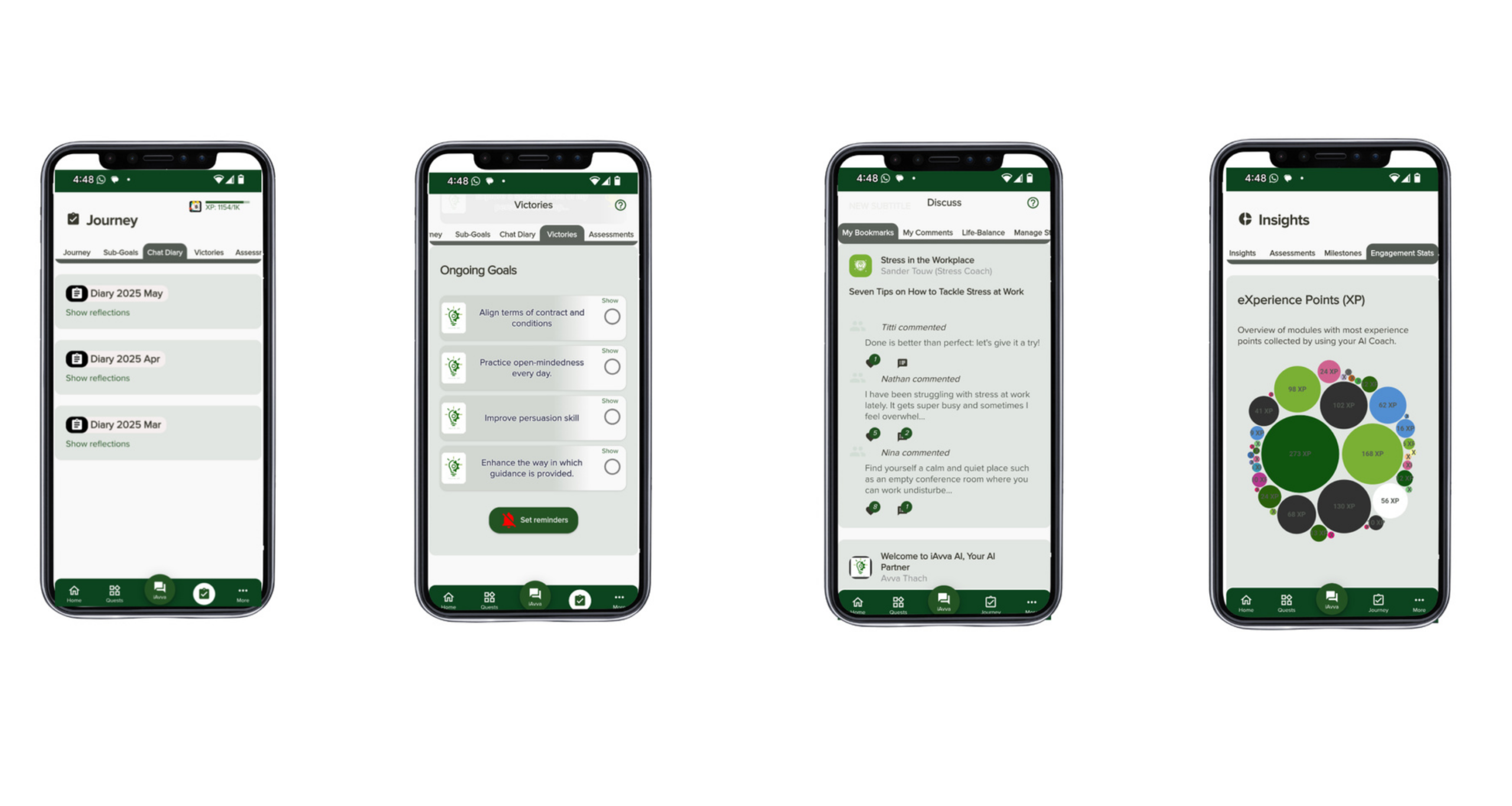
‘Technology’s role in shaping leadership coaching frameworks cannot be overstated. AI-driven platforms are increasingly being used for personalized learning experiences tailored to individual coachee needs, enabling more effective training outcomes.’
Nevertheless, reliance on technology introduces challenges as well; it can lead some organizations to overestimate the effectiveness of AI tools without considering the human element essential for successful coaching relationships.
Leadership coaching training has evolved significantly over the past few decades, transitioning from a niche practice to a mainstream component of organizational development. This evolution reflects a growing recognition of the critical role effective leadership plays in driving business success and navigating complex challenges.
Historical Evolution of Leadership Coaching Practices
Initially, leadership coaching was often limited to executive-level individuals, focusing primarily on performance enhancement and personal development. Over time, this practice expanded to include various levels within organizations, emphasizing not just individual growth but also team dynamics and organizational culture. The shift towards inclusivity in coaching practices means that contemporary leadership coaching training is best suited for organizations looking to cultivate a comprehensive leadership pipeline across all levels.
However, one limitation is that many organizations still treat leadership coaching as a one-size-fits-all solution. This approach often leads to generic training programs that fail to address specific organizational contexts or individual needs. Consequently, companies may invest significant resources into coaching initiatives that do not yield meaningful results.
Current Trends in Leadership Coaching Methodologies
Presently, there is a noticeable trend towards integrating evidence-based methodologies within leadership coaching training. Techniques such as strengths-based coaching and transformational leadership principles are gaining traction. These methodologies focus on leveraging individual strengths and fostering an environment conducive to growth and innovation. Organizations adopting these approaches are often better positioned to realize sustained improvements in performance.
Best for scenarios typically involve organizations committed to long-term development strategies rather than quick fixes. Companies aiming for cultural transformation or those in high-stakes industries requiring adaptive leaders will find these methodologies particularly beneficial.
One common misconception is that leadership coaching can solely rely on theoretical frameworks without practical application.
In practice, effective leadership coaching requires ongoing feedback loops between coaches and coachees. For example, during quarterly reviews, leaders can engage their teams in discussions about progress on personal development goals set during initial coaching sessions. This iterative process ensures continuous alignment with organizational objectives while also allowing for real-time adjustments based on feedback.
‘The Role of Technology and AI in Shaping Coaching Frameworks
‘Technology’s role in shaping leadership coaching frameworks cannot be overstated. AI-driven platforms are increasingly being used for personalized learning experiences tailored to individual coachee needs, enabling more effective training outcomes.’
Nevertheless, reliance on technology introduces challenges as well; it can lead some organizations to overestimate the effectiveness of AI tools without considering the human element essential for successful coaching relationships.
Core Competencies for Effective Leadership Coaches
Emotional intelligence is a non-negotiable competency for effective leadership coaches. It allows coaches to understand and manage their own emotions while recognizing and influencing the emotions of others. This skill directly impacts coaching effectiveness, as it fosters deeper connections with coachees, enabling more impactful conversations and insights.
However, emotional intelligence can be challenging to cultivate. Many leaders overestimate their ability to empathize or connect with others without actively practicing these skills. This gap often leads to superficial coaching relationships that fail to address underlying issues, ultimately diminishing the potential for growth.
Communication Strategies that Foster Trust and Openness
Effective communication is foundational in leadership coaching training. Coaches must employ strategies that promote trust and openness, such as active listening and providing constructive feedback. These strategies help create a safe environment where coachees feel valued and understood, which is crucial for their development.
One limitation with communication strategies lies in the tendency of coaches to rely too heavily on structured frameworks or scripts. While these can provide guidance, they often stifle genuine interaction. Authenticity in communication is key; when coaches prioritize connection over following a rigid format, they foster more meaningful exchanges.
Assessment Techniques for Identifying Coachee Needs and Goals
Assessment techniques are critical in identifying the specific needs and goals of coachees during leadership coaching training. Utilizing tools such as 360-degree feedback or personal SWOT analyses allows coaches to gain comprehensive insights into their coachees’ strengths and areas for improvement.
Despite their effectiveness, many organizations mismanage assessments by treating them as one-off events rather than ongoing processes. This oversight can lead to a disconnect between initial assessments and subsequent coaching sessions, resulting in stagnation rather than progress.
Ongoing assessments ensure alignment between coaching objectives and evolving organizational needs.
Emotional intelligence is a non-negotiable competency for effective leadership coaches. It allows coaches to understand and manage their own emotions while recognizing and influencing the emotions of others. This skill directly impacts coaching effectiveness, as it fosters deeper connections with coachees, enabling more impactful conversations and insights.
However, emotional intelligence can be challenging to cultivate. Many leaders overestimate their ability to empathize or connect with others without actively practicing these skills. This gap often leads to superficial coaching relationships that fail to address underlying issues, ultimately diminishing the potential for growth.
Communication Strategies that Foster Trust and Openness
Effective communication is foundational in leadership coaching training. Coaches must employ strategies that promote trust and openness, such as active listening and providing constructive feedback. These strategies help create a safe environment where coachees feel valued and understood, which is crucial for their development.
One limitation with communication strategies lies in the tendency of coaches to rely too heavily on structured frameworks or scripts. While these can provide guidance, they often stifle genuine interaction. Authenticity in communication is key; when coaches prioritize connection over following a rigid format, they foster more meaningful exchanges.
Assessment Techniques for Identifying Coachee Needs and Goals
Assessment techniques are critical in identifying the specific needs and goals of coachees during leadership coaching training. Utilizing tools such as 360-degree feedback or personal SWOT analyses allows coaches to gain comprehensive insights into their coachees’ strengths and areas for improvement.
Despite their effectiveness, many organizations mismanage assessments by treating them as one-off events rather than ongoing processes. This oversight can lead to a disconnect between initial assessments and subsequent coaching sessions, resulting in stagnation rather than progress.
Ongoing assessments ensure alignment between coaching objectives and evolving organizational needs.
Designing a Comprehensive Leadership Coaching Program
A well-structured leadership coaching training program is essential for organizations aiming to cultivate effective leaders. The best approach involves developing tailored curricula that align with both organizational goals and individual development needs.
Frameworks for Developing Tailored Coaching Curricula
Utilizing frameworks such as the GROW model (Goal, Reality, Options, Will) can effectively guide the development of coaching curricula. This method ensures that coaching sessions are focused on actionable outcomes and foster accountability. However, a common limitation is that organizations may overly rely on these frameworks without adapting them to the specific context of their teams. This can lead to a disconnect between the coaching experience and the actual challenges faced by coachees.
For example, in a technology firm facing rapid changes in project demands, a coach might use the GROW model to help leaders define their goals in navigating team dynamics while also addressing technical skills gaps. This tailored approach allows for more relevant discussions and solutions.
Integrating Organizational Goals with Individual Development Plans
Effective leadership coaching training must bridge individual aspirations with broader organizational objectives. This integration ensures that personal development contributes to company success. A significant misstep occurs when organizations create individual development plans in isolation from strategic business goals, leading to wasted resources and unaligned efforts.
Best for scenarios involve companies undergoing transformation or those needing to align leadership capabilities with evolving market demands. For instance, a retail chain looking to enhance customer experience might require leaders who can adapt quickly; thus, their coaching should focus on agility and customer-centric strategies.
Organizations often overestimate the effectiveness of generic coaching plans without proper alignment with strategic goals.
Evaluating the Effectiveness of Coaching Programs Through Metrics
Measuring success is critical in leadership coaching training. Employing metrics such as employee engagement scores, retention rates, or performance evaluations can provide tangible evidence of coaching effectiveness. However, many organizations fail by focusing solely on quantitative metrics without considering qualitative feedback from coachees.
A concrete workflow example includes conducting bi-annual reviews where both quantitative data—like sales performance—and qualitative insights—such as employee satisfaction surveys—are analyzed together. This holistic evaluation allows organizations to adjust their coaching strategies dynamically based on comprehensive feedback.
A well-structured leadership coaching training program is essential for organizations aiming to cultivate effective leaders. The best approach involves developing tailored curricula that align with both organizational goals and individual development needs.
Frameworks for Developing Tailored Coaching Curricula
Utilizing frameworks such as the GROW model (Goal, Reality, Options, Will) can effectively guide the development of coaching curricula. This method ensures that coaching sessions are focused on actionable outcomes and foster accountability. However, a common limitation is that organizations may overly rely on these frameworks without adapting them to the specific context of their teams. This can lead to a disconnect between the coaching experience and the actual challenges faced by coachees.
For example, in a technology firm facing rapid changes in project demands, a coach might use the GROW model to help leaders define their goals in navigating team dynamics while also addressing technical skills gaps. This tailored approach allows for more relevant discussions and solutions.
Integrating Organizational Goals with Individual Development Plans
Effective leadership coaching training must bridge individual aspirations with broader organizational objectives. This integration ensures that personal development contributes to company success. A significant misstep occurs when organizations create individual development plans in isolation from strategic business goals, leading to wasted resources and unaligned efforts.
Best for scenarios involve companies undergoing transformation or those needing to align leadership capabilities with evolving market demands. For instance, a retail chain looking to enhance customer experience might require leaders who can adapt quickly; thus, their coaching should focus on agility and customer-centric strategies.
Organizations often overestimate the effectiveness of generic coaching plans without proper alignment with strategic goals.
Evaluating the Effectiveness of Coaching Programs Through Metrics
Measuring success is critical in leadership coaching training. Employing metrics such as employee engagement scores, retention rates, or performance evaluations can provide tangible evidence of coaching effectiveness. However, many organizations fail by focusing solely on quantitative metrics without considering qualitative feedback from coachees.
A concrete workflow example includes conducting bi-annual reviews where both quantitative data—like sales performance—and qualitative insights—such as employee satisfaction surveys—are analyzed together. This holistic evaluation allows organizations to adjust their coaching strategies dynamically based on comprehensive feedback.
Facilitating Transformational Coaching Sessions
Transformational coaching sessions are most effective when they prioritize a safe and engaging learning environment. This approach is particularly beneficial for organizations aiming to enhance leadership capabilities across various levels. By fostering an atmosphere where individuals feel secure to explore their vulnerabilities, coaches can facilitate deeper learning and personal growth.
Techniques for Creating a Safe and Engaging Learning Environment
Creating a safe space involves establishing ground rules that promote respect, confidentiality, and open communication. Techniques such as active listening, reflective questioning, and empathetic responses help build trust between the coach and coachee. However, a common pitfall is assuming that simply setting these rules is sufficient; ongoing reinforcement of these principles is necessary to maintain an effective coaching dynamic.
- Establish clear expectations for confidentiality.
- Encourage vulnerability by sharing personal experiences.
- Use icebreakers to foster initial connections.
A safe environment encourages risk-taking in personal development.
Utilizing Feedback Loops to Enhance Session Outcomes
Feedback loops play a crucial role in the effectiveness of coaching sessions. Regularly soliciting feedback from coachees allows coaches to adjust their approaches in real-time. For example, after each session, a coach might ask coachees to rate their comfort level discussing challenges or suggest topics they want more focus on. This iterative process not only enhances engagement but also ensures that the coaching remains relevant to individual needs.
However, many teams misjudge the importance of feedback loops by treating them as mere formalities. The reality is that genuine engagement with feedback can significantly alter session outcomes, creating more tailored and impactful coaching experiences.
‘Strategies for Managing Resistance and Fostering Growth Mindsets
Resistance often arises during transformational coaching due to fear of change or discomfort with self-exploration. Effective strategies include addressing concerns directly through open dialogue and reframing challenges as opportunities for growth. Coaches should emphasize the value of a growth mindset—encouraging coachees to view setbacks as learning experiences rather than failures.
A limitation here is that not all individuals are receptive to this mindset shift; some may require more time or different approaches before they can embrace change fully. This necessitates patience from coaches and may lead to slower progress in certain cases.
Transformational coaching sessions are most effective when they prioritize a safe and engaging learning environment. This approach is particularly beneficial for organizations aiming to enhance leadership capabilities across various levels. By fostering an atmosphere where individuals feel secure to explore their vulnerabilities, coaches can facilitate deeper learning and personal growth.
Techniques for Creating a Safe and Engaging Learning Environment
Creating a safe space involves establishing ground rules that promote respect, confidentiality, and open communication. Techniques such as active listening, reflective questioning, and empathetic responses help build trust between the coach and coachee. However, a common pitfall is assuming that simply setting these rules is sufficient; ongoing reinforcement of these principles is necessary to maintain an effective coaching dynamic.
- Establish clear expectations for confidentiality.
- Encourage vulnerability by sharing personal experiences.
- Use icebreakers to foster initial connections.
A safe environment encourages risk-taking in personal development.
Utilizing Feedback Loops to Enhance Session Outcomes
Feedback loops play a crucial role in the effectiveness of coaching sessions. Regularly soliciting feedback from coachees allows coaches to adjust their approaches in real-time. For example, after each session, a coach might ask coachees to rate their comfort level discussing challenges or suggest topics they want more focus on. This iterative process not only enhances engagement but also ensures that the coaching remains relevant to individual needs.
However, many teams misjudge the importance of feedback loops by treating them as mere formalities. The reality is that genuine engagement with feedback can significantly alter session outcomes, creating more tailored and impactful coaching experiences.
‘Strategies for Managing Resistance and Fostering Growth Mindsets
Resistance often arises during transformational coaching due to fear of change or discomfort with self-exploration. Effective strategies include addressing concerns directly through open dialogue and reframing challenges as opportunities for growth. Coaches should emphasize the value of a growth mindset—encouraging coachees to view setbacks as learning experiences rather than failures.
A limitation here is that not all individuals are receptive to this mindset shift; some may require more time or different approaches before they can embrace change fully. This necessitates patience from coaches and may lead to slower progress in certain cases.
Leveraging AI Tools in Leadership Coaching Training
Incorporating AI tools into leadership coaching training can significantly enhance the effectiveness of development programs. These tools provide data-driven insights that help coaches track progress and outcomes, aligning coaching efforts with measurable objectives.
AI-driven Analytics for Tracking Progress and Outcomes
AI-driven analytics are particularly beneficial for organizations aiming to quantify the impact of their coaching initiatives. By leveraging data from various sources, coaches can identify trends in performance metrics, engagement levels, and overall satisfaction among coachees. However, a significant limitation is that organizations may become overly reliant on these analytics, potentially overlooking the qualitative aspects of coaching that are equally important.
For instance, a financial services firm might implement an AI tool to analyze employee performance pre- and post-coaching engagements. By comparing key performance indicators such as sales figures or client satisfaction scores, the organization can gauge the effectiveness of its coaching programs more precisely.
Personalizing Learning Experiences Through Adaptive Technologies
Adaptive technologies enable a tailored learning experience by adjusting content based on individual coachee needs. This personalization ensures that training is relevant and engaging, which can lead to better retention of concepts and skills. However, organizations must be cautious; over-customization can lead to fragmentation in learning objectives across teams.
A practical application could involve using an adaptive learning platform that personalizes modules for leadership development based on real-time feedback from participants. For example, if a leader struggles with conflict resolution techniques during sessions, the platform might automatically suggest additional resources or exercises focused specifically on this area.
Case Studies on Successful AI Integration in Coaching Practices
Companies like IBM have successfully integrated AI into their leadership coaching practices by utilizing predictive analytics to identify high-potential employees. This approach not only streamlines the selection process for coaching but also enhances the overall effectiveness of leadership development initiatives.
Nonetheless, many teams misjudge the capabilities of AI tools by assuming they can replace human intuition and relationship-building in coaching. The reality is that while AI can provide valuable insights and efficiencies, it cannot replicate the nuanced understanding that comes from human interaction.
AI tools should complement—not replace—the human elements essential for effective leadership coaching.
Incorporating AI tools into leadership coaching training can significantly enhance the effectiveness of development programs. These tools provide data-driven insights that help coaches track progress and outcomes, aligning coaching efforts with measurable objectives.
AI-driven Analytics for Tracking Progress and Outcomes
AI-driven analytics are particularly beneficial for organizations aiming to quantify the impact of their coaching initiatives. By leveraging data from various sources, coaches can identify trends in performance metrics, engagement levels, and overall satisfaction among coachees. However, a significant limitation is that organizations may become overly reliant on these analytics, potentially overlooking the qualitative aspects of coaching that are equally important.
For instance, a financial services firm might implement an AI tool to analyze employee performance pre- and post-coaching engagements. By comparing key performance indicators such as sales figures or client satisfaction scores, the organization can gauge the effectiveness of its coaching programs more precisely.
Personalizing Learning Experiences Through Adaptive Technologies
Adaptive technologies enable a tailored learning experience by adjusting content based on individual coachee needs. This personalization ensures that training is relevant and engaging, which can lead to better retention of concepts and skills. However, organizations must be cautious; over-customization can lead to fragmentation in learning objectives across teams.
A practical application could involve using an adaptive learning platform that personalizes modules for leadership development based on real-time feedback from participants. For example, if a leader struggles with conflict resolution techniques during sessions, the platform might automatically suggest additional resources or exercises focused specifically on this area.
Case Studies on Successful AI Integration in Coaching Practices
Companies like IBM have successfully integrated AI into their leadership coaching practices by utilizing predictive analytics to identify high-potential employees. This approach not only streamlines the selection process for coaching but also enhances the overall effectiveness of leadership development initiatives.
Nonetheless, many teams misjudge the capabilities of AI tools by assuming they can replace human intuition and relationship-building in coaching. The reality is that while AI can provide valuable insights and efficiencies, it cannot replicate the nuanced understanding that comes from human interaction.
AI tools should complement—not replace—the human elements essential for effective leadership coaching.
Cultivating a Coaching Culture within Organizations
A coaching culture is essential for organizations aiming to maximize the potential of their workforce. Leadership coaching training is most effective when it permeates the organizational fabric, encouraging continuous learning and development at all levels. This approach fosters a sense of shared responsibility for growth, making it best suited for companies committed to long-term talent development rather than short-term performance boosts.
However, establishing a coaching culture poses challenges. One significant limitation is the potential resistance from employees who may view coaching as an additional burden rather than an opportunity for growth. This perception can undermine engagement and limit the effectiveness of coaching initiatives. Organizations must proactively address these concerns to ensure buy-in from all team members.
Strategies for Promoting Peer-to-Peer Coaching Initiatives
Peer-to-peer coaching initiatives can be a powerful tool in cultivating a coaching culture. These programs empower employees to share knowledge and skills with one another, fostering collaboration and trust. For instance, in a mid-sized marketing firm, implementing a buddy system where experienced team members mentor newer hires can accelerate learning and integration into the company culture.
- Encourage informal check-ins between peers to discuss challenges and share insights.
- Provide resources or training on effective coaching techniques to enhance peer interactions.
- Recognize and reward successful peer-coaching relationships to reinforce their value.
Peer-to-peer initiatives not only enhance individual skills but also strengthen team cohesion.
‘Aligning Leadership Development with Organizational Values and Vision
‘Alignment between leadership development initiatives and organizational values is critical for fostering a genuine coaching culture. When employees see that their growth aligns with the company’s mission, they are more likely to engage fully in coaching opportunities. For example, a technology company focused on innovation might emphasize creative thinking in its leadership training programs, ensuring that leaders embody this value in their everyday practices.
‘Yet many organizations mistakenly treat values as static statements rather than dynamic principles that should evolve alongside business objectives. This oversight can lead to disconnection between what leaders are trained to do and what is actually expected of them in practice.
Measuring the impact of a coaching culture on business performance requires robust metrics that go beyond traditional KPIs. Organizations should consider employee engagement scores, retention rates, productivity levels, and even customer satisfaction metrics as indicators of success. For instance, after implementing a comprehensive leadership coaching program in an insurance company, tracking changes in employee turnover rates over time can provide valuable insights into the effectiveness of these efforts.
Despite this need for measurement, many teams miscalculate by focusing solely on immediate outcomes rather than long-term benefits. The reality is that cultivating a sustainable coaching culture takes time; thus, organizations should establish benchmarks at multiple intervals—such as quarterly or bi-annually—to assess progress effectively.
A long-term perspective allows organizations to appreciate gradual improvements in performance attributable to their coaching culture.
A coaching culture is essential for organizations aiming to maximize the potential of their workforce. Leadership coaching training is most effective when it permeates the organizational fabric, encouraging continuous learning and development at all levels. This approach fosters a sense of shared responsibility for growth, making it best suited for companies committed to long-term talent development rather than short-term performance boosts.
However, establishing a coaching culture poses challenges. One significant limitation is the potential resistance from employees who may view coaching as an additional burden rather than an opportunity for growth. This perception can undermine engagement and limit the effectiveness of coaching initiatives. Organizations must proactively address these concerns to ensure buy-in from all team members.
Strategies for Promoting Peer-to-Peer Coaching Initiatives
Peer-to-peer coaching initiatives can be a powerful tool in cultivating a coaching culture. These programs empower employees to share knowledge and skills with one another, fostering collaboration and trust. For instance, in a mid-sized marketing firm, implementing a buddy system where experienced team members mentor newer hires can accelerate learning and integration into the company culture.
- Encourage informal check-ins between peers to discuss challenges and share insights.
- Provide resources or training on effective coaching techniques to enhance peer interactions.
- Recognize and reward successful peer-coaching relationships to reinforce their value.
Peer-to-peer initiatives not only enhance individual skills but also strengthen team cohesion.
‘Aligning Leadership Development with Organizational Values and Vision
‘Alignment between leadership development initiatives and organizational values is critical for fostering a genuine coaching culture. When employees see that their growth aligns with the company’s mission, they are more likely to engage fully in coaching opportunities. For example, a technology company focused on innovation might emphasize creative thinking in its leadership training programs, ensuring that leaders embody this value in their everyday practices.
‘Yet many organizations mistakenly treat values as static statements rather than dynamic principles that should evolve alongside business objectives. This oversight can lead to disconnection between what leaders are trained to do and what is actually expected of them in practice.
Measuring the impact of a coaching culture on business performance requires robust metrics that go beyond traditional KPIs. Organizations should consider employee engagement scores, retention rates, productivity levels, and even customer satisfaction metrics as indicators of success. For instance, after implementing a comprehensive leadership coaching program in an insurance company, tracking changes in employee turnover rates over time can provide valuable insights into the effectiveness of these efforts.
Despite this need for measurement, many teams miscalculate by focusing solely on immediate outcomes rather than long-term benefits. The reality is that cultivating a sustainable coaching culture takes time; thus, organizations should establish benchmarks at multiple intervals—such as quarterly or bi-annually—to assess progress effectively.
A long-term perspective allows organizations to appreciate gradual improvements in performance attributable to their coaching culture.
Challenges in Leadership Coaching Training Implementation
Leadership coaching training often encounters significant challenges during implementation that can undermine its effectiveness. A primary issue is the tendency to overlook common pitfalls in program execution, which can lead to wasted resources and unmet objectives.
Common Pitfalls in Program Execution and How to Avoid Them
Many organizations mistakenly believe that once a leadership coaching training program is established, the hard work is done. In reality, ongoing engagement and adaptation are crucial. Programs often fail when they are not regularly evaluated for relevance and effectiveness. For instance, a financial institution implemented a coaching program but neglected to adjust it based on employee feedback or changing business goals, resulting in low participation and minimal impact.
- Failing to align coaching objectives with organizational goals.
- Neglecting ongoing evaluation and adaptation of the program.
- Assuming initial buy-in from participants will sustain interest.
Programs must evolve alongside organizational needs to remain effective.
Addressing Diverse Learning Styles Within Coaching Frameworks
One size fits all approaches do not work in leadership coaching training. Effective programs must account for the diverse learning styles of participants. For example, some individuals may thrive under hands-on activities while others prefer theoretical discussions. A tech startup found that their coaching sessions were ineffective because they predominantly used lecture formats, alienating team members who preferred interactive learning methods.
- ‘Assuming all participants learn best in the same way.
- ‘Underutilizing varied teaching methods can limit engagement.
- ‘Failing to solicit feedback on preferred learning styles.
Incorporating multiple teaching strategies enhances participant engagement and retention.
‘Navigating Organizational Politics That May Hinder Coaching Efforts
‘Organizational politics can severely hinder the success of leadership coaching training initiatives. When stakeholders have conflicting interests or agendas, it creates an environment where coaching efforts are undermined. For instance, a healthcare organization faced pushback from department heads who felt their teams did not need additional training, leading to fragmented implementation of coaching efforts across departments.
Leadership coaching training often encounters significant challenges during implementation that can undermine its effectiveness. A primary issue is the tendency to overlook common pitfalls in program execution, which can lead to wasted resources and unmet objectives.
Common Pitfalls in Program Execution and How to Avoid Them
Many organizations mistakenly believe that once a leadership coaching training program is established, the hard work is done. In reality, ongoing engagement and adaptation are crucial. Programs often fail when they are not regularly evaluated for relevance and effectiveness. For instance, a financial institution implemented a coaching program but neglected to adjust it based on employee feedback or changing business goals, resulting in low participation and minimal impact.
- Failing to align coaching objectives with organizational goals.
- Neglecting ongoing evaluation and adaptation of the program.
- Assuming initial buy-in from participants will sustain interest.
Programs must evolve alongside organizational needs to remain effective.
Addressing Diverse Learning Styles Within Coaching Frameworks
One size fits all approaches do not work in leadership coaching training. Effective programs must account for the diverse learning styles of participants. For example, some individuals may thrive under hands-on activities while others prefer theoretical discussions. A tech startup found that their coaching sessions were ineffective because they predominantly used lecture formats, alienating team members who preferred interactive learning methods.
- ‘Assuming all participants learn best in the same way.
- ‘Underutilizing varied teaching methods can limit engagement.
- ‘Failing to solicit feedback on preferred learning styles.
Incorporating multiple teaching strategies enhances participant engagement and retention.
‘Navigating Organizational Politics That May Hinder Coaching Efforts
‘Organizational politics can severely hinder the success of leadership coaching training initiatives. When stakeholders have conflicting interests or agendas, it creates an environment where coaching efforts are undermined. For instance, a healthcare organization faced pushback from department heads who felt their teams did not need additional training, leading to fragmented implementation of coaching efforts across departments.
Future Directions in Leadership Coaching Training Practices
Leadership coaching training is increasingly being shaped by emerging trends that leverage technology and innovative methodologies. These developments are particularly relevant for organizations aiming to enhance their leadership capabilities in a rapidly evolving business landscape.
Emerging Trends: Virtual Reality and Gamification
Virtual reality (VR) and gamification are at the forefront of modern leadership coaching training. These tools create immersive learning experiences that enhance engagement and retention of skills. VR can simulate real-world scenarios, allowing leaders to practice decision-making in a controlled environment, while gamified elements introduce competition and rewards, motivating participants to engage actively with the material.
- Best for organizations focused on experiential learning.
- Ideal for teams needing to build skills in high-pressure situations.
However, the implementation of these technologies comes with limitations. High costs and the need for specialized equipment can be prohibitive for some organizations, particularly smaller ones. Additionally, there is a risk that reliance on technology may detract from essential interpersonal skills that are crucial in leadership roles.
‘The Role of Continuous Learning in Evolving Leadership Competencies
‘Continuous learning is vital for leaders who must adapt to changing market conditions and workforce expectations. Organizations should foster a culture where ongoing education is not just encouraged but embedded into the fabric of their operations. This approach ensures that leaders remain agile and capable of navigating complex challenges effectively.
Organizations often underestimate the importance of continuous learning, viewing it as an optional add-on rather than a necessity.
‘For example, a healthcare company might implement monthly workshops focusing on emerging leadership practices or industry trends. This allows leaders to share insights while also staying updated on best practices, ultimately enhancing their effectiveness within the organization.
Looking ahead, leadership development strategies will likely become more personalized through data analytics and AI-driven insights. Organizations will increasingly adopt tailored programs that align with individual leader strengths and organizational goals. This trend emphasizes the importance of flexibility in coaching methodologies as businesses navigate an unpredictable future.
- Best suited for organizations prioritizing individualized development.
- Effective for companies aiming to align personal growth with strategic objectives.
A common misconception is that personalized coaching requires extensive resources or sophisticated technology; however, even simple adjustments based on feedback can enhance relevance without significant investment.
Leadership coaching training is increasingly being shaped by emerging trends that leverage technology and innovative methodologies. These developments are particularly relevant for organizations aiming to enhance their leadership capabilities in a rapidly evolving business landscape.
Emerging Trends: Virtual Reality and Gamification
Virtual reality (VR) and gamification are at the forefront of modern leadership coaching training. These tools create immersive learning experiences that enhance engagement and retention of skills. VR can simulate real-world scenarios, allowing leaders to practice decision-making in a controlled environment, while gamified elements introduce competition and rewards, motivating participants to engage actively with the material.
- Best for organizations focused on experiential learning.
- Ideal for teams needing to build skills in high-pressure situations.
However, the implementation of these technologies comes with limitations. High costs and the need for specialized equipment can be prohibitive for some organizations, particularly smaller ones. Additionally, there is a risk that reliance on technology may detract from essential interpersonal skills that are crucial in leadership roles.
‘The Role of Continuous Learning in Evolving Leadership Competencies
‘Continuous learning is vital for leaders who must adapt to changing market conditions and workforce expectations. Organizations should foster a culture where ongoing education is not just encouraged but embedded into the fabric of their operations. This approach ensures that leaders remain agile and capable of navigating complex challenges effectively.
Organizations often underestimate the importance of continuous learning, viewing it as an optional add-on rather than a necessity.
‘For example, a healthcare company might implement monthly workshops focusing on emerging leadership practices or industry trends. This allows leaders to share insights while also staying updated on best practices, ultimately enhancing their effectiveness within the organization.
Looking ahead, leadership development strategies will likely become more personalized through data analytics and AI-driven insights. Organizations will increasingly adopt tailored programs that align with individual leader strengths and organizational goals. This trend emphasizes the importance of flexibility in coaching methodologies as businesses navigate an unpredictable future.
- Best suited for organizations prioritizing individualized development.
- Effective for companies aiming to align personal growth with strategic objectives.
A common misconception is that personalized coaching requires extensive resources or sophisticated technology; however, even simple adjustments based on feedback can enhance relevance without significant investment.
Leadership Coaching Training: Master the Art of Developing Others
Understanding the Leadership Coaching Landscape
Leadership coaching training has evolved significantly over the past few decades, transitioning from a niche practice to a mainstream component of organizational development. This evolution reflects a growing recognition of the critical role effective leadership plays in driving business success and navigating complex challenges.
Historical Evolution of Leadership Coaching Practices
Initially, leadership coaching was often limited to executive-level individuals, focusing primarily on performance enhancement and personal development. Over time, this practice expanded to include various levels within organizations, emphasizing not just individual growth but also team dynamics and organizational culture. The shift towards inclusivity in coaching practices means that contemporary leadership coaching training is best suited for organizations looking to cultivate a comprehensive leadership pipeline across all levels.
However, one limitation is that many organizations still treat leadership coaching as a one-size-fits-all solution. This approach often leads to generic training programs that fail to address specific organizational contexts or individual needs. Consequently, companies may invest significant resources into coaching initiatives that do not yield meaningful results.
Current Trends in Leadership Coaching Methodologies
Presently, there is a noticeable trend towards integrating evidence-based methodologies within leadership coaching training. Techniques such as strengths-based coaching and transformational leadership principles are gaining traction. These methodologies focus on leveraging individual strengths and fostering an environment conducive to growth and innovation. Organizations adopting these approaches are often better positioned to realize sustained improvements in performance.
” }















Leave a Reply