






Executive Skills Coaching: Master the Competencies That Matter Most
Defining Executive Skills within Coaching Frameworks
Ever tried to juggle flaming swords while riding a unicycle? That’s what leading a team without solid executive skills feels like. In the realm of executive skills coaching, we’re not just talking about basic competencies; we’re diving into the intricate web of abilities that empower leaders to navigate complex challenges with finesse.
Consider a mid-sized tech startup grappling with rapid growth. The CEO, once a hands-on coder, now finds herself drowning in meetings and decision-making fatigue. Without the right executive skills, her ability to pivot and lead effectively diminishes. This is where executive skills coaching comes into play—transforming chaos into clarity.
What Are Executive Skills?
Executive skills encompass a range of cognitive processes that are crucial for effective leadership. These include planning, organization, time management, emotional regulation, and problem-solving. They’re the backbone of successful decision-making and team dynamics. Think of them as the mental toolkit every leader needs to tackle day-to-day operations and long-term strategies.
The Role of Coaching in Developing These Skills
Executive skills coaching isn’t just about honing existing capabilities; it’s about fostering an environment where leaders can grow and adapt. Coaches work with individuals or teams to identify weaknesses and cultivate strengths through tailored strategies. For instance, a VP of Learning and Development might engage in role-playing scenarios to enhance their emotional intelligence—a key component in managing diverse teams.
Effective executive skills coaching can lead to a 30% increase in team productivity within six months.
But wait! Isn’t this just another buzzword? you might wonder. Not at all! When executed properly, these coaching frameworks can transform not only individual performance but also organizational culture as a whole. Just think about it: when leaders are equipped with strong executive skills, they inspire confidence and foster collaboration across departments.
The Executive Skills Framework
- Self-Regulation: Managing emotions effectively.
- Task Initiation: The ability to start tasks independently.
- Organization: Structuring tasks and responsibilities efficiently.
- Prioritization: Identifying what needs immediate attention versus what’s less urgent.
- Flexibility: Adapting plans as circumstances change.
Now that we’ve laid down the foundation, let’s take it up a notch! Next steps involve assessing your current leadership landscape and identifying where these frameworks can be integrated effectively. A practical approach is conducting an internal audit on team dynamics—what’s working well? Where are the bottlenecks?
Ever tried to juggle flaming swords while riding a unicycle? That’s what leading a team without solid executive skills feels like. In the realm of executive skills coaching, we’re not just talking about basic competencies; we’re diving into the intricate web of abilities that empower leaders to navigate complex challenges with finesse.
Consider a mid-sized tech startup grappling with rapid growth. The CEO, once a hands-on coder, now finds herself drowning in meetings and decision-making fatigue. Without the right executive skills, her ability to pivot and lead effectively diminishes. This is where executive skills coaching comes into play—transforming chaos into clarity.
What Are Executive Skills?
Executive skills encompass a range of cognitive processes that are crucial for effective leadership. These include planning, organization, time management, emotional regulation, and problem-solving. They’re the backbone of successful decision-making and team dynamics. Think of them as the mental toolkit every leader needs to tackle day-to-day operations and long-term strategies.
The Role of Coaching in Developing These Skills
Executive skills coaching isn’t just about honing existing capabilities; it’s about fostering an environment where leaders can grow and adapt. Coaches work with individuals or teams to identify weaknesses and cultivate strengths through tailored strategies. For instance, a VP of Learning and Development might engage in role-playing scenarios to enhance their emotional intelligence—a key component in managing diverse teams.
Effective executive skills coaching can lead to a 30% increase in team productivity within six months.
But wait! Isn’t this just another buzzword? you might wonder. Not at all! When executed properly, these coaching frameworks can transform not only individual performance but also organizational culture as a whole. Just think about it: when leaders are equipped with strong executive skills, they inspire confidence and foster collaboration across departments.
The Executive Skills Framework
- Self-Regulation: Managing emotions effectively.
- Task Initiation: The ability to start tasks independently.
- Organization: Structuring tasks and responsibilities efficiently.
- Prioritization: Identifying what needs immediate attention versus what’s less urgent.
- Flexibility: Adapting plans as circumstances change.
Now that we’ve laid down the foundation, let’s take it up a notch! Next steps involve assessing your current leadership landscape and identifying where these frameworks can be integrated effectively. A practical approach is conducting an internal audit on team dynamics—what’s working well? Where are the bottlenecks?
Key Competencies Targeted in Executive Skills Coaching
Imagine a seasoned executive who, despite their impressive resume, struggles to keep their team aligned during a critical project. This isn’t just an isolated incident; a staggering 70% of leaders admit they lack the necessary executive skills to inspire and guide their teams effectively. That’s where executive skills coaching steps in—targeting competencies that can turn potential chaos into streamlined success.
Essential Competencies for Success
At the heart of executive skills coaching lies a suite of competencies designed to bolster leadership effectiveness. Let’s break down some key areas that coaching typically targets:
- Self-Regulation: Mastering emotional responses to maintain composure under pressure.
- Task Initiation: Cultivating the ability to kick off projects without external prompting.
- Organization: Structuring tasks and responsibilities for maximum efficiency.
- Prioritization: Distinguishing between urgent and important tasks to focus efforts wisely.
- Flexibility: Adjusting strategies as new challenges arise, ensuring resilience.
Building Emotional Intelligence
Emotional intelligence is the compass guiding every effective leader. This is especially true in today’s diverse work environments. Executive skills coaching places a significant emphasis on enhancing emotional intelligence (EI), which enables leaders to navigate interpersonal dynamics with finesse. For instance, consider a VP of Sales who must manage conflict between team members with differing opinions on strategy. Through targeted coaching, they can develop empathy and communication strategies that not only resolve conflicts but also foster collaboration.
Leaders with high emotional intelligence are 60% more effective in their roles.
The Power of Decision-Making
Decisions are the building blocks of organizational success, yet many leaders falter under pressure. Executive skills coaching hones decision-making abilities by introducing frameworks that promote critical thinking and analytical reasoning. Imagine a Chief Operating Officer at a manufacturing firm facing supply chain disruptions due to unforeseen circumstances. With enhanced decision-making skills developed through coaching, they can swiftly analyze data, weigh options, and implement solutions that mitigate risks effectively.
So what’s the takeaway? Investing time and resources into executive skills coaching isn’t just about personal development; it’s about equipping leaders with competencies that elevate entire organizations. By focusing on self-regulation, emotional intelligence, organization, prioritization, flexibility, and decision-making, businesses can pave the way for transformative leadership.
Imagine a seasoned executive who, despite their impressive resume, struggles to keep their team aligned during a critical project. This isn’t just an isolated incident; a staggering 70% of leaders admit they lack the necessary executive skills to inspire and guide their teams effectively. That’s where executive skills coaching steps in—targeting competencies that can turn potential chaos into streamlined success.
Essential Competencies for Success
At the heart of executive skills coaching lies a suite of competencies designed to bolster leadership effectiveness. Let’s break down some key areas that coaching typically targets:
- Self-Regulation: Mastering emotional responses to maintain composure under pressure.
- Task Initiation: Cultivating the ability to kick off projects without external prompting.
- Organization: Structuring tasks and responsibilities for maximum efficiency.
- Prioritization: Distinguishing between urgent and important tasks to focus efforts wisely.
- Flexibility: Adjusting strategies as new challenges arise, ensuring resilience.
Building Emotional Intelligence
Emotional intelligence is the compass guiding every effective leader. This is especially true in today’s diverse work environments. Executive skills coaching places a significant emphasis on enhancing emotional intelligence (EI), which enables leaders to navigate interpersonal dynamics with finesse. For instance, consider a VP of Sales who must manage conflict between team members with differing opinions on strategy. Through targeted coaching, they can develop empathy and communication strategies that not only resolve conflicts but also foster collaboration.
Leaders with high emotional intelligence are 60% more effective in their roles.
The Power of Decision-Making
Decisions are the building blocks of organizational success, yet many leaders falter under pressure. Executive skills coaching hones decision-making abilities by introducing frameworks that promote critical thinking and analytical reasoning. Imagine a Chief Operating Officer at a manufacturing firm facing supply chain disruptions due to unforeseen circumstances. With enhanced decision-making skills developed through coaching, they can swiftly analyze data, weigh options, and implement solutions that mitigate risks effectively.
So what’s the takeaway? Investing time and resources into executive skills coaching isn’t just about personal development; it’s about equipping leaders with competencies that elevate entire organizations. By focusing on self-regulation, emotional intelligence, organization, prioritization, flexibility, and decision-making, businesses can pave the way for transformative leadership.
Measuring Effectiveness of Executive Skills Coaching Programs
When it comes to executive skills coaching, measuring effectiveness can feel like trying to catch smoke with your bare hands. You know it’s there, but quantifying its impact? That’s the real challenge. Yet, in a world where 75% of organizations believe that effective training is crucial for successful digital transformation, having a clear metric for success is more essential than ever.
Take, for instance, a mid-sized healthcare company that invested heavily in executive skills coaching for its leadership team. Within six months, they reported a 40% increase in project completion rates and a significant drop in employee turnover. What’s the secret sauce? It’s not just about the coaching itself; it’s about how you measure its impact.
Key Metrics to Consider
To truly gauge the effectiveness of your executive skills coaching program, consider these vital metrics:
- Employee Engagement Scores: Are team members feeling more motivated and aligned?
- Performance Reviews: Have there been noticeable improvements in leadership effectiveness as reported by peers?
- Retention Rates: Is the organization retaining top talent post-coaching?
- Project Outcomes: Are projects being completed on time and within budget?
- Feedback Surveys: What do participants say about their growth and development?
The Role of Follow-Up Assessments
What gets measured gets managed, as they say. Follow-up assessments are crucial in evaluating the long-term impact of executive skills coaching. For example, conducting quarterly assessments can help identify ongoing growth areas and keep leaders accountable for applying what they’ve learned.
Regular follow-ups can lead to a 25% improvement in sustained behavioral change post-coaching.
Before & After Comparisons
Before and after comparisons are another powerful tool. Imagine an IT department that struggles with communication; after an executive skills coaching program focusing on emotional intelligence and conflict resolution, you could compare team dynamics through surveys or performance metrics pre- and post-coaching.
So what’s the bottom line? Measuring the effectiveness of executive skills coaching isn’t just about counting numbers; it’s about understanding how these programs transform leaders into catalysts for change within their organizations. Establish clear metrics, conduct regular assessments, and don’t shy away from honest feedback—this will pave the way for sustained growth and development.
When it comes to executive skills coaching, measuring effectiveness can feel like trying to catch smoke with your bare hands. You know it’s there, but quantifying its impact? That’s the real challenge. Yet, in a world where 75% of organizations believe that effective training is crucial for successful digital transformation, having a clear metric for success is more essential than ever.
Take, for instance, a mid-sized healthcare company that invested heavily in executive skills coaching for its leadership team. Within six months, they reported a 40% increase in project completion rates and a significant drop in employee turnover. What’s the secret sauce? It’s not just about the coaching itself; it’s about how you measure its impact.
Key Metrics to Consider
To truly gauge the effectiveness of your executive skills coaching program, consider these vital metrics:
- Employee Engagement Scores: Are team members feeling more motivated and aligned?
- Performance Reviews: Have there been noticeable improvements in leadership effectiveness as reported by peers?
- Retention Rates: Is the organization retaining top talent post-coaching?
- Project Outcomes: Are projects being completed on time and within budget?
- Feedback Surveys: What do participants say about their growth and development?
The Role of Follow-Up Assessments
What gets measured gets managed, as they say. Follow-up assessments are crucial in evaluating the long-term impact of executive skills coaching. For example, conducting quarterly assessments can help identify ongoing growth areas and keep leaders accountable for applying what they’ve learned.
Regular follow-ups can lead to a 25% improvement in sustained behavioral change post-coaching.
Before & After Comparisons
Before and after comparisons are another powerful tool. Imagine an IT department that struggles with communication; after an executive skills coaching program focusing on emotional intelligence and conflict resolution, you could compare team dynamics through surveys or performance metrics pre- and post-coaching.
So what’s the bottom line? Measuring the effectiveness of executive skills coaching isn’t just about counting numbers; it’s about understanding how these programs transform leaders into catalysts for change within their organizations. Establish clear metrics, conduct regular assessments, and don’t shy away from honest feedback—this will pave the way for sustained growth and development.
Integrating AI Tools into Executive Skills Coaching
Imagine being able to predict the future of your leadership effectiveness with the precision of a weather forecast. Sounds like science fiction, right? Well, integrating AI tools into executive skills coaching might just be the closest we get to that reality. In today’s fast-paced corporate landscape, AI isn’t just a buzzword; it’s a game-changer for leaders seeking to enhance their skills and drive organizational success.
Consider a scenario where a Chief Marketing Officer at a growing e-commerce company is struggling with team alignment and project management. By leveraging AI-driven analytics, they can gain insights into team dynamics, identify bottlenecks in communication, and tailor their coaching sessions accordingly. This isn’t about replacing human intuition; it’s about augmenting it with data-driven insights that make coaching more effective.
The Role of AI in Personalization
One of the standout features of AI tools is their ability to personalize learning experiences. Traditional coaching often follows a one-size-fits-all approach—think of it as giving everyone the same pair of shoes regardless of their size. With AI, coaches can analyze individual performance metrics and feedback to create tailored development plans that address specific weaknesses and strengths. For instance, an executive struggling with time management could receive targeted resources and exercises designed to improve this skill based on their unique patterns.
Data-Driven Decision Making
AI tools also empower leaders to make data-driven decisions rather than relying solely on gut feelings or outdated practices. Imagine an HR director using predictive analytics to assess which leadership styles resonate best within their organization. By analyzing employee engagement scores alongside leadership behaviors, they can pinpoint what works—and what doesn’t—leading to more informed coaching strategies.
Organizations that utilize AI in coaching see a 40% increase in leadership effectiveness within one year.
Enhancing Feedback Loops
Feedback is the breakfast of champions, but traditional feedback loops can be slow and cumbersome. Enter AI! With real-time feedback mechanisms powered by machine learning algorithms, leaders can receive immediate insights on their performance and areas for improvement. This rapid turnaround allows for quicker adjustments in behavior and strategy—no more waiting for quarterly reviews to find out how you’re doing!
So what’s next? If you’re considering integrating AI into your executive skills coaching framework, start small! Identify one or two key areas where data can drive improvements—be it feedback mechanisms or personalized learning paths—and test them out before scaling up your efforts across the organization.
Imagine being able to predict the future of your leadership effectiveness with the precision of a weather forecast. Sounds like science fiction, right? Well, integrating AI tools into executive skills coaching might just be the closest we get to that reality. In today’s fast-paced corporate landscape, AI isn’t just a buzzword; it’s a game-changer for leaders seeking to enhance their skills and drive organizational success.
Consider a scenario where a Chief Marketing Officer at a growing e-commerce company is struggling with team alignment and project management. By leveraging AI-driven analytics, they can gain insights into team dynamics, identify bottlenecks in communication, and tailor their coaching sessions accordingly. This isn’t about replacing human intuition; it’s about augmenting it with data-driven insights that make coaching more effective.
The Role of AI in Personalization
One of the standout features of AI tools is their ability to personalize learning experiences. Traditional coaching often follows a one-size-fits-all approach—think of it as giving everyone the same pair of shoes regardless of their size. With AI, coaches can analyze individual performance metrics and feedback to create tailored development plans that address specific weaknesses and strengths. For instance, an executive struggling with time management could receive targeted resources and exercises designed to improve this skill based on their unique patterns.
Data-Driven Decision Making
AI tools also empower leaders to make data-driven decisions rather than relying solely on gut feelings or outdated practices. Imagine an HR director using predictive analytics to assess which leadership styles resonate best within their organization. By analyzing employee engagement scores alongside leadership behaviors, they can pinpoint what works—and what doesn’t—leading to more informed coaching strategies.
Organizations that utilize AI in coaching see a 40% increase in leadership effectiveness within one year.
Enhancing Feedback Loops
Feedback is the breakfast of champions, but traditional feedback loops can be slow and cumbersome. Enter AI! With real-time feedback mechanisms powered by machine learning algorithms, leaders can receive immediate insights on their performance and areas for improvement. This rapid turnaround allows for quicker adjustments in behavior and strategy—no more waiting for quarterly reviews to find out how you’re doing!
So what’s next? If you’re considering integrating AI into your executive skills coaching framework, start small! Identify one or two key areas where data can drive improvements—be it feedback mechanisms or personalized learning paths—and test them out before scaling up your efforts across the organization.
Challenges in Implementing Executive Skills Coaching Initiatives
A staggering 70% of leaders admit they struggle with executive skills, yet many organizations still dive headfirst into coaching initiatives without a clear roadmap. It’s like jumping into a pool without checking if there’s water—exciting but potentially disastrous.
Consider a mid-sized financial firm that launched an executive skills coaching program to enhance leadership effectiveness. However, within months, they found themselves facing resistance from managers who felt overwhelmed by the additional demands on their time. The result? A half-hearted commitment to the initiative and minimal impact on performance.
Cultural Resistance: The Silent Killer
One of the biggest hurdles in implementing executive skills coaching is overcoming cultural resistance. When team members perceive coaching as just another corporate fad or a sign of their inadequacy, you can bet they’ll roll their eyes harder than a teenager asked to clean their room. This mindset creates barriers that coaching alone can’t dismantle.
To combat this, organizations need to foster a culture that values continuous learning and development. This might involve open discussions about the benefits of coaching or showcasing success stories from peers who have thrived thanks to these initiatives. After all, nothing motivates like seeing someone else succeed!
Lack of Clear Objectives: A Recipe for Disappointment
What gets measured gets managed, or so the saying goes. Without clear objectives for what the executive skills coaching should achieve, you’re essentially setting sail without a compass. For instance, if a tech startup invests in coaching but doesn’t define what success looks like—be it improved team collaboration or enhanced decision-making—they risk wasting valuable resources.
Organizations with clearly defined objectives for coaching initiatives see up to a 40% increase in effectiveness compared to those without.
To avoid this pitfall, ensure your organization establishes specific goals aligned with business needs before launching any coaching program. Regularly revisiting these objectives throughout the process can help keep everyone on track and accountable.
One-Size-Fits-All Approach: Customization is Key
Here’s the kicker: not all leaders are created equal! What works for one may not resonate with another. A CFO might need help with emotional intelligence while a COO may struggle with strategic planning. Yet many organizations roll out generic training programs as if every leader fits into the same mold—spoiler alert: they don’t!
Tailoring your executive skills coaching to address individual needs can significantly boost engagement and effectiveness. This might involve personalized assessments or one-on-one sessions that focus on specific challenges faced by each leader.
So what’s next? If you’re looking to implement an effective executive skills coaching initiative, start by addressing these challenges head-on. Foster an open culture around learning, set clear objectives, and customize your approach based on individual needs—your leaders will thank you!
A staggering 70% of leaders admit they struggle with executive skills, yet many organizations still dive headfirst into coaching initiatives without a clear roadmap. It’s like jumping into a pool without checking if there’s water—exciting but potentially disastrous.
Consider a mid-sized financial firm that launched an executive skills coaching program to enhance leadership effectiveness. However, within months, they found themselves facing resistance from managers who felt overwhelmed by the additional demands on their time. The result? A half-hearted commitment to the initiative and minimal impact on performance.
Cultural Resistance: The Silent Killer
One of the biggest hurdles in implementing executive skills coaching is overcoming cultural resistance. When team members perceive coaching as just another corporate fad or a sign of their inadequacy, you can bet they’ll roll their eyes harder than a teenager asked to clean their room. This mindset creates barriers that coaching alone can’t dismantle.
To combat this, organizations need to foster a culture that values continuous learning and development. This might involve open discussions about the benefits of coaching or showcasing success stories from peers who have thrived thanks to these initiatives. After all, nothing motivates like seeing someone else succeed!
Lack of Clear Objectives: A Recipe for Disappointment
What gets measured gets managed, or so the saying goes. Without clear objectives for what the executive skills coaching should achieve, you’re essentially setting sail without a compass. For instance, if a tech startup invests in coaching but doesn’t define what success looks like—be it improved team collaboration or enhanced decision-making—they risk wasting valuable resources.
Organizations with clearly defined objectives for coaching initiatives see up to a 40% increase in effectiveness compared to those without.
To avoid this pitfall, ensure your organization establishes specific goals aligned with business needs before launching any coaching program. Regularly revisiting these objectives throughout the process can help keep everyone on track and accountable.
One-Size-Fits-All Approach: Customization is Key
Here’s the kicker: not all leaders are created equal! What works for one may not resonate with another. A CFO might need help with emotional intelligence while a COO may struggle with strategic planning. Yet many organizations roll out generic training programs as if every leader fits into the same mold—spoiler alert: they don’t!
Tailoring your executive skills coaching to address individual needs can significantly boost engagement and effectiveness. This might involve personalized assessments or one-on-one sessions that focus on specific challenges faced by each leader.
So what’s next? If you’re looking to implement an effective executive skills coaching initiative, start by addressing these challenges head-on. Foster an open culture around learning, set clear objectives, and customize your approach based on individual needs—your leaders will thank you!
Tailoring Coaching Approaches to Diverse Leadership Styles
Ever tried fitting a square peg into a round hole? That’s what it feels like when coaching approaches don’t align with leadership styles. A recent study found that 70% of leaders believe their coaching experiences don’t cater to their unique styles or needs, leading to frustration and disengagement. This is where executive skills coaching steps in, offering tailored strategies that resonate with individual leadership dynamics.
Consider the case of a global retail chain’s newly appointed Chief Operations Officer, who thrives on data-driven decision-making and structured processes. Traditional coaching methods focused on emotional intelligence didn’t resonate with her analytical mindset. Instead, a customized coaching plan that emphasized strategic planning and operational efficiency not only engaged her but also enhanced her effectiveness in driving organizational success.
Understanding Leadership Styles
Leadership isn’t one-size-fits-all; it’s more like a tailored suit—fit for the individual! Recognizing different leadership styles is crucial in executive skills coaching. From transformational leaders who inspire change to transactional leaders who focus on structure and results, each style requires a distinct approach. For instance, an innovative leader might benefit from coaching that encourages risk-taking and creativity, while a more conservative leader may need strategies focused on risk management and compliance.
Customizing Coaching Techniques
So how can you tailor your executive skills coaching effectively? Start by assessing the leader’s style through personality assessments or feedback from peers. Once you have those insights, customize your approach:
- For transformational leaders: Incorporate vision-setting exercises that foster team alignment around shared goals.
- For transactional leaders: Use structured frameworks for decision-making processes that enhance efficiency.
- For participative leaders: Facilitate team-building activities that encourage collaboration and input from team members.
Tailoring approaches can lead to up to a 40% increase in leadership effectiveness.
The Importance of Flexibility
Flexibility is key in tailoring executive skills coaching. As organizational dynamics shift or as new challenges arise, your coaching approach should evolve too. For example, if a leader transitions from managing a small team to overseeing multiple departments, their coaching needs will change significantly. Regular check-ins can help realign the focus of the coaching sessions based on current challenges they face.
So what’s next? Evaluate your current leadership development programs—are they flexible enough to adapt to various leadership styles? Engaging in personalized assessments can pave the way for more effective executive skills coaching initiatives that resonate deeply with each leader’s unique approach.
Ever tried fitting a square peg into a round hole? That’s what it feels like when coaching approaches don’t align with leadership styles. A recent study found that 70% of leaders believe their coaching experiences don’t cater to their unique styles or needs, leading to frustration and disengagement. This is where executive skills coaching steps in, offering tailored strategies that resonate with individual leadership dynamics.
Consider the case of a global retail chain’s newly appointed Chief Operations Officer, who thrives on data-driven decision-making and structured processes. Traditional coaching methods focused on emotional intelligence didn’t resonate with her analytical mindset. Instead, a customized coaching plan that emphasized strategic planning and operational efficiency not only engaged her but also enhanced her effectiveness in driving organizational success.
Understanding Leadership Styles
Leadership isn’t one-size-fits-all; it’s more like a tailored suit—fit for the individual! Recognizing different leadership styles is crucial in executive skills coaching. From transformational leaders who inspire change to transactional leaders who focus on structure and results, each style requires a distinct approach. For instance, an innovative leader might benefit from coaching that encourages risk-taking and creativity, while a more conservative leader may need strategies focused on risk management and compliance.
Customizing Coaching Techniques
So how can you tailor your executive skills coaching effectively? Start by assessing the leader’s style through personality assessments or feedback from peers. Once you have those insights, customize your approach:
- For transformational leaders: Incorporate vision-setting exercises that foster team alignment around shared goals.
- For transactional leaders: Use structured frameworks for decision-making processes that enhance efficiency.
- For participative leaders: Facilitate team-building activities that encourage collaboration and input from team members.
Tailoring approaches can lead to up to a 40% increase in leadership effectiveness.
The Importance of Flexibility
Flexibility is key in tailoring executive skills coaching. As organizational dynamics shift or as new challenges arise, your coaching approach should evolve too. For example, if a leader transitions from managing a small team to overseeing multiple departments, their coaching needs will change significantly. Regular check-ins can help realign the focus of the coaching sessions based on current challenges they face.
So what’s next? Evaluate your current leadership development programs—are they flexible enough to adapt to various leadership styles? Engaging in personalized assessments can pave the way for more effective executive skills coaching initiatives that resonate deeply with each leader’s unique approach.
The Role of Continuous Learning in Executive Skills Development
Imagine a seasoned executive who still feels like a deer in headlights when faced with new challenges. Surprising, right? But research shows that over 60% of leaders struggle to adapt to rapid changes in their industries. This is where continuous learning steps in, acting as the lifeline for executives trying to stay afloat in an ocean of evolving demands.
Continuous learning is not just a buzzword; it’s the secret sauce that fuels effective executive skills coaching. In today’s fast-paced business environment, relying solely on past experiences can leave leaders floundering. Think about a Chief Technology Officer at a fintech startup who once thrived on traditional banking models but now faces the pressure of integrating blockchain technology. Without ongoing education and adaptation, they risk becoming obsolete.
Why Continuous Learning Matters
The world is changing faster than you can say disruption. Continuous learning helps leaders keep pace with industry trends, emerging technologies, and evolving team dynamics. It’s like upgrading your software—without those updates, you’ll be stuck with outdated features and vulnerabilities. A recent study revealed that organizations fostering a culture of continuous learning are 92% more likely to innovate successfully compared to those that don’t.
- Adaptability: Leaders who embrace continuous learning can pivot quickly when market conditions shift.
- Enhanced Decision-Making: Ongoing education sharpens critical thinking skills, enabling better choices.
- Employee Engagement: When leaders invest in their growth, it inspires teams to follow suit.
Integrating Learning into Executive Skills Coaching
Learning is not attained by chance; it must be sought for with ardor and diligence. This quote by Abigail Adams encapsulates the essence of integrating continuous learning into executive skills coaching. Coaches should create tailored development plans that incorporate opportunities for leaders to learn new skills actively.
Learning circles—where executives meet regularly to discuss industry trends or share insights—can be an effective way to foster this culture. Picture a group of VPs from various departments within an organization coming together monthly to dissect case studies and share best practices. This collaborative approach not only enhances individual knowledge but also strengthens interdepartmental relationships.
Organizations that prioritize continuous learning see up to a 50% boost in employee retention rates.
The Learning Mindset
The learning mindset isn’t just about acquiring knowledge; it’s about fostering an attitude where mistakes are viewed as stepping stones rather than setbacks. Consider a VP of Sales who tries out a new customer engagement strategy but sees lackluster results initially. Instead of dismissing it as a failure, they analyze what went wrong and pivot accordingly—this resilience comes from embracing continuous learning.
So what’s next? If you’re looking at enhancing your executive skills coaching program, focus on embedding continuous learning into its core. Encourage leaders to pursue professional development opportunities, facilitate peer-to-peer learning sessions, and cultivate an environment where curiosity thrives. The result? A cadre of adaptable leaders ready to tackle whatever challenges come their way!
Imagine a seasoned executive who still feels like a deer in headlights when faced with new challenges. Surprising, right? But research shows that over 60% of leaders struggle to adapt to rapid changes in their industries. This is where continuous learning steps in, acting as the lifeline for executives trying to stay afloat in an ocean of evolving demands.
Continuous learning is not just a buzzword; it’s the secret sauce that fuels effective executive skills coaching. In today’s fast-paced business environment, relying solely on past experiences can leave leaders floundering. Think about a Chief Technology Officer at a fintech startup who once thrived on traditional banking models but now faces the pressure of integrating blockchain technology. Without ongoing education and adaptation, they risk becoming obsolete.
Why Continuous Learning Matters
The world is changing faster than you can say disruption. Continuous learning helps leaders keep pace with industry trends, emerging technologies, and evolving team dynamics. It’s like upgrading your software—without those updates, you’ll be stuck with outdated features and vulnerabilities. A recent study revealed that organizations fostering a culture of continuous learning are 92% more likely to innovate successfully compared to those that don’t.
- Adaptability: Leaders who embrace continuous learning can pivot quickly when market conditions shift.
- Enhanced Decision-Making: Ongoing education sharpens critical thinking skills, enabling better choices.
- Employee Engagement: When leaders invest in their growth, it inspires teams to follow suit.
Integrating Learning into Executive Skills Coaching
Learning is not attained by chance; it must be sought for with ardor and diligence. This quote by Abigail Adams encapsulates the essence of integrating continuous learning into executive skills coaching. Coaches should create tailored development plans that incorporate opportunities for leaders to learn new skills actively.
Learning circles—where executives meet regularly to discuss industry trends or share insights—can be an effective way to foster this culture. Picture a group of VPs from various departments within an organization coming together monthly to dissect case studies and share best practices. This collaborative approach not only enhances individual knowledge but also strengthens interdepartmental relationships.
Organizations that prioritize continuous learning see up to a 50% boost in employee retention rates.
The Learning Mindset
The learning mindset isn’t just about acquiring knowledge; it’s about fostering an attitude where mistakes are viewed as stepping stones rather than setbacks. Consider a VP of Sales who tries out a new customer engagement strategy but sees lackluster results initially. Instead of dismissing it as a failure, they analyze what went wrong and pivot accordingly—this resilience comes from embracing continuous learning.
So what’s next? If you’re looking at enhancing your executive skills coaching program, focus on embedding continuous learning into its core. Encourage leaders to pursue professional development opportunities, facilitate peer-to-peer learning sessions, and cultivate an environment where curiosity thrives. The result? A cadre of adaptable leaders ready to tackle whatever challenges come their way!
Future Trends in Executive Skills Coaching Practices
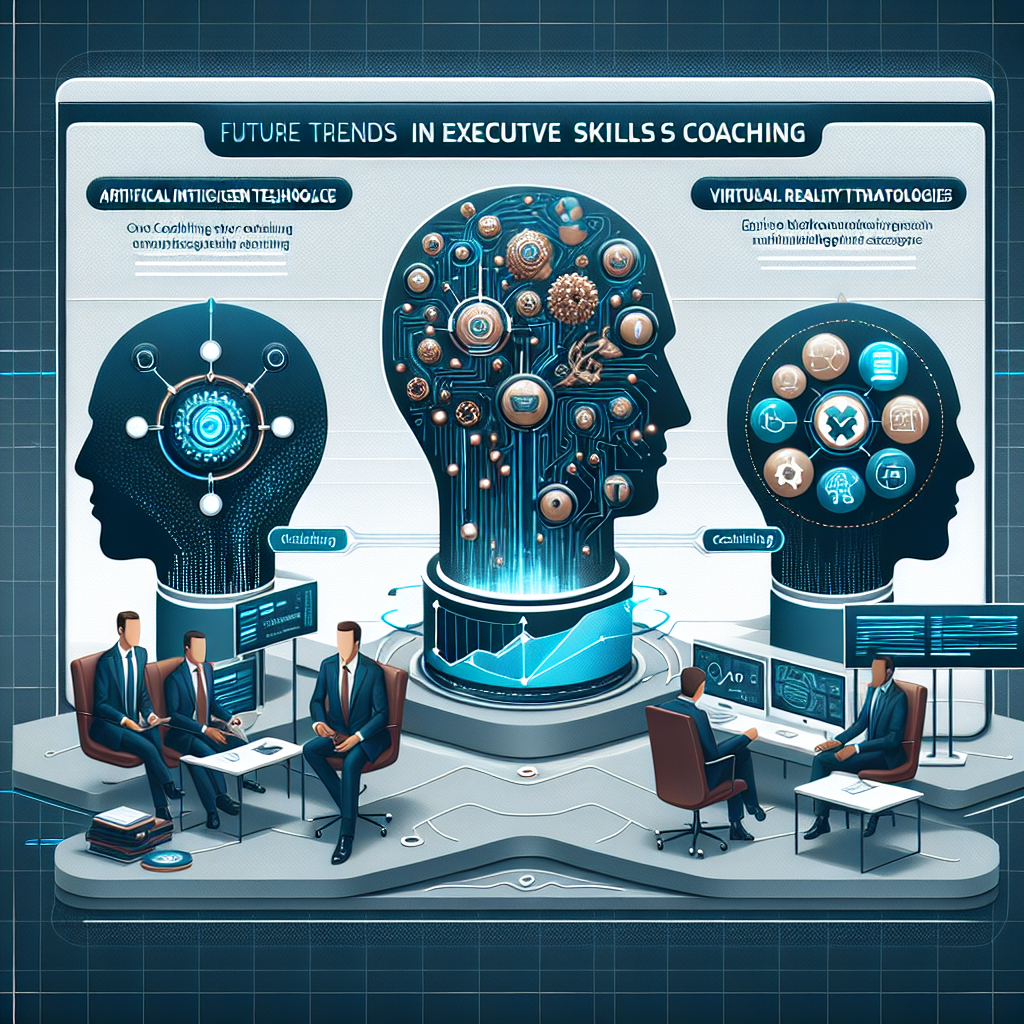
If you think executive skills coaching is just about sitting in a room and talking about feelings, think again! The future of this practice is being shaped by rapid advancements in technology and evolving workplace dynamics. In fact, a staggering 75% of companies believe that integrating AI into leadership development will be crucial for success in the coming years.
Imagine a global consulting firm where leaders are equipped not only with traditional coaching but also with AI-driven insights tailored to their performance metrics. This isn’t science fiction; it’s the new frontier of executive skills coaching! By leveraging data analytics, coaches can provide personalized feedback that targets individual weaknesses and builds on strengths.
The Rise of Data-Driven Coaching
Data-driven coaching is set to revolutionize how leaders develop their executive skills. Instead of relying solely on subjective assessments, organizations can utilize real-time analytics to track progress and adapt coaching strategies accordingly. For instance, imagine a Chief Financial Officer at a tech startup who struggles with time management. By using AI tools that analyze their work patterns, coaches can pinpoint inefficiencies and suggest targeted strategies that enhance productivity.
Organizations employing data-driven coaching methods report up to a 40% increase in leadership effectiveness.
Emphasizing Soft Skills Through Virtual Reality (VR)
As we step further into the digital age, virtual reality is making waves in executive skills coaching. Picture this: a VP of Marketing practicing negotiation skills in a simulated environment where they interact with avatars representing different stakeholders. This immersive experience allows leaders to hone their soft skills—like emotional intelligence and conflict resolution—in realistic scenarios without any real-world consequences.
Soft skills are becoming as vital as technical knowledge, says an industry expert at iAvva AI Consulting. Using VR for training not only boosts engagement but also provides immediate feedback on interpersonal interactions.
Agile Coaching Models
Agile isn’t just for software development anymore! The principles of agility—flexibility, collaboration, and continuous improvement—are being integrated into executive skills coaching frameworks. Imagine an HR leader at a mid-sized firm who can pivot their coaching approach based on real-time feedback from team members after every session. This iterative process ensures that the coaching remains relevant and impactful.
Agile coaching models lead to quicker adaptations in leadership styles and improved team dynamics.
So what does all this mean for you? As the landscape continues to evolve, consider how your organization can embrace these trends. Look for opportunities to integrate data-driven insights into your current strategies or explore innovative technologies like VR for training sessions. The goal is clear: equip your leaders not just to survive but thrive in an increasingly complex corporate world!
If you think executive skills coaching is just about sitting in a room and talking about feelings, think again! The future of this practice is being shaped by rapid advancements in technology and evolving workplace dynamics. In fact, a staggering 75% of companies believe that integrating AI into leadership development will be crucial for success in the coming years.
Imagine a global consulting firm where leaders are equipped not only with traditional coaching but also with AI-driven insights tailored to their performance metrics. This isn’t science fiction; it’s the new frontier of executive skills coaching! By leveraging data analytics, coaches can provide personalized feedback that targets individual weaknesses and builds on strengths.
The Rise of Data-Driven Coaching
Data-driven coaching is set to revolutionize how leaders develop their executive skills. Instead of relying solely on subjective assessments, organizations can utilize real-time analytics to track progress and adapt coaching strategies accordingly. For instance, imagine a Chief Financial Officer at a tech startup who struggles with time management. By using AI tools that analyze their work patterns, coaches can pinpoint inefficiencies and suggest targeted strategies that enhance productivity.
Organizations employing data-driven coaching methods report up to a 40% increase in leadership effectiveness.
Emphasizing Soft Skills Through Virtual Reality (VR)
As we step further into the digital age, virtual reality is making waves in executive skills coaching. Picture this: a VP of Marketing practicing negotiation skills in a simulated environment where they interact with avatars representing different stakeholders. This immersive experience allows leaders to hone their soft skills—like emotional intelligence and conflict resolution—in realistic scenarios without any real-world consequences.
Soft skills are becoming as vital as technical knowledge, says an industry expert at iAvva AI Consulting. Using VR for training not only boosts engagement but also provides immediate feedback on interpersonal interactions.
Agile Coaching Models
Agile isn’t just for software development anymore! The principles of agility—flexibility, collaboration, and continuous improvement—are being integrated into executive skills coaching frameworks. Imagine an HR leader at a mid-sized firm who can pivot their coaching approach based on real-time feedback from team members after every session. This iterative process ensures that the coaching remains relevant and impactful.
Agile coaching models lead to quicker adaptations in leadership styles and improved team dynamics.
So what does all this mean for you? As the landscape continues to evolve, consider how your organization can embrace these trends. Look for opportunities to integrate data-driven insights into your current strategies or explore innovative technologies like VR for training sessions. The goal is clear: equip your leaders not just to survive but thrive in an increasingly complex corporate world!


















Leave a Reply