




Executive Leadership Coaching: Develop Confident and Effective Leaders
In today’s fast-paced business environment, effective leadership is more crucial than ever, and that’s where executive leadership coaching comes into play. This transformative approach not only hones leadership skills but also fosters confidence and strategic thinking among executives. In this blog post, we’ll explore the many facets of executive leadership coaching, from its benefits to tailored approaches that align with the unique needs of organizations. Join us as we delve into how this powerful tool can elevate leaders and drive organizational success.
Understanding Executive Leadership Coaching
Executive leadership coaching is a specialized form of coaching aimed at enhancing the skills, effectiveness, and overall performance of leaders within organizations. This coaching focuses on developing critical leadership capabilities such as emotional intelligence, strategic thinking, and effective communication. Unlike traditional coaching, which may center on personal development or skill enhancement in a broader sense, executive leadership coaching zeroes in on the unique challenges faced by leaders at all levels of management.
How It Differs from Traditional Coaching
The key distinction lies in the targeted approach of executive leadership coaching. While traditional coaching often addresses general personal goals or performance issues, executive coaching is tailored to the complexities of organizational dynamics and strategic objectives. For instance, an executive coach might work with a leader to navigate a major corporate restructuring or enhance their ability to engage stakeholders effectively during times of change.
A practical insight into this difference is the focus on measurable outcomes. In executive leadership coaching, success is often defined by specific business results—such as improved team performance metrics or increased revenue growth—rather than just personal satisfaction or self-improvement. This outcome-oriented approach requires coaches to align their strategies closely with organizational goals.
Importance in Today’s Business Environment
In today’s rapidly evolving business landscape, effective leadership is paramount for navigating uncertainty and driving innovation. Organizations that invest in executive leadership coaching see significant returns; for example, companies with robust leadership development programs report up to 40% higher revenue growth compared to those without such initiatives. This statistic underscores the essential role that well-coached leaders play in fostering a high-performance culture.
Moreover, as businesses face increasing pressures from global competition and technological advancements, the need for adaptive and resilient leaders becomes even more critical. Executive leadership coaching equips leaders with skills necessary for decision-making under pressure and conflict resolution—capabilities that can make or break an organization’s success.
Executive leadership coaching is not just about improving individual capabilities; it’s about aligning those capabilities with organizational success.
Benefits of Executive Leadership Coaching
Executive leadership coaching offers tangible advantages that extend beyond individual development. One of the primary benefits is the enhancement of decision-making skills. Leaders often face complex scenarios where quick, informed decisions are crucial. Through targeted coaching, they learn to analyze situations critically, weigh options effectively, and make choices that align with organizational goals.
Enhances Decision-Making Skills
Coaches help leaders develop frameworks for assessing risks and benefits while considering stakeholder perspectives. For instance, a senior executive at a technology firm faced a decision on whether to pivot their product strategy in response to emerging market trends. Through coaching sessions focusing on strategic leadership and emotional intelligence, they were able to gather insights from their team, weigh potential impacts, and ultimately make a decision that resulted in a successful product launch.
Improves Team Dynamics and Collaboration
Another significant benefit is the improvement in team dynamics and collaboration. Effective leaders foster environments where communication flows freely. Coaching emphasizes the importance of building trust within teams, enabling leaders to facilitate open discussions that enhance collaboration. This is particularly vital in organizations experiencing rapid change or restructuring.
In practice, an organization undergoing a merger utilized executive coaching to help its leaders navigate the complexities of integrating two distinct cultures. The coaches guided these leaders through exercises that focused on conflict resolution strategies and effective communication techniques. As a result, teams reported increased morale and productivity as they felt more aligned with shared goals.
Fosters a Culture of Continuous Learning
Lastly, executive leadership coaching fosters a culture of continuous learning within organizations. Leaders who engage in ongoing personal development set an example for their teams, encouraging them to pursue growth opportunities as well. This culture not only enhances individual performance but also drives overall organizational effectiveness.
However, it’s important to recognize that not all coaching programs yield immediate results. The effectiveness of executive leadership coaching depends on the commitment level from both the leader and the organization. Without buy-in or follow-through on learned strategies, even the best coaching can fall flat.
Executive leadership coaching is an investment in both individual capabilities and organizational success.
Tailored Approaches to Executive Coaching
Effective executive leadership coaching is not a one-size-fits-all solution. It requires an understanding of each leader’s unique strengths and weaknesses, as well as the specific goals of the organization. Tailored approaches maximize the effectiveness of coaching efforts by aligning them closely with both individual and organizational needs.
Assessing Individual Leader Strengths and Weaknesses
A crucial first step in executive leadership coaching is conducting a thorough assessment of each leader’s capabilities. This involves utilizing tools such as personal leadership assessments, 360-degree feedback, and self-reflection exercises. These assessments provide valuable insights into a leader’s emotional intelligence, decision-making skills, and areas for improvement.
For example, a financial services firm implemented a comprehensive assessment process for its senior management team. The results revealed significant gaps in emotional intelligence among several leaders, prompting targeted coaching to enhance these critical skills. As a result, leaders became more adept at navigating complex interpersonal dynamics within their teams.
Customizing Coaching Plans Based on Organizational Goals
Once individual assessments are completed, the next step is tailoring coaching plans to align with organizational objectives. This customization ensures that the coaching not only addresses personal development but also supports broader business goals such as improving team performance or driving strategic initiatives.
For instance, an organization looking to enhance its market responsiveness may focus on developing agility in its leaders through coaching that emphasizes adaptive decision-making and conflict resolution strategies. By aligning the coaching with specific business challenges, organizations can foster more relevant skill development.
Utilizing Feedback Mechanisms for Continuous Improvement
Feedback mechanisms are essential for ensuring that coaching remains relevant and effective over time. Regular check-ins between coaches and leaders facilitate open discussions about progress and challenges faced during implementation of new skills. This iterative feedback loop allows for modifications to the coaching strategy as necessary.
For example, after initial coaching sessions focused on enhancing communication skills within teams, a tech company established bi-weekly feedback sessions where leaders could share their experiences and receive real-time advice from their coaches. This approach not only reinforced learning but also built accountability among team members.
Tailored executive leadership coaching is pivotal in driving both personal growth and organizational success.
Integrating AI Strategies in Leadership Development
Incorporating AI strategies into executive leadership coaching transforms how leaders develop their skills and drive organizational success. By leveraging data analytics, coaches can create personalized experiences that cater specifically to the unique needs of each leader, enhancing the effectiveness of coaching programs.
Leveraging Data Analytics for Personalized Coaching Experiences
Data analytics offers a powerful tool for personalizing coaching experiences. By analyzing performance metrics and behavioral data, coaches can identify specific areas where a leader may need improvement. For example, a senior executive at a retail company might receive feedback indicating challenges in stakeholder engagement during quarterly reviews. With this insight, the coach can tailor sessions to focus on enhancing communication and emotional intelligence skills relevant to that leader’s context.
Using AI Tools to Track Progress and Measure Outcomes
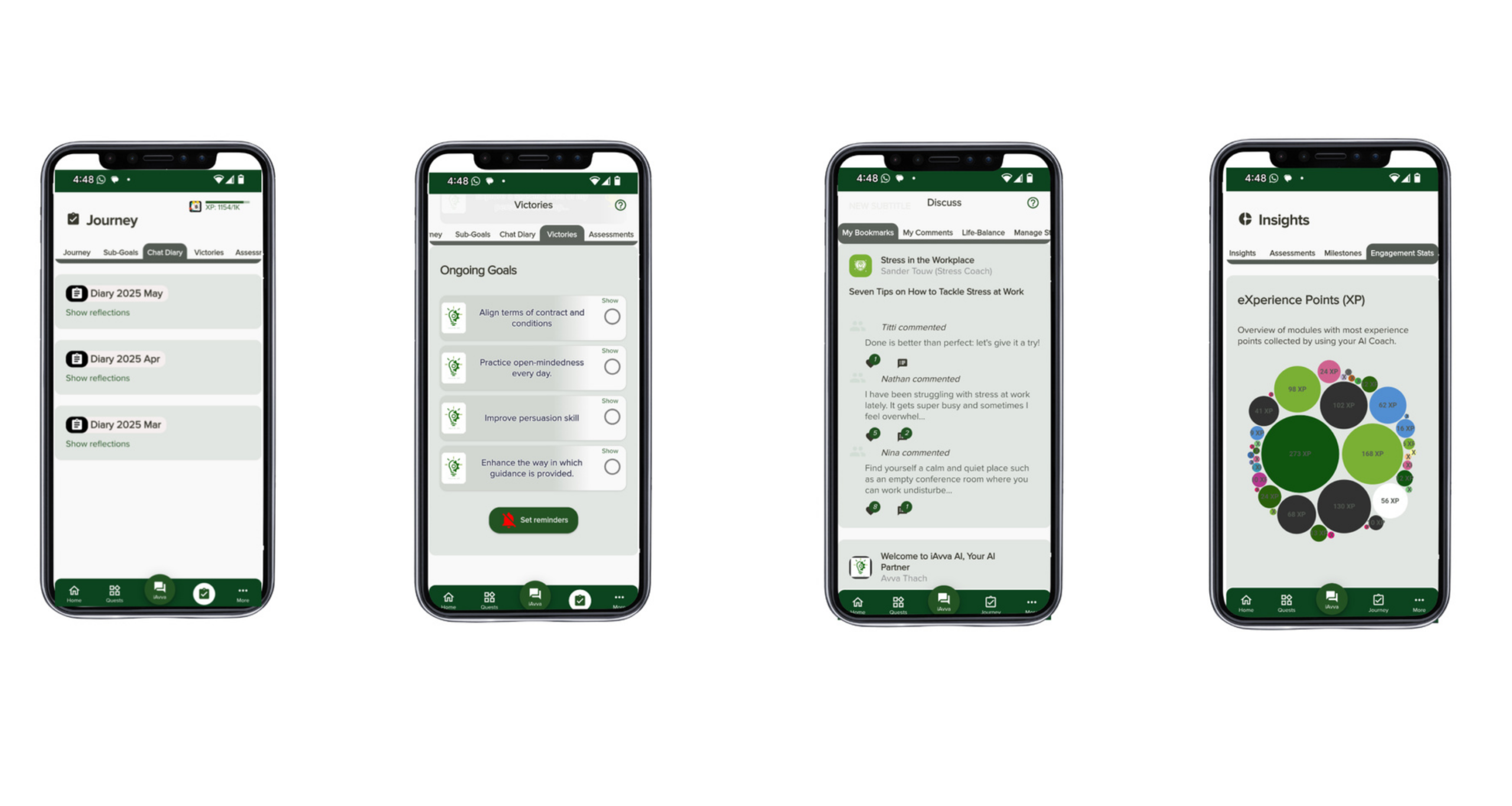
AI tools facilitate ongoing tracking of progress, allowing both leaders and coaches to measure the outcomes of their efforts effectively. For instance, utilizing an AI-driven dashboard can provide real-time updates on key performance indicators related to leadership effectiveness. This immediate feedback loop helps leaders adjust their strategies promptly rather than waiting until formal evaluations. However, reliance solely on quantitative metrics can lead to overlooking qualitative aspects such as team morale or culture shifts.
Case Studies Showcasing Successful Integration
Several organizations have successfully integrated AI strategies into their leadership development initiatives. One notable case involved a technology firm that implemented AI analytics to refine its executive coaching program. By analyzing feedback from multiple sources—employee surveys, performance reviews, and project outcomes—the firm was able to pinpoint specific developmental needs for its executives. As a result, they saw a 30% increase in team productivity within six months as leaders became more adept at setting clear goals and managing conflicts.
Integrating AI in leadership coaching not only personalizes the experience but also drives measurable improvements in executive performance.
Measuring the Impact of Executive Coaching
Quantifying the effectiveness of executive leadership coaching requires more than just anecdotal evidence. Organizations need to establish key performance indicators (KPIs) that can provide tangible insights into how coaching influences leadership and organizational performance.
Key Performance Indicators for Evaluating Success
Common KPIs include improvements in team engagement scores, leadership effectiveness ratings, and specific business outcomes such as revenue growth or market share increase. It’s crucial that these metrics align with the strategic goals of the organization. For example, if a company aims to enhance its innovation capabilities, measuring the number of new initiatives launched post-coaching can be a direct indicator of success.
- Employee engagement and satisfaction scores
- Team performance metrics before and after coaching interventions
- Retention rates of leaders who underwent coaching
Measuring impact through KPIs provides clarity on the return on investment for executive coaching.
Real-World Examples from iAvva AI Consulting Clients
At iAvva AI Consulting, we have seen measurable transformations in our clients following executive coaching programs. For instance, one tech firm reported a 25% increase in project delivery speed after coaching its senior managers on agile methodologies and decision-making processes. This not only boosted team morale but also improved client satisfaction ratings significantly.
Long-Term Benefits Observed Post-Coaching
The effects of executive leadership coaching are often long-lasting. Leaders who have undergone effective coaching tend to exhibit enhanced emotional intelligence, better conflict resolution skills, and improved strategic thinking capabilities over time. These skills contribute to a resilient leadership culture that can navigate ongoing challenges effectively.
However, organizations must be aware that not all coaching efforts yield immediate results. The success often hinges on sustained commitment from both leaders and their teams to implement learned strategies consistently.
Case Studies: Successful Executive Coaching Initiatives
Organizations that have implemented executive leadership coaching initiatives often report significant improvements in leadership effectiveness and overall business performance. For instance, at iAvva AI Consulting, we have worked with various clients across different sectors, helping them navigate complex challenges through tailored coaching programs.
Highlighting Specific Client Successes at iAvva AI Consulting
One notable example involved a healthcare organization struggling with leadership turnover and low employee engagement. Through a structured executive coaching program focusing on emotional intelligence and team dynamics, leaders learned to foster an inclusive environment. As a result, the organization saw a 40% reduction in turnover rates within the year, alongside a marked increase in employee satisfaction scores.
Analysis of Different Industries Impacted by Effective Coaching
Executive coaching initiatives are not limited to one industry; they span healthcare, technology, finance, and beyond. In the tech sector, for example, a leading software company implemented coaching for its C-suite executives to enhance strategic decision-making capabilities amid rapid market changes. This resulted in a 30% increase in product development efficiency as leaders became more adept at aligning their teams with organizational goals.
- Healthcare: Improved leadership retention and engagement.
- Technology: Enhanced product development efficiency.
- Finance: Strengthened client relationship management skills.
Lessons Learned from These Initiatives
“One key insight from these case studies is that successful executive coaching requires alignment between individual leader goals and organizational objectives. When leaders understand how their personal development contributes to broader business outcomes, they are more engaged and committed to the process. Additionally, ongoing support and feedback mechanisms are vital; without them, even the best coaching programs can struggle to achieve lasting impact.
“Tailored coaching approaches yield better results than generic training programs.
The Role of Leadership Coaches in Organizational Transformation
Leadership coaches play a pivotal role in transforming organizations by equipping leaders with the skills necessary to navigate complex challenges. Their influence extends beyond individual development; they are integral in shaping organizational culture and driving strategic initiatives.
Building Trust and Rapport with Leaders
Establishing trust is fundamental for effective coaching. Leaders must feel safe to express vulnerabilities and explore areas for growth without fear of judgment. Coaches achieve this by creating a supportive environment that fosters open dialogue. For example, a coach working with executives at a financial services firm emphasized active listening and empathy during sessions, which led to improved leader engagement and willingness to tackle difficult issues.
Facilitating Difficult Conversations for Growth
Coaches often guide leaders through challenging conversations that can arise within teams or across departments. These discussions, whether about performance issues or strategic shifts, are crucial for organizational health. A case in point is when a coach assisted a manufacturing company’s leadership team in addressing long-standing conflicts between departments that were impeding collaboration. Through structured dialogue facilitated by the coach, leaders were able to identify root causes of conflict and develop actionable plans for resolution.
Supporting Leaders in Times of Change
During periods of change—such as mergers, acquisitions, or market shifts—leaders often face heightened uncertainty. Coaches provide essential support by helping leaders articulate their vision and align their teams around common goals. For instance, during a significant organizational restructuring at a tech company, the leadership team worked alongside their coach to refine their communication strategies. This proactive approach not only mitigated anxiety among employees but also fostered a sense of collective purpose.
Effective coaching transforms leadership from reactive management to proactive engagement.
Future Trends in Executive Leadership Coaching
The landscape of executive leadership coaching is evolving rapidly, driven by technological advancements and changing workforce dynamics. As organizations seek to develop resilient and adaptable leaders, several emerging trends are shaping the future of executive coaching.
Emerging Methodologies in Coaching Practices
One significant trend is the shift toward more holistic coaching methodologies that integrate psychological principles with traditional coaching techniques. Coaches are increasingly using frameworks from cognitive behavioral therapy and positive psychology to help leaders develop emotional resilience and self-awareness. This approach addresses not only skills but also underlying beliefs that can hinder performance. For example, a tech company adopted this model when training its executives, leading to a notable increase in leaders’ ability to manage stress and navigate complex challenges.
The Rise of Virtual Coaching Sessions Post-Pandemic
The COVID-19 pandemic has accelerated the acceptance of virtual coaching sessions, allowing for greater flexibility and accessibility. Leaders can now engage with coaches regardless of geographical constraints, making it easier to fit coaching into busy schedules. However, this shift also presents challenges; the lack of in-person interaction can sometimes limit the depth of connection between coach and leader. Organizations must ensure that their virtual platforms facilitate strong relational dynamics to maintain effectiveness.
Predictions on the Evolution of Leadership Skills Needed for Future Challenges
Looking ahead, certain leadership skills are becoming increasingly critical. Emotional intelligence will remain at the forefront as leaders navigate diverse teams and complex interpersonal dynamics. Additionally, adaptability will be paramount as organizations continue to face rapid change driven by technological advancements and market fluctuations. A case study from a financial institution demonstrated that leaders who prioritized emotional intelligence training were better equipped to lead their teams through restructuring phases, ultimately resulting in improved employee morale and retention.
As executive leadership coaching evolves, it must adapt to these trends while remaining focused on measurable outcomes.
Executive Leadership Coaching…
” }, { “@type”: “FAQPage”, “@id”: “#FAQPage1”, “@graph”:[ { “@type”:”Question”, “@id”:”#FAQQuestion1″, “name”:”What is executive leadership coaching?”, “acceptedAnswer”:{ “@type”:”Answer”, “@id”:”#FAQAnswer1″, “text”:”Executive leadership coaching is a specialized form of coaching aimed at enhancing the skills, effectiveness, and overall performance of leaders within organizations.” } }, { “@type”:”Question”, “@id”:”#FAQQuestion2″, “#FAQAnswer2”:{ “@type”:”Answer”, “#FAQAnswer2″ :”How does it differ from traditional coaching?”, “:{” :{“@type”:”Answer”, “:{” :”Executive coaching is tailored to the complexities of organizational dynamics and strategic objectives.” } } } ] }, { “@type”: [“SpeakableSpecification”], “‘@id'”:”‘#SpeakableSpecification1′”, “‘xpath’:’/html/body/div/main/article/h1|/html/body/div/main/article/h2′” :{ } } ] }














Leave a Reply