





Finding the Right Center for Executive Coaching for Your Team
In today’s fast-paced business landscape, finding the right center for executive coaching can be a game-changer for your team’s performance and growth. With so many options available, it’s essential to understand how to evaluate these centers effectively to align their offerings with your organizational goals. In this post, we’ll explore the key factors to consider when selecting an executive coaching center, ensuring you choose a partner that not only enhances leadership skills but also drives sustainable business success.
1. Understanding Your Teams Needs
Identifying the precise needs of your team is crucial when selecting a center for executive coaching. Each organization has its unique challenges, ranging from leadership gaps to collaboration issues. A well-defined understanding of these specific needs will guide you in selecting a coaching center that can effectively address them.
Commonly, teams may struggle with unclear communication, lack of alignment on goals, or inadequate decision-making processes. For instance, a tech company might find that its engineers and product managers are not collaborating effectively, leading to delays in project delivery. This points to a need for targeted coaching that enhances teamwork and communication skills.
Assessing Skills and Gaps
Before engaging with any coaching center, conduct a thorough assessment of your team’s existing skills and capabilities. This could involve surveys or performance reviews to identify both strengths and weaknesses. By pinpointing the areas where team members excel and where they struggle, you can tailor the coaching experience to maximize its effectiveness.
For example, if your team demonstrates strong technical skills but lacks effective executive communication skills, it would be prudent to seek a center that specializes in enhancing those specific competencies through workshops or personalized mentoring.
Defining Desired Outcomes
Establish clear objectives for what you want to achieve through executive coaching. Whether it’s improving leadership styles within the C-suite or fostering innovative thinking among middle management, defining these outcomes will help both you and the coaching center measure success effectively.
‘Consider this: if your goal is to enhance strategic thinking among executives, ensure that the coaching program includes advanced executive coaching techniques tailored specifically for leadership roles. This clarity will not only streamline the selection process but also set expectations for accountability and progress tracking post-coaching.
2. Evaluating Coaching Centers
Selecting a center for executive coaching demands careful evaluation of several critical factors. It’s not merely about choosing a name that sounds reputable; it requires an in-depth analysis of the qualifications, methodologies, and client feedback associated with the center.
Research Credentials and Experience
Start by investigating the credentials and experience of the coaches at various centers. Look for certifications relevant to executive coaching, such as those from the International Coach Federation (ICF) or similar bodies. An experienced coach with a solid background in leadership development will likely have more nuanced insights into your team’s challenges.
For example, a center that boasts coaches with extensive backgrounds in C-suite roles may provide valuable perspectives on strategic decision-making processes that are relevant to your organization. This experience can translate into practical strategies that resonate with executives facing similar challenges.
Examine Methodologies
Next, scrutinize the methodologies employed by each center. Different centers adopt various approaches—some may focus on structured programs while others offer more flexible, tailored solutions. Understanding these methodologies can help you determine which aligns best with your team’s learning styles and objectives.
Not all coaching methods are created equal; some may prioritize theoretical knowledge over practical application.
For instance, if a center emphasizes experiential learning through role-playing scenarios or real-world case studies, it might better prepare your team for immediate application of skills compared to a purely lecture-based format.
Check Reviews and Case Studies
Finally, don’t overlook the importance of reviews and case studies from previous clients. These testimonials provide insight into the effectiveness of the coaching services offered by different centers.
Look for specific examples of how past clients have benefited from their coaching experiences—this could include measurable improvements in team performance or leadership capabilities.
‘In summary, evaluating a center for executive coaching involves assessing credentials, understanding methodologies, and reviewing client feedback. Each element plays a significant role in ensuring that you select a partner capable of addressing your team’s unique challenges and driving meaningful development.’
3. Aligning Coaching with Organizational Goals
Coaching initiatives must be directly aligned with your organization’s strategic objectives to be effective. If the goals of the coaching program do not support the broader business strategy, you risk wasting both time and resources. It’s critical that the center for executive coaching you choose understands your organizational goals and can tailor their approach accordingly.
Ensure that coaching objectives align with overall business strategy
A common pitfall is selecting a coaching program that focuses on generic leadership skills without considering specific organizational needs. For example, if your company is undergoing a digital transformation, the coaching should address change management and digital leadership competencies. This ensures that leaders are not just growing in isolation but are also equipped to drive the organization towards its strategic vision.
Discuss customization options for training programs based on specific needs
Customization is key in any effective coaching program. A one-size-fits-all approach often fails to address unique challenges faced by different organizations. Discuss with potential centers how they can tailor their training programs to meet your specific leadership development needs. For instance, if a center offers online executive coaching courses, inquire whether they can adapt content to focus on industry-specific challenges or integrate case studies relevant to your business.
Explore how a center can support your digital transformation initiatives
Digital transformation is not just a buzzword; it’s a significant shift in how businesses operate. A competent center for executive coaching should offer insights and strategies that help leaders navigate this transition effectively. For instance, consider a scenario where an organization is integrating AI into its processes. The chosen coaching center should provide expertise on managing technological change while also fostering an innovative culture among leaders.
Coaching aligned with organizational goals leads to sustainable growth; misalignment can hinder progress.
4. Understanding Different Coaching Approaches
Coaching approaches vary significantly, impacting the effectiveness of the training your team receives. Individual coaching typically offers personalized attention, allowing coaches to tailor strategies specifically to the executive’s needs. This one-on-one format can lead to deeper insights and quicker behavioral changes, making it particularly effective for senior leaders facing unique challenges.
On the other hand, group coaching can foster a sense of community and shared learning among participants. It allows executives to learn from each other’s experiences while developing teamwork skills. However, it may not address individual concerns as thoroughly as personal coaching. The effectiveness of each format often depends on the specific goals of your coaching initiative.
Hybrid Models: A Compromise
Hybrid models that blend technology with in-person sessions are gaining traction. These setups can make coaching more accessible and flexible while maintaining personal interaction when necessary. For example, an organization might schedule monthly in-person workshops supplemented by weekly online check-ins to reinforce learning and accountability.
Hybrid models can enhance flexibility without sacrificing the depth of personal interaction.
Catering to Diverse Learning Styles
Different individuals absorb information in various ways; thus, a successful coaching approach should consider these diverse learning styles. Visual learners may benefit from workshops that include diagrams or videos, while kinesthetic learners thrive in interactive environments that allow them to practice skills actively. Tailoring your coaching program to accommodate these differences can lead to better retention and application of skills learned.
For instance, a leadership development program that combines traditional lectures with hands-on simulations allows participants to apply theoretical knowledge in real-world scenarios, reinforcing their learning through experience.
5. Measuring Success Post-Coaching
Measuring the success of executive coaching is not just about satisfaction surveys or anecdotal evidence; it’s about establishing a framework that quantifies the impact of the coaching on both individual and organizational levels. To achieve this, organizations must define key performance indicators (KPIs) that align with their specific coaching objectives. These KPIs can include metrics such as improvements in team performance, enhanced leadership effectiveness, and increased employee engagement.
Define key performance indicators (KPIs) to assess the impact of coaching
KPIs serve as a roadmap for evaluating the effectiveness of coaching initiatives. For instance, if a center for executive coaching is engaged to improve decision-making skills among C-suite leaders, relevant KPIs could include tracking decision turnaround times or measuring the quality of decisions through follow-up surveys. By establishing these metrics upfront, organizations can create a clear baseline and measure progress over time.
Implement feedback mechanisms for continuous improvement post-coaching sessions
Feedback mechanisms are crucial for ongoing development after formal coaching sessions conclude. Organizations should implement regular check-ins or follow-up surveys that allow participants to share their experiences and insights gained from the coaching process. This not only helps in assessing the immediate impact but also provides valuable information on areas where further support may be needed. For example, a technology firm might conduct quarterly reviews with executives who underwent leadership coaching to evaluate how effectively they are applying what they learned.
Share success stories and outcomes with stakeholders to demonstrate value
Sharing success stories is an effective way to illustrate the value derived from executive coaching initiatives. This could involve presenting case studies that showcase measurable improvements in team dynamics or individual leadership capabilities resulting from targeted coaching programs. For instance, if an organization experienced a notable increase in project success rates after implementing strategic leadership coaching, documenting and sharing this outcome can reinforce buy-in from stakeholders and justify continued investment in such programs.
Effective measurement of executive coaching success requires clear KPIs, ongoing feedback mechanisms, and transparent communication of outcomes.
Spotlight: iAvva AI Consulting as a Premier Choice
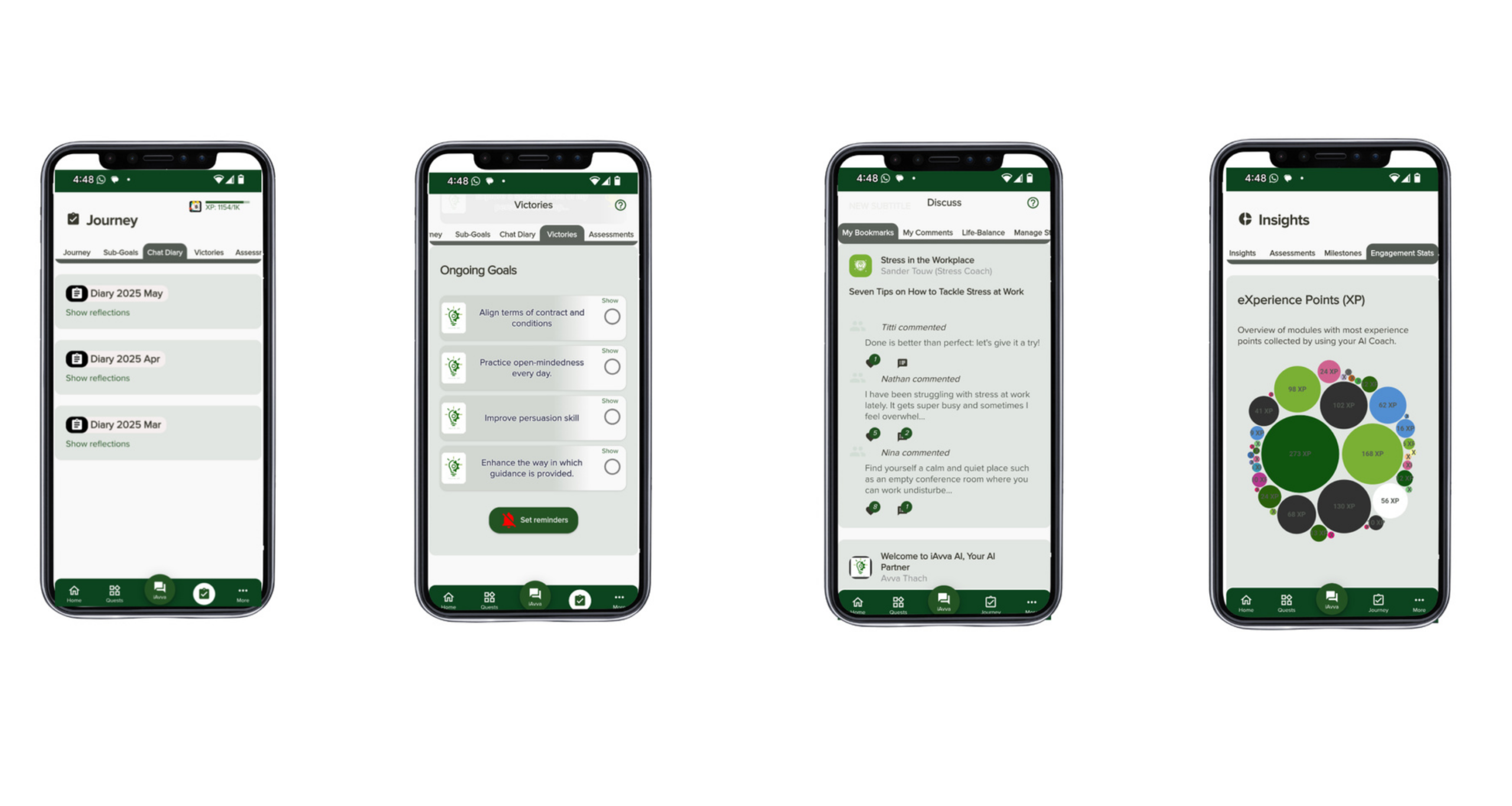
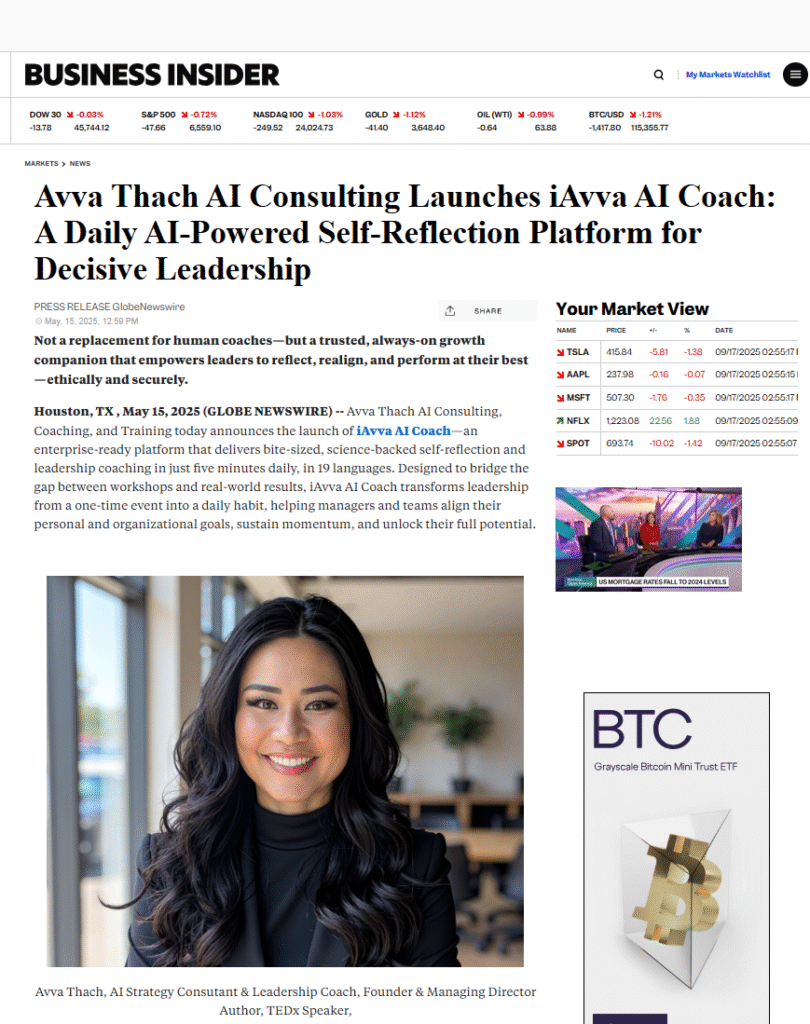
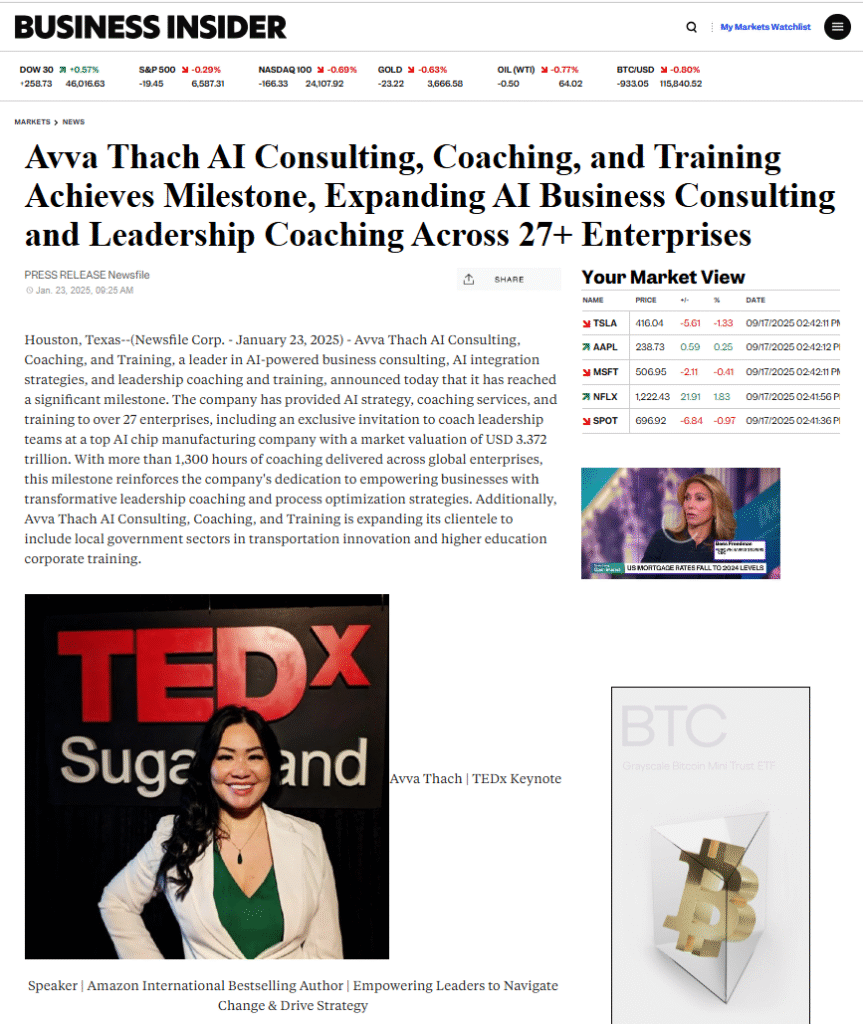
iAvva AI Consulting stands out in the crowded landscape of centers for executive coaching due to its unique integration of AI strategies with leadership development. This approach not only enhances traditional coaching methodologies but also equips leaders with the necessary tools to navigate the complexities of digital transformation. By leveraging data-driven insights, iAvva’s programs offer tailored solutions that resonate with the specific challenges faced by today’s executives.
Client Testimonials Highlighting Impact
Clients consistently share success stories about their experiences with iAvva’s programs. For instance, a mid-sized technology firm reported a significant increase in team collaboration and project delivery times after engaging in iAvva’s tailored leadership workshops. This is not just anecdotal; many organizations have documented measurable improvements in performance metrics following their coaching sessions, demonstrating the effectiveness of this innovative approach.
Alignment with SMBs Undergoing Digital Transformation
As small and midsize businesses (SMBs) face increasing pressure to adapt to digital landscapes, iAvva’s focus on bespoke coaching solutions becomes even more critical. Their programs are designed to address the unique needs of SMBs, particularly during periods of significant organizational change. For example, a retail company undergoing a digital shift found that iAvva’s strategic leadership coaching helped their executives embrace new technologies while fostering an innovative culture across teams.
iAvva combines AI insights with practical leadership training for impactful results.
A common misconception is that executive coaching is solely about improving individual performance; however, iAvva emphasizes collective growth within organizations. By focusing on team dynamics and communication skills alongside individual development, they help create an environment conducive to sustainable business growth. This holistic approach ensures that coaching does not just benefit individuals but elevates overall organizational capability.
Identifying the precise needs of your team is crucial when selecting a center for executive coaching. Each organization has its unique challenges, ranging from leadership gaps to collaboration issues. A well-defined understanding of these specific needs will guide you in selecting a coaching center that can effectively address them.
” } }, { “@type”: “Question”, “name”: “What factors should I consider when evaluating coaching centers?”, “acceptedAnswer”: { “@type”: “Answer”, “text”: “
Selecting a center for executive coaching demands careful evaluation of several critical factors including credentials and experience of coaches, methodologies employed by the center, and reviews and case studies from previous clients.
” } }, { “@type”: “Question”, “name”: “How can coaching be aligned with organizational goals?”, “acceptedAnswer”: { “@type”: “Answer”, “text”: “
Coaching initiatives must be directly aligned with your organization’s strategic objectives to be effective. Discuss customization options for training programs based on specific needs and explore how a center can support your digital transformation initiatives.
” } }, { “@type”:”Question”, “name”:”What are different coaching approaches available?”, “accepte…”:{ “@type”:”Answer”,”text”:”
Coaching approaches vary significantly such as individual, group or hybrid models. Each has its own benefits depending on the specific goals of your coaching initiative.
” } }, {“@type”:”Question”,”name”:”How do you measure success post-coaching?”,”acceptedAnswer”:{“@type”:”Answe…r”,”text”:”
Measuring success involves defining key performance indicators (KPIs), implementing feedback mechanisms for continuous improvement, and sharing success stories with stakeholders.
“} } ] }, {“@type”:”SpeakableSpecification”,”xPath”:[“/html/head/title”,”/html/head/meta[@name=’description’]”]} ] }















Leave a Reply