

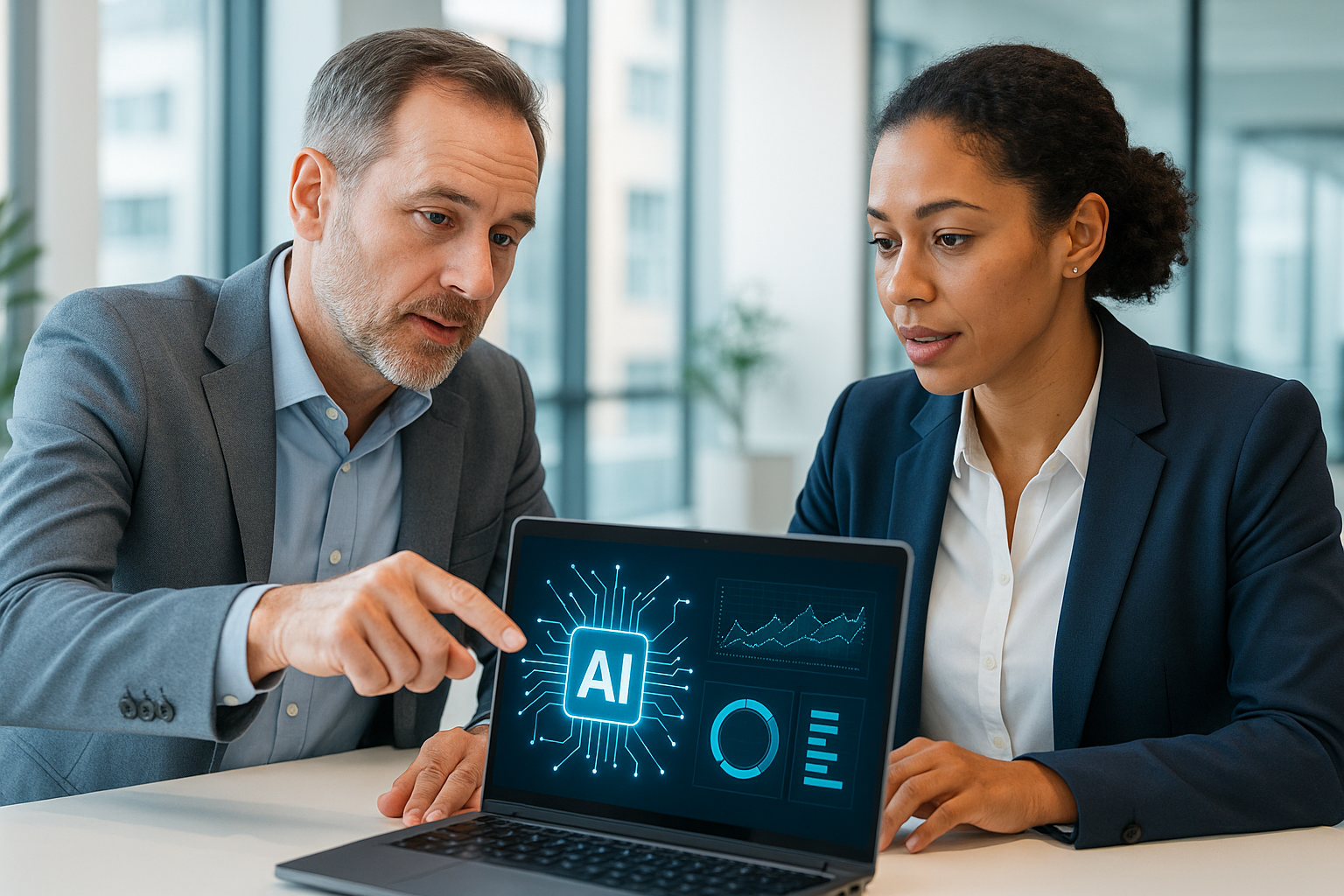

How HR Leaders Can Use Custom AI Solutions to Improve Onboarding, Support, and Adoption
HR leaders are under pressure from every direction. They are expected to support growth, improve employee experience, scale learning, strengthen leadership capability, and guide the people side of transformation, often with lean teams and limited time. AI is often presented as the answer, but generic tools alone rarely solve the real problem. HR does not simply need more technology. It needs systems that fit the human realities of work.
That is why custom AI solutions are becoming increasingly relevant in HR. When designed thoughtfully, they can reduce repetitive support burden, improve onboarding, reinforce learning, and help employees navigate change more confidently.
“The most valuable HR technology does not just automate tasks. It helps people move through change with more clarity and less friction.”
This distinction matters. Many HR teams have already seen what happens when a tool is introduced without enough context or support. Adoption stalls. Employees revert to old habits. The platform becomes one more thing to manage rather than a capability that improves work.
Where HR Feels the Pressure Most
Three areas often stand out:
- Onboarding. New employees need answers, guidance, and structure quickly.
- Employee support. HR teams answer many of the same questions repeatedly, from policies to process steps.
- Adoption. Whether the change is a new system, a new leadership model, or a new way of working, employees need reinforcement over time.
These are ideal places for custom AI because they sit at the intersection of knowledge, behavior, and process.
Why Generic Tools Often Fall Short
A generic chatbot can answer some questions, but HR work depends on tone, policy accuracy, trust, and business context. Employees need responses that reflect actual company rules, not vague internet-style suggestions. Managers need guidance that aligns with internal expectations. HR leaders need systems that reduce confusion, not introduce new risk.
| HR Need | Generic Tool Limitation | Custom AI Advantage |
|---|---|---|
| Onboarding guidance | Generic, not role-specific | Tailored by role, stage, and internal process |
| Policy support | Weak connection to actual documents | Grounded in approved company content |
| Change adoption | One-time guidance only | Can reinforce through prompts and follow-up |
| Manager enablement | Little context on internal expectations | Can support role-based decision guidance |
That is why custom AI solutions are especially powerful in HR. They can be built around the actual employee journey and the actual knowledge environment of the organization.
Onboarding as a High-Impact Starting Point
Onboarding is one of the clearest opportunities. A new employee needs the right information at the right time, not a flood of documents on day one. A custom AI assistant can guide them through policies, systems access, role-specific steps, and common questions. It can reduce uncertainty for the employee and reduce repetitive support work for HR.
For growing businesses, this is more than a convenience. Better onboarding improves speed to productivity, reduces early confusion, and creates a more confident first impression of the company.
Supporting Employees Without Creating More Noise
HR teams also face an ongoing support burden. Questions about leave, benefits, training, approvals, and internal processes arrive every day. Many of those questions are important, but not all require manual handling. A well-designed AI assistant can answer routine questions, direct employees to the right resource, and escalate where human judgment is needed.
This gives HR more space to focus on complex issues, leadership support, and strategic people work.
The Role of AI in Adoption and Behavior Change
One of the biggest opportunities in HR is not just information delivery. It is reinforcement. Employees often need reminders, micro-guidance, role-based prompts, and structured follow-up to turn training into action. This is where AI can complement human leadership. It can extend support between formal sessions and keep progress moving.
For businesses trying to implement new tools, new workflows, or new leadership expectations, that reinforcement can be the difference between short-term compliance and lasting behavior change.
What the Research Suggests
Transformation research continues to highlight the importance of people readiness. Organizations succeed not only because they choose the right technology, but because they help employees use it well. Training, trust, reinforcement, and clarity all matter. HR leaders are central to that equation.
That is why AI in HR should not be seen as just an efficiency play. It is also an enablement strategy. Done well, it improves employee experience while strengthening adoption across the organization.
Key Takeaways
- HR is one of the strongest early functions for custom AI because it combines knowledge, process, and behavior change.
- Onboarding, employee support, and adoption reinforcement are especially promising use cases.
- Generic tools often fall short because HR needs accuracy, tone, and internal context.
- Custom AI can reduce repetitive work while improving clarity for employees and managers.
- The best HR AI solutions support both operational efficiency and human adoption.
Final Thought
HR leaders have an opportunity to shape AI in a way that is practical, humane, and business-relevant. The goal is not simply to automate. It is to create better support, stronger onboarding, and more confident adoption across the organization. That is where custom AI solutions can become a real force multiplier.
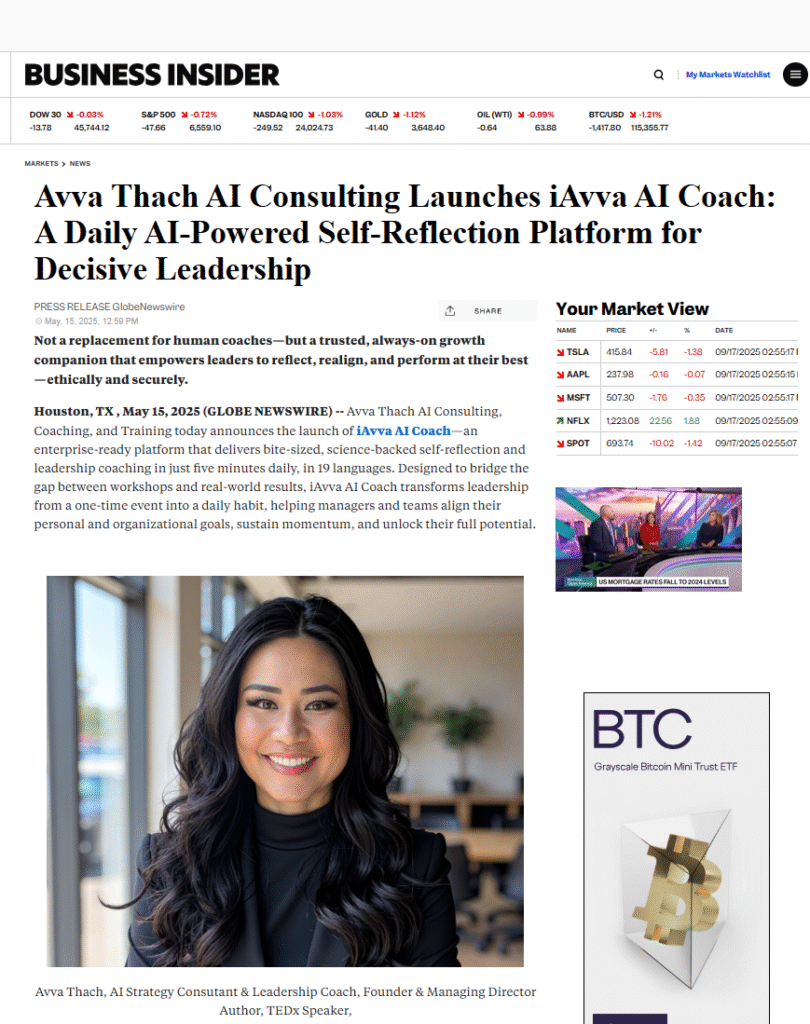
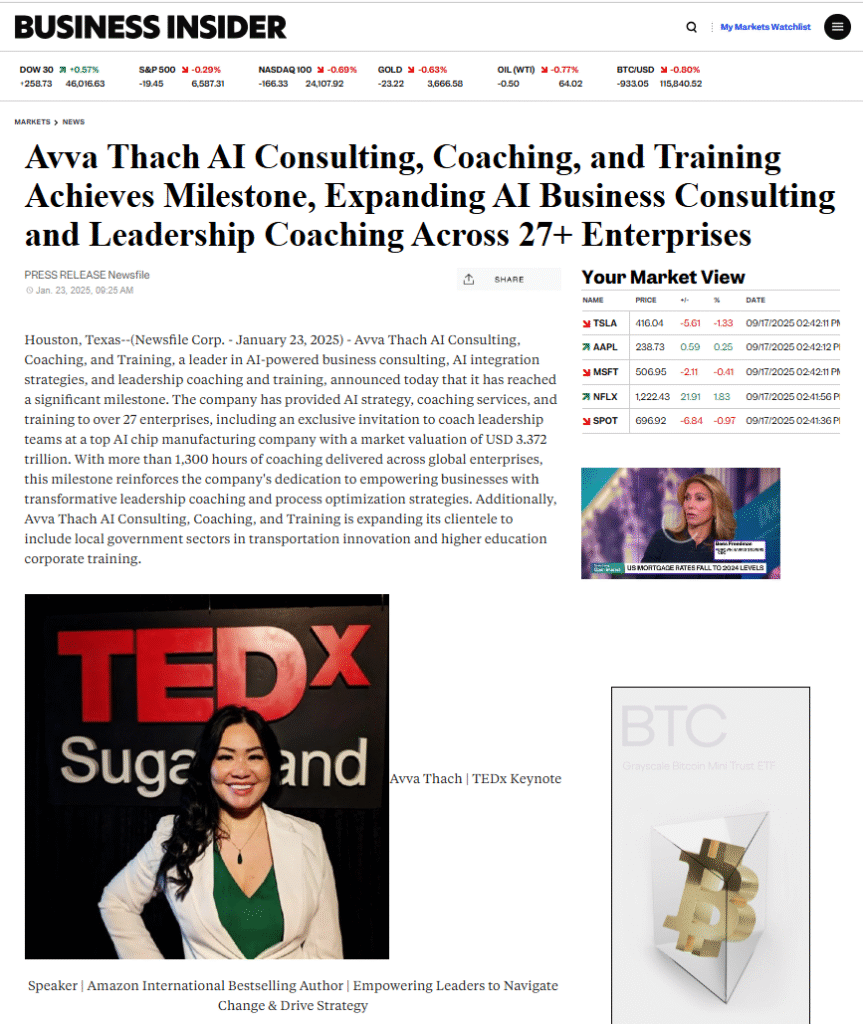
At iAvva, we help organizations design AI experiences that support both workflow improvement and the human side of transformation.











Leave a Reply