





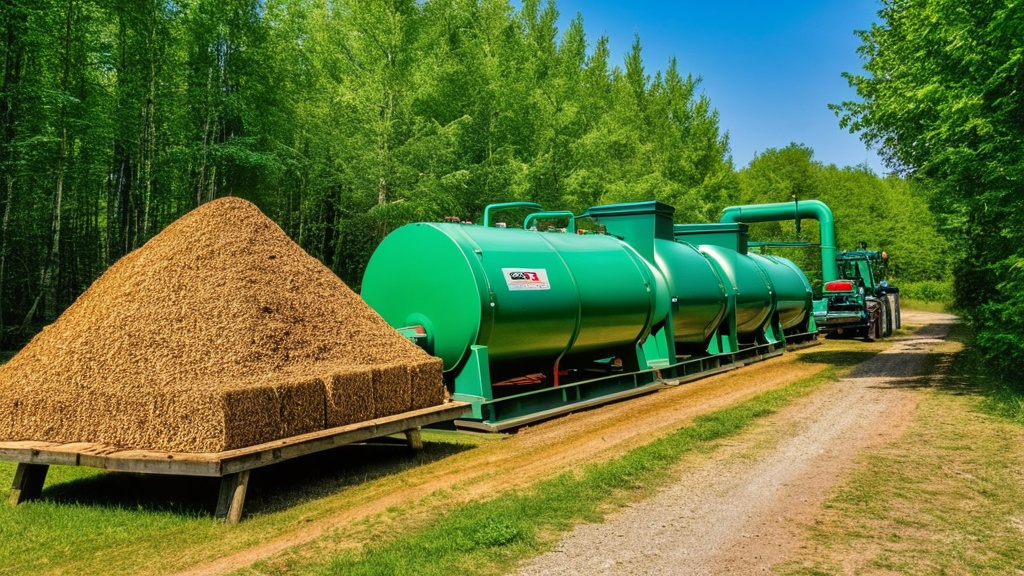
Biomass energy is generated from organic materials including plant matter, agricultural residues, and animal waste. This renewable energy source utilizes decomposition and combustion processes to produce heat, electricity, and biofuels. Biomass can be converted into solid, liquid, and gaseous fuels, providing flexibility for different energy applications.
Biomass energy offers potential benefits for energy security by enabling countries with substantial agricultural resources to reduce dependence on fossil fuel imports. The technology can be particularly valuable in rural areas where conventional energy infrastructure may be limited. Biomass integration into energy systems can contribute to grid stability while supporting local economic development through the utilization of agricultural and organic waste materials that would otherwise require disposal.
Key Takeaways
- Biomass energy offers significant environmental benefits by utilizing organic materials and reducing waste.
- It provides economic advantages, including job creation and support for rural development.
- Biomass energy plays a crucial role in lowering greenhouse gas emissions compared to fossil fuels.
- Technological advancements are improving the efficiency and viability of biomass energy production.
- Despite challenges, biomass energy remains a key renewable resource for a sustainable energy future.
The Environmental Benefits of Biomass Energy
One of the most compelling arguments for the adoption of biomass energy lies in its environmental benefits. Unlike fossil fuels, which release significant amounts of carbon dioxide and other greenhouse gases when burned, biomass energy is considered carbon-neutral. This is because the carbon dioxide emitted during combustion is roughly equivalent to the amount absorbed by the plants during their growth cycle.
Consequently, utilizing biomass for energy can help mitigate climate change by reducing overall greenhouse gas emissions. Moreover, biomass energy contributes to waste reduction by repurposing organic materials that would otherwise end up in landfills. Agricultural residues, forestry by-products, and even municipal solid waste can be transformed into valuable energy resources.
This not only minimizes waste but also promotes a circular economy where materials are continuously reused and recycled. By diverting organic waste from landfills, biomass energy production can significantly reduce methane emissions—a potent greenhouse gas released during the decomposition of organic matter in anaerobic conditions.
The Economic Advantages of Biomass Energy
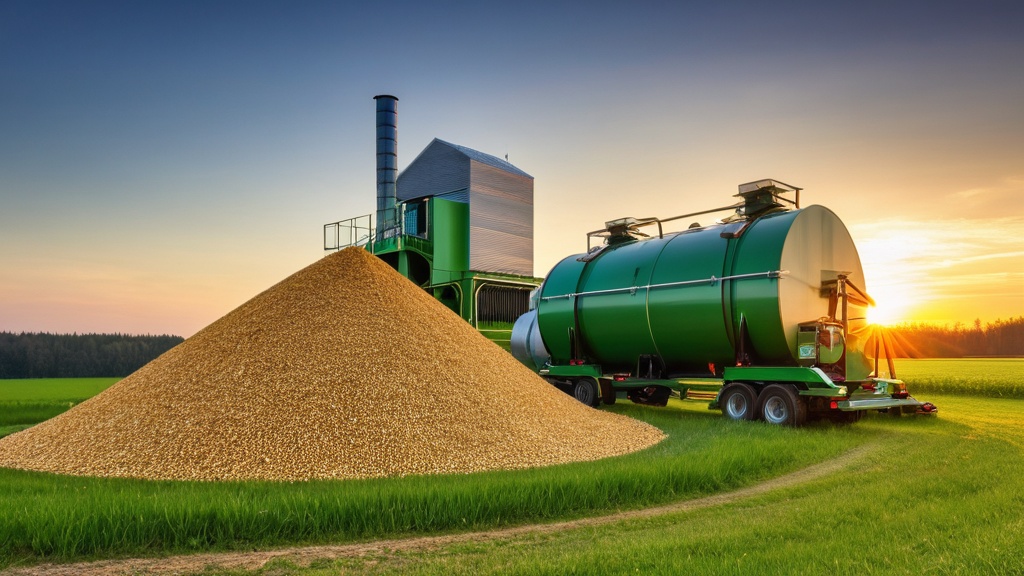
The economic advantages of biomass energy are manifold, making it an attractive option for both investors and policymakers. First and foremost, biomass energy can stimulate local economies by creating jobs in various sectors, including agriculture, manufacturing, and energy production. The cultivation of energy crops and the processing of biomass into usable fuels require a skilled workforce, thereby generating employment opportunities in rural areas where job prospects may be limited.
Additionally, biomass energy can enhance energy security by reducing dependence on imported fossil fuels.
The development of biomass facilities can also lead to increased tax revenues for local governments, further bolstering community resources.
As the demand for renewable energy continues to rise globally, the economic potential of biomass energy becomes increasingly evident.
The Role of Biomass Energy in Reducing Greenhouse Gas Emissions
Biomass energy plays a crucial role in the global effort to reduce greenhouse gas emissions. As nations strive to meet their climate targets outlined in international agreements such as the Paris Accord, transitioning to renewable energy sources like biomass is essential. By replacing fossil fuels with biomass-derived energy, countries can significantly lower their carbon footprints while still meeting their energy needs.
Furthermore, the use of biomass for energy can complement other renewable sources such as wind and solar power. Biomass can provide a reliable and consistent source of energy that can be deployed when solar or wind resources are insufficient. This ability to act as a baseload power source enhances grid stability and ensures a continuous supply of clean energy.
As such, biomass energy not only contributes to emission reductions but also supports a more integrated and resilient renewable energy system.
Biomass Energy as a Renewable Energy Source
| Metric | Value | Unit | Description |
|---|---|---|---|
| Global Biomass Energy Production | 60 | Exajoules (EJ) | Annual global energy produced from biomass sources (2023 estimate) |
| Biomass Energy Share of Total Renewable Energy | 50 | Percent (%) | Percentage of biomass energy in the total renewable energy mix worldwide |
| Typical Energy Density of Dry Wood | 18 | MJ/kg | Energy content per kilogram of dry wood biomass |
| Average Conversion Efficiency | 25 | Percent (%) | Efficiency of converting biomass to electricity in typical power plants |
| CO2 Emissions Reduction Potential | 80 | Percent (%) | Potential reduction in CO2 emissions compared to fossil fuels when using biomass energy |
| Global Biomass Power Capacity | 130 | Gigawatts (GW) | Total installed biomass power generation capacity worldwide |
| Typical Moisture Content of Biomass Feedstock | 30 | Percent (%) | Average moisture content in biomass feedstock used for energy production |
Biomass is classified as a renewable energy source due to its ability to regenerate naturally over time. Unlike fossil fuels, which take millions of years to form and are finite in nature, biomass can be replenished through sustainable agricultural practices and responsible forest management. This characteristic makes biomass an appealing option for long-term energy planning.
The versatility of biomass also allows it to be produced from a wide range of feedstocks, including dedicated energy crops like switchgrass and miscanthus, as well as waste materials from food production and forestry operations. This diversity not only enhances the sustainability of biomass production but also provides opportunities for innovation in feedstock development and processing technologies. As research continues to advance in this field, the potential for biomass to contribute significantly to global energy needs becomes increasingly promising.
The Potential for Biomass Energy to Create Jobs
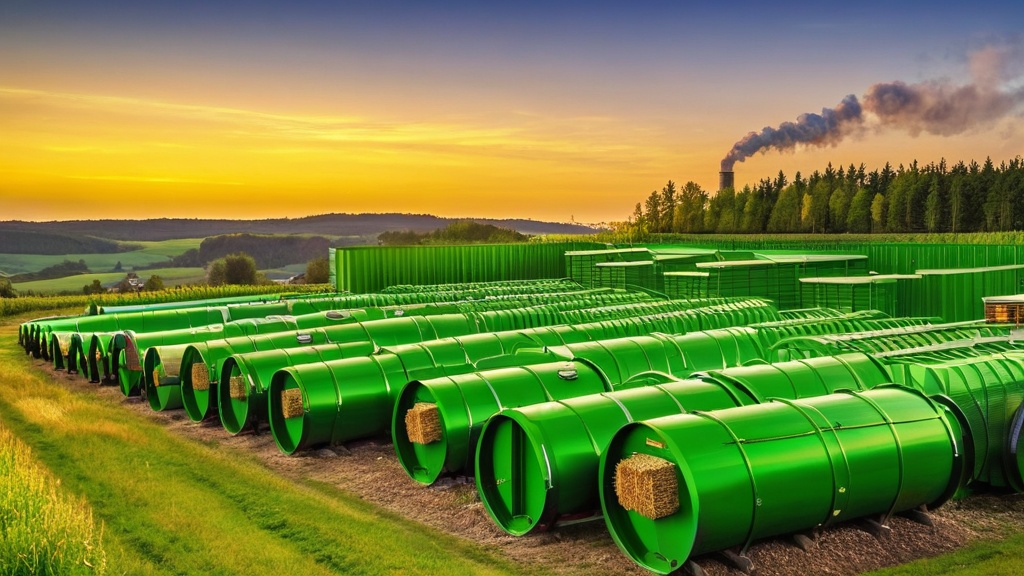
The job creation potential associated with biomass energy is significant and multifaceted. From agricultural production to processing and distribution, each stage of the biomass supply chain offers opportunities for employment. Farmers can diversify their income streams by growing dedicated energy crops or supplying agricultural residues for biomass production.
This diversification not only enhances farm viability but also contributes to rural economic stability. In addition to agricultural jobs, the establishment of biomass processing facilities creates positions in manufacturing and operations. These facilities require skilled workers for tasks ranging from plant management to equipment maintenance.
Furthermore, as the demand for biomass-derived products grows—such as biofuels and biopower—new industries will emerge, further expanding job opportunities across various sectors. By investing in biomass energy infrastructure, communities can foster economic growth while simultaneously addressing environmental challenges.
The Technological Advances in Biomass Energy Production
Technological advancements have played a pivotal role in enhancing the efficiency and viability of biomass energy production.
These advancements enable producers to extract maximum value from feedstocks while minimizing waste.
Moreover, ongoing research into genetic engineering and agronomy is paving the way for the development of high-yielding energy crops that require fewer inputs and are more resilient to climate change impacts. By optimizing feedstock production through technology-driven approaches, the overall sustainability of biomass energy systems can be significantly improved. As these technologies continue to evolve, they will play a crucial role in positioning biomass as a key player in the transition toward a low-carbon economy.
The Importance of Biomass Energy in Rural Development
Biomass energy holds particular significance for rural development initiatives. Many rural communities possess abundant agricultural resources that can be harnessed for biomass production, providing a pathway for economic growth and self-sufficiency. By investing in local biomass projects, rural areas can create jobs, stimulate local economies, and enhance their overall quality of life.
Furthermore, biomass energy projects often involve community engagement and collaboration among stakeholders, including farmers, local governments, and businesses. This collaborative approach fosters social cohesion and empowers communities to take charge of their energy futures. As rural areas increasingly seek sustainable development solutions, biomass energy stands out as a viable option that aligns with both economic aspirations and environmental stewardship.
The Challenges and Limitations of Biomass Energy
Despite its numerous advantages, biomass energy is not without challenges and limitations. One significant concern is the competition for land between food production and bioenergy crops. As demand for biofuels increases, there is a risk that agricultural land may be diverted away from food production, potentially exacerbating food security issues.
It is essential to strike a balance between utilizing land for bioenergy while ensuring sufficient food supply for growing populations. Additionally, the sustainability of biomass sourcing practices must be carefully managed to prevent deforestation or habitat destruction. Unsustainable harvesting practices can lead to negative environmental impacts that undermine the benefits of biomass as a renewable resource.
To address these challenges, robust regulatory frameworks and best practices must be established to ensure responsible sourcing and production methods.
The Future of Biomass Energy
Looking ahead, the future of biomass energy appears promising as technological advancements continue to evolve alongside growing global demand for renewable energy sources. Policymakers are increasingly recognizing the importance of integrating biomass into national energy strategies as part of broader efforts to combat climate change and promote sustainable development. As research progresses in areas such as advanced biofuels and bioproducts derived from biomass feedstocks, new markets are likely to emerge that further enhance the economic viability of this renewable resource.
Additionally, public awareness campaigns highlighting the benefits of biomass energy can help garner support from communities and stakeholders alike. By fostering collaboration between government entities, private industry, and research institutions, we can unlock the full potential of biomass energy as a cornerstone of a sustainable future.
The Role of Biomass Energy in a Sustainable Future
In conclusion, biomass energy represents a multifaceted solution that addresses pressing environmental challenges while offering significant economic benefits. Its potential to reduce greenhouse gas emissions, create jobs, and support rural development underscores its importance in the transition toward a sustainable future. As we navigate an increasingly complex global landscape marked by climate change and resource scarcity, embracing renewable sources like biomass will be essential.
By investing in technological advancements and promoting responsible sourcing practices, we can harness the full potential of biomass energy while mitigating its challenges. As communities around the world seek innovative solutions to meet their energy needs sustainably, biomass stands out as a viable option that aligns with both environmental stewardship and economic growth objectives. Ultimately, embracing biomass energy will play a crucial role in shaping a more sustainable future for generations to come.
Biomass energy is an increasingly important topic in the quest for sustainable energy solutions. As we explore various renewable energy sources, understanding the role of technology in enhancing efficiency becomes crucial. For instance, the article on AI coaching, which discusses how artificial intelligence can improve performance, can be related to the optimization of biomass energy systems. You can read more about this in the article Enhancing Performance: The Benefits of AI Coaching.
FAQs
What is biomass energy?
Biomass energy is a form of renewable energy derived from organic materials such as plants, agricultural residues, wood, and animal waste. It is produced by converting these materials into heat, electricity, or biofuels.
How is biomass energy produced?
Biomass energy can be produced through various processes including combustion (burning biomass to generate heat), anaerobic digestion (breaking down organic matter to produce biogas), gasification (converting biomass into synthetic gas), and fermentation (producing bioethanol from sugars).
What are the common sources of biomass?
Common sources include wood and wood residues, agricultural crops and waste, animal manure, food waste, and dedicated energy crops like switchgrass and miscanthus.
Is biomass energy renewable?
Yes, biomass energy is considered renewable because it uses organic materials that can be replenished through natural processes and sustainable agricultural practices.
What are the environmental benefits of biomass energy?
Biomass energy can reduce greenhouse gas emissions compared to fossil fuels, help manage waste, and promote sustainable land use. When sourced responsibly, it contributes to carbon neutrality by recycling carbon dioxide absorbed during plant growth.
Are there any environmental concerns associated with biomass energy?
Potential concerns include deforestation, habitat loss, air pollution from combustion, and competition with food production if energy crops replace food crops. Sustainable sourcing and efficient technologies are essential to minimize these impacts.
How efficient is biomass energy compared to other renewable sources?
Biomass energy efficiency varies depending on the technology used. While it can provide consistent and dispatchable power, its conversion efficiency is generally lower than solar or wind energy. However, biomass can be stored and used on demand, offering grid stability benefits.
Can biomass energy be used for transportation?
Yes, biomass can be converted into biofuels such as ethanol and biodiesel, which are used as alternatives to gasoline and diesel in transportation.
What is the difference between biomass energy and bioenergy?
Biomass energy specifically refers to energy derived from organic materials, while bioenergy is a broader term that includes all energy produced from biological sources, including biomass, biofuels, and biogas.
Is biomass energy cost-effective?
The cost-effectiveness of biomass energy depends on feedstock availability, technology, scale, and local conditions. In some regions, it is competitive with fossil fuels, especially when considering environmental benefits and energy security.


















Leave a Reply