





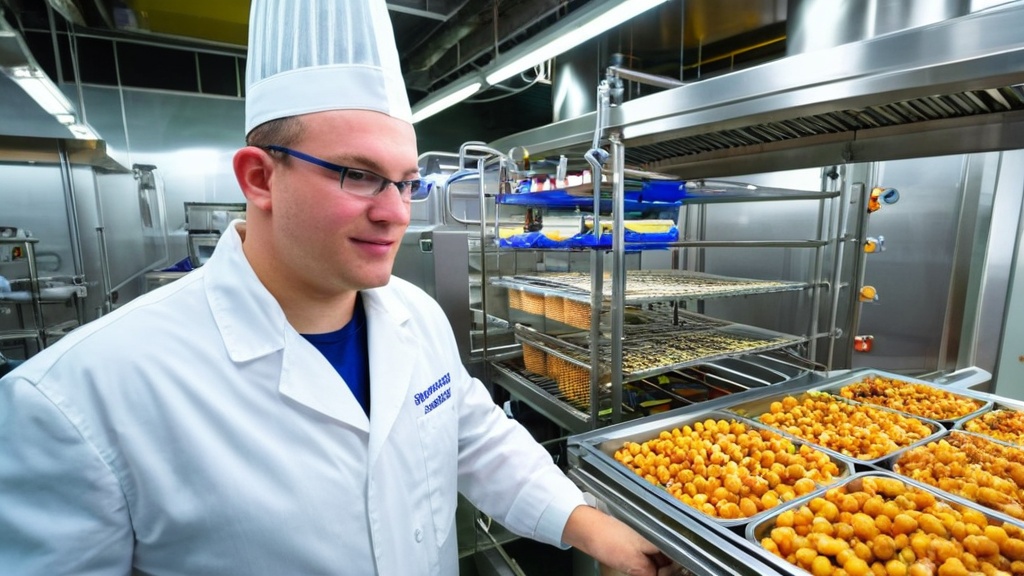
Food process engineers play a pivotal role in the food industry, serving as the bridge between food science and engineering principles. Their primary responsibility is to design, optimize, and implement processes that transform raw ingredients into safe, nutritious, and appealing food products. This involves a deep understanding of various engineering disciplines, including thermodynamics, fluid mechanics, and heat transfer, as well as a solid grasp of food chemistry and microbiology.
By applying these principles, food process engineers ensure that production methods are efficient, cost-effective, and sustainable.
In addition to designing processes, food process engineers are also tasked with troubleshooting and improving existing systems. They analyze production workflows to identify bottlenecks or inefficiencies and develop solutions to enhance productivity. This may involve the integration of new technologies or the redesign of equipment to meet evolving industry standards. Ultimately, their work not only impacts the quality and safety of food products but also influences the overall profitability of food manufacturing operations.
Food process engineers play a crucial role in developing efficient methods for food production and preservation, ensuring safety and quality in the food supply chain. For those interested in enhancing their skills in this field, a related article that explores innovative teaching methods is available at Improving Your Teaching with an AI Coach. This article discusses how artificial intelligence can be leveraged to improve educational practices, which can be beneficial for food process engineers looking to advance their knowledge and training techniques.
Key Takeaways
- Food process engineers play a crucial role in designing and optimizing food production processes to ensure efficiency and quality.
- Food process engineering is essential for revolutionizing food production by improving productivity, reducing waste, and enhancing food safety and quality.
- Innovations in food process engineering, such as advanced packaging technologies and novel processing methods, are driving the evolution of the food industry.
- Food process engineering has a significant impact on food safety and quality through the implementation of strict regulations, quality control measures, and advanced monitoring systems.
- Sustainable practices in food process engineering, including waste reduction, energy efficiency, and environmentally friendly packaging, are essential for promoting a more sustainable food industry.
The Importance of Food Process Engineering in Revolutionizing Food Production
The significance of food process engineering cannot be overstated, especially in an era where global food demand is on the rise. As populations grow and consumer preferences shift towards healthier and more diverse diets, food process engineers are at the forefront of revolutionizing food production. They are tasked with developing innovative methods that not only increase output but also enhance the nutritional value of food products. This is crucial in addressing food security challenges and ensuring that populations have access to safe and nutritious food.
Moreover, food process engineering plays a vital role in reducing waste throughout the production cycle. By optimizing processes and implementing efficient resource management strategies, engineers can minimize spoilage and maximize yield.
This not only benefits manufacturers economically but also contributes to environmental sustainability by reducing the carbon footprint associated with food production.
As such, food process engineers are essential in creating a more resilient food system that can adapt to changing demands while minimizing its impact on the planet.
Innovations in Food Process Engineering
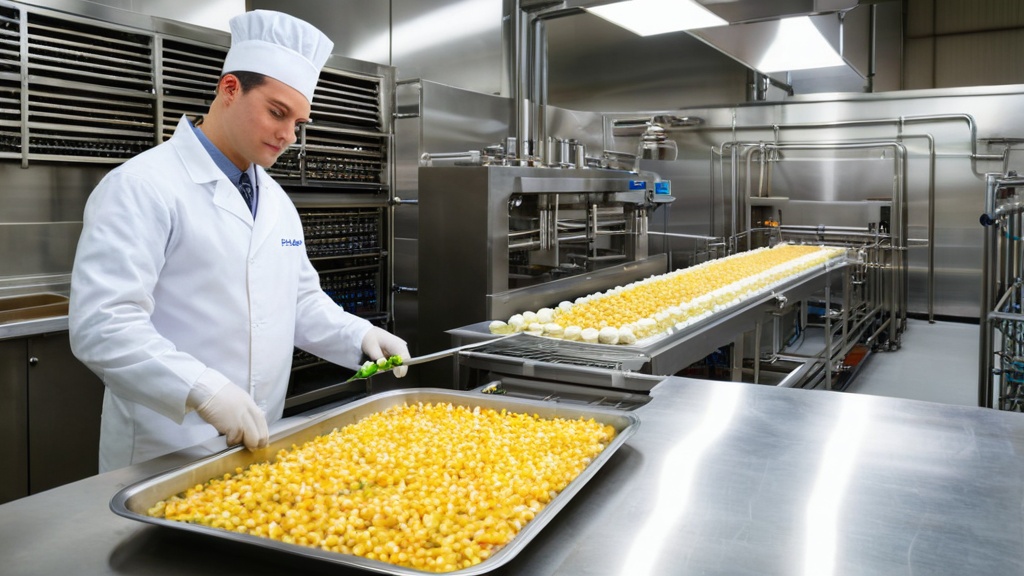
Innovation is at the heart of food process engineering, driving advancements that enhance efficiency and product quality. One notable trend is the adoption of automation and robotics in food manufacturing. These technologies streamline operations, reduce labor costs, and improve precision in processes such as packaging and sorting. For instance, automated systems can quickly identify defects in products, ensuring that only high-quality items reach consumers. This not only boosts productivity but also enhances consumer trust in food safety.
Another area of innovation is the development of novel preservation techniques that extend shelf life without compromising quality. Techniques such as high-pressure processing (HPP) and pulsed electric field (PEF) technology are gaining traction for their ability to eliminate pathogens while retaining the nutritional value of foods. These methods represent a significant leap forward from traditional preservation techniques, allowing manufacturers to offer fresher products with longer shelf lives. As these innovations continue to evolve, they hold the potential to reshape the landscape of food production.
The Impact of Food Process Engineering on Food Safety and Quality
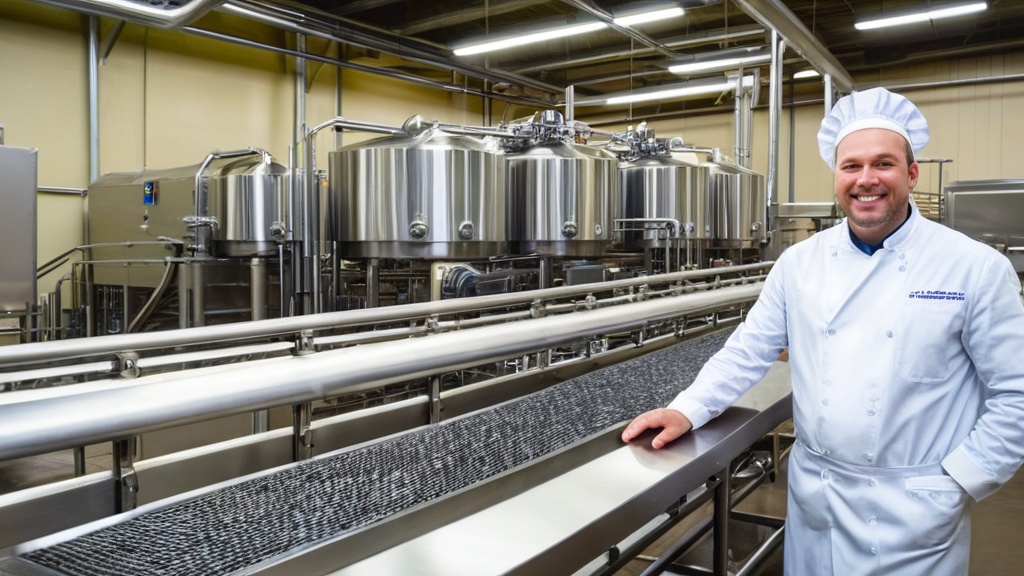
Food safety is paramount in the industry, and food process engineers play a crucial role in ensuring that products meet stringent safety standards. They design processes that incorporate critical control points to monitor and mitigate risks associated with contamination. By implementing rigorous testing protocols and quality assurance measures, engineers help safeguard public health while maintaining compliance with regulatory requirements.
In addition to safety, food process engineering significantly impacts product quality. Engineers work closely with food scientists to develop formulations that enhance flavor, texture, and appearance while ensuring nutritional integrity. Through careful control of processing parameters such as temperature and pressure, they can influence the final characteristics of food products. This collaborative approach not only results in superior products but also fosters innovation in flavor profiles and ingredient combinations that cater to evolving consumer preferences.
Food process engineers play a crucial role in optimizing production methods and ensuring food safety, which is increasingly important in today’s rapidly evolving industry. As technology advances, the integration of artificial intelligence in food processing becomes a vital topic for professionals in the field. For insights on how AI can transform various sectors, including food processing, you can read more in this related article on navigating the complexities of AI investments. Understanding these advancements can help food process engineers make informed decisions that enhance efficiency and product quality. Check out the article here.
Sustainable Practices in Food Process Engineering
| Metrics | Data |
|---|---|
| Number of food processing plants worked in | 10 |
| Years of experience | 8 |
| Number of food products developed | 15 |
| Improvement in production efficiency | 20% |
| Reduction in production waste | 15% |
Sustainability is increasingly becoming a focal point in food process engineering as consumers demand more environmentally friendly practices. Engineers are tasked with developing processes that minimize resource consumption and waste generation while maximizing efficiency. This includes optimizing energy use during production and exploring alternative energy sources such as solar or wind power.
Additionally, sustainable practices extend to sourcing ingredients responsibly. Food process engineers collaborate with suppliers to ensure that raw materials are obtained through ethical means, supporting local economies and reducing environmental impact. By integrating sustainability into their processes, engineers not only contribute to a healthier planet but also enhance brand reputation among environmentally conscious consumers.
Food process engineers play a crucial role in optimizing production methods and ensuring food safety, which is increasingly important in today’s fast-paced industry. For those interested in how innovative technologies can enhance operational efficiency, a related article discusses the transformative impact of artificial intelligence on various sectors, including food processing. You can explore this fascinating topic further in the article about unlocking AI’s potential for businesses.
The Role of Technology in Food Process Engineering
Technology is transforming the landscape of food process engineering, enabling engineers to develop smarter and more efficient systems. The Internet of Things (IoT) is one such technological advancement that allows for real-time monitoring of production processes. Sensors can track variables such as temperature, humidity, and pressure, providing valuable data that can be analyzed to optimize operations.
Moreover, data analytics plays a crucial role in decision-making within food manufacturing. By leveraging big data, engineers can identify trends and patterns that inform process improvements and product development. Machine learning algorithms can predict equipment failures before they occur, allowing for proactive maintenance that minimizes downtime. As technology continues to advance, its integration into food process engineering will undoubtedly lead to further innovations that enhance productivity and quality.
Collaboration with Other Professionals in the Food Industry
Collaboration is essential in the field of food process engineering, as it often requires input from various stakeholders within the industry. Food process engineers work closely with food scientists, quality assurance specialists, and regulatory experts to ensure that processes align with safety standards and consumer expectations. This interdisciplinary approach fosters innovation by combining diverse perspectives and expertise.
Furthermore, collaboration extends beyond internal teams to include partnerships with suppliers and distributors. By engaging with these external stakeholders, engineers can gain insights into market trends and consumer preferences that inform product development. This collaborative spirit not only enhances the efficiency of production processes but also ensures that products resonate with consumers in an ever-evolving marketplace.
Career Opportunities and Advancements in Food Process Engineering
The field of food process engineering offers a wealth of career opportunities for aspiring professionals. With the growing demand for innovative solutions in food production, there is a need for skilled engineers who can navigate complex challenges within the industry. Entry-level positions often involve working on production lines or assisting senior engineers in process design and optimization.
As professionals gain experience, they can advance into roles such as project managers or lead engineers, overseeing large-scale projects that require strategic planning and execution. Additionally, opportunities exist in research and development, where engineers can focus on creating new products or improving existing ones. The diverse nature of the field allows for specialization in areas such as sustainability or automation, providing professionals with pathways for growth tailored to their interests.
Challenges and Solutions in Food Process Engineering
Despite its many advancements, food process engineering faces several challenges that require innovative solutions. One significant issue is the need for continuous adaptation to changing regulations and consumer demands. Engineers must stay informed about evolving standards related to safety, labeling, and sustainability while ensuring compliance throughout production processes.
Another challenge lies in managing supply chain disruptions caused by factors such as climate change or geopolitical tensions. Food process engineers must develop resilient systems that can withstand these fluctuations while maintaining product quality and availability. Solutions may include diversifying suppliers or investing in local sourcing strategies to mitigate risks associated with global supply chains.
The Future of Food Process Engineering
The future of food process engineering is poised for exciting developments as technology continues to evolve and consumer preferences shift. One promising trend is the increasing focus on personalized nutrition, where engineers will play a crucial role in developing tailored products that meet individual dietary needs. This may involve leveraging data analytics to create customized formulations based on consumer health profiles.
Additionally, advancements in biotechnology may lead to innovative approaches in ingredient sourcing and product development. Engineers will need to navigate ethical considerations while exploring new frontiers such as lab-grown meats or plant-based alternatives that cater to changing dietary preferences. As these trends unfold, food process engineers will be at the forefront of shaping a more sustainable and health-conscious future for food production.
The Potential of Food Process Engineering in Revolutionizing Food Production
In conclusion, food process engineering holds immense potential for revolutionizing food production by enhancing efficiency, safety, and sustainability. As global challenges related to food security and environmental impact intensify, the expertise of food process engineers will be critical in developing innovative solutions that address these issues head-on. Through collaboration with other professionals and the integration of cutting-edge technologies, they will continue to drive advancements that benefit both consumers and the planet.
As we look ahead, it is clear that the role of food process engineers will only become more vital in shaping the future of the food industry. Their ability to adapt to changing demands while maintaining high standards of quality will ensure that we can meet the needs of a growing population sustainably. With their unique blend of technical knowledge and creative problem-solving skills, food process engineers are poised to lead the charge toward a more resilient and innovative food system for generations to come.
FAQs
What does a food process engineer do?
A food process engineer is responsible for designing, developing, and improving food manufacturing processes. They work to ensure that food products are produced efficiently, safely, and with high quality.
What skills are required to become a food process engineer?
To become a food process engineer, one needs a strong background in engineering, particularly in areas such as chemical engineering, food engineering, or agricultural engineering. Additionally, knowledge of food science, food safety regulations, and quality control is essential.
What industries do food process engineers work in?
Food process engineers can work in a variety of industries, including food manufacturing, food packaging, food equipment design, and food research and development. They may also work in industries related to food safety and regulatory compliance.
What are the typical responsibilities of a food process engineer?
Typical responsibilities of a food process engineer include designing and optimizing food production processes, conducting research and experiments to improve food products, ensuring compliance with food safety regulations, and collaborating with other professionals such as food scientists and production managers.
What is the job outlook for food process engineers?
The job outlook for food process engineers is positive, as the demand for safe and efficient food production continues to grow. With advancements in technology and an increasing focus on sustainability and quality, the need for skilled food process engineers is expected to remain strong.


















Leave a Reply