





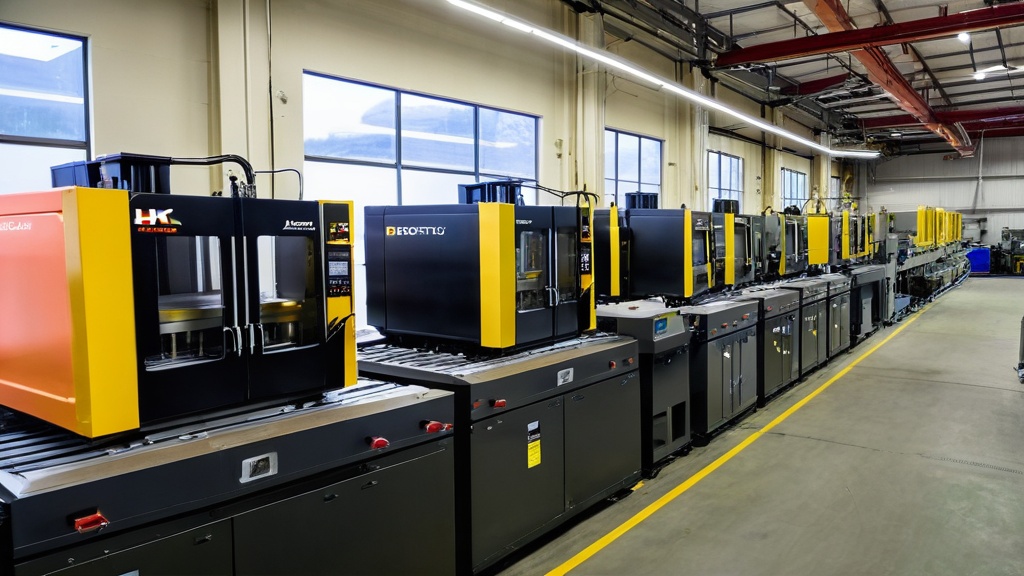
Hot runner injection molding is a sophisticated manufacturing process that has revolutionized the production of plastic components. Unlike traditional cold runner systems, where the plastic solidifies in the runner and must be removed as scrap, hot runner systems keep the plastic in a molten state throughout the injection cycle. This is achieved through heated channels that transport the molten material directly to the mold cavities. The primary advantage of this system is its ability to reduce waste and improve efficiency, making it an attractive option for manufacturers looking to optimize their production processes.
The technology behind hot runner systems involves a series of components, including a heated manifold and individual nozzle assemblies that deliver the molten plastic to each cavity. The design of these systems can vary significantly based on the specific requirements of the application, including the type of material being used and the complexity of the part being produced. Understanding the intricacies of hot runner injection molding is essential for manufacturers aiming to leverage its benefits fully.
As industries continue to demand higher precision and lower costs, hot runner systems are becoming increasingly prevalent in various sectors, from automotive to consumer goods.
The hot runner injection molding process is a highly efficient method used in the manufacturing of plastic components, significantly reducing waste and cycle times. For those interested in exploring how advanced technologies, such as artificial intelligence, can enhance manufacturing processes, a related article can be found at Unlocking AI’s Disproportionate Returns: Shifting Focus to DPI. This article delves into the transformative impact of AI on various industries, including its potential applications in optimizing injection molding techniques.
Key Takeaways
- Hot runner injection molding improves efficiency by reducing material waste and cycle times.
- Proper design and material selection are critical for optimal hot runner system performance.
- Temperature control and monitoring ensure consistent product quality and prevent defects.
- Regular maintenance and troubleshooting extend the lifespan of hot runner systems.
- Emerging technologies are driving advancements in hot runner molding for better precision and sustainability.
Advantages of Hot Runner Injection Molding
One of the most significant advantages of hot runner injection molding is its ability to minimize material waste. In traditional cold runner systems, excess plastic that solidifies in the runner must be removed and discarded, leading to increased material costs and environmental concerns. Hot runner systems eliminate this issue by keeping the plastic in a molten state, allowing for complete utilization of the material. This not only reduces waste but also contributes to a more sustainable manufacturing process.
Additionally, hot runner systems can significantly enhance production efficiency. The elimination of runner scrap means that manufacturers can achieve higher yields from each batch of material. Furthermore, because the plastic remains heated, cycle times can be reduced, leading to faster production rates. This efficiency translates into lower operational costs and improved profitability for manufacturers. The ability to produce high-quality parts with minimal waste and reduced cycle times makes hot runner injection molding an attractive option for businesses looking to stay competitive in a rapidly evolving market.
Design Considerations for Hot Runner Systems
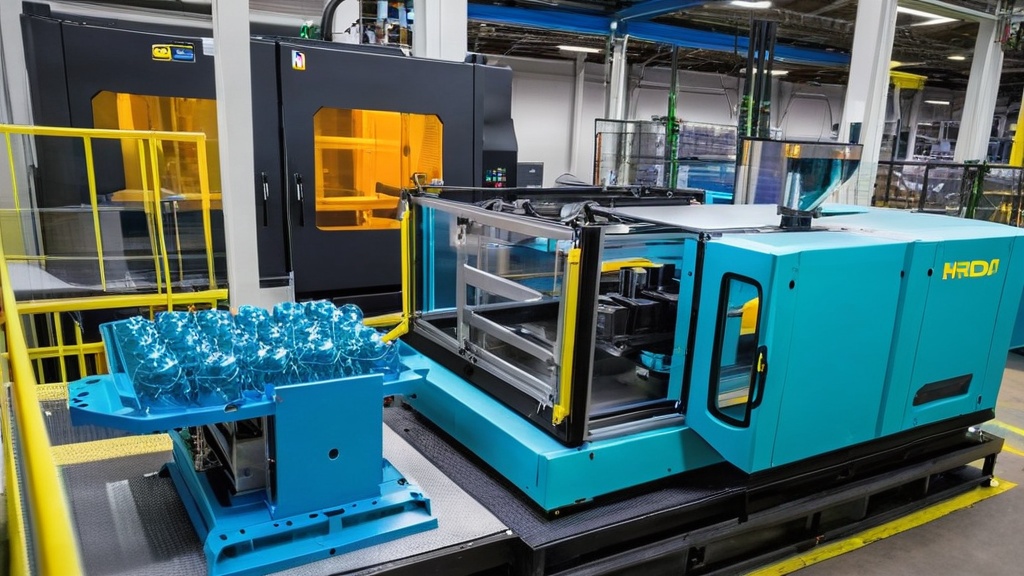
When designing a hot runner system, several critical factors must be taken into account to ensure optimal performance. One of the primary considerations is the layout of the manifold and nozzles. The design must facilitate even distribution of molten plastic to all cavities while minimizing pressure drops that could lead to inconsistencies in part quality. Engineers must also consider the thermal characteristics of the materials being used, as different plastics have varying flow properties and temperature requirements.
Another important aspect of design is the selection of appropriate heating elements. The heating system must provide uniform temperature control across the manifold and nozzles to prevent issues such as material degradation or inconsistent flow rates. Additionally, designers should consider accessibility for maintenance and troubleshooting, as well as compatibility with existing injection molding machines. A well-thought-out design can significantly enhance the performance and reliability of hot runner systems, ultimately leading to better product quality and reduced downtime.
Material Selection for Hot Runner Injection Molding
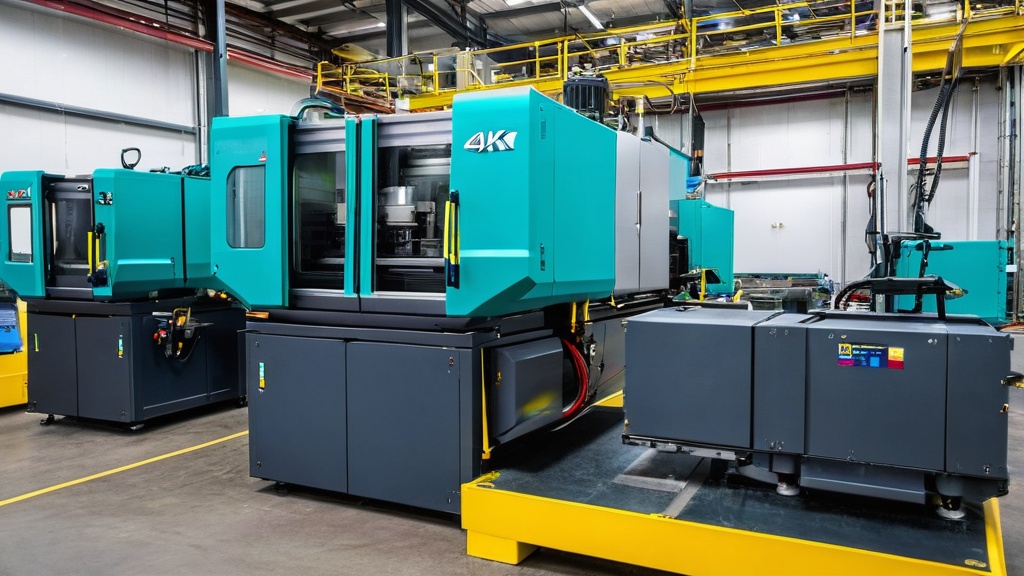
Choosing the right materials for hot runner injection molding is crucial for achieving optimal results. The selection process involves considering factors such as thermal stability, viscosity, and compatibility with the specific hot runner system being used. Thermoplastics are commonly employed in hot runner applications due to their ability to flow easily when heated and solidify upon cooling. However, not all thermoplastics are suitable for every application; some may require specific processing conditions or additives to enhance their performance.
In addition to thermoplastics, manufacturers must also consider the impact of material properties on part design and functionality. For instance, certain materials may exhibit higher shrinkage rates or require specific cooling times, which can affect cycle times and overall production efficiency. By carefully selecting materials that align with both the design requirements and processing capabilities of hot runner systems, manufacturers can ensure high-quality outputs while minimizing production challenges.
The hot runner injection molding process is an innovative technique that enhances the efficiency and quality of plastic manufacturing. For those interested in exploring how advanced technologies are reshaping various industries, a related article discusses the impact of AI on business operations and revenue growth. You can read more about this transformation in the context of AI advancements by visiting this insightful article. Understanding these trends can provide valuable insights into the future of manufacturing and technology integration.
Temperature Control and Monitoring in Hot Runner Systems
| Metric | Description | Typical Value / Range | Unit |
|---|---|---|---|
| Injection Pressure | Pressure applied to inject molten plastic into the mold | 500 – 1500 | bar |
| Injection Temperature | Temperature of the molten plastic during injection | 200 – 300 | °C |
| Hot Runner Temperature | Temperature maintained in the hot runner system to keep plastic molten | 220 – 280 | °C |
| Cavity Filling Time | Time taken to fill the mold cavity with molten plastic | 0.5 – 3 | seconds |
| Cycle Time | Total time for one complete molding cycle | 10 – 60 | seconds |
| Shot Weight | Weight of plastic injected per cycle | 5 – 500 | grams |
| Gate Size | Diameter or cross-section of the gate in the hot runner system | 0.5 – 3 | mm |
| Material Viscosity | Viscosity of the molten plastic affecting flow | 1000 – 5000 | Pa·s |
| Energy Consumption | Energy used per cycle in the hot runner system | 0.5 – 2 | kWh |
| Defect Rate | Percentage of parts rejected due to molding defects | 1 – 5 | % |
Effective temperature control is paramount in hot runner injection molding, as it directly influences material flow and part quality. Maintaining consistent temperatures throughout the manifold and nozzles is essential for preventing issues such as material degradation or inconsistent filling of mold cavities. Advanced temperature control systems utilize sensors and feedback mechanisms to monitor temperatures in real-time, allowing for precise adjustments as needed.
Moreover, implementing robust monitoring solutions can help identify potential issues before they escalate into significant problems. For instance, fluctuations in temperature can indicate blockages or malfunctions within the system, prompting timely maintenance interventions. By investing in advanced temperature control and monitoring technologies, manufacturers can enhance the reliability of their hot runner systems while ensuring consistent product quality.
Maintenance and Troubleshooting of Hot Runner Systems
Regular maintenance is critical for ensuring the longevity and performance of hot runner systems. Manufacturers should establish a comprehensive maintenance schedule that includes routine inspections, cleaning, and calibration of heating elements and sensors. Neglecting maintenance can lead to issues such as clogged nozzles or uneven heating, which can compromise part quality and increase downtime.
In addition to preventive maintenance, troubleshooting is an essential aspect of managing hot runner systems.
Operators should be trained to recognize common issues such as inconsistent flow rates or temperature fluctuations and understand how to address them effectively.
Implementing a systematic approach to troubleshooting can help minimize production disruptions and maintain optimal performance levels.
Optimizing Cycle Times with Hot Runner Injection Molding
Optimizing cycle times is a key objective for manufacturers utilizing hot runner injection molding technology. Several strategies can be employed to achieve this goal, including fine-tuning processing parameters such as injection speed, pressure, and cooling times. By carefully analyzing these variables, manufacturers can identify opportunities for improvement that lead to faster cycle times without compromising part quality.
Additionally, leveraging advanced simulation tools can provide valuable insights into how different parameters affect cycle times. These tools allow manufacturers to model various scenarios and predict outcomes based on specific adjustments, enabling data-driven decision-making. By continuously monitoring and optimizing cycle times, manufacturers can enhance productivity and reduce operational costs associated with extended production runs.
Quality Control in Hot Runner Injection Molding
Quality control is an integral component of any manufacturing process, and hot runner injection molding is no exception. Implementing rigorous quality control measures helps ensure that each part produced meets established specifications and standards. This may involve conducting regular inspections during production runs, utilizing automated inspection technologies, or employing statistical process control techniques to monitor variations in part quality.
Furthermore, establishing clear quality benchmarks based on customer requirements can guide manufacturers in maintaining high standards throughout their production processes. By fostering a culture of quality awareness among employees and integrating quality control practices into every stage of production, manufacturers can enhance customer satisfaction while minimizing waste associated with defective parts.
Cost Considerations for Hot Runner Systems
While hot runner injection molding offers numerous advantages, it is essential for manufacturers to consider the associated costs when implementing this technology. Initial investments in hot runner systems can be significant due to the complexity of design and materials required. However, these costs must be weighed against potential savings from reduced material waste and improved production efficiency over time.
Additionally, ongoing operational costs should be factored into the overall cost analysis. This includes expenses related to maintenance, energy consumption for heating elements, and potential downtime due to system malfunctions. By conducting a thorough cost-benefit analysis, manufacturers can make informed decisions about whether hot runner injection molding aligns with their long-term financial goals.
Case Studies of Successful Hot Runner Injection Molding Applications
Examining real-world case studies can provide valuable insights into the successful implementation of hot runner injection molding technology across various industries. For instance, a leading automotive manufacturer adopted hot runner systems to produce complex interior components with intricate designs. By leveraging this technology, they were able to reduce material waste by over 30% while simultaneously improving production efficiency by 25%. This success story highlights how hot runner systems can drive significant operational improvements when applied strategically.
Another notable case involved a consumer goods company that faced challenges with inconsistent part quality using traditional injection molding methods. After transitioning to a hot runner system, they experienced enhanced control over material flow and temperature management, resulting in a marked reduction in defects and rework rates. These case studies underscore the transformative potential of hot runner injection molding when implemented thoughtfully within an organization’s manufacturing strategy.
Future Trends in Hot Runner Injection Molding Technology
As technology continues to evolve, so too does the landscape of hot runner injection molding. One emerging trend is the integration of Industry 4.0 principles into manufacturing processes, including advanced data analytics and automation technologies. By harnessing real-time data from hot runner systems, manufacturers can gain deeper insights into performance metrics and make data-driven decisions that enhance efficiency and quality.
Additionally, advancements in materials science are paving the way for new possibilities in hot runner applications. The development of high-performance thermoplastics with improved thermal stability and flow characteristics will enable manufacturers to expand their capabilities further while meeting increasingly stringent industry standards. As these trends continue to shape the future of hot runner injection molding technology, manufacturers must remain agile and adaptable to leverage new opportunities for growth and innovation in their operations.
FAQs
What is the hot runner injection molding process?
The hot runner injection molding process uses a heated manifold system to keep the plastic in a molten state as it flows through the mold. This allows for faster cycle times and reduces material waste compared to cold runner systems.
How does a hot runner system differ from a cold runner system?
In a hot runner system, the plastic remains molten within heated channels, eliminating the need for runners to cool and be ejected. In contrast, cold runner systems have unheated channels where the plastic solidifies and must be trimmed off after molding.
What are the advantages of using hot runner injection molding?
Advantages include reduced material waste, shorter cycle times, improved part quality, better control over melt flow, and the ability to produce complex parts with multiple gates.
What types of materials are compatible with hot runner injection molding?
Most thermoplastics, including ABS, polycarbonate, polypropylene, and nylon, can be processed using hot runner systems. However, the system must be properly designed to handle the specific melting temperatures and flow characteristics of the material.
Are there any challenges associated with hot runner injection molding?
Challenges include higher initial tooling costs, the need for precise temperature control, potential maintenance issues with the heating elements, and the complexity of designing the hot runner system for uniform melt distribution.

















Leave a Reply