





Process Integration Engineering is a critical discipline that focuses on the seamless integration of various processes within an organization to enhance efficiency, reduce costs, and improve overall performance. This field encompasses a wide range of activities, from the design and optimization of manufacturing processes to the implementation of advanced technologies that facilitate better communication and data sharing among different departments. As industries evolve and face increasing competition, the need for effective process integration has never been more pronounced. Organizations are now recognizing that the ability to integrate processes not only streamlines operations but also fosters innovation and adaptability in a rapidly changing market landscape.
The significance of Process Integration Engineering extends beyond mere operational efficiency; it plays a pivotal role in driving sustainability and compliance with regulatory standards. By optimizing processes, organizations can minimize waste, reduce energy consumption, and lower their carbon footprint. This is particularly important in today’s environmentally conscious world, where consumers and stakeholders alike are demanding greater accountability from businesses. As such, Process Integration Engineers are tasked with not only improving internal processes but also ensuring that these improvements align with broader organizational goals related to sustainability and corporate responsibility.
A process integration engineer plays a crucial role in optimizing manufacturing processes and enhancing productivity within various industries. For those interested in the intersection of technology and engineering, a related article that delves into the advancements in cloud computing and its implications for research and development is available at this link: NVIDIA’s GPU Cloud Service Primarily for In-House R&D. This article explores how NVIDIA’s cloud services can streamline workflows and improve efficiency, which is highly relevant for process integration engineers looking to leverage cutting-edge technologies in their work.
Key Takeaways
- Process Integration Engineering focuses on optimizing the overall efficiency and performance of industrial processes.
- A Process Integration Engineer is responsible for identifying areas for improvement, implementing cost-effective solutions, and ensuring compliance with safety and environmental regulations.
- Efficiency in process integration is crucial for reducing waste, minimizing energy usage, and maximizing productivity.
- Data analysis and modeling are essential tools for identifying opportunities for improvement and optimizing process integration systems.
- Collaboration with cross-functional teams and continuous monitoring and evaluation are key to successful process integration and future innovations in the field.
The Responsibilities of a Process Integration Engineer
A Process Integration Engineer wears many hats, each contributing to the overarching goal of enhancing operational efficiency. One of their primary responsibilities is to analyze existing processes and identify areas where integration can lead to improvements. This involves conducting thorough assessments of workflows, identifying bottlenecks, and evaluating the effectiveness of current systems. By understanding the intricacies of each process, engineers can develop strategies that facilitate smoother transitions between different stages of production or service delivery.
In addition to analysis, Process Integration Engineers are responsible for designing and implementing new systems that promote integration. This may involve selecting appropriate technologies, developing process maps, and creating standard operating procedures that guide teams in executing integrated workflows. Furthermore, they must collaborate with various stakeholders, including management, IT professionals, and frontline workers, to ensure that everyone is aligned with the integration strategy. Effective communication is essential in this role, as engineers must articulate complex technical concepts in a way that is accessible to all team members.
Understanding the Importance of Efficiency in Process Integration

Efficiency is the cornerstone of successful process integration. In an era where margins are tight and competition is fierce, organizations cannot afford to waste resources on inefficient processes. By streamlining operations through effective integration, companies can achieve significant cost savings while simultaneously improving product quality and customer satisfaction.
Efficient processes lead to faster turnaround times, reduced lead times, and ultimately, a more agile organization capable of responding to market demands.
Moreover, efficiency in process integration contributes to enhanced employee morale and productivity. When processes are well-integrated, employees spend less time navigating cumbersome workflows and more time focusing on value-added activities. This not only boosts job satisfaction but also fosters a culture of continuous improvement within the organization. Employees are more likely to engage in problem-solving initiatives when they see that their contributions can lead to tangible benefits for the company as a whole.
Identifying Areas for Improvement in Process Integration

Identifying areas for improvement in process integration requires a systematic approach that combines data analysis with stakeholder input. One effective method is to conduct process audits, which involve mapping out existing workflows and assessing their performance against established benchmarks. These audits can reveal inefficiencies such as redundant steps, delays caused by poor communication, or gaps in data flow that hinder decision-making.
In addition to audits, soliciting feedback from employees who work within the processes can provide valuable insights into potential improvements. Frontline workers often have firsthand knowledge of the challenges they face daily and can offer practical suggestions for streamlining operations. By fostering an open dialogue between management and staff, organizations can create a culture of continuous improvement where everyone feels empowered to contribute to the optimization of processes.
For process integration engineers looking to enhance their skills in a rapidly changing environment, understanding the principles of business agility is essential. A related article that delves into this topic is available at Mastering Business Agility: Adapt and Thrive in a Dynamic Market. This resource provides valuable insights on how to adapt processes and strategies to remain competitive, which is crucial for engineers aiming to streamline operations and improve efficiency in their projects.
Utilizing Data Analysis and Modeling for Process Integration
| Metrics | Data |
|---|---|
| Number of process integration projects completed | 10 |
| Percentage improvement in process efficiency | 15% |
| Number of process integration issues resolved | 25 |
| Average time taken for process integration | 2 weeks |
Data analysis plays a crucial role in enhancing process integration by providing insights that inform decision-making. By leveraging advanced analytics tools, Process Integration Engineers can analyze large volumes of data to identify trends, patterns, and anomalies within processes. This data-driven approach enables engineers to make informed recommendations for improvements based on empirical evidence rather than intuition alone.
Modeling techniques also play a significant role in process integration. Simulation models can be used to visualize how changes in one part of a process may impact other areas, allowing engineers to test various scenarios before implementing changes in real-time. This proactive approach minimizes risks associated with process modifications and ensures that organizations can adapt quickly to evolving market conditions without compromising efficiency or quality.
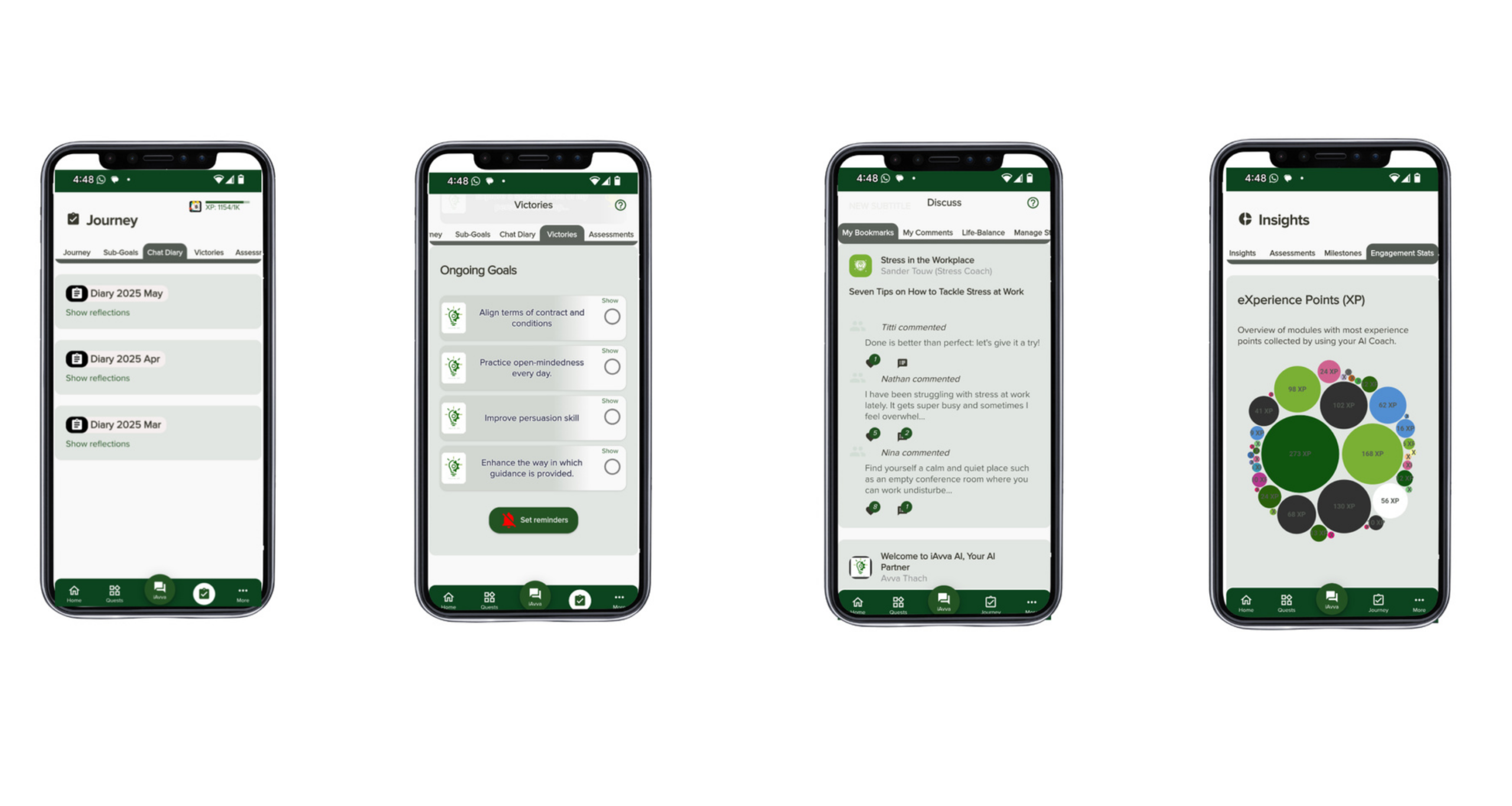
As the role of a process integration engineer continues to evolve, it becomes increasingly important to focus on employee development and upskilling. A recent article discusses innovative methods for enhancing workforce capabilities through the use of technology, particularly an interactive AI coach. This approach not only streamlines processes but also fosters a culture of continuous learning. For more insights on this topic, you can read the article here: upskill employees with an interactive AI coach.
Implementing Cost-effective Solutions for Process Integration
Cost-effectiveness is a key consideration when implementing solutions for process integration.
Organizations must balance the need for improvement with budget constraints, making it essential to identify solutions that deliver maximum value without incurring excessive costs.
One approach is to prioritize low-hanging fruit—areas where small changes can yield significant benefits without requiring substantial investment.
Additionally, leveraging existing resources and technologies can help organizations implement cost-effective solutions. For instance, integrating software tools that facilitate communication and data sharing can enhance collaboration without necessitating major infrastructure changes. By focusing on incremental improvements rather than large-scale overhauls, organizations can achieve meaningful progress while minimizing disruption to ongoing operations.
Collaborating with Cross-functional Teams for Process Integration
Collaboration is at the heart of successful process integration. Process Integration Engineers must work closely with cross-functional teams to ensure that all aspects of the organization are aligned with integration goals. This collaboration fosters a holistic approach to process improvement, where insights from different departments contribute to a comprehensive understanding of how processes interconnect.
Effective collaboration also involves establishing clear communication channels among team members. Regular meetings, workshops, and brainstorming sessions can facilitate knowledge sharing and encourage innovative thinking. By bringing together diverse perspectives, organizations can develop more robust solutions that address the complexities of process integration while fostering a sense of ownership among team members.
Optimizing Energy Usage in Process Integration
Energy optimization is an increasingly important aspect of process integration engineering as organizations strive to reduce their environmental impact and operational costs. By analyzing energy consumption patterns within integrated processes, engineers can identify opportunities for improvement that not only enhance efficiency but also contribute to sustainability goals.
Implementing energy-efficient technologies and practices can lead to significant cost savings over time. For example, upgrading equipment to more energy-efficient models or optimizing production schedules to minimize energy usage during peak demand periods can yield substantial benefits. Additionally, organizations can explore renewable energy sources as part of their process integration strategy, further reducing their reliance on fossil fuels and enhancing their overall sustainability profile.
Ensuring Compliance with Safety and Environmental Regulations
Compliance with safety and environmental regulations is a critical consideration in process integration engineering. Organizations must navigate a complex landscape of regulations that govern everything from workplace safety to emissions standards. Failure to comply with these regulations can result in significant financial penalties and reputational damage.
Process Integration Engineers play a vital role in ensuring that integrated processes adhere to regulatory requirements. This involves conducting risk assessments, implementing safety protocols, and continuously monitoring compliance metrics. By embedding compliance considerations into the design and execution of integrated processes, organizations can mitigate risks while fostering a culture of safety and responsibility.
Monitoring and Evaluating the Performance of Process Integration Systems
Monitoring and evaluating the performance of process integration systems is essential for ensuring ongoing success. Organizations must establish key performance indicators (KPIs) that align with their integration goals and regularly assess progress against these metrics. This data-driven approach enables engineers to identify areas where further improvements are needed and make informed decisions about future initiatives.
Continuous monitoring also allows organizations to respond quickly to any issues that arise within integrated processes. By leveraging real-time data analytics tools, engineers can detect anomalies or inefficiencies as they occur, enabling prompt corrective actions that minimize disruptions and maintain operational continuity.
Future Trends and Innovations in Process Integration Engineering
The field of Process Integration Engineering is constantly evolving as new technologies and methodologies emerge. One notable trend is the increasing adoption of artificial intelligence (AI) and machine learning (ML) in process optimization efforts. These advanced technologies enable organizations to analyze vast amounts of data more efficiently than ever before, uncovering insights that drive continuous improvement.
Another innovation on the horizon is the rise of digital twins—virtual representations of physical processes that allow organizations to simulate changes before implementing them in real life. This technology holds great promise for enhancing process integration by enabling engineers to test various scenarios in a risk-free environment.
As industries continue to embrace digital transformation, the future of Process Integration Engineering will undoubtedly be shaped by advancements in technology and an increasing focus on sustainability and compliance. Organizations that prioritize effective process integration will be well-positioned to thrive in this dynamic landscape while delivering value to their stakeholders and contributing positively to society at large.
FAQs
What is a process integration engineer?
A process integration engineer is responsible for designing, implementing, and optimizing manufacturing processes within a production facility. They work to improve efficiency, reduce costs, and ensure quality control in the production process.
What are the typical responsibilities of a process integration engineer?
Typical responsibilities of a process integration engineer include analyzing existing manufacturing processes, identifying areas for improvement, designing and implementing new processes, collaborating with cross-functional teams, and ensuring compliance with industry regulations and standards.
What skills are required to become a process integration engineer?
To become a process integration engineer, one needs a strong background in engineering, particularly in the field of process engineering. Additionally, skills in problem-solving, project management, data analysis, and communication are essential for success in this role.
What industries typically employ process integration engineers?
Process integration engineers are commonly employed in industries such as semiconductor manufacturing, pharmaceuticals, chemical processing, food and beverage production, and automotive manufacturing. They may also work in industries that involve complex production processes.
What is the educational background required to become a process integration engineer?
A bachelor’s degree in engineering, particularly in chemical engineering, mechanical engineering, or industrial engineering, is typically required to become a process integration engineer. Some employers may prefer candidates with a master’s degree or relevant work experience.
















Leave a Reply