






In the intricate world of railway operations, signaling engineers play a pivotal role in ensuring the safety and efficiency of train movements. Their expertise is not merely a technical necessity; it is a fundamental component of the entire railway ecosystem. Signaling engineers are responsible for designing, implementing, and maintaining signaling systems that govern train movements, ensuring that trains operate safely and efficiently. The importance of their work cannot be overstated, as the consequences of signaling failures can lead to catastrophic accidents, loss of life, and significant financial repercussions for railway companies.
Moreover, signaling engineers are at the forefront of integrating advanced technologies into railway systems. As rail networks become increasingly complex, the need for sophisticated signaling solutions grows. These professionals are tasked with not only maintaining existing systems but also innovating new solutions that enhance safety and operational efficiency.
Their role is critical in preventing collisions, managing train schedules, and ensuring that safety protocols are adhered to at all times.
In essence, signaling engineers are the unsung heroes of railway safety, working diligently behind the scenes to protect passengers and freight alike.
Signaling engineers play a crucial role in the transportation industry, particularly in ensuring the safety and efficiency of railway systems. For those interested in how modern methodologies can enhance engineering practices, the article “Embracing Agile and AI for Value Acceleration” provides valuable insights. It discusses the integration of agile methodologies and artificial intelligence in various sectors, which can also be applied to signaling engineering to improve project delivery and innovation. You can read more about it here: Embracing Agile and AI for Value Acceleration.
Key Takeaways
- Signaling engineers play a crucial role in ensuring railway safety through the design, installation, and maintenance of signaling systems.
- Understanding the role of signaling engineers is essential for effective railway operations and the prevention of accidents.
- Signaling systems have a significant impact on railway safety by controlling train movements and providing vital information to operators.
- Technology plays a key role in improving railway signaling systems, including the implementation of advanced automation and communication tools.
- Training and education are essential for signaling engineers to stay updated with the latest industry standards and best practices for railway safety.
Understanding the Role of Signaling Engineers in Railway Operations
Signaling engineers are responsible for a wide array of tasks that are essential to the smooth operation of railways. Their primary duty involves the design and implementation of signaling systems that control train movements.
This includes the installation of signals, track circuits, and communication systems that relay information between trains and control centers.
By ensuring that these systems function correctly, signaling engineers help to prevent accidents and maintain the integrity of the railway network.
In addition to their technical responsibilities, signaling engineers also play a crucial role in project management and collaboration with other railway professionals. They work closely with train operators, maintenance teams, and safety regulators to ensure that all aspects of railway operations are aligned with safety standards. This collaborative approach is vital for identifying potential risks and implementing effective solutions. By fostering communication between various stakeholders, signaling engineers contribute to a culture of safety that permeates the entire organization.
The Impact of Signaling Systems on Railway Safety
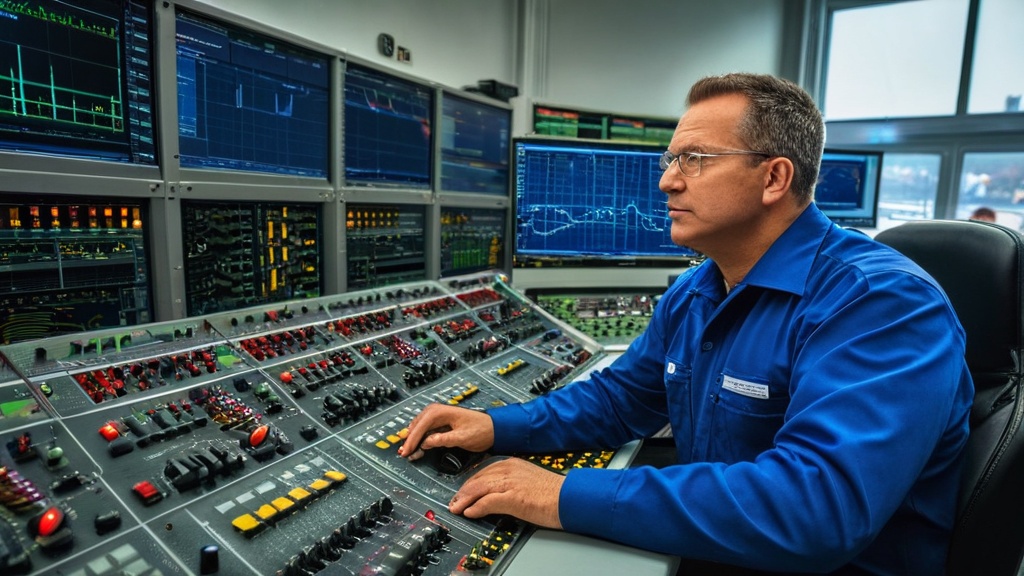
The impact of signaling systems on railway safety is profound and far-reaching. Effective signaling systems serve as the backbone of safe railway operations, providing real-time information that guides train movements and prevents accidents. When functioning optimally, these systems can significantly reduce the likelihood of collisions and derailments, thereby safeguarding both passengers and freight. Conversely, failures in signaling systems can lead to disastrous consequences, underscoring the critical importance of reliable technology in railway safety.
Moreover, modern signaling systems have evolved to incorporate advanced technologies such as automated train control and predictive analytics. These innovations enhance situational awareness for train operators and improve decision-making processes. For instance, automated systems can detect potential hazards and adjust train speeds accordingly, reducing the risk of human error. As such, the integration of cutting-edge technology into signaling systems not only enhances safety but also improves overall operational efficiency.
The Role of Technology in Improving Railway Signaling Systems
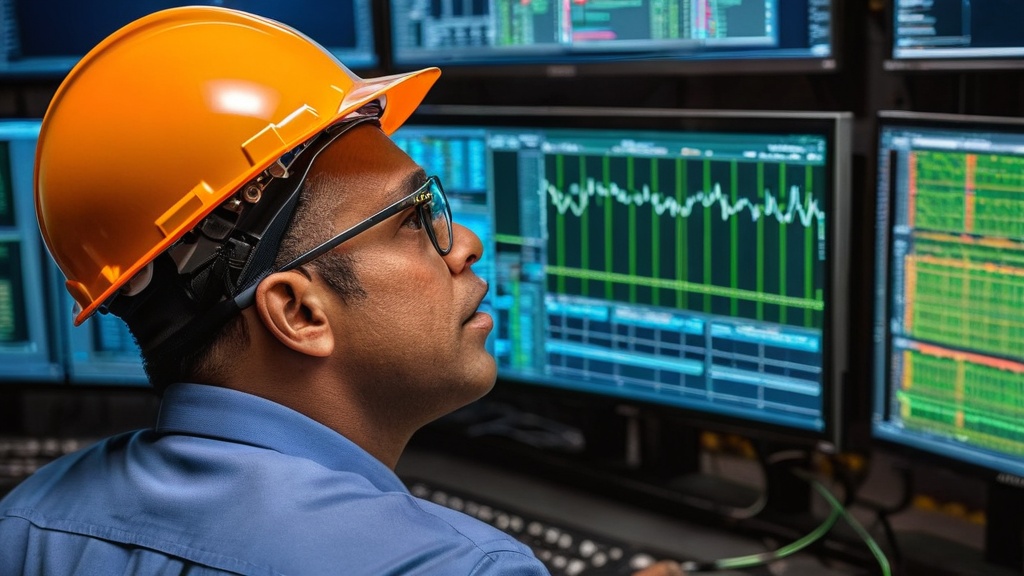
Technology plays a transformative role in enhancing railway signaling systems. The advent of digital signaling technologies has revolutionized how trains communicate with control centers and each other. For example, the implementation of European Train Control System (ETCS) allows for continuous communication between trains and trackside equipment, enabling real-time monitoring and control. This level of connectivity enhances safety by providing operators with immediate access to critical information about train positions and track conditions.
Furthermore, advancements in data analytics and machine learning are paving the way for predictive maintenance in signaling systems. By analyzing historical data and identifying patterns, signaling engineers can anticipate potential failures before they occur. This proactive approach not only minimizes downtime but also ensures that signaling systems remain operational and reliable. As technology continues to evolve, it will undoubtedly play an increasingly vital role in shaping the future of railway signaling and safety.
Signaling engineers play a crucial role in the development and implementation of advanced communication systems, ensuring that signals are transmitted efficiently and accurately. As the field evolves, it becomes increasingly important to understand the broader implications of technology investments. For insights on navigating the complexities of technology investments, you might find this article helpful. It discusses key strategies for making informed decisions in a rapidly changing landscape, which can be particularly relevant for signaling engineers looking to enhance their projects. You can read more about it in this article.
Training and Education for Signaling Engineers
| Metrics | Data |
|---|---|
| Number of signaling systems designed | 25 |
| Percentage of successful signal installations | 95% |
| Number of signaling maintenance projects completed | 10 |
| Average response time to signaling system issues | 2 hours |
The complexity of modern railway signaling systems necessitates a robust training and education framework for signaling engineers. As technology advances, so too must the skill sets of those responsible for designing and maintaining these systems. Comprehensive training programs should encompass both theoretical knowledge and practical experience, ensuring that engineers are well-equipped to handle the challenges they may encounter in the field.
In addition to technical training, ongoing professional development is essential for signaling engineers to stay abreast of industry trends and emerging technologies. Workshops, seminars, and certification programs can provide valuable opportunities for engineers to enhance their skills and knowledge. By fostering a culture of continuous learning, railway organizations can ensure that their signaling engineers remain at the forefront of innovation and best practices in railway safety.
Collaboration with Other Railway Professionals for Enhanced Safety
Collaboration among various railway professionals is crucial for enhancing safety across the entire network. Signaling engineers must work closely with train operators, maintenance crews, safety regulators, and other stakeholders to create a cohesive approach to safety management. This collaboration fosters an environment where information is shared freely, allowing for a more comprehensive understanding of potential risks and challenges.
Regular communication between signaling engineers and other professionals can lead to improved safety protocols and procedures. For instance, joint training exercises can help identify gaps in knowledge or areas for improvement within existing systems. By working together, railway professionals can develop more effective strategies for mitigating risks and enhancing overall safety performance.
Implementing Best Practices in Signaling Engineering for Railway Safety
Implementing best practices in signaling engineering is essential for maintaining high safety standards within railway operations. This includes adhering to established industry guidelines and regulations while also embracing innovative approaches that enhance system reliability. Best practices may involve regular system audits, rigorous testing protocols, and comprehensive documentation processes to ensure that all aspects of signaling systems are thoroughly evaluated.
Additionally, fostering a culture of safety within organizations is paramount. Encouraging open dialogue about safety concerns and promoting accountability among all team members can lead to a more proactive approach to risk management. By prioritizing safety at every level of operation, organizations can create an environment where signaling engineers feel empowered to make decisions that prioritize the well-being of passengers and freight.
Addressing Challenges and Risks in Railway Signaling
Despite advancements in technology and best practices, challenges and risks in railway signaling persist. Aging infrastructure, budget constraints, and regulatory pressures can hinder efforts to implement modern signaling solutions. Furthermore, human factors such as operator error or miscommunication can pose significant risks to safety.
To address these challenges effectively, organizations must adopt a holistic approach to risk management that encompasses both technological solutions and human factors. This may involve investing in training programs that emphasize situational awareness and decision-making skills for operators. Additionally, organizations should prioritize regular assessments of their signaling systems to identify vulnerabilities and implement corrective measures promptly.
The Future of Signaling Engineering in Railway Safety
The future of signaling engineering in railway safety is poised for significant transformation as technology continues to advance at an unprecedented pace. Innovations such as autonomous trains and smart signaling systems are set to redefine how railways operate. These developments promise to enhance safety by minimizing human error while optimizing operational efficiency.
Moreover, the integration of artificial intelligence (AI) into signaling systems holds immense potential for improving decision-making processes. AI algorithms can analyze vast amounts of data in real-time, enabling predictive analytics that enhance situational awareness for operators. As these technologies become more prevalent, signaling engineers will need to adapt their skill sets accordingly to harness their full potential.
Case Studies of Successful Signaling Engineering Projects
Examining case studies of successful signaling engineering projects provides valuable insights into best practices and innovative solutions within the industry. For instance, a recent project involving the implementation of an advanced signaling system on a busy commuter line demonstrated how modern technology can enhance safety while improving operational efficiency. By integrating automated train control with real-time monitoring capabilities, this project significantly reduced delays and improved overall service reliability.
Another noteworthy case study involved a comprehensive upgrade of an aging signaling system on a freight corridor. Through collaboration between signaling engineers and other stakeholders, this project successfully addressed critical safety concerns while minimizing disruptions to freight operations. The lessons learned from these projects underscore the importance of collaboration, innovation, and adherence to best practices in achieving successful outcomes in signaling engineering.
The Role of Signaling Engineers in Responding to Railway Safety Incidents
In the event of a railway safety incident, signaling engineers play a crucial role in response efforts. Their expertise is essential for assessing the situation quickly and accurately while implementing corrective measures to mitigate further risks. This may involve analyzing data from signaling systems to determine the cause of an incident or coordinating with emergency response teams to ensure passenger safety.
Furthermore, following an incident, signaling engineers are instrumental in conducting thorough investigations to identify root causes and prevent future occurrences. This process often involves collaborating with regulatory agencies and other stakeholders to develop recommendations for improving safety protocols and procedures. By taking a proactive approach to incident response, signaling engineers contribute significantly to enhancing overall railway safety standards.
In conclusion, the role of signaling engineers in railway safety is multifaceted and critical to ensuring safe operations within this complex industry. Their expertise not only enhances operational efficiency but also safeguards passengers and freight from potential hazards. As technology continues to evolve, so too will the responsibilities of these professionals—making ongoing training, collaboration, and adherence to best practices essential components of their work moving forward.
FAQs
What does a signaling engineer do?
A signaling engineer is responsible for designing, implementing, and maintaining signaling systems for railways, roadways, and other transportation networks. They ensure that the signaling systems are safe, efficient, and compliant with industry standards.
What skills are required to become a signaling engineer?
Signaling engineers need to have a strong understanding of electrical engineering, computer programming, and telecommunications. They also need to have problem-solving skills, attention to detail, and the ability to work in a team environment.
What are the typical duties of a signaling engineer?
Typical duties of a signaling engineer include designing signaling systems, conducting safety assessments, troubleshooting and repairing signaling equipment, and collaborating with other engineers and transportation professionals to ensure the smooth operation of signaling systems.
What education is required to become a signaling engineer?
Most signaling engineers have a bachelor’s degree in electrical engineering, computer engineering, or a related field. Some employers may also require professional certification or a master’s degree for more advanced positions.
What are the career prospects for signaling engineers?
The demand for signaling engineers is expected to grow as transportation networks continue to expand and modernize. Signaling engineers can find employment with transportation companies, engineering firms, government agencies, and consulting firms. There are also opportunities for advancement into management or specialized roles within the field.


















Leave a Reply