





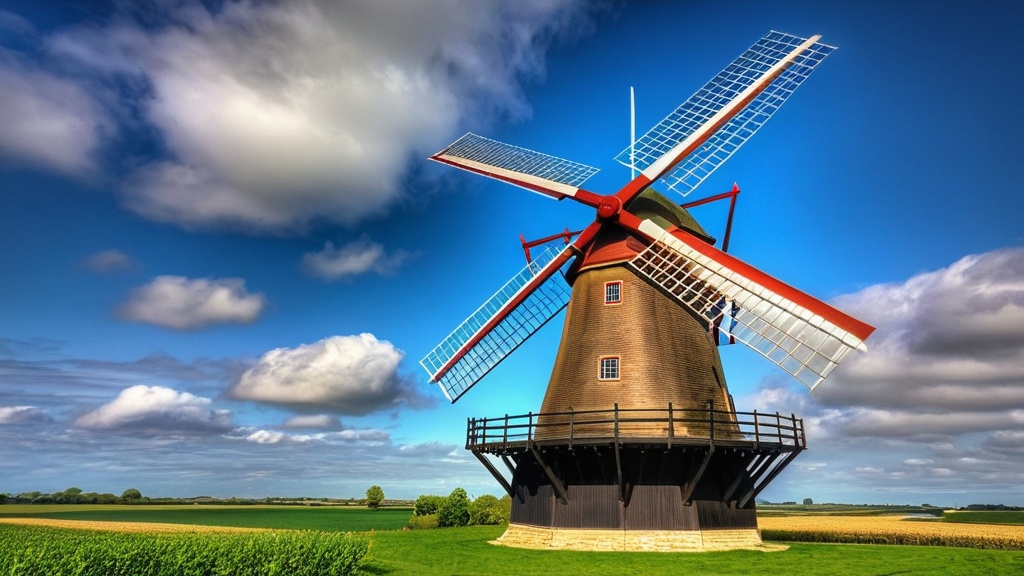
The history of windmills is a fascinating journey that dates back to ancient civilizations. The earliest known windmills were developed in Persia around 500-900 AD, where they were used primarily for grinding grain and pumping water. These early structures featured vertical sails that captured the wind’s energy, converting it into mechanical power.
As trade routes expanded, the concept of windmills spread to other regions, including Europe, where they became integral to agricultural practices. By the Middle Ages, windmills were a common sight across the Dutch landscape, with their iconic designs becoming synonymous with the country’s cultural heritage. As technology evolved, so did the design and functionality of windmills.
The post-medieval period saw the introduction of the smock mill and the tower mill, which featured more efficient mechanisms for harnessing wind energy. These innovations allowed for greater productivity in milling grain and other agricultural tasks. By the 19th century, windmills had become a staple in rural America, serving not only as grain mills but also as water pumps for livestock and irrigation.
The Industrial Revolution marked a significant turning point, as steam power began to overshadow wind energy. However, the legacy of windmills persisted, laying the groundwork for modern wind energy technologies.
Key Takeaways
- Windmills have evolved from traditional grain-grinding tools to advanced energy generators.
- Wind energy is a clean, renewable resource harnessed by converting wind flow into electricity.
- Modern windmills use sophisticated technology like aerodynamic blades and smart sensors for efficiency.
- Wind energy offers significant environmental benefits, including reduced greenhouse gas emissions.
- Despite challenges like intermittency and location dependency, innovations continue to improve wind energy viability globally.
The Basics of Wind Energy
Wind energy is derived from the kinetic energy produced by moving air. This energy can be harnessed using wind turbines, which convert the wind’s motion into electricity. The fundamental principle behind this conversion is relatively simple: as wind flows over the blades of a turbine, it causes them to rotate.
This rotational motion drives a generator that produces electrical power. The efficiency of this process depends on various factors, including wind speed, turbine design, and location. Wind energy is considered a renewable resource because it is abundant and inexhaustible.
Unlike fossil fuels, which are finite and contribute to environmental degradation, wind energy is clean and sustainable. The potential for harnessing wind energy is vast; according to estimates, the global capacity for wind power could meet a significant portion of the world’s energy needs. As technology advances and the demand for clean energy increases, understanding the basics of wind energy becomes crucial for both individuals and industries looking to transition to more sustainable practices.
The Benefits of Harnessing Wind Energy
Harnessing wind energy offers numerous benefits that extend beyond just environmental considerations. One of the most significant advantages is its contribution to reducing greenhouse gas emissions. By replacing fossil fuel-based power generation with wind energy, we can significantly decrease our carbon footprint and combat climate change.
This transition not only helps protect the planet but also promotes public health by reducing air pollution associated with traditional energy sources. In addition to environmental benefits, wind energy also has economic advantages. The wind energy sector has become a major source of job creation, providing employment opportunities in manufacturing, installation, maintenance, and operation of wind turbines.
Furthermore, investing in wind energy can lead to energy independence by reducing reliance on imported fuels. This shift not only enhances national security but also stabilizes energy prices in the long run. As countries strive to meet their energy needs sustainably, the benefits of harnessing wind energy become increasingly apparent.
The Technology Behind Modern Windmills
Modern windmills, or wind turbines as they are commonly referred to today, have undergone significant technological advancements since their historical predecessors. Contemporary turbines are designed with aerodynamics in mind, featuring sleek blades that maximize efficiency by capturing more wind energy. These blades are typically made from lightweight materials such as fiberglass or carbon fiber, allowing them to withstand high winds while maintaining optimal performance.
The technology behind modern wind turbines also includes sophisticated control systems that monitor wind conditions and adjust blade angles accordingly to optimize energy production. Additionally, advancements in materials science have led to the development of larger turbines capable of generating more electricity than ever before. Offshore wind farms have emerged as a game-changer in this field, utilizing larger turbines placed in open waters where winds are stronger and more consistent.
This innovation not only increases energy output but also minimizes land use conflicts associated with onshore installations.
The Environmental Impact of Wind Energy
| Metric | Value | Unit | Description |
|---|---|---|---|
| Average Power Output | 2.5 | MW | Typical power generated by a modern onshore wind turbine |
| Capacity Factor | 35 | % | Average percentage of maximum possible output over time |
| Rotor Diameter | 120 | meters | Diameter of the wind turbine blades |
| Cut-in Wind Speed | 3.5 | m/s | Minimum wind speed at which turbine starts generating power |
| Rated Wind Speed | 12 | m/s | Wind speed at which turbine generates rated power |
| Cut-out Wind Speed | 25 | m/s | Wind speed at which turbine shuts down to prevent damage |
| Hub Height | 100 | meters | Height of the turbine’s central hub above ground |
| Annual Energy Production | 7,665 | MWh | Estimated yearly energy output per turbine |
The environmental impact of wind energy is overwhelmingly positive when compared to traditional fossil fuel sources. Wind power generation produces no direct emissions during operation, making it one of the cleanest forms of energy available today. By displacing coal and natural gas in the energy mix, wind energy contributes significantly to reducing air pollution and mitigating climate change effects.
However, it is essential to acknowledge that while wind energy is environmentally friendly, it is not without its challenges. The construction and operation of wind farms can impact local ecosystems and wildlife, particularly birds and bats that may collide with turbine blades. To address these concerns, ongoing research focuses on developing technologies that minimize these risks while maximizing energy production.
Overall, the environmental benefits of wind energy far outweigh its drawbacks, making it a crucial component of a sustainable future.
The Economics of Wind Energy
The economics of wind energy have evolved dramatically over the past few decades. Initially viewed as a costly alternative to fossil fuels, advancements in technology and increased competition have driven down costs significantly. Today, onshore wind power is often one of the most affordable sources of electricity available in many regions worldwide.
This cost-effectiveness has made it an attractive option for both utility-scale projects and smaller community-based initiatives. Moreover, government incentives and policies promoting renewable energy have further bolstered the economic viability of wind projects. Tax credits, grants, and feed-in tariffs have encouraged investment in wind infrastructure, leading to rapid growth in capacity and job creation within the sector.
As countries strive to meet their climate goals and transition away from fossil fuels, the economics of wind energy will continue to play a pivotal role in shaping the future of global energy markets.
The Role of Wind Energy in Sustainable Development
Wind energy plays a vital role in achieving sustainable development goals (SDGs) set forth by the United Nations. By providing clean and affordable energy access to communities worldwide, wind power contributes directly to SDG 7: Affordable and Clean Energy. This access is particularly crucial for developing nations where traditional energy sources may be limited or unreliable.
Furthermore, investing in wind energy aligns with other SDGs related to climate action (SDG 13) and economic growth (SDG 8). By transitioning to renewable sources like wind power, countries can reduce their greenhouse gas emissions while fostering economic development through job creation in green technologies. As nations work towards a more sustainable future, integrating wind energy into their energy strategies will be essential for achieving long-term environmental and economic goals.
Challenges and Limitations of Wind Energy
Despite its many advantages, wind energy faces several challenges and limitations that must be addressed for its continued growth and integration into global energy systems. One significant challenge is the intermittent nature of wind; unlike fossil fuels that provide a constant supply of energy, wind availability can fluctuate based on weather conditions. This variability necessitates the development of reliable storage solutions or complementary power sources to ensure a stable electricity supply.
Another limitation lies in public perception and acceptance of wind farms. While many communities recognize the benefits of renewable energy, concerns about noise pollution, visual impacts on landscapes, and potential effects on local wildlife can lead to opposition against new projects. Engaging with communities through education and transparent communication about the benefits and mitigations associated with wind energy can help alleviate these concerns and foster greater acceptance.
Innovations in Wind Energy Technology
The field of wind energy technology is continuously evolving as researchers and engineers seek innovative solutions to enhance efficiency and reduce costs further.
These advancements allow for greater electricity generation even in areas with less consistent winds.
Additionally, floating offshore wind farms represent a groundbreaking innovation that expands the potential for harnessing wind energy in deeper waters where traditional fixed-bottom turbines are not feasible. These floating platforms can be deployed in locations with stronger winds and less environmental impact on coastal ecosystems. As technology continues to advance, innovations such as artificial intelligence for predictive maintenance and smart grid integration will further optimize the performance and reliability of wind energy systems.
Wind Energy Around the World
Wind energy has gained traction globally as countries recognize its potential to meet growing energy demands sustainably. Leading nations such as China, the United States, and Germany have invested heavily in expanding their wind power capacity over recent years.
In Europe, countries like Denmark have embraced wind power as a cornerstone of their energy strategy, generating a substantial portion of their electricity from this renewable source. Meanwhile, emerging markets in Africa and Asia are beginning to explore wind energy as part of their efforts to diversify their energy portfolios and promote sustainable development. As international collaboration continues to grow around renewable technologies, the global landscape for wind energy will likely expand even further.
Tips for Harnessing Wind Energy at Home
For individuals interested in harnessing wind energy at home, there are several practical steps to consider. First and foremost is assessing your location’s suitability for small-scale wind turbines; areas with consistent winds are ideal candidates for residential installations. Conducting a thorough site assessment can help determine whether investing in a turbine makes sense based on local conditions.
Once you’ve established feasibility, selecting an appropriate turbine size is crucial based on your household’s energy needs and budget constraints. Many manufacturers offer small-scale turbines designed specifically for residential use that can provide supplemental power or even offset utility bills entirely. Additionally, integrating battery storage systems can enhance reliability by storing excess energy generated during windy periods for use when demand is high or winds are low.
In conclusion, harnessing wind energy presents an opportunity not only for individuals but also for communities and nations striving towards sustainability goals while addressing pressing environmental challenges. By understanding its history, technology advancements, benefits, limitations—and actively engaging with this renewable resource—we can collectively work towards a cleaner future powered by nature’s most abundant force: the wind.
Windmill power is an increasingly important topic in the realm of renewable energy, as it offers a sustainable solution to meet the world’s growing energy demands. For those interested in enhancing their leadership skills in the renewable energy sector, the article on maximizing potential through executive coaching can provide valuable insights. You can read more about it in this article: Maximizing Potential: The Power of an Executive Coach.
FAQs
What is windmill power?
Windmill power refers to the generation of electricity using wind turbines, which convert the kinetic energy of wind into electrical energy.
How do windmills generate electricity?
Windmills, or wind turbines, have blades that rotate when wind blows. This rotation turns a generator inside the turbine, producing electricity.
What are the main components of a windmill?
The main components include blades, a rotor, a shaft, a generator, a tower, and a control system.
Is windmill power renewable?
Yes, windmill power is a renewable energy source because it uses wind, which is naturally replenished.
What are the environmental benefits of windmill power?
Windmill power produces no greenhouse gas emissions during operation, reduces reliance on fossil fuels, and has a relatively small land footprint.
Where are windmills typically installed?
Windmills are commonly installed in open areas with consistent wind, such as coastal regions, plains, and hilltops.
Can windmill power be used for residential purposes?
Yes, small-scale wind turbines can be installed for residential use to generate electricity for homes.
What factors affect the efficiency of windmill power?
Wind speed, turbine design, blade length, and location all impact the efficiency of windmill power generation.
Are there any limitations to using windmill power?
Limitations include variability of wind, noise concerns, impact on wildlife, and the need for suitable locations.
How does windmill power compare to other renewable energy sources?
Windmill power is cost-effective and scalable but depends on wind availability, unlike solar power which depends on sunlight. Both are clean energy sources with different site requirements.


















Leave a Reply