




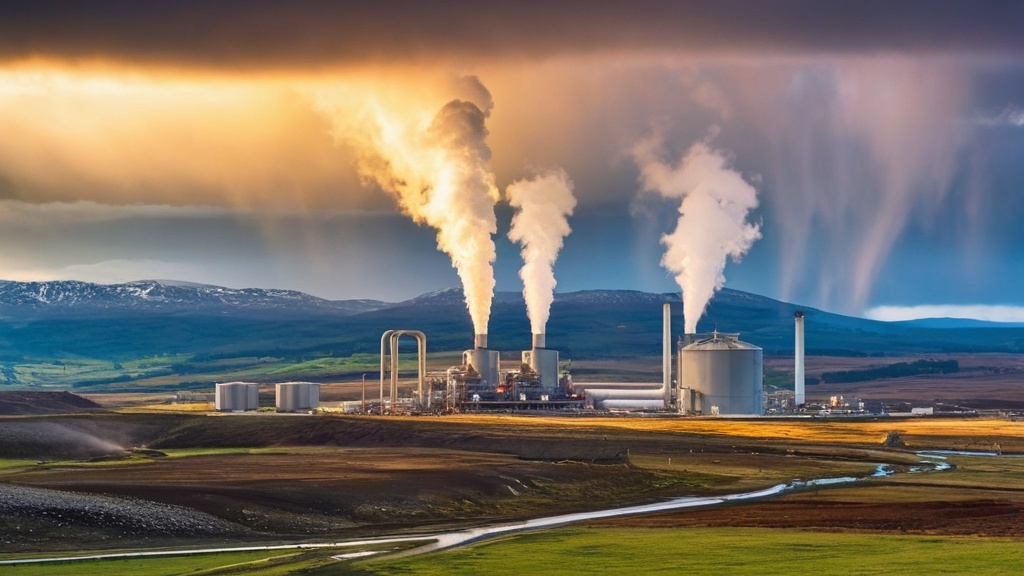
Geothermal energy is a renewable resource that harnesses the Earth’s internal heat, which has been utilized for thousands of years. This energy source originates from naturally occurring heat beneath the Earth’s surface, typically accessed through steam or hot water reservoirs. Geothermal energy offers significant advantages as a sustainable power source, delivering consistent and reliable electricity generation.
Unlike intermittent renewable sources such as solar and wind power, geothermal systems provide continuous output, making them suitable for meeting baseline energy demands. As global energy systems transition toward lower-carbon alternatives, geothermal energy presents a practical option for reducing greenhouse gas emissions while maintaining steady electricity and heating supply. Technological improvements and growing investment have increased the viability of geothermal resources in the worldwide renewable energy sector.
This article examines geothermal power plant operations, their advantages, international deployment, environmental considerations, technical obstacles, technological developments, economic factors, and contributions to climate change mitigation.
Key Takeaways
- Geothermal energy harnesses heat from the Earth’s interior to generate clean, renewable power.
- Geothermal plants operate by tapping underground steam or hot water to drive turbines and produce electricity.
- This energy source offers benefits like low emissions, reliable baseload power, and a small land footprint.
- Challenges include high upfront costs, location dependency, and potential environmental risks such as induced seismicity.
- Innovations and growing global adoption position geothermal energy as a key player in meeting future renewable energy and climate goals.
How Geothermal Plants Work
Geothermal plants operate by tapping into the Earth’s heat to generate electricity or provide direct heating. The process begins with the extraction of steam or hot water from geothermal reservoirs located deep underground. These reservoirs are typically found in areas with volcanic activity or tectonic plate boundaries, where heat from the Earth’s core is more accessible.
Once the steam or hot water is brought to the surface, it is used to drive turbines connected to generators, producing electricity. There are several types of geothermal power plants, including dry steam, flash steam, and binary cycle plants. Dry steam plants utilize steam directly from the geothermal reservoir to turn turbines.
Flash steam plants take high-pressure hot water from the ground and allow it to “flash” into steam when it reaches lower pressure at the surface.
Each type of plant has its unique advantages and is chosen based on the specific characteristics of the geothermal resource available.
Benefits of Geothermal Energy
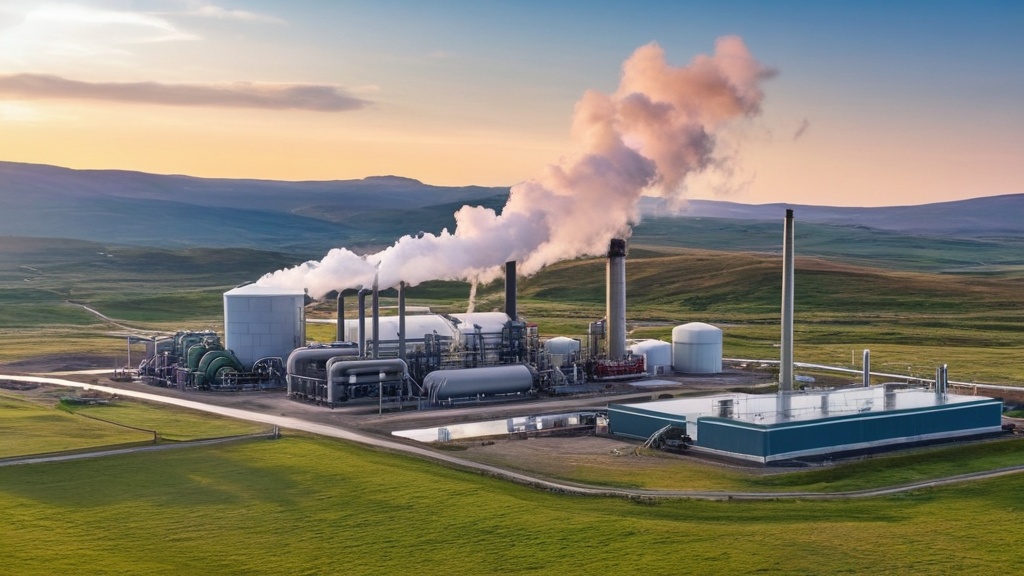
One of the most significant benefits of geothermal energy is its sustainability. As a renewable resource, it can provide a continuous supply of energy without depleting natural resources. Unlike fossil fuels, which are finite and contribute to environmental degradation, geothermal energy harnesses the Earth’s natural heat, making it an environmentally friendly option.
Additionally, geothermal plants have a small land footprint compared to other renewable energy sources like wind and solar farms, allowing for efficient land use. Another advantage of geothermal energy is its reliability. Geothermal power plants can operate 24/7, providing a consistent energy supply regardless of weather conditions or time of day.
This reliability makes geothermal energy an excellent complement to other renewable sources that may be intermittent. Furthermore, geothermal energy can contribute to energy security by diversifying the energy mix and reducing dependence on imported fossil fuels. As countries strive for energy independence and sustainability, geothermal energy emerges as a crucial component of their strategies.
Geothermal Energy Around the World
Geothermal energy is utilized in various countries around the globe, with some leading the way in harnessing this resource effectively. The United States is one of the largest producers of geothermal energy, with significant installations in California and Nevada. The Geysers in California is one of the largest geothermal complexes in the world, showcasing the potential of this renewable resource.
Other countries such as Iceland, Philippines, and Indonesia have also made substantial investments in geothermal technology, capitalizing on their unique geological features. Iceland stands out as a pioneer in geothermal energy utilization, with approximately 90% of its homes heated by geothermal sources. The country has successfully integrated geothermal energy into its national grid, providing both electricity and heating to its population.
In addition to these countries, nations like New Zealand, Italy, and Kenya are also making strides in developing their geothermal resources. As global interest in renewable energy grows, more countries are exploring their geothermal potential to meet their energy needs sustainably.
Environmental Impact of Geothermal Plants
| Metric | Value | Unit | Description |
|---|---|---|---|
| Installed Capacity | 100 | MW | Maximum electrical output capacity of the plant |
| Capacity Factor | 90 | % | Ratio of actual output over a period to potential output if operated at full capacity |
| Annual Energy Production | 788,400 | MWh | Total electrical energy generated per year |
| Thermal Efficiency | 12-20 | % | Conversion efficiency of geothermal heat to electricity |
| Water Usage | 0.5 | liters/kWh | Water consumed per unit of electricity generated |
| CO2 Emissions | 45 | g/kWh | Carbon dioxide emissions per unit of electricity generated |
| Plant Lifetime | 30-50 | years | Expected operational lifespan of the geothermal plant |
While geothermal energy is often touted as a clean alternative to fossil fuels, it is essential to consider its environmental impact comprehensively. Geothermal plants produce minimal greenhouse gas emissions compared to traditional power generation methods. However, they can still release trace amounts of gases such as carbon dioxide and sulfur dioxide during operation.
Additionally, the extraction process can lead to land subsidence and alteration of local ecosystems if not managed properly. Water usage is another environmental concern associated with geothermal plants. The process requires significant amounts of water for cooling and reinjection into the ground.
In regions where water scarcity is an issue, this could pose challenges for sustainable operation. However, advancements in technology are helping mitigate these impacts by improving water management practices and enhancing reinjection methods to maintain reservoir pressure and minimize environmental disruption.
Challenges and Limitations of Geothermal Energy
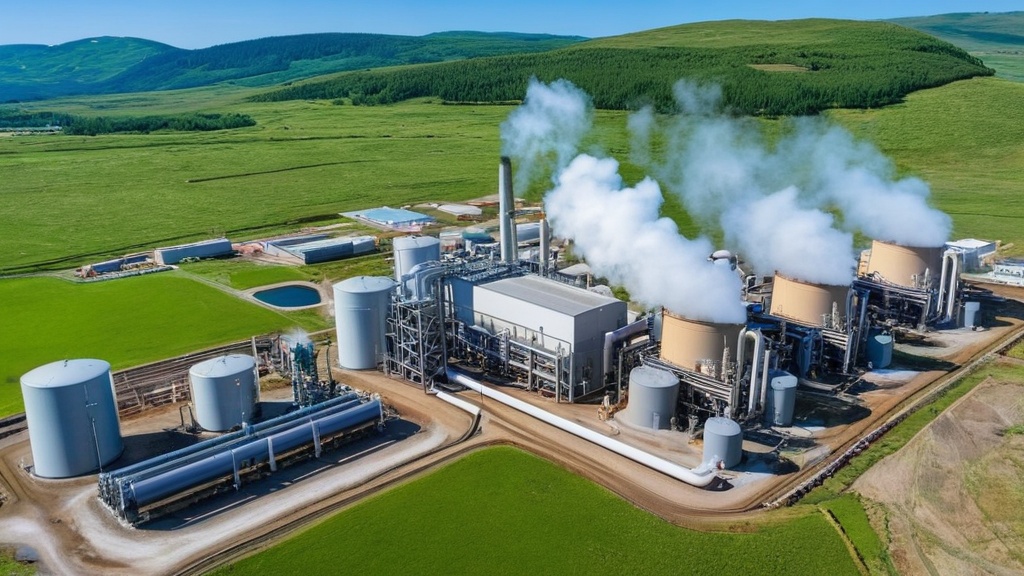
Despite its many advantages, geothermal energy faces several challenges that hinder its widespread adoption. One significant limitation is the geographical restriction of suitable sites for geothermal plants. Not all regions have access to high-temperature geothermal resources; thus, potential sites must be carefully evaluated for feasibility before development can occur.
Additionally, the initial capital investment required for geothermal projects can be substantial. Drilling deep wells and constructing power plants necessitate significant financial resources upfront, which can deter investors and developers.
Furthermore, there are technical challenges related to reservoir management and maintaining optimal performance over time. Addressing these challenges requires ongoing research and development efforts to improve technology and reduce costs associated with geothermal energy production.
Innovations in Geothermal Technology
The future of geothermal energy looks promising due to ongoing innovations in technology that enhance efficiency and expand its applicability. Enhanced Geothermal Systems (EGS) represent one such innovation that allows for the extraction of heat from areas that were previously considered unsuitable for traditional geothermal development. By artificially creating reservoirs through hydraulic stimulation, EGS can tap into vast amounts of geothermal potential that were once inaccessible.
Another area of innovation involves improved drilling techniques that reduce costs and increase efficiency. Advanced drilling technologies such as directional drilling and laser drilling are being explored to reach deeper reservoirs more effectively. Additionally, research into hybrid systems that combine geothermal with other renewable sources like solar or wind is gaining traction.
These innovations not only enhance the viability of geothermal projects but also contribute to a more integrated approach to renewable energy generation.
Geothermal Energy and Renewable Energy Goals
As countries set ambitious renewable energy targets to combat climate change and reduce reliance on fossil fuels, geothermal energy plays a crucial role in achieving these goals. Many nations are recognizing the importance of diversifying their energy portfolios by incorporating various renewable sources, including geothermal power. By doing so, they can enhance grid stability while reducing carbon emissions.
Geothermal energy’s ability to provide baseload power complements intermittent sources like solar and wind effectively. This synergy allows for a more resilient energy system that can adapt to fluctuations in demand while maintaining a low carbon footprint. As governments implement policies that promote renewable energy development, geothermal projects are increasingly being prioritized as part of national strategies aimed at achieving sustainability targets.
Economic Considerations of Geothermal Energy
The economic viability of geothermal energy is influenced by several factors that must be carefully considered when evaluating potential projects. While initial capital costs can be high due to exploration and drilling expenses, the long-term benefits often outweigh these upfront investments. Once operational, geothermal plants have low operating costs and can provide stable electricity prices over time due to their predictable output.
Moreover, job creation is another economic benefit associated with geothermal projects. The development and maintenance of geothermal plants require skilled labor across various sectors, contributing positively to local economies. Additionally, as more countries invest in renewable technologies like geothermal energy, there is potential for increased innovation and competitiveness within the global market.
Geothermal Energy and Climate Change
Geothermal energy has emerged as a critical tool in addressing climate change by providing a clean alternative to fossil fuels for electricity generation and heating purposes. By harnessing the Earth’s natural heat, we can significantly reduce greenhouse gas emissions associated with traditional power generation methods. As nations strive to meet international climate agreements such as the Paris Accord, integrating geothermal energy into their strategies becomes increasingly important.
Furthermore, as climate change intensifies weather patterns and increases the frequency of extreme events, reliable sources of renewable energy like geothermal become essential for building resilience within communities. By investing in sustainable technologies that mitigate climate impacts while providing stable power supplies, we can work towards a more sustainable future for generations to come.
Future of Geothermal Energy
The future of geothermal energy appears bright as technological advancements continue to unlock new possibilities for harnessing this valuable resource. With increasing awareness about climate change and the need for sustainable solutions, governments and private sectors are likely to invest more heavily in geothermal projects worldwide. As research progresses into enhanced systems and innovative drilling techniques, we may see an expansion of viable sites for development beyond traditional hotspots.
Moreover, public acceptance of renewable technologies is growing as communities recognize their benefits in combating climate change while promoting local economic development. As awareness increases about the potential of geothermal energy—both environmentally and economically—its role within our global energy landscape will undoubtedly expand further in the coming years. In conclusion, geothermal energy represents a promising avenue for sustainable power generation that offers numerous benefits while addressing critical challenges associated with climate change and resource depletion.
By continuing to innovate within this field and investing strategically in its development worldwide, we can harness its full potential for a cleaner future.
Geothermal energy is gaining traction as a sustainable power source, and understanding its implications in the broader context of technological advancements is crucial. For instance, the article on leveraging AI for business provides insights into how artificial intelligence can enhance operational efficiency in various sectors, including renewable energy. You can read more about this in the article

















Leave a Reply