




In an era marked by climate change and environmental degradation, the significance of renewable power sources has never been more pronounced. As traditional fossil fuels continue to deplete and contribute to greenhouse gas emissions, the transition to renewable energy becomes imperative. Renewable power sources, such as solar, wind, hydroelectric, and geothermal energy, offer sustainable alternatives that can help mitigate the adverse effects of climate change.
By harnessing the natural processes of the Earth, these energy sources provide a pathway to a cleaner, more sustainable future.
As urbanization accelerates and economies expand, the reliance on finite resources poses a significant risk to energy security.
Renewable power sources not only promise a more stable energy supply but also enhance energy independence for nations. By investing in renewables, countries can reduce their dependence on imported fuels, thereby bolstering their economic resilience and national security.
Key Takeaways
- Renewable energy is crucial for sustainable development and reducing environmental impact.
- Various types of renewable energy include solar, wind, hydro, geothermal, and biomass.
- Government policies and incentives play a key role in accelerating renewable energy adoption.
- Innovations and technological advancements are driving the future growth of renewable power sources.
- Individuals and businesses can actively support renewable energy through conscious choices and investments.
Understanding the Different Types of Renewable Energy
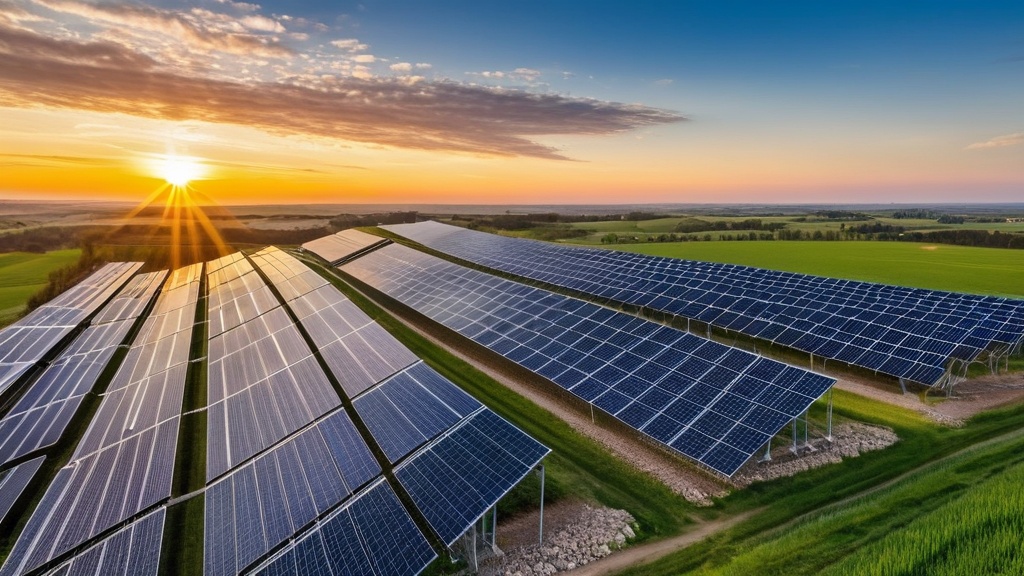
Renewable energy encompasses a diverse array of technologies and resources, each with its unique characteristics and applications. Solar energy, one of the most widely recognized forms, harnesses sunlight through photovoltaic cells or solar thermal systems to generate electricity or heat. This technology has seen remarkable advancements in efficiency and affordability, making it accessible to both residential and commercial users.
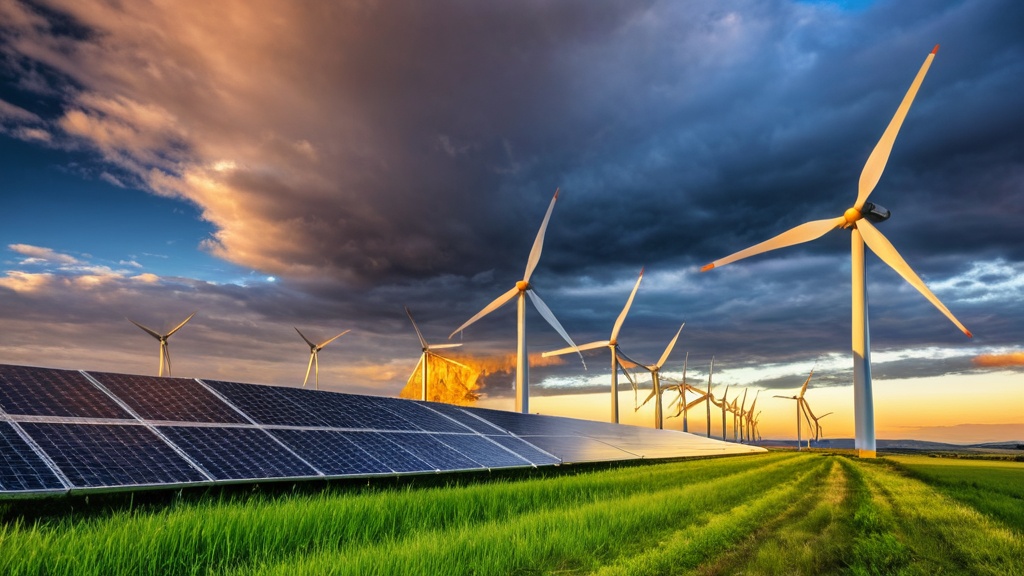
Wind energy is another prominent renewable source that captures the kinetic energy of wind through turbines. Wind farms, both onshore and offshore, have proliferated in recent years, contributing significantly to the energy mix in many countries. Hydroelectric power, generated by the flow of water in rivers or dams, remains one of the oldest forms of renewable energy and continues to play a crucial role in global electricity generation.
Additionally, geothermal energy taps into the Earth’s internal heat, providing a reliable and consistent power source for regions with suitable geological conditions.
The Advantages of Using Renewable Power Sources
The advantages of renewable power sources extend beyond environmental benefits; they also encompass economic and social dimensions. One of the most compelling reasons to adopt renewables is their potential to reduce greenhouse gas emissions significantly. Unlike fossil fuels, which release carbon dioxide and other pollutants when burned, renewable energy sources produce little to no emissions during operation.
This transition is vital for combating climate change and improving air quality, ultimately leading to better public health outcomes. Furthermore, renewable energy technologies often create jobs and stimulate local economies. The installation and maintenance of solar panels, wind turbines, and other renewable systems require skilled labor, fostering employment opportunities in various sectors.
As the demand for clean energy grows, so does the potential for innovation and entrepreneurship within the renewable sector. This economic growth can lead to increased investments in research and development, further driving advancements in technology and efficiency.
The Challenges of Implementing Renewable Energy
Despite the numerous benefits associated with renewable energy, several challenges hinder its widespread adoption. One significant obstacle is the intermittency of certain renewable sources, particularly solar and wind energy. These resources are dependent on weather conditions and time of day, which can lead to fluctuations in energy supply.
To address this issue, advancements in energy storage technologies are essential to ensure a reliable power supply even when generation is low. Additionally, the initial capital costs associated with renewable energy projects can be daunting for many stakeholders. While prices for technologies like solar panels have decreased dramatically over the past decade, the upfront investment required for large-scale installations can still be a barrier for some communities and businesses.
Financial incentives, such as tax credits and grants, are crucial in overcoming these hurdles and encouraging investment in renewable infrastructure.
The Role of Government Policies in Promoting Renewable Energy
| Renewable Power Source | Global Capacity (GW) | Annual Growth Rate (%) | Average Capacity Factor (%) | CO2 Emissions Avoided (Million Tons/Year) |
|---|---|---|---|---|
| Solar Photovoltaic (PV) | 950 | 20 | 20 | 600 |
| Onshore Wind | 800 | 12 | 35 | 700 |
| Offshore Wind | 50 | 25 | 45 | 40 |
| Hydropower | 1300 | 2 | 40 | 900 |
| Biomass | 120 | 5 | 80 | 100 |
| Geothermal | 15 | 3 | 70 | 10 |
Government policies play a pivotal role in shaping the landscape of renewable energy adoption. Through legislation and regulatory frameworks, governments can create an environment conducive to investment in clean technologies. Policies such as feed-in tariffs, renewable portfolio standards, and tax incentives encourage both individuals and businesses to transition to renewable power sources.
Moreover, international agreements like the Paris Agreement highlight the global commitment to reducing carbon emissions and promoting sustainable practices. Governments must collaborate across borders to share best practices and technologies that facilitate the transition to renewables. By establishing clear targets and providing support for research and development, policymakers can drive innovation and accelerate the deployment of renewable energy solutions.
The Impact of Renewable Energy on the Environment
The environmental impact of renewable energy is overwhelmingly positive compared to traditional fossil fuels. By reducing reliance on coal, oil, and natural gas, renewable power sources contribute to lower carbon emissions and decreased air pollution. This shift not only helps combat climate change but also protects ecosystems from the harmful effects of fossil fuel extraction and combustion.
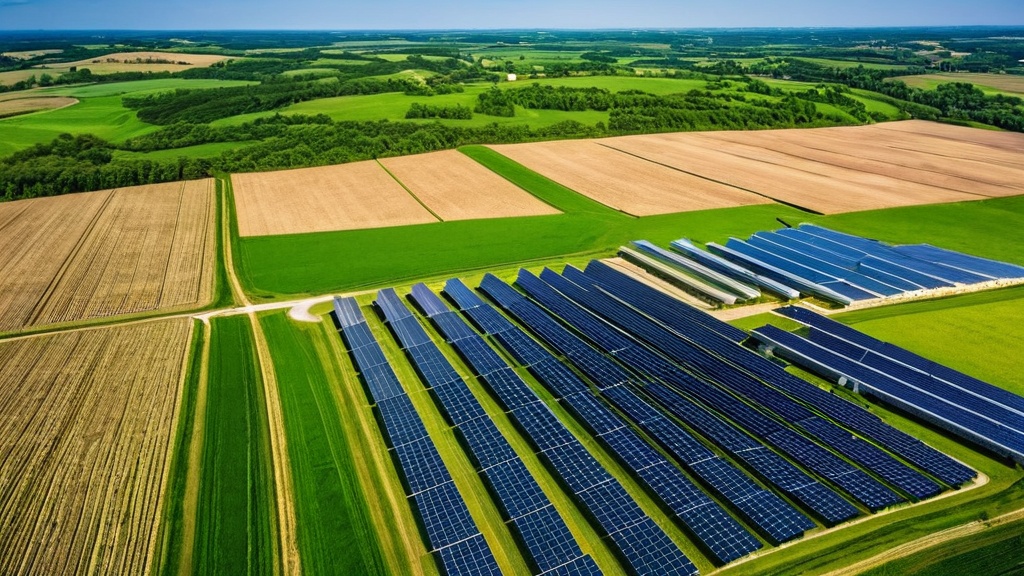
Additionally, renewable energy projects often have a smaller ecological footprint than conventional power plants. For instance, solar farms can be installed on previously disturbed land or rooftops, minimizing habitat disruption. Wind farms can coexist with agricultural land use, allowing farmers to benefit from additional income while maintaining their primary operations.
By prioritizing sustainable practices in the development of renewable infrastructure, we can ensure that environmental preservation remains at the forefront of our energy transition.
The Economic Benefits of Investing in Renewable Energy
Investing in renewable energy presents significant economic advantages that extend beyond job creation.
This shift not only reduces electricity bills for consumers but also stabilizes energy prices over time.
Furthermore, investing in renewables can enhance energy security by diversifying the energy mix. Countries that rely heavily on imported fossil fuels are vulnerable to price volatility and supply disruptions. By developing domestic renewable resources, nations can reduce their exposure to geopolitical risks associated with fossil fuel markets.
This strategic shift not only strengthens national economies but also fosters innovation and technological leadership in the global clean energy sector.
The Future of Renewable Power Sources
The future of renewable power sources is bright as technological advancements continue to reshape the energy landscape. Innovations in energy storage solutions are expected to address intermittency challenges, allowing for greater integration of renewables into existing grids. Additionally, breakthroughs in smart grid technology will enable more efficient management of electricity distribution and consumption.
As public awareness of climate change grows, consumer demand for clean energy will likely increase. This shift in consumer behavior will drive further investments in renewable technologies and infrastructure development. Moreover, as governments around the world commit to ambitious climate targets, the transition to renewables will become an integral part of national strategies for sustainable development.
Innovations in Renewable Energy Technology
Innovation is at the heart of the renewable energy revolution. Researchers and engineers are continually exploring new ways to enhance efficiency and reduce costs across various technologies. For instance, advancements in solar panel design have led to higher conversion rates and longer lifespans, making solar power an even more attractive option for consumers.
Wind turbine technology has also evolved significantly over recent years. Modern turbines are larger and more efficient than their predecessors, capable of generating more electricity from lower wind speeds. Additionally, offshore wind farms are gaining traction as they harness stronger winds found at sea while minimizing land use conflicts.
These innovations not only improve performance but also contribute to lowering the overall cost of renewable energy generation.
The Role of Businesses and Industries in Adopting Renewable Energy
Businesses and industries play a crucial role in driving the adoption of renewable energy solutions. As corporate social responsibility becomes increasingly important to consumers and investors alike, many companies are committing to sustainability goals that include transitioning to clean energy sources. By investing in renewables, businesses can reduce their carbon footprint while enhancing their brand reputation.
Moreover, industries that rely heavily on energy consumption stand to benefit significantly from adopting renewable technologies. For example, manufacturing facilities can lower operational costs by utilizing solar or wind power for their energy needs. Additionally, companies that prioritize sustainability may attract environmentally conscious consumers who prefer products from brands committed to reducing their environmental impact.
Tips for Individuals to Support Renewable Energy
Individuals can play an active role in supporting the transition to renewable energy through various actions in their daily lives. One effective way is by opting for green energy plans offered by utility companies that source electricity from renewable sources like wind or solar power. By choosing these options, consumers can directly contribute to increasing demand for clean energy.
Another impactful step individuals can take is investing in home-based renewable technologies such as solar panels or solar water heaters. While initial costs may be high, many governments offer incentives that can offset expenses over time. Additionally, reducing overall energy consumption through simple measures like using energy-efficient appliances or practicing mindful consumption can further support the shift toward renewables.
In conclusion, embracing renewable power sources is essential for creating a sustainable future that prioritizes environmental health while fostering economic growth. By understanding the various types of renewables available and recognizing their advantages and challenges, we can collectively work towards a cleaner planet powered by sustainable energy solutions. Through government policies, technological innovations, business commitments, and individual actions, we can pave the way for a brighter future powered by renewable energy.
Renewable power sources are becoming increasingly vital in the fight against climate change, and understanding their integration with technology is essential. For instance, the article on leveraging AI for business provides insights into how artificial intelligence can optimize energy consumption and enhance the efficiency of renewable energy systems. You can read more about this in the article here.
FAQs
What are renewable power sources?
Renewable power sources are energy sources that are naturally replenished on a human timescale, such as sunlight, wind, rain, tides, waves, and geothermal heat. Unlike fossil fuels, they do not deplete over time and have a lower environmental impact.
What are the main types of renewable power sources?
The main types of renewable power sources include solar energy, wind energy, hydropower, biomass energy, and geothermal energy. Each type harnesses natural processes to generate electricity or heat.
How does solar power work?
Solar power works by converting sunlight into electricity using photovoltaic (PV) cells or by using solar thermal systems to capture heat. PV cells generate direct current (DC) electricity, which is then converted to alternating current (AC) for use in homes and businesses.
What are the benefits of using renewable power sources?
Benefits include reducing greenhouse gas emissions, decreasing dependence on fossil fuels, promoting energy security, creating jobs in new industries, and providing sustainable energy that can help mitigate climate change.
Are renewable power sources reliable?
Renewable power sources can be intermittent, as they depend on weather and natural conditions. However, advances in energy storage, grid management, and diversified energy portfolios help improve their reliability.
Can renewable power sources meet global energy demands?
With current technology and investment, renewable power sources have the potential to meet a significant portion of global energy demands. Many countries are increasing their renewable energy capacity to transition toward cleaner energy systems.
What is the environmental impact of renewable power sources?
Renewable power sources generally have a lower environmental impact than fossil fuels. However, they can still affect ecosystems, land use, and wildlife, so careful planning and management are necessary to minimize negative effects.
How do renewable power sources contribute to climate change mitigation?
By generating energy without burning fossil fuels, renewable power sources reduce carbon dioxide and other greenhouse gas emissions, which are major contributors to global warming and climate change.
What challenges are associated with renewable power sources?
Challenges include intermittency, energy storage needs, high initial investment costs, land and resource use conflicts, and the need for updated infrastructure and grid integration.
How can individuals support the use of renewable power sources?
Individuals can support renewable energy by installing solar panels, choosing green energy providers, advocating for renewable energy policies, reducing energy consumption, and staying informed about sustainable practices.


















Leave a Reply