





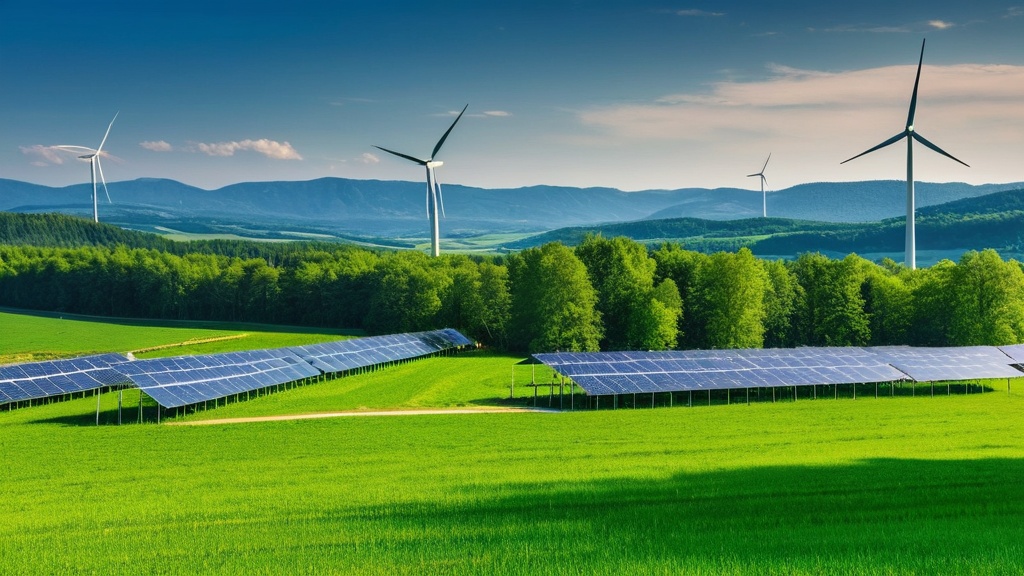
Global energy production has undergone significant changes in recent decades, with increased focus on renewable energy sources as alternatives to fossil fuels. Renewable energy technologies utilize naturally replenishing resources including solar radiation, wind, hydroelectric power, and biomass to generate electricity and heat. This shift represents a structural transformation in energy systems worldwide, driven primarily by climate change mitigation efforts and environmental policy objectives.
The adoption of renewable energy technologies addresses multiple interconnected challenges. Environmental benefits include reduced greenhouse gas emissions and decreased air and water pollution compared to conventional fossil fuel combustion. Economic factors encompass job creation in emerging industries, energy security through domestic resource utilization, and long-term cost stability.
Public health improvements result from reduced exposure to particulate matter and other pollutants associated with traditional energy generation methods. This analysis examines the primary categories of renewable energy technologies, their operational characteristics and performance metrics, implementation benefits, and current barriers to widespread deployment in global energy markets.
Key Takeaways
- Green energy sources include solar, wind, hydropower, biomass, and geothermal power.
- Utilizing green energy reduces environmental pollution and helps combat climate change.
- Green energy improves public health by decreasing air and water pollution.
- Economic benefits of green energy include job creation and energy cost savings.
- Despite challenges like intermittency and high initial costs, green energy is vital for a sustainable future.
Solar Power: Harnessing the Sun’s Energy
Solar power is one of the most widely recognized forms of green energy, capitalizing on the sun’s abundant and inexhaustible energy. Photovoltaic cells convert sunlight directly into electricity, making solar panels a common sight on rooftops and in solar farms around the world. The technology has advanced significantly over the past few decades, leading to increased efficiency and reduced costs.
As a result, solar power has become an attractive option for both residential and commercial applications. The potential of solar energy is immense. According to estimates, the sun provides enough energy to meet global energy demands many times over.
This vast resource can be harnessed in various ways, from small-scale installations on individual homes to large-scale solar farms that feed electricity into the grid. Moreover, solar power systems can be deployed in remote areas where traditional energy infrastructure is lacking, providing electricity to communities that would otherwise remain in darkness. As technology continues to evolve, solar power is poised to play an even more significant role in our energy future.
Wind Power: Utilizing the Power of the Wind
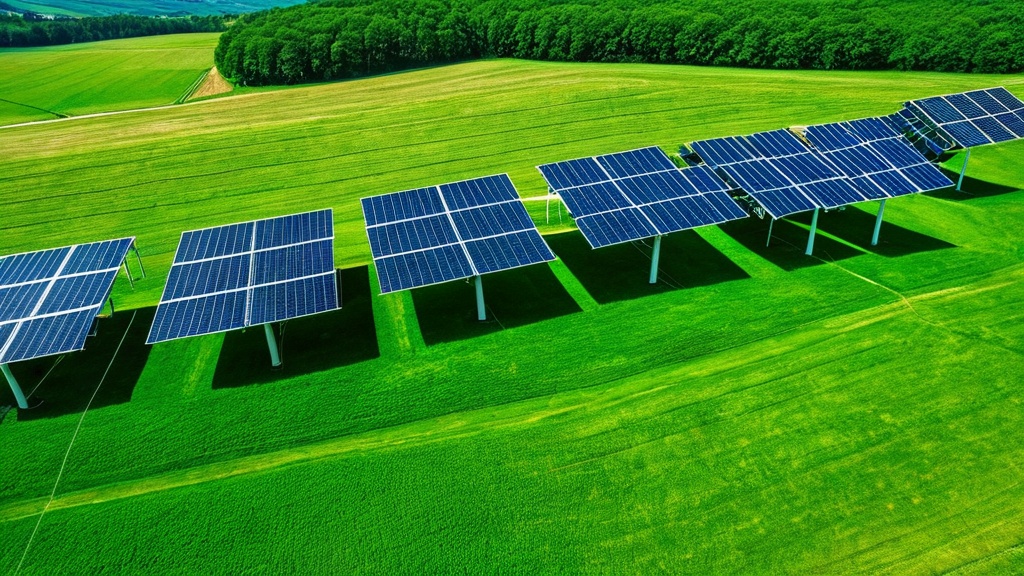
Wind power is another cornerstone of green energy, utilizing the kinetic energy generated by wind to produce electricity. Wind turbines, often seen dotting landscapes and coastlines, convert wind movement into mechanical power, which is then transformed into electrical energy. The growth of wind power has been remarkable, with many countries investing heavily in wind farms as part of their renewable energy strategies.
The advantages of wind power are manifold.
Additionally, wind power can be harnessed on both land and offshore, allowing for flexibility in site selection based on geographic and climatic conditions.
As technology advances, turbines are becoming more efficient and capable of generating electricity even at lower wind speeds. This adaptability positions wind power as a key player in the global transition toward sustainable energy solutions.
Hydropower: Tapping into the Energy of Water
Hydropower has been utilized for centuries as a source of renewable energy, harnessing the flow of water to generate electricity. Dams and run-of-the-river systems capture the energy produced by moving water, converting it into electrical power. Hydropower remains one of the largest sources of renewable electricity worldwide, providing a significant portion of the energy mix in many countries.
The benefits of hydropower are substantial. It offers a reliable and consistent source of energy, as water flow can be managed to meet demand fluctuations. Furthermore, hydropower plants can provide ancillary services such as flood control and irrigation support.
However, it is essential to consider the environmental impact of large-scale hydropower projects, which can disrupt local ecosystems and displace communities. As we move forward, finding a balance between harnessing hydropower’s potential and protecting natural habitats will be crucial.
Biomass Energy: Using Organic Materials for Power
| Green Energy Source | Average Efficiency (%) | Typical Capacity Range (MW) | Carbon Emissions (g CO₂/kWh) | Global Installed Capacity (GW) | Key Advantages |
|---|---|---|---|---|---|
| Solar Photovoltaic (PV) | 15 – 22 | 0.001 – 1000 | 20 – 50 | 950 | Scalable, abundant resource, low operating costs |
| Wind (Onshore) | 35 – 45 | 1.5 – 10 | 10 – 20 | 800 | Cost-effective, mature technology, low emissions |
| Wind (Offshore) | 40 – 50 | 3 – 12 | 10 – 20 | 50 | Higher capacity factors, less visual impact |
| Hydropower | 35 – 45 | 10 – 10,000 | 1 – 30 | 1300 | Reliable, large-scale, energy storage potential |
| Geothermal | 10 – 20 | 10 – 100 | 45 – 60 | 15 | Baseload power, low emissions, small land footprint |
| Biomass | 20 – 25 | 1 – 100 | 20 – 100 | 130 | Utilizes waste, dispatchable power |
Biomass energy is derived from organic materials such as plant matter, agricultural residues, and even waste products. This form of renewable energy can be converted into electricity, heat, or biofuels through various processes such as combustion or fermentation. Biomass offers a unique advantage: it utilizes materials that would otherwise contribute to waste accumulation while providing a sustainable source of energy.
The versatility of biomass makes it an attractive option for many regions. It can be produced locally, reducing transportation costs and supporting local economies. Additionally, biomass can help mitigate greenhouse gas emissions by recycling carbon dioxide released during combustion back into the atmosphere through photosynthesis in growing plants.
However, it is essential to manage biomass production sustainably to avoid deforestation and ensure that food supplies are not compromised.
Geothermal Energy: Harnessing the Earth’s Heat
Geothermal energy taps into the Earth’s internal heat to generate electricity or provide direct heating solutions. This renewable resource is particularly effective in regions with high geothermal activity, such as volcanic areas or tectonic plate boundaries. Geothermal power plants convert steam or hot water from underground reservoirs into electricity, offering a reliable and consistent source of energy.
One of the significant advantages of geothermal energy is its low environmental impact compared to fossil fuels. It produces minimal greenhouse gas emissions and requires relatively small land footprints for power generation. Additionally, geothermal systems can provide baseload power—energy that is consistently available regardless of weather conditions—making it an essential component of a balanced renewable energy portfolio.
However, challenges such as high upfront costs and potential geological risks must be addressed to expand geothermal’s role in the global energy landscape.
Benefits of Green Energy for the Environment
The environmental benefits of green energy are profound and far-reaching. By transitioning away from fossil fuels and embracing renewable sources, we can significantly reduce greenhouse gas emissions that contribute to climate change. This shift not only helps mitigate global warming but also improves air quality by decreasing pollutants associated with traditional energy production.
Moreover, green energy technologies often have a smaller ecological footprint than their fossil fuel counterparts. For instance, solar panels require less water for operation compared to coal or natural gas plants, which consume vast amounts for cooling purposes. Additionally, many renewable resources are abundant and inexhaustible—unlike finite fossil fuels—ensuring that future generations will have access to clean energy sources without depleting natural resources.
Benefits of Green Energy for Public Health
The public health implications of adopting green energy are significant and multifaceted. Traditional fossil fuel combustion releases harmful pollutants into the air, contributing to respiratory diseases, cardiovascular problems, and other health issues among populations living near power plants or urban areas with high traffic congestion. By transitioning to cleaner energy sources like wind, solar, and hydropower, we can reduce these health risks and improve overall community well-being.
Furthermore, green energy initiatives often promote healthier lifestyles by encouraging sustainable practices such as walking or cycling instead of relying on fossil fuel-powered vehicles. As communities invest in renewable infrastructure—such as electric vehicle charging stations or public transportation powered by clean energy—they create environments that foster healthier living conditions while simultaneously addressing climate change.
Economic Benefits of Green Energy
The economic advantages of green energy are becoming increasingly evident as technology advances and costs decline. Investing in renewable energy creates jobs across various sectors—from manufacturing solar panels to installing wind turbines—contributing to local economies and fostering innovation. According to numerous studies, the renewable energy sector has proven to be more labor-intensive than fossil fuel industries, meaning that it generates more jobs per unit of electricity produced.
Moreover, green energy can lead to long-term cost savings for consumers and businesses alike. As renewable technologies become more efficient and affordable, they offer competitive pricing compared to traditional fossil fuels. Additionally, by reducing reliance on imported fuels, countries can enhance their energy security and stabilize their economies against volatile global oil prices.
Challenges and Limitations of Green Energy
Despite its numerous benefits, green energy faces several challenges that must be addressed for widespread adoption. One significant hurdle is the intermittency associated with sources like solar and wind power; their output can fluctuate based on weather conditions and time of day. This variability necessitates advancements in energy storage technologies and grid management systems to ensure a reliable supply.
Policymakers must navigate complex regulatory frameworks while balancing economic interests with environmental goals. Public perception also plays a crucial role; misinformation about renewable technologies can hinder acceptance and slow progress toward a sustainable future.
The Future of Green Energy
As we look ahead to the future of green energy, it is clear that a paradigm shift is underway in how we produce and consume power. The transition from fossil fuels to renewable sources presents an opportunity not only to combat climate change but also to foster economic growth and improve public health outcomes. By embracing innovative technologies and sustainable practices, we can create a resilient energy landscape that benefits both people and the planet.
However, realizing this vision will require collaboration among governments, businesses, and communities worldwide. By investing in research and development while addressing challenges head-on, we can pave the way for a cleaner, greener future powered by renewable resources. The journey toward sustainable energy may be complex, but the rewards—environmental preservation, economic prosperity, and improved public health—are well worth the effort.
In the quest for sustainable solutions, exploring green energy sources has become increasingly vital. A related article that delves into innovative technologies is available at NVIDIA’s GPU Cloud Service, which discusses how advancements in computing power can support research and development in renewable energy technologies. This intersection of AI and green energy highlights the potential for transformative changes in how we harness and utilize energy.
FAQs
What are green energy sources?
Green energy sources are renewable energy sources that have a minimal environmental impact. They include solar, wind, hydroelectric, geothermal, and biomass energy, which produce little to no greenhouse gas emissions.
Why is green energy important?
Green energy is important because it helps reduce carbon emissions, combat climate change, decrease air pollution, and reduce dependence on fossil fuels, promoting a cleaner and more sustainable environment.
What are the most common types of green energy?
The most common types of green energy are solar power, wind power, hydroelectric power, geothermal energy, and biomass energy.
How does solar energy work?
Solar energy works by converting sunlight into electricity using photovoltaic (PV) panels or solar thermal systems that capture and convert solar radiation into usable energy.
Is green energy more expensive than traditional energy?
While the initial installation costs of green energy systems can be higher, the operational costs are generally lower. Over time, green energy can be more cost-effective due to savings on fuel and maintenance, as well as government incentives.
Can green energy sources provide reliable power?
Yes, green energy sources can provide reliable power, especially when combined with energy storage systems and smart grid technologies to manage supply and demand effectively.
What are the environmental benefits of green energy?
Green energy reduces greenhouse gas emissions, lowers air and water pollution, conserves natural resources, and helps protect ecosystems and biodiversity.
Are green energy sources available everywhere?
Green energy availability depends on geographic and climatic conditions. For example, solar energy is more effective in sunny regions, while wind energy requires areas with consistent wind patterns.
How can individuals use green energy?
Individuals can use green energy by installing solar panels, using energy-efficient appliances, supporting green energy providers, and adopting sustainable practices to reduce energy consumption.
What role do governments play in promoting green energy?
Governments promote green energy through policies, subsidies, tax incentives, research funding, and regulations aimed at encouraging renewable energy development and reducing reliance on fossil fuels.


















Leave a Reply