




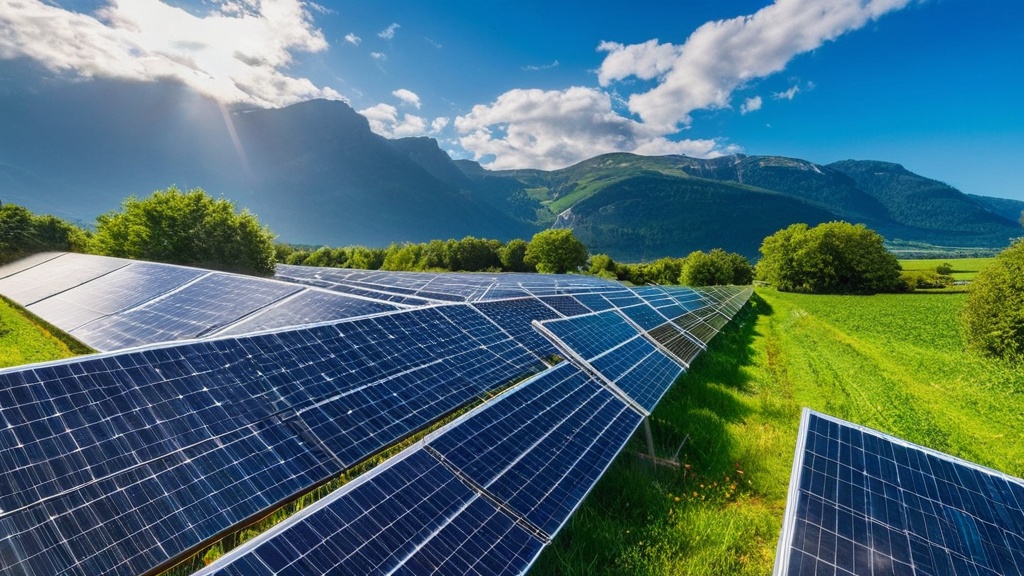
Climate change and environmental degradation have increased the significance of renewable energy sources in global energy planning. The continued use of fossil fuels has resulted in rising greenhouse gas emissions, prompting governments and organizations worldwide to consider alternative energy solutions. Renewable energy technologies utilize natural resources including solar radiation, wind currents, and hydroelectric power to generate electricity without producing direct carbon emissions during operation.
The transition to renewable energy serves multiple objectives beyond environmental protection. Countries that depend heavily on imported fossil fuels face economic vulnerabilities due to price fluctuations and supply disruptions. Developing domestic renewable energy capacity can reduce import dependencies and provide more predictable energy costs over time.
Solar, wind, and hydroelectric installations typically have lower operational costs compared to fossil fuel plants once initial infrastructure investments are completed. Current renewable energy technologies have demonstrated measurable improvements in efficiency and cost-effectiveness over the past decade. Solar photovoltaic systems have experienced significant price reductions, while wind turbine technology has advanced to capture energy at lower wind speeds.
These developments have made renewable energy economically competitive with traditional fossil fuel sources in many regions, supporting broader adoption across residential, commercial, and industrial applications.
Key Takeaways
- Embracing renewable energy is crucial for environmental sustainability and reducing carbon emissions.
- Government policies play a key role in accelerating the adoption of renewable energy technologies.
- Investing in renewables offers significant economic benefits, including job creation and energy cost savings.
- Overcoming challenges like infrastructure and technology limitations is essential for a successful energy transition.
- Community involvement and individual actions are vital to support and promote renewable energy initiatives globally.
Advantages of Renewable Energy Sources
Renewable energy sources offer a plethora of advantages that extend beyond environmental benefits. One of the most significant advantages is their sustainability. Unlike fossil fuels, which are finite and depleting, renewable resources are abundant and inexhaustible.
Solar, wind, hydro, and geothermal energy can be harnessed continuously without the risk of depletion, ensuring a long-term energy supply for generations to come. This sustainability aspect is crucial as it aligns with the global goal of achieving energy security while minimizing ecological impact. In addition to sustainability, renewable energy sources often lead to lower operational costs over time.
While the initial investment in renewable technologies may be higher than traditional fossil fuel systems, the long-term savings are substantial. Once established, renewable energy systems typically have lower maintenance costs and do not incur fuel expenses. For instance, solar panels can generate electricity for decades with minimal upkeep, while wind turbines harness free wind energy.
This economic advantage not only benefits individual consumers but also contributes to national economies by reducing reliance on imported fuels and creating jobs in the renewable sector.
The Role of Government Policies in Promoting Renewable Energy
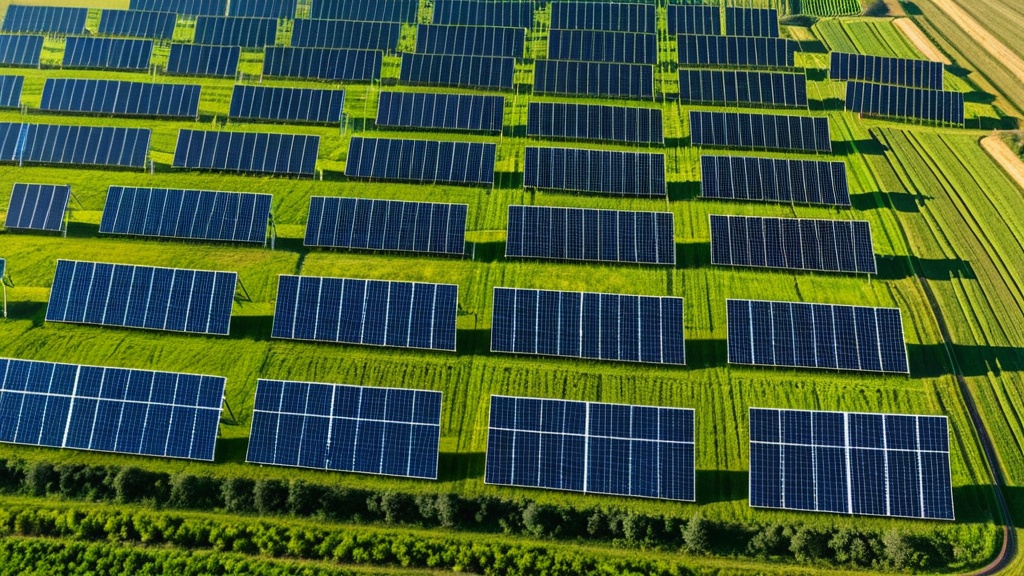
Government policies play a pivotal role in promoting the adoption of renewable energy technologies. Through incentives such as tax credits, subsidies, and grants, governments can encourage both businesses and individuals to invest in renewable energy solutions. These financial incentives lower the barriers to entry for adopting clean technologies, making them more accessible to a broader audience.
Furthermore, regulatory frameworks that mandate renewable energy targets can drive innovation and competition within the sector, fostering a dynamic market for clean energy solutions. In addition to financial incentives, governments can also facilitate research and development initiatives aimed at advancing renewable technologies. By funding research projects and collaborating with academic institutions and private enterprises, governments can accelerate the development of more efficient and cost-effective renewable energy systems.
This collaborative approach not only enhances technological advancements but also positions countries as leaders in the global renewable energy market, attracting investments and fostering economic growth.
Overcoming Challenges in the Transition to Renewable Energy
Despite the numerous advantages of renewable energy, transitioning from traditional fossil fuels presents several challenges that must be addressed. One of the primary obstacles is the intermittency of renewable sources such as solar and wind energy. Unlike fossil fuels that provide a constant power supply, renewables are dependent on weather conditions and time of day.
This variability necessitates the development of robust energy storage solutions and grid management systems to ensure a reliable power supply. Another challenge lies in the existing infrastructure that is predominantly designed for fossil fuel-based systems. Upgrading or replacing this infrastructure requires significant investment and planning.
To overcome these challenges, it is essential to engage in comprehensive planning that includes stakeholder consultations, workforce retraining programs, and investments in smart grid technologies that can accommodate a diverse range of energy sources.
The Economic Benefits of Investing in Renewables
| Renewable Energy Source | Global Capacity (GW) | Annual Growth Rate (%) | Average Capacity Factor (%) | CO2 Emissions Reduction (Million Tons/year) |
|---|---|---|---|---|
| Solar Photovoltaic (PV) | 950 | 20 | 15-20 | 800 |
| Wind Power | 800 | 12 | 30-40 | 700 |
| Hydropower | 1300 | 2 | 40-50 | 1000 |
| Biomass | 130 | 5 | 70-80 | 150 |
| Geothermal | 15 | 3 | 70-90 | 20 |
Investing in renewable energy not only addresses environmental concerns but also yields substantial economic benefits. The renewable sector has proven to be a significant job creator, with millions of jobs generated worldwide in manufacturing, installation, maintenance, and research. As countries transition to cleaner energy sources, they can stimulate local economies by creating new employment opportunities that are often more resilient to economic downturns compared to traditional fossil fuel jobs.
Moreover, investing in renewables can lead to reduced energy costs for consumers and businesses alike. As technology advances and economies of scale are achieved, the cost of generating electricity from renewable sources continues to decline. This trend not only makes renewables more competitive with fossil fuels but also provides consumers with more affordable energy options.
By reducing overall energy expenditures, households can allocate their resources towards other essential needs, thereby stimulating economic growth at the community level.
The Environmental Impact of Renewable Energy
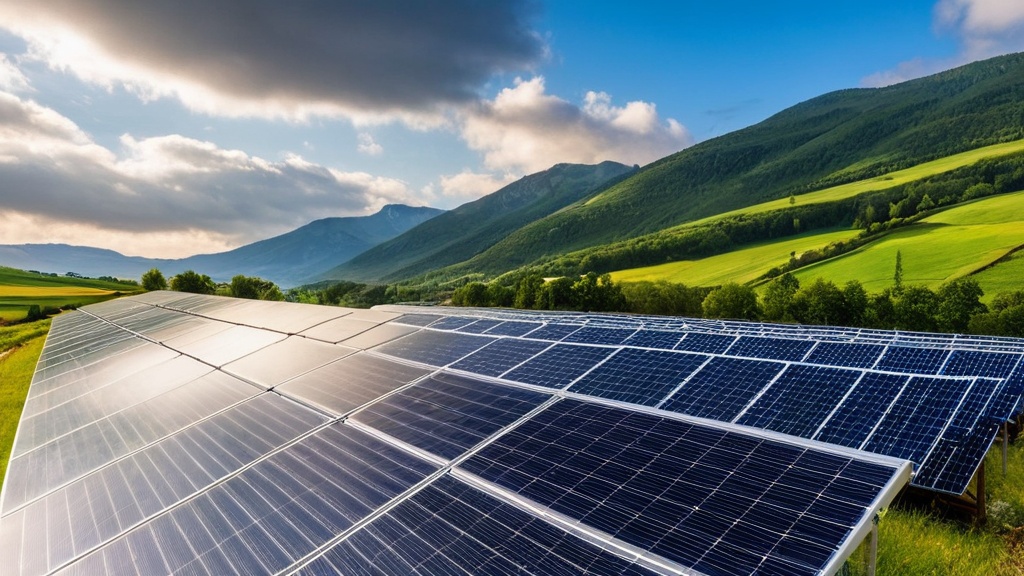
The environmental impact of renewable energy is overwhelmingly positive when compared to fossil fuels. By harnessing natural resources for power generation, renewables significantly reduce greenhouse gas emissions that contribute to climate change. For instance, solar panels and wind turbines produce electricity without emitting carbon dioxide or other harmful pollutants during operation.
This reduction in emissions is crucial for meeting international climate targets and protecting ecosystems from further degradation. Additionally, renewable energy sources have a lower impact on land and water resources compared to traditional fossil fuel extraction methods. For example, solar farms can be installed on previously disturbed land or rooftops without disrupting natural habitats.
Wind farms can coexist with agricultural activities, allowing for dual land use that benefits local economies while preserving biodiversity. By prioritizing environmentally friendly practices in energy production, we can work towards a healthier planet for future generations.
The Future of Renewable Energy Technology
The future of renewable energy technology is bright and filled with potential innovations that promise to revolutionize how we generate and consume power. Advancements in solar panel efficiency, battery storage capabilities, and smart grid technologies are paving the way for a more integrated and sustainable energy system. For instance, researchers are exploring new materials that could enhance solar cell efficiency beyond current limits while reducing production costs.
Moreover, emerging technologies such as floating wind farms and tidal energy systems are expanding the possibilities for harnessing renewable resources in previously untapped areas. As research continues to advance, we can expect breakthroughs that will make renewable technologies even more efficient and accessible. The integration of artificial intelligence and machine learning into energy management systems will further optimize energy consumption patterns and enhance grid reliability.
The Role of Businesses in Embracing Renewable Energy
Businesses play a crucial role in driving the transition to renewable energy by adopting sustainable practices within their operations. By investing in renewable energy solutions such as solar panels or wind turbines for their facilities, companies can significantly reduce their carbon footprint while also lowering operational costs over time. Furthermore, businesses that prioritize sustainability often enjoy enhanced brand reputation and customer loyalty as consumers increasingly seek environmentally responsible products and services.
In addition to direct investments in renewables, businesses can also advocate for policy changes that support clean energy initiatives at local, national, and global levels. By collaborating with governments and industry associations, companies can help shape regulations that promote renewable energy adoption while ensuring a level playing field for all market participants. This proactive approach not only benefits individual businesses but also contributes to a broader cultural shift towards sustainability within the corporate sector.
Community Engagement and Renewable Energy
Community engagement is essential for fostering support for renewable energy projects at the local level. Involving community members in decision-making processes ensures that their voices are heard and their concerns addressed. This participatory approach can lead to greater acceptance of renewable projects such as wind farms or solar installations within communities that may initially be resistant due to concerns about aesthetics or land use.
Moreover, community-based renewable energy initiatives empower individuals to take ownership of their energy production. By establishing local cooperatives or community solar programs, residents can collectively invest in renewable projects that benefit their neighborhoods while providing access to clean energy at reduced costs. This grassroots approach not only strengthens community ties but also promotes awareness about the importance of sustainability and environmental stewardship.
Global Efforts in Embracing Renewables
Globally, efforts to embrace renewable energy are gaining momentum as countries recognize the urgent need for sustainable solutions to combat climate change. International agreements such as the Paris Agreement have set ambitious targets for reducing greenhouse gas emissions and transitioning towards cleaner energy sources. Nations are increasingly committing to ambitious renewable energy goals, with many aiming for 100% clean electricity by mid-century.
Furthermore, global collaborations among governments, non-governmental organizations (NGOs), and private enterprises are fostering knowledge sharing and best practices in renewable energy deployment. Initiatives such as the International Renewable Energy Agency (IRENA) facilitate cooperation among countries to accelerate the adoption of renewables through technology transfer and capacity building efforts. These collective actions underscore the importance of a unified global response to address one of humanity’s most pressing challenges.
Steps Individuals Can Take to Support Renewable Energy
Individuals have a vital role to play in supporting the transition to renewable energy through conscious choices and actions.
Installing solar panels or participating in community solar programs allows households to generate their own electricity from renewable sources while contributing to overall demand for clean energy.
Additionally, individuals can advocate for policies that promote renewable energy at local and national levels by engaging with elected officials or participating in community discussions about sustainable practices. Supporting businesses that prioritize sustainability by choosing eco-friendly products or services further amplifies consumer demand for renewables. By making informed choices and actively participating in discussions about clean energy initiatives, individuals can contribute significantly to building a more sustainable future for all.
As the world increasingly shifts towards sustainable energy solutions, understanding the role of technology in this transition becomes crucial. One insightful article that explores the intersection of leadership and innovation in the context of renewable energy is “How to Lead Successfully in the Age of Artificial Intelligence.” This piece delves into how leaders can harness AI to drive their organizations towards more sustainable practices. For more information, you can read the article [here](https://iavva.ai/2025/08/24/how-to-lead-successfully-in-the-age-of-artificial-intelligence/).
FAQs
What are renewable energy sources?
Renewable energy sources are natural resources that can be replenished naturally over a short period of time. Common examples include solar, wind, hydroelectric, geothermal, and biomass energy.
Why are renewables important?
Renewable energy is important because it reduces dependence on fossil fuels, decreases greenhouse gas emissions, helps combat climate change, and promotes sustainable energy development.
How does solar energy work?
Solar energy works by converting sunlight into electricity using photovoltaic (PV) panels or by using solar thermal systems to generate heat.
What is the difference between renewable and non-renewable energy?
Renewable energy comes from sources that naturally replenish, such as sunlight and wind, while non-renewable energy comes from finite resources like coal, oil, and natural gas that can be depleted.
Are renewable energy sources reliable?
Renewable energy sources can be reliable, especially when combined with energy storage systems and diversified energy grids. However, some sources like solar and wind are intermittent and depend on weather conditions.
Can renewable energy replace fossil fuels completely?
While renewable energy has the potential to replace a significant portion of fossil fuel use, achieving a 100% renewable energy system requires advancements in technology, infrastructure, and energy storage.
What are the environmental benefits of renewables?
Renewable energy reduces air pollution, lowers carbon emissions, conserves water resources, and minimizes habitat destruction compared to fossil fuel extraction and use.
How do wind turbines generate electricity?
Wind turbines convert the kinetic energy from wind into mechanical energy, which is then transformed into electrical energy through a generator.
Is renewable energy more expensive than traditional energy?
The cost of renewable energy has decreased significantly over the years and is now often competitive with or cheaper than traditional fossil fuel energy, especially when considering long-term environmental and health costs.
What role do governments play in promoting renewables?
Governments promote renewable energy through policies, subsidies, tax incentives, research funding, and regulations aimed at encouraging clean energy development and reducing carbon emissions.


















Leave a Reply