





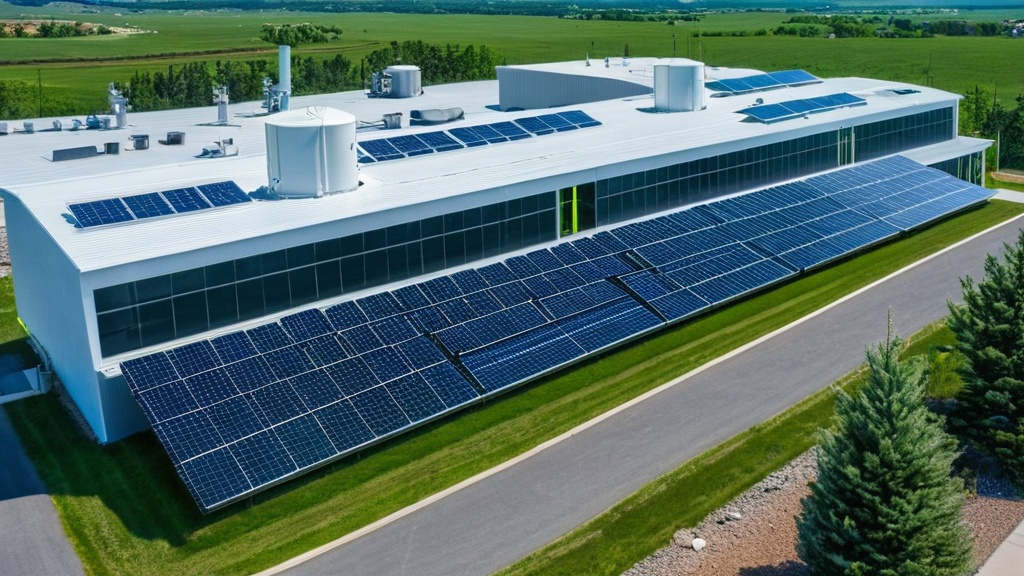
The National Renewable Energy Laboratory (NREL) stands as a beacon of innovation and research in the realm of renewable energy. Established in 1974, NREL is the United States’ primary laboratory dedicated to the research and development of renewable energy technologies. Located in Golden, Colorado, it operates under the auspices of the U.S.
Department of Energy (DOE) and plays a pivotal role in advancing the nation’s energy goals. NREL’s mission is not only to enhance the efficiency and reliability of renewable energy systems but also to foster a sustainable energy future that minimizes environmental impact. NREL’s multifaceted approach encompasses a wide array of renewable energy sources, including solar, wind, bioenergy, geothermal, and hydropower.
The laboratory is committed to addressing the pressing challenges of energy production and consumption while promoting energy independence and security. By leveraging cutting-edge research, NREL aims to accelerate the transition from fossil fuels to clean energy solutions, thereby contributing significantly to national and global efforts to combat climate change.
Key Takeaways
- The National Renewable Energy Laboratory (NREL) leads cutting-edge research in various renewable energy technologies.
- NREL collaborates extensively with industry partners and government agencies to accelerate clean energy adoption.
- Significant advancements have been made in solar, wind, bioenergy, and geothermal energy through NREL’s innovations.
- Research on energy storage and grid integration is critical to enhancing renewable energy reliability and impact.
- NREL plays a pivotal role in addressing climate change and shaping the future of sustainable energy solutions.
Research and Development of Renewable Energy Technologies
At the heart of NREL’s mission lies its robust research and development (R&D) initiatives aimed at pioneering innovative renewable energy technologies. The laboratory employs a diverse team of scientists, engineers, and researchers who collaborate on projects that span the entire spectrum of renewable energy. This collaborative environment fosters creativity and allows for the exploration of novel ideas that can lead to groundbreaking advancements in energy technology.
NREL’s R&D efforts are characterized by a commitment to scientific rigor and practical application. The laboratory conducts extensive testing and analysis to ensure that new technologies are not only theoretically sound but also viable for real-world implementation. This includes developing advanced materials for solar panels, optimizing wind turbine designs, and enhancing biofuel production processes.
By focusing on both fundamental research and applied science, NREL is able to bridge the gap between innovation and practical deployment, ensuring that new technologies can be effectively integrated into existing energy systems.
Collaboration with Industry and Government Agencies
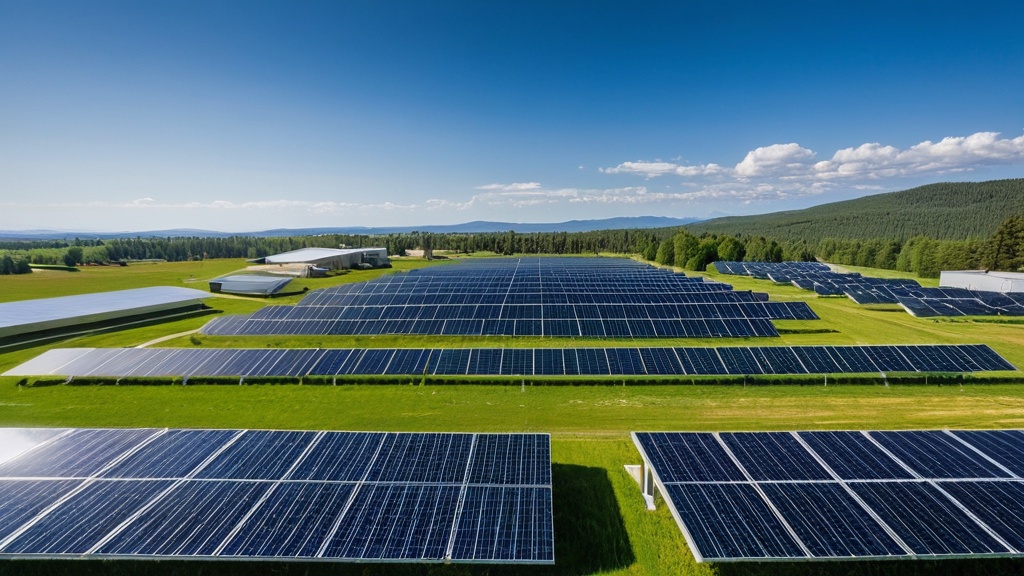
Collaboration is a cornerstone of NREL’s strategy for advancing renewable energy technologies. The laboratory actively partners with industry leaders, government agencies, and academic institutions to foster innovation and drive the commercialization of new technologies. These partnerships are essential for leveraging resources, sharing knowledge, and accelerating the development of solutions that address the complex challenges facing the energy sector.
NREL’s collaborations extend beyond traditional research partnerships; they also include initiatives aimed at policy development and regulatory support. By working closely with government agencies, NREL helps shape energy policies that promote renewable energy adoption and facilitate market access for new technologies. This collaborative approach not only enhances the laboratory’s research capabilities but also ensures that its findings have a meaningful impact on national energy strategies.
Advancements in Solar Energy
Solar energy has emerged as one of the most promising renewable energy sources, and NREL has been at the forefront of its advancement. The laboratory has made significant contributions to improving solar photovoltaic (PV) technology, focusing on increasing efficiency and reducing costs.
In addition to improving PV technology, NREL is also exploring advanced solar thermal systems that harness sunlight for heating applications. These systems have the potential to provide efficient heating solutions for residential and commercial buildings, further expanding the role of solar energy in our daily lives. By continuously pushing the boundaries of solar technology, NREL is helping to create a future where solar power plays a central role in meeting global energy demands.
Innovations in Wind Energy
| Metric | Value | Year | Notes |
|---|---|---|---|
| Annual Research Budget | 400 million | 2023 | Approximate funding for renewable energy research |
| Number of Employees | 1,600 | 2023 | Scientists, engineers, and support staff |
| Solar Energy Research Projects | 150+ | 2023 | Active projects focused on solar technologies |
| Wind Energy Research Projects | 100+ | 2023 | Active projects focused on wind power |
| Energy Storage Research Initiatives | 75 | 2023 | Projects on battery and other storage technologies |
| Annual Publications | 300+ | 2023 | Research papers and technical reports published |
| Partnerships with Industry | 50+ | 2023 | Collaborations with private sector companies |
| National Renewable Energy Laboratory Location | Golden, Colorado | – | Main campus location |
Wind energy is another area where NREL has made remarkable strides. The laboratory’s research focuses on optimizing wind turbine design and performance to maximize energy output while minimizing costs. NREL’s engineers utilize advanced modeling techniques and simulations to analyze wind patterns and turbine interactions, leading to more efficient designs that can capture wind energy more effectively.
Moreover, NREL is actively involved in developing offshore wind technologies, which hold immense potential for expanding wind energy generation. By collaborating with industry partners, NREL is working on innovative solutions that address the unique challenges associated with offshore wind farms, such as installation logistics and environmental impacts. These efforts are crucial for unlocking the full potential of wind energy as a clean and sustainable power source.
Breakthroughs in Bioenergy
Bioenergy represents a versatile renewable energy source derived from organic materials, and NREL is at the forefront of research in this field. The laboratory focuses on developing advanced biofuels that can replace fossil fuels in transportation and other applications. By utilizing feedstocks such as agricultural residues, waste materials, and dedicated energy crops, NREL aims to create sustainable biofuel solutions that reduce greenhouse gas emissions.
In addition to biofuels, NREL is exploring biopower technologies that convert biomass into electricity. This research involves optimizing combustion processes and developing innovative gasification techniques that enhance efficiency and reduce emissions. By advancing bioenergy technologies, NREL is contributing to a circular economy where waste materials are transformed into valuable energy resources.
Advances in Geothermal Energy
Geothermal energy harnesses heat from the Earth’s interior to generate electricity and provide direct heating solutions. NREL’s research in this area focuses on enhancing geothermal systems’ efficiency and accessibility. The laboratory investigates advanced drilling techniques and reservoir management strategies that can unlock geothermal resources in previously untapped regions.
NREL also explores enhanced geothermal systems (EGS), which involve creating artificial reservoirs by injecting water into hot rock formations.
By advancing EGS technology, NREL aims to make geothermal energy a more widely available and reliable renewable resource.
Research on Energy Storage and Grid Integration
As renewable energy sources like solar and wind become more prevalent, effective energy storage solutions are essential for ensuring grid stability and reliability. NREL conducts extensive research on various energy storage technologies, including batteries, pumped hydro storage, and thermal storage systems. The laboratory’s work focuses on improving storage efficiency, reducing costs, and enhancing the integration of these systems into existing power grids.
NREL also investigates grid integration strategies that facilitate the seamless incorporation of renewable energy into the electrical grid. This includes developing advanced grid management systems that can balance supply and demand while accommodating fluctuations in renewable generation. By addressing these challenges, NREL is helping to create a resilient grid capable of supporting a diverse mix of energy sources.
Impact of Renewable Energy on Climate Change
The transition to renewable energy is critical for mitigating climate change and reducing greenhouse gas emissions. NREL’s research highlights the significant impact that increased adoption of renewable technologies can have on global carbon emissions. By providing data-driven insights into the environmental benefits of renewable energy, NREL supports policymakers and stakeholders in making informed decisions about energy strategies.
Furthermore, NREL emphasizes the importance of integrating renewable energy into broader climate action plans. The laboratory collaborates with various organizations to develop comprehensive strategies that address not only emissions reduction but also adaptation measures for communities vulnerable to climate change impacts. Through its research, NREL plays a vital role in shaping a sustainable future for generations to come.
Future Outlook for Renewable Energy Technologies
The future of renewable energy technologies looks promising, with continued advancements expected across all sectors. As global demand for clean energy grows, NREL is poised to lead the way in developing innovative solutions that meet these needs. The laboratory’s ongoing research efforts will focus on enhancing efficiency, reducing costs, and improving the scalability of renewable technologies.
Moreover, as new challenges arise in the energy landscape—such as increasing demand for electrification and the need for resilient infrastructure—NREL will continue to adapt its research priorities accordingly. By fostering collaboration with industry partners and government agencies, NREL aims to ensure that its innovations remain relevant and impactful in addressing future energy challenges.
Conclusion and the Role of National Renewable Energy Laboratory
In conclusion, the National Renewable Energy Laboratory plays a crucial role in advancing renewable energy technologies through its comprehensive research initiatives, collaborative partnerships, and commitment to innovation. As the world faces pressing challenges related to climate change and energy security, NREL’s work becomes increasingly vital in shaping a sustainable future. By focusing on diverse areas such as solar, wind, bioenergy, geothermal energy, and grid integration, NREL is not only driving technological advancements but also influencing policy decisions that promote clean energy adoption.
As we look ahead, the continued support for NREL’s mission will be essential in realizing a world powered by renewable energy—one that prioritizes environmental sustainability while meeting the growing demands of society.
The National Renewable Energy Laboratory (NREL) plays a crucial role in advancing renewable energy technologies and promoting sustainable practices. For those interested in how organizations can leverage digital transformation to enhance their operations, a related article titled “Digital Transformation Consulting Success Stories” provides valuable insights. You can read more about it here: Digital Transformation Consulting Success Stories.
FAQs
What is the National Renewable Energy Laboratory (NREL)?
The National Renewable Energy Laboratory (NREL) is a U.S. government research facility dedicated to advancing renewable energy and energy efficiency technologies. It focuses on developing innovative solutions to promote sustainable energy sources.
Where is NREL located?
NREL is primarily located in Golden, Colorado, with additional facilities and offices in other locations across the United States.
What types of renewable energy does NREL research?
NREL conducts research on a variety of renewable energy sources, including solar power, wind energy, bioenergy, geothermal energy, and hydrogen and fuel cells.
Is NREL a government or private organization?
NREL is a federally funded research and development center operated by the U.S. Department of Energy (DOE).
What are some key areas of NREL’s research?
Key research areas include solar photovoltaic technology, wind turbine design, energy storage, grid integration, energy efficiency in buildings, and sustainable transportation.
How does NREL contribute to the development of renewable energy technologies?
NREL develops and tests new technologies, provides data and analysis, collaborates with industry partners, and supports policy development to accelerate the adoption of renewable energy.
Can the public visit NREL?
NREL offers tours and educational programs, but visits typically require prior arrangement and are often limited to groups or special events.
Does NREL collaborate with other organizations?
Yes, NREL partners with universities, private companies, government agencies, and international organizations to advance renewable energy research and deployment.
How is NREL funded?
NREL is funded primarily through the U.S. Department of Energy, with additional funding from industry partnerships and research grants.
What impact has NREL had on renewable energy development?
NREL has played a significant role in improving renewable energy technologies, reducing costs, and supporting policies that promote clean energy adoption in the United States and globally.


















Leave a Reply