





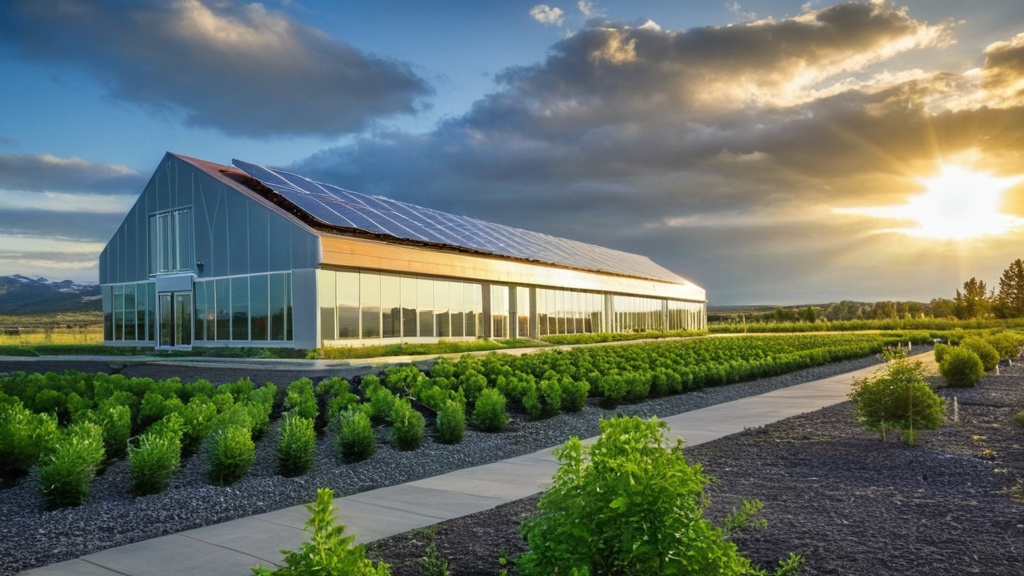
The National Renewable Energy Laboratory (NREL) is the primary renewable energy research facility of the United States Department of Energy, founded in 1974. NREL focuses on developing and advancing renewable energy and energy efficiency technologies to create a sustainable energy future. The laboratory conducts research, develops new technologies, and provides data analysis that informs policy decisions related to climate change, energy security, and economic competitiveness.
NREL combines scientific research with practical applications, effectively connecting theoretical concepts to real-world implementation. The laboratory maintains partnerships with government agencies, private companies, and academic institutions to promote innovation and expedite the deployment of renewable energy technologies. Through its expertise and resources, NREL contributes to technological progress while helping shape national energy policies that enhance sustainability and resilience in response to changing energy needs.
Key Takeaways
- NREL plays a central role in advancing renewable energy through cutting-edge research across multiple technologies.
- The lab has significantly contributed to solar, wind, bioenergy, geothermal, hydrogen, and fuel cell innovations.
- NREL’s work enhances energy storage, grid integration, and energy efficiency in buildings.
- It influences renewable energy policy and fosters industry collaborations to accelerate clean energy adoption.
- NREL continues to shape the future of renewable energy with ongoing research and strategic partnerships.
NREL’s Contributions to Solar Energy Research and Development
NREL has been at the forefront of solar energy research and development, significantly advancing photovoltaic (PV) technology and solar thermal systems. The lab’s researchers have made groundbreaking contributions to improving the efficiency of solar cells, developing new materials, and optimizing manufacturing processes. One of NREL’s notable achievements is its work on tandem solar cells, which combine multiple layers of materials to capture a broader spectrum of sunlight, resulting in higher efficiency rates than traditional single-junction cells.
This innovation has the potential to revolutionize the solar industry by making solar energy more accessible and cost-effective. In addition to technological advancements, NREL plays a vital role in providing comprehensive data and analysis on solar energy potential across the United States. The lab’s Solar Resource Mapping project offers detailed information on solar irradiance, which is essential for developers and policymakers to make informed decisions about solar project siting and investment.
Furthermore, NREL’s efforts in developing performance modeling tools help optimize the design and operation of solar installations, ensuring that they deliver maximum energy output while minimizing costs. Through these contributions, NREL not only enhances the viability of solar energy but also supports the broader goal of transitioning to a low-carbon economy.
NREL’s Impact on Wind Energy Technology
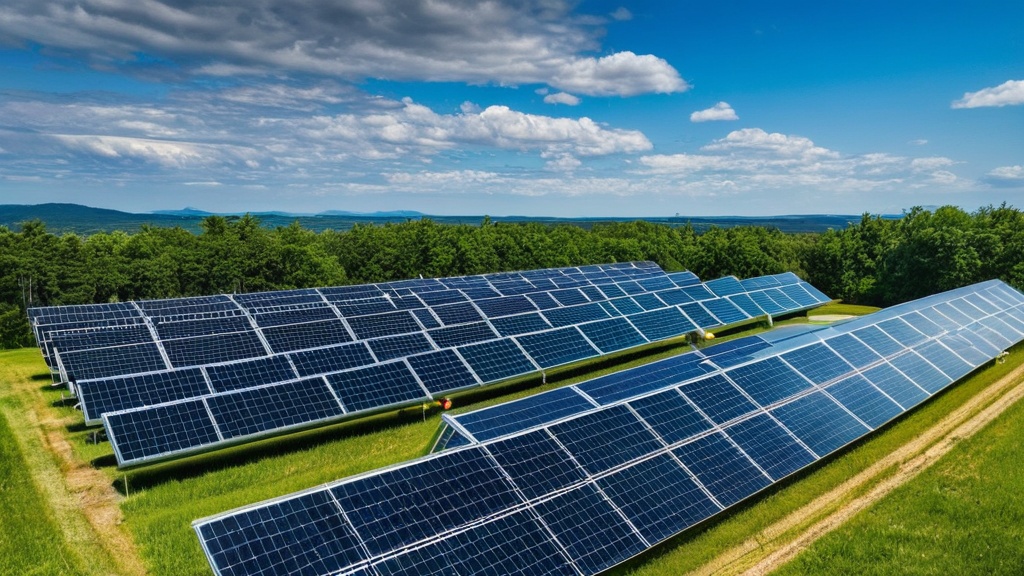
Wind energy is another area where NREL has made significant strides, contributing to the development of advanced wind turbine technologies and innovative design methodologies. The lab’s research focuses on improving turbine efficiency, reliability, and performance in various wind conditions. By conducting extensive field tests and simulations, NREL has been able to identify best practices for turbine design and operation, ultimately leading to more efficient wind farms that can generate clean electricity at lower costs.
Moreover, NREL’s work extends beyond just turbine technology; it encompasses the entire wind energy supply chain. The lab collaborates with industry partners to develop tools and resources that facilitate better site assessment, grid integration, and maintenance practices for wind projects. One of its key initiatives is the Wind Integration National Dataset Toolkit (WIND Toolkit), which provides high-resolution wind resource data that helps utilities and grid operators effectively integrate wind power into their energy systems.
By addressing both technological and operational challenges, NREL plays a crucial role in advancing wind energy as a reliable source of renewable electricity.
Advancements in Bioenergy Research and Development at NREL
Bioenergy represents a critical component of the renewable energy landscape, and NREL has been instrumental in advancing research in this field. The lab focuses on developing sustainable biofuels from various feedstocks, including agricultural residues, dedicated energy crops, and waste materials. By exploring innovative conversion technologies such as biochemical processes and thermochemical methods, NREL aims to produce biofuels that are not only environmentally friendly but also economically viable.
In addition to fuel production, NREL’s bioenergy research encompasses life cycle analysis to assess the environmental impacts of biofuel production and use. This comprehensive approach ensures that bioenergy solutions contribute positively to greenhouse gas reduction while minimizing land use changes and other ecological concerns. Furthermore, NREL collaborates with industry partners to pilot bioenergy projects that demonstrate the feasibility of large-scale biofuel production.
Through these efforts, NREL is paving the way for a sustainable bioenergy sector that can complement other renewable energy sources in achieving a carbon-neutral future.
NREL’s Influence on Energy Storage and Grid Integration
| Metric | Value | Unit | Year |
|---|---|---|---|
| Annual Research Budget | 400 | Million USD | 2023 |
| Number of Employees | 1,700 | People | 2023 |
| Solar Energy Research Projects | 120 | Projects | 2023 |
| Wind Energy Research Projects | 80 | Projects | 2023 |
| Energy Storage Research Projects | 60 | Projects | 2023 |
| Annual Publications | 350 | Publications | 2023 |
| Patents Filed | 45 | Patents | 2023 |
| Laboratory Facilities | 15 | Facilities | 2023 |
As renewable energy sources like solar and wind become increasingly prevalent, effective energy storage solutions are essential for ensuring grid reliability and stability. NREL has emerged as a leader in researching advanced energy storage technologies, including batteries, pumped hydro storage, and thermal storage systems. The lab’s work focuses on improving the performance, lifespan, and cost-effectiveness of these technologies to facilitate their widespread adoption.
NREL’s research also addresses the critical challenge of grid integration for renewable energy sources. The lab develops modeling tools and simulation platforms that help utilities understand how to incorporate large amounts of variable renewable generation into their existing grids. By analyzing grid dynamics and identifying optimal strategies for managing supply and demand fluctuations, NREL supports utilities in transitioning toward more resilient and flexible energy systems.
This holistic approach ensures that as renewable energy capacity grows, the grid can adapt seamlessly without compromising reliability or performance.
NREL’s Research in Hydrogen and Fuel Cell Technologies
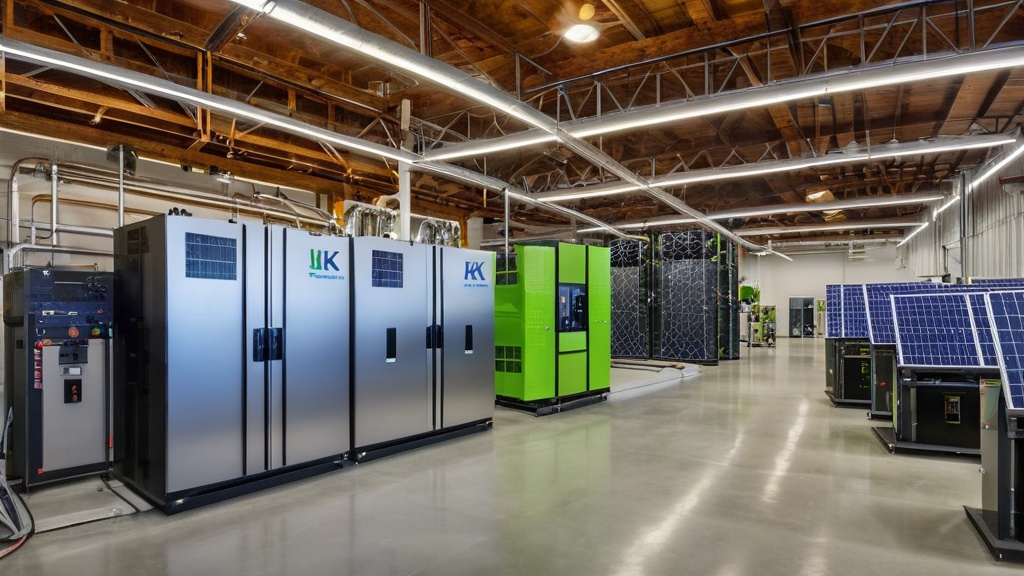
Hydrogen is increasingly recognized as a versatile energy carrier with the potential to decarbonize various sectors, including transportation, industry, and power generation. NREL is at the forefront of hydrogen research, focusing on production methods such as electrolysis using renewable electricity and biomass gasification. The lab’s efforts aim to develop cost-effective hydrogen production technologies that can be scaled up for commercial applications.
In addition to production technologies, NREL conducts extensive research on fuel cell systems that convert hydrogen into electricity with high efficiency and low emissions. The lab collaborates with industry partners to advance fuel cell technology for various applications, from light-duty vehicles to heavy-duty transportation solutions. By addressing both production and utilization challenges, NREL is helping to position hydrogen as a key player in the transition to a clean energy economy.
NREL’s Contributions to Geothermal Energy Innovation
Geothermal energy offers a reliable source of renewable power that can provide baseload electricity generation with minimal environmental impact. NREL has been actively involved in advancing geothermal technologies through research focused on enhanced geothermal systems (EGS) and improved drilling techniques.
The lab also conducts assessments of geothermal resource potential nationwide, providing valuable data that informs project development decisions. Through its partnerships with industry stakeholders, NREL supports pilot projects that demonstrate the feasibility of new geothermal technologies in real-world settings. By fostering innovation in geothermal energy, NREL contributes to diversifying the renewable energy portfolio while enhancing energy security.
NREL’s Impact on Energy Efficiency and Building Technologies
Energy efficiency is a critical aspect of reducing overall energy consumption and greenhouse gas emissions. NREL plays a vital role in advancing building technologies that enhance energy efficiency in residential and commercial structures. The lab conducts research on high-performance building designs, advanced HVAC systems, smart building technologies, and sustainable materials that minimize energy use while maximizing occupant comfort.
NREL’s work extends beyond technology development; it also includes policy analysis and guidance for implementing energy efficiency measures at local, state, and national levels. By providing data-driven insights into the economic benefits of energy efficiency investments, NREL helps stakeholders make informed decisions that lead to substantial cost savings while reducing environmental impacts. Through its comprehensive approach to building technologies and energy efficiency, NREL is helping create sustainable communities that prioritize resource conservation.
NREL’s Role in Advancing Renewable Energy Policy and Analysis
NREL’s influence extends into the realm of policy analysis as it provides critical insights that shape renewable energy policies at various levels of government. The lab conducts rigorous research on the economic impacts of renewable energy deployment, regulatory frameworks, and market dynamics that affect clean energy adoption. By offering data-driven recommendations based on empirical evidence, NREL helps policymakers craft effective strategies that promote renewable energy growth while ensuring grid reliability.
Additionally, NREL engages with stakeholders across sectors to facilitate dialogue on renewable energy issues. Through workshops, conferences, and collaborative initiatives, the lab fosters partnerships that drive innovation while addressing regulatory challenges. By bridging the gap between research findings and policy implementation, NREL plays a crucial role in creating an enabling environment for renewable energy technologies to thrive.
Collaborations and Partnerships: NREL’s Impact on the Renewable Energy Industry
Collaboration is at the heart of NREL’s approach to advancing renewable energy technologies. The lab partners with a diverse array of stakeholders—including government agencies, private companies, academic institutions, and non-profit organizations—to leverage collective expertise and resources for maximum impact. These collaborations enable NREL to tackle complex challenges in renewable energy development while fostering innovation through shared knowledge.
NREL’s partnerships often result in groundbreaking projects that push the boundaries of what is possible in renewable energy technology. For instance, collaborations with industry leaders have led to advancements in solar panel efficiency and wind turbine design that have transformed market dynamics. By working together with various entities across sectors, NREL not only accelerates technological advancements but also cultivates an ecosystem conducive to sustainable growth within the renewable energy industry.
Future Outlook: NREL’s Continued Influence on Advancing Renewable Energy
Looking ahead, NREL is poised to continue its influential role in shaping the future of renewable energy research and development. As global challenges related to climate change intensify, the need for innovative solutions becomes increasingly urgent. NREL’s commitment to advancing clean energy technologies will remain steadfast as it explores new frontiers such as artificial intelligence applications in energy systems optimization or integrating emerging technologies like blockchain for decentralized energy management.
Moreover, as public interest in sustainability grows alongside regulatory pressures for decarbonization efforts worldwide, NREL will play an essential role in guiding both industry practices and government policies toward achieving ambitious climate goals. By fostering collaboration among diverse stakeholders while maintaining its focus on rigorous scientific research, NREL will continue driving progress toward a sustainable future powered by renewable energy sources. In conclusion, the National Renewable Energy Laboratory stands as a cornerstone institution within the landscape of renewable energy innovation—its contributions span across multiple sectors including solar power advancements; wind technology improvements; bioenergy developments; storage solutions; hydrogen research; geothermal innovations; building efficiency enhancements; policy analysis; collaborative partnerships—all aimed at creating a cleaner tomorrow for generations to come.
The National Renewable Energy Laboratory (NREL) plays a crucial role in advancing renewable energy technologies and research. For those interested in how artificial intelligence is transforming various sectors, including energy, a related article discusses the innovative applications of AI in education and corporate training. You can read more about it in the article titled “AI Solutions for Education and Corporate Training: Revolutionizing Learning” available at this link.
FAQs
What is the National Renewable Energy Laboratory (NREL)?
The National Renewable Energy Laboratory (NREL) is a U.S. government research facility dedicated to advancing renewable energy and energy efficiency technologies. It is operated by the Department of Energy (DOE) and focuses on innovations in solar, wind, bioenergy, geothermal, and other sustainable energy sources.
Where is NREL located?
NREL is primarily located in Golden, Colorado. It also has additional facilities and partnerships across the United States.
What types of research does NREL conduct?
NREL conducts research in various areas including solar power, wind energy, biofuels, energy efficiency, grid integration, energy storage, and advanced materials for renewable energy applications.
Who funds NREL?
NREL is funded by the U.S. Department of Energy, along with additional funding from government agencies, private industry, and research partnerships.
How does NREL contribute to renewable energy development?
NREL develops new technologies, conducts performance testing, provides data and analysis, and collaborates with industry and government to accelerate the deployment of renewable energy solutions.
Can the public visit NREL?
NREL offers limited public tours and educational programs, but access is generally restricted due to the nature of the research and security considerations. Interested individuals should check NREL’s official website for current visitor information.
Does NREL collaborate with other organizations?
Yes, NREL partners with universities, private companies, government agencies, and international organizations to advance renewable energy research and deployment.
What impact has NREL had on renewable energy?
NREL has played a key role in improving the efficiency and reducing the cost of renewable energy technologies, contributing to the growth of the clean energy sector in the U.S. and globally.
How can researchers or companies work with NREL?
Researchers and companies can collaborate with NREL through cooperative research agreements, partnerships, and technology licensing. Information on collaboration opportunities is available on NREL’s website.
Does NREL provide data or tools for renewable energy analysis?
Yes, NREL offers a variety of publicly accessible data sets, modeling tools, and software to support renewable energy research and planning.


















Leave a Reply