





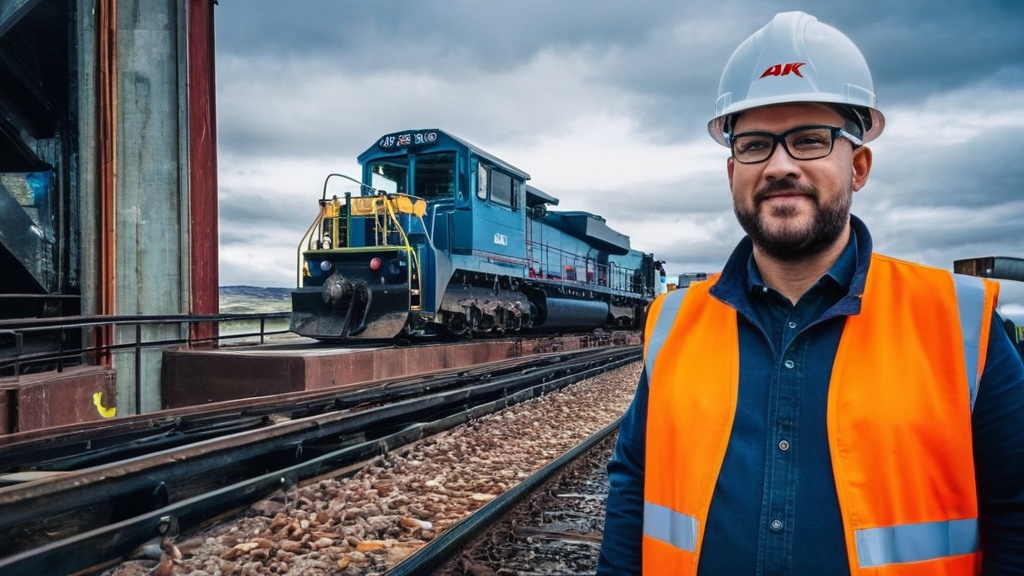
The field of materials science is undergoing a transformative phase, driven by the relentless pursuit of innovation and efficiency. Advancing materials encompasses the development of new substances and the enhancement of existing ones to meet the ever-evolving demands of various industries, including aerospace, automotive, electronics, and healthcare. As technology progresses, the need for materials that are not only high-performing but also sustainable has become paramount. This evolution is not merely about creating stronger or lighter materials; it is about rethinking how materials are designed, processed, and utilized in a world that increasingly values sustainability and efficiency.
In this context, the role of process engineering emerges as a critical component in the advancement of materials. Process engineers are tasked with bridging the gap between scientific research and practical application, ensuring that innovative materials can be produced at scale while maintaining quality and performance. Their expertise is essential in navigating the complexities of material development, from initial concept through to production, and their contributions are vital in addressing the challenges posed by modern manufacturing demands.
Material and process engineers play a crucial role in the development and optimization of materials used in various industries, ensuring that products meet performance and safety standards. For those interested in the intersection of engineering and technology, a related article that explores the evolving job landscape in AI and engineering fields can be found here: OpenAI Jobs Platform: Accelerating AI Hiring and Workforce Transformation. This article discusses how AI is reshaping hiring practices and the demand for skilled professionals in engineering and technology sectors.
Key Takeaways
- Advancing materials play a crucial role in various industries and applications, driving the need for continuous innovation and development.
- Process engineering is essential in material development as it focuses on optimizing the production process to achieve desired material properties and performance.
- A process engineer plays a critical role in material development by designing, implementing, and optimizing production processes to ensure the quality and efficiency of material production.
- Key responsibilities of a process engineer in advancing materials include process design, optimization, troubleshooting, and continuous improvement to meet material performance requirements.
- Process engineering techniques such as modeling, simulation, and optimization are essential for material development, enabling the efficient design and scale-up of production processes.
The Importance of Process Engineering in Material Development
Process engineering plays a pivotal role in material development by optimizing the methods used to create and manipulate materials. This discipline focuses on the design, operation, control, and optimization of chemical, physical, and biological processes. In the realm of materials science, process engineers are responsible for translating theoretical concepts into practical applications, ensuring that new materials can be produced efficiently and reliably. The importance of this role cannot be overstated; without effective process engineering, even the most innovative materials may never reach the market.
Moreover, process engineering is integral to enhancing the performance characteristics of materials. By refining production techniques and methodologies, process engineers can improve properties such as strength, durability, and thermal resistance. This optimization not only leads to better-performing materials but also contributes to cost savings and reduced waste in manufacturing processes. As industries strive for greater efficiency and sustainability, the demand for skilled process engineers who can innovate and improve material production processes continues to grow.
Understanding the Role of a Process Engineer

A process engineer is a specialized professional who applies principles of engineering, chemistry, physics, and mathematics to develop processes for large-scale manufacturing. In the context of advancing materials, their role encompasses a wide range of responsibilities that are crucial for successful material development. Process engineers must possess a deep understanding of both the scientific principles underlying material properties and the practical aspects of manufacturing processes. This dual expertise allows them to identify potential challenges early in the development cycle and devise effective solutions.
In addition to technical knowledge, process engineers must also be adept at problem-solving and critical thinking. They often work in interdisciplinary teams, collaborating with chemists, material scientists, and production personnel to ensure that new materials can be produced efficiently and meet quality standards. Their ability to communicate complex ideas clearly and effectively is essential for fostering collaboration among team members and stakeholders. As such, process engineers serve as a vital link between research and production, ensuring that innovative ideas are translated into viable products.
Key Responsibilities of a Process Engineer in Advancing Materials

The responsibilities of a process engineer in advancing materials are diverse and multifaceted. One of their primary tasks is to design and optimize manufacturing processes that can produce new materials at scale. This involves conducting experiments to understand how different variables affect material properties and performance. By analyzing data from these experiments, process engineers can refine production techniques to enhance efficiency and reduce costs.
Another critical responsibility is ensuring compliance with safety and environmental regulations. Process engineers must be well-versed in industry standards and best practices to minimize risks associated with material production. This includes implementing safety protocols during manufacturing processes and ensuring that waste management practices are environmentally friendly. Additionally, they play a key role in quality assurance by developing testing protocols to evaluate material performance against established benchmarks.
Material and process engineers play a crucial role in the development and optimization of materials used in various industries. Their expertise is essential for improving product performance and sustainability. For those interested in the intersection of technology and employment opportunities in this field, a related article discusses how platforms are transforming the hiring landscape for AI-savvy professionals. You can read more about this innovative approach in the article Anysphere’s Growth Playbook, which highlights effective approaches that can also be applicable to engineering fields.
Collaboration with Research and Development Teams
Collaboration between process engineers and research and development (R&D) teams is essential for successful material advancement. R&D teams focus on exploring new ideas and concepts related to material properties and applications, while process engineers translate these ideas into practical manufacturing processes. This partnership fosters an environment where innovation can thrive, as both teams bring unique perspectives and expertise to the table.
Effective communication is key to this collaboration. Process engineers must work closely with R&D teams to understand the scientific principles behind new materials and provide feedback on manufacturability. By sharing insights from the production floor, process engineers can help R&D teams refine their concepts based on real-world constraints and challenges. This iterative process not only accelerates material development but also ensures that new products are viable for commercial production.
Quality Control and Assurance in Material Development
Quality control (QC) and assurance (QA) are critical components of material development that ensure products meet established standards for performance and safety. Process engineers play a vital role in developing QC protocols that monitor various aspects of material production. This includes establishing testing methods for evaluating mechanical properties, chemical composition, and other relevant characteristics.
In addition to developing testing protocols, process engineers are responsible for analyzing QC data to identify trends or anomalies that may indicate potential issues in the production process.
By implementing corrective actions based on this analysis, they can help maintain high-quality standards throughout the manufacturing cycle.
Furthermore, effective QA practices contribute to building trust with customers and stakeholders by ensuring that products consistently meet or exceed expectations.
Environmental and Sustainability Considerations in Material Processing
As industries increasingly prioritize sustainability, process engineers must consider environmental impacts throughout the material development lifecycle. This includes evaluating raw material sourcing, energy consumption during production, waste generation, and end-of-life disposal options for materials. By adopting sustainable practices, process engineers can help reduce the ecological footprint of material production while also meeting regulatory requirements.
One approach to enhancing sustainability is through the use of green chemistry principles in material processing. This involves designing processes that minimize hazardous substances and reduce energy consumption while maximizing resource efficiency. Process engineers can also explore alternative materials or recycling methods that contribute to a circular economy model. By integrating sustainability into their work, process engineers not only address environmental concerns but also position their organizations as leaders in responsible manufacturing practices.
Advancements in Process Engineering Technology for Material Development
The field of process engineering is continually evolving with advancements in technology that enhance material development capabilities. One notable trend is the integration of automation and artificial intelligence (AI) into manufacturing processes.
These technologies enable real-time monitoring and control of production parameters, allowing for greater precision and efficiency in material processing.
Additionally, advancements in data analytics have transformed how process engineers approach problem-solving. By leveraging big data tools, they can analyze vast amounts of information from production processes to identify patterns or correlations that may not be immediately apparent. This data-driven approach empowers process engineers to make informed decisions that optimize production efficiency while maintaining quality standards.
Case Studies: Successful Application of Process Engineering in Material Advancement
Numerous case studies illustrate the successful application of process engineering principles in advancing materials across various industries. For instance, in the aerospace sector, a leading manufacturer implemented advanced simulation techniques to optimize the production of lightweight composite materials used in aircraft construction. By refining their manufacturing processes based on simulation data, they achieved significant weight reductions while maintaining structural integrity—resulting in improved fuel efficiency for their aircraft.
In another example from the automotive industry, a company focused on developing high-performance battery materials for electric vehicles utilized innovative scale-up techniques to transition from lab-scale prototypes to mass production. Through collaboration between R&D teams and process engineers, they successfully identified key parameters that influenced battery performance during scaling up—leading to enhanced energy density and longer battery life for consumers.
Future Trends and Opportunities for Process Engineers in Advancing Materials
Looking ahead, several trends present exciting opportunities for process engineers in advancing materials. The growing emphasis on sustainability will continue to drive demand for professionals who can develop eco-friendly manufacturing processes while minimizing waste and energy consumption. Additionally, as industries increasingly adopt digital transformation strategies, there will be a need for process engineers who are proficient in data analytics and automation technologies.
Furthermore, advancements in nanotechnology and biomaterials are opening new avenues for innovation within materials science. Process engineers will play a crucial role in developing scalable processes for these emerging materials—ensuring they can be produced efficiently while meeting performance standards. As the landscape of material development evolves, skilled process engineers will remain at the forefront of driving innovation and shaping the future of advanced materials across diverse industries.
FAQs
What is a material and process engineer?
A material and process engineer is a professional who specializes in the development and improvement of materials and manufacturing processes. They work to create new materials, improve existing materials, and optimize manufacturing processes to ensure quality and efficiency.
What are the responsibilities of a material and process engineer?
Material and process engineers are responsible for researching, designing, and developing new materials and manufacturing processes. They also analyze existing materials and processes to identify areas for improvement, and work to implement changes that enhance product quality and production efficiency.
What skills are required to become a material and process engineer?
To become a successful material and process engineer, individuals need strong analytical and problem-solving skills, as well as a deep understanding of materials science, chemistry, and engineering principles. Additionally, excellent communication and teamwork skills are essential for collaborating with other professionals in research and development.
What industries do material and process engineers work in?
Material and process engineers work in a wide range of industries, including aerospace, automotive, electronics, biomedical, and manufacturing. They may also find opportunities in research institutions, government agencies, and consulting firms.
What is the educational background required to become a material and process engineer?
Most material and process engineers hold a bachelor’s degree in materials science, chemical engineering, mechanical engineering, or a related field. Some positions may require a master’s or doctoral degree for advanced research and development roles. Additionally, professional certification and licensure may be required in some jurisdictions.


















Leave a Reply