






Signal Processing Engineering is a vital field that focuses on the analysis, manipulation, and interpretation of signals. Signals can be defined as any physical quantity that varies with time, space, or any other independent variable. They can be audio, visual, or even electromagnetic in nature. The primary goal of signal processing is to extract meaningful information from these signals, which can then be used for various applications ranging from telecommunications to medical diagnostics. As technology continues to advance, the importance of signal processing has grown exponentially, making it a cornerstone of modern engineering.
The discipline encompasses a wide array of techniques and methodologies that allow engineers to enhance signal quality, reduce noise, and improve overall system performance.
Signal processing is not limited to a single domain; it spans multiple fields including electrical engineering, computer science, and applied mathematics.
This interdisciplinary nature makes it a rich area for research and development, as well as practical applications. As we delve deeper into the evolution and applications of signal processing, it becomes clear that this field is not only foundational but also transformative in shaping the future of technology.
Signal processing engineers play a crucial role in the advancement of technologies that leverage artificial intelligence, particularly in the context of corporate training and digital transformation. For insights into how AI is reshaping corporate environments, you can read the article titled “Nvidia’s $1.5B AI Chip Deal: What It Means for Corporate Training, Leadership, and Digital Transformation” available at this link. This article explores the implications of Nvidia’s significant investment in AI technology and its potential impact on various industries, including the field of signal processing.
Key Takeaways
- Signal processing engineering has evolved from analog to advanced digital techniques, enhancing data analysis and interpretation.
- Digital signal processing offers greater flexibility and precision compared to traditional analog methods.
- Applications span diverse industries including communications, biomedical fields, and multimedia technologies.
- Integration of machine learning and AI is driving significant improvements in signal filtering, noise reduction, and real-time processing.
- Future trends focus on enhanced compression, real-time capabilities, and innovative biomedical and communication system applications.
Evolution of Signal Processing Techniques
The evolution of signal processing techniques can be traced back to the early days of telecommunication when engineers sought ways to improve the clarity and reliability of voice transmissions over long distances. Initially, analog methods dominated the landscape, relying on continuous signals to convey information. However, as technology progressed, the limitations of analog systems became apparent, leading to the development of digital signal processing (DSP) techniques in the latter half of the 20th century. This shift marked a significant turning point in the field, allowing for more sophisticated algorithms and greater flexibility in handling various types of signals.
With the advent of digital technology, signal processing techniques have continued to evolve at a rapid pace. The introduction of powerful microprocessors and advanced algorithms has enabled engineers to tackle complex problems that were once deemed insurmountable. Techniques such as Fourier transforms, wavelet transforms, and adaptive filtering have become standard tools in the signal processing toolbox. Furthermore, the rise of machine learning and artificial intelligence has opened new avenues for innovation, allowing for more intelligent and automated approaches to signal analysis and interpretation.
Digital Signal Processing vs Analog Signal Processing
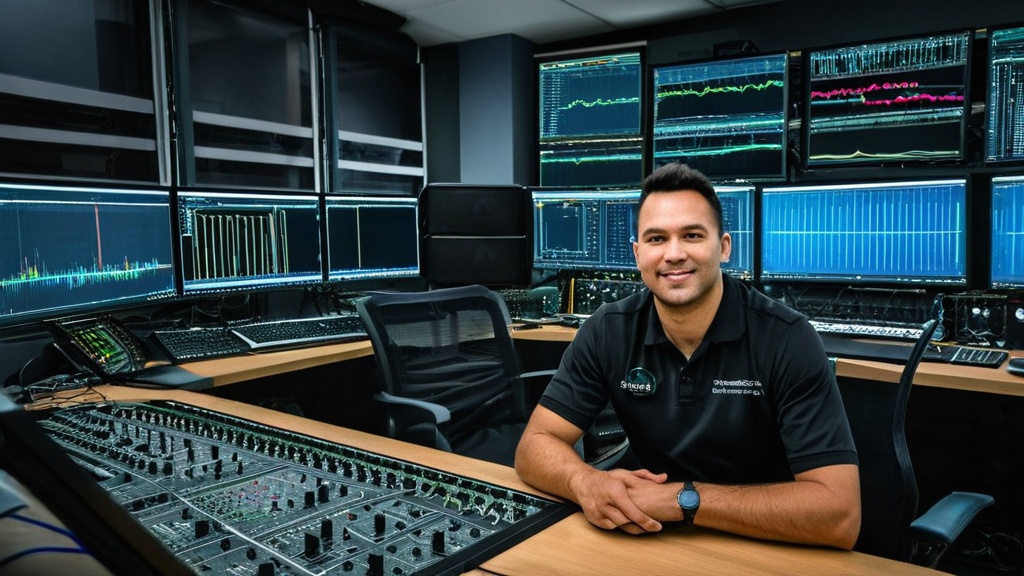
Digital Signal Processing (DSP) and Analog Signal Processing (ASP) represent two distinct paradigms within the field of signal processing. While both aim to manipulate signals for improved clarity and utility, they differ fundamentally in their approaches and applications. Analog signal processing involves continuous signals that are processed in their original form. This method is often limited by noise interference and distortion, which can significantly degrade signal quality. Despite its limitations, analog processing remains relevant in certain applications where simplicity and low cost are paramount.
In contrast, digital signal processing converts analog signals into a digital format for manipulation using algorithms and computational techniques. This transformation allows for greater precision and flexibility in processing, enabling engineers to implement complex operations such as filtering, modulation, and compression with ease. Additionally, DSP systems are less susceptible to noise and interference, making them ideal for applications requiring high fidelity and reliability. As technology continues to advance, the preference for digital over analog methods has become increasingly pronounced, leading to a decline in traditional analog systems.
Applications of Signal Processing in Various Industries
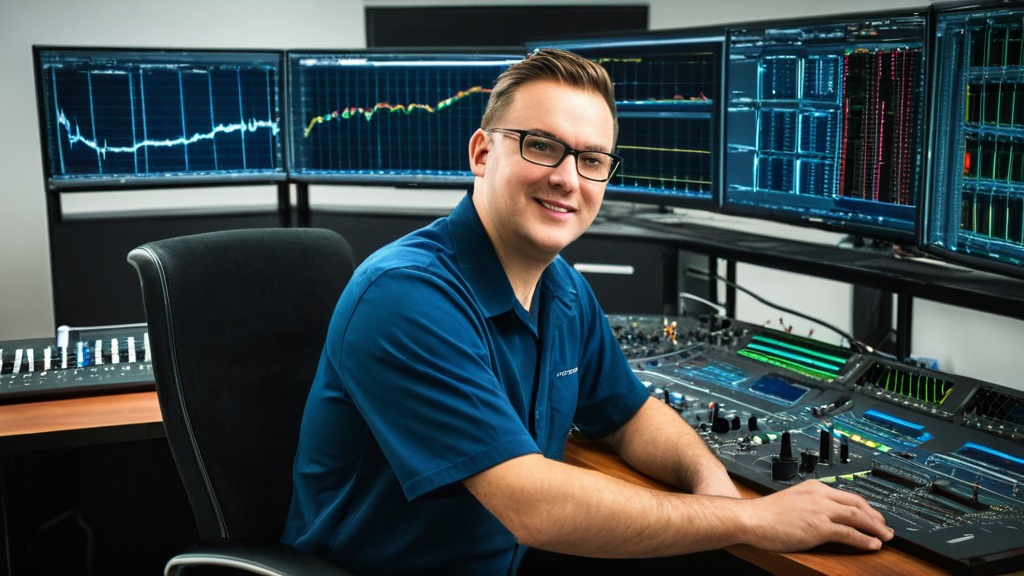
Signal processing has found applications across a multitude of industries, each leveraging its capabilities to enhance performance and efficiency. In telecommunications, for instance, signal processing techniques are employed to improve voice clarity during calls, optimize data transmission rates, and reduce latency in communication networks. The ability to process signals effectively has been instrumental in the development of modern mobile communication systems, including 4G and 5G technologies.
Beyond telecommunications, signal processing plays a crucial role in the entertainment industry. Audio and video compression techniques allow for efficient storage and transmission of multimedia content without compromising quality. Streaming services rely heavily on these techniques to deliver high-definition content to users while minimizing bandwidth usage. Additionally, in the automotive sector, signal processing is integral to advanced driver-assistance systems (ADAS), where it helps interpret data from sensors and cameras to enhance vehicle safety and navigation.
Signal processing engineers play a crucial role in the development of advanced technologies, particularly in the realm of artificial intelligence.
Their expertise in analyzing and manipulating signals is essential for creating systems that can interpret data effectively.
For those interested in understanding how to navigate the challenges and opportunities presented by AI, a related article offers valuable insights on leadership in this evolving landscape. You can read more about it in this informative piece on leading successfully in the age of artificial intelligence.
Advancements in Signal Filtering and Noise Reduction
| Metric | Description | Typical Value / Range | Unit |
|---|---|---|---|
| Sampling Rate | Number of samples per second processed | 8,000 – 192,000 | Hz |
| Signal-to-Noise Ratio (SNR) | Ratio of signal power to noise power | 30 – 120 | dB |
| Filter Order | Complexity of digital filters designed | 1 – 10 | Integer |
| FFT Size | Number of points in Fast Fourier Transform | 256 – 8192 | Points |
| Latency | Delay introduced by processing algorithms | 1 – 50 | Milliseconds |
| Bit Depth | Resolution of digital signal representation | 8 – 32 | Bits |
| Dynamic Range | Range between smallest and largest signal amplitude | 60 – 120 | dB |
| Processing Throughput | Amount of data processed per second | Up to several Gbps | Gigabits per second |
Advancements in signal filtering and noise reduction techniques have significantly improved the quality of processed signals across various applications. Traditional filtering methods often struggled with complex noise environments; however, modern algorithms have been developed to address these challenges effectively. Techniques such as adaptive filtering allow systems to adjust their parameters dynamically based on changing conditions, resulting in enhanced performance even in noisy environments.
Moreover, machine learning algorithms have emerged as powerful tools for noise reduction. By training models on large datasets, these algorithms can learn to distinguish between useful signals and unwanted noise more effectively than traditional methods. This capability has led to breakthroughs in areas such as speech recognition and audio enhancement, where clarity is paramount. As research continues in this area, we can expect even more sophisticated filtering techniques that will further elevate the quality of signal processing across diverse applications.
Machine Learning and Artificial Intelligence in Signal Processing
The integration of machine learning (ML) and artificial intelligence (AI) into signal processing has revolutionized the field by introducing new methodologies for analyzing and interpreting complex data sets. Traditional signal processing techniques often relied on predefined algorithms that could struggle with variability in data; however, ML algorithms can adaptively learn from data patterns, enabling them to make more informed decisions based on real-time inputs.
Applications of ML in signal processing are vast and varied. For instance, in image processing, convolutional neural networks (CNNs) have become standard tools for tasks such as object detection and image classification. In audio processing, recurrent neural networks (RNNs) are employed for tasks like speech recognition and music generation. The ability of these AI-driven models to learn from vast amounts of data allows for unprecedented accuracy and efficiency in signal analysis.
Signal Compression and Data Storage
Signal compression is a critical aspect of signal processing that focuses on reducing the amount of data required to represent a signal without significantly degrading its quality. This is particularly important in an era where data storage costs are high and bandwidth limitations are common. Compression techniques can be broadly categorized into lossless and lossy methods; lossless compression retains all original data while lossy compression sacrifices some fidelity for greater reductions in file size.
The development of advanced compression algorithms has enabled significant improvements in data storage solutions across various industries. For example, video streaming platforms utilize lossy compression techniques such as H.264 or HEVC to deliver high-quality video content while minimizing bandwidth usage. Similarly, audio formats like MP3 employ perceptual coding techniques that exploit human hearing characteristics to achieve efficient compression without noticeable loss in sound quality. As data generation continues to grow exponentially, effective compression methods will remain essential for efficient data management.
Real-time Signal Processing and its Implications
Real-time signal processing refers to the immediate analysis and manipulation of signals as they are received or generated. This capability is crucial in applications where timely responses are necessary, such as in telecommunications or medical monitoring systems. The ability to process signals in real-time allows for immediate feedback and decision-making based on current conditions.
The implications of real-time signal processing are profound across various sectors. In healthcare, real-time monitoring systems can analyze patient vitals continuously, alerting medical personnel to any anomalies that require immediate attention. In telecommunications, real-time processing enables seamless communication experiences by minimizing latency during voice or video calls. As technology continues to advance, the demand for real-time capabilities will only increase, driving further innovation within the field.
Signal Processing for Communication Systems
Signal processing is at the heart of modern communication systems, enabling efficient transmission and reception of information over various media. Techniques such as modulation and demodulation play a crucial role in encoding information onto carrier signals for transmission over long distances. Additionally, error detection and correction algorithms ensure that data integrity is maintained during transmission.
The evolution of communication systems has been significantly influenced by advancements in signal processing techniques. For instance, the transition from analog to digital communication has allowed for higher data rates and improved reliability. Technologies such as Orthogonal Frequency Division Multiplexing (OFDM) leverage advanced signal processing methods to optimize bandwidth usage and enhance performance in wireless communication networks. As communication demands continue to grow with the proliferation of connected devices, effective signal processing will remain essential for meeting these challenges.
Signal Processing for Biomedical Applications
In recent years, signal processing has made significant strides within the biomedical field, enhancing diagnostic capabilities and patient care through advanced analysis techniques. Medical imaging modalities such as MRI or CT scans rely heavily on sophisticated signal processing algorithms to reconstruct images from raw data accurately. These techniques enable healthcare professionals to visualize internal structures with remarkable clarity.
Moreover, wearable health devices utilize signal processing techniques to monitor physiological signals such as heart rate or blood pressure continuously. By analyzing these signals in real-time, healthcare providers can gain valuable insights into patient health trends and intervene when necessary. The integration of AI-driven analytics further enhances these capabilities by enabling predictive modeling based on historical data patterns. As technology continues to evolve, we can expect even greater advancements in biomedical applications driven by innovative signal processing techniques.
Future Trends in Signal Processing Engineering
Looking ahead, several trends are poised to shape the future landscape of signal processing engineering. One notable trend is the increasing integration of AI and machine learning into traditional signal processing workflows. As these technologies continue to mature, we can expect more intelligent systems capable of autonomously analyzing complex signals with minimal human intervention.
Another trend is the growing emphasis on real-time processing capabilities across various applications. With the rise of IoT devices and smart technologies, there will be an increasing demand for systems that can process signals instantaneously while maintaining high accuracy levels. This will drive further research into efficient algorithms capable of handling large volumes of data in real-time environments.
Additionally, advancements in quantum computing may revolutionize signal processing by enabling faster computations for complex algorithms that were previously infeasible with classical computing methods. As we move forward into an increasingly interconnected world driven by data-driven insights, the role of signal processing engineering will undoubtedly expand further into new domains and applications.
In conclusion, signal processing engineering stands at the forefront of technological innovation across multiple industries. Its evolution from analog methods to sophisticated digital techniques has paved the way for transformative applications that enhance our daily lives while driving economic growth globally. As we continue exploring new frontiers within this dynamic field—whether through AI integration or advancements in real-time capabilities—the future looks promising for both engineers working within this domain as well as society at large benefiting from their contributions.
FAQs
What does a signal processing engineer do?
A signal processing engineer designs and develops algorithms and systems to analyze, modify, and interpret signals such as audio, video, sensor data, and communications signals. They work on improving signal quality, extracting useful information, and enabling efficient data transmission.
What skills are required to become a signal processing engineer?
Key skills include strong knowledge of mathematics (especially linear algebra and calculus), proficiency in programming languages like MATLAB, Python, or C++, understanding of digital signal processing (DSP) techniques, and experience with hardware platforms such as FPGAs or DSP processors.
What industries employ signal processing engineers?
Signal processing engineers are employed in various industries including telecommunications, aerospace, defense, healthcare (medical imaging), consumer electronics, automotive (autonomous vehicles), and audio/video technology companies.
What educational background is needed for a career in signal processing engineering?
Typically, a bachelor’s degree in electrical engineering, computer engineering, or a related field is required. Many signal processing engineers also hold a master’s or doctoral degree specializing in signal processing or communications.
What are common tools and software used by signal processing engineers?
Common tools include MATLAB and Simulink for algorithm development and simulation, Python with libraries like NumPy and SciPy, C/C++ for implementation, and hardware description languages (HDLs) such as VHDL or Verilog for FPGA programming.


















Leave a Reply