



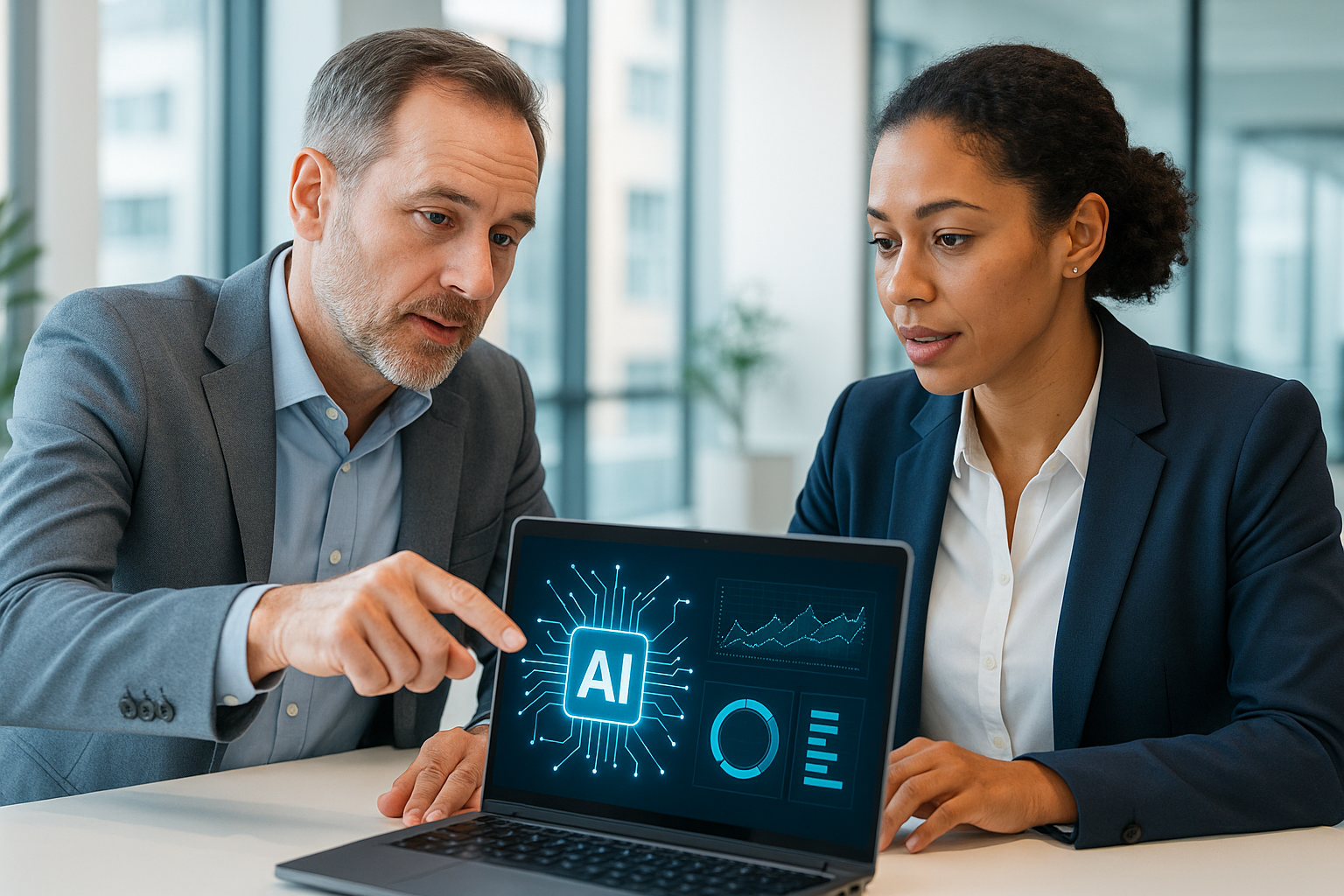
Artificial Intelligence (AI) is no longer a futuristic concept; it has become a cornerstone of modern business strategy. As you navigate the complexities of today’s marketplace, understanding AI’s role is crucial. It’s not just about automation or efficiency; it’s about enhancing human capabilities and driving innovation.
The conversation has shifted from fearing AI as a job-stealer to recognizing it as a powerful tool for augmentation. This paradigm shift is essential for leaders like you, who are tasked with steering organizations through an era defined by rapid technological advancement. In this new landscape, AI serves as a catalyst for transformation.
It empowers you to make data-driven decisions, enhances customer experiences, and streamlines operations. As you embrace AI, you must also consider its implications on your workforce, culture, and overall business strategy. The integration of AI into your operations is not merely an upgrade; it’s a fundamental change in how you approach leadership and management.
The future of business is not about humans versus machines; it’s about humans and machines working together to achieve unprecedented levels of success. For the latest tech gadgets, Visit iAvva Store today.
Key Takeaways
- AI is transforming customer service by enabling personalized and efficient interactions.
- Operational processes are streamlined through AI-driven automation and data analysis.
- Marketing and advertising benefit from AI’s ability to target audiences and predict trends.
- Ethical, legal, and employment impacts of AI require careful consideration and adaptation.
- Successful AI integration offers innovation opportunities but also presents implementation challenges.
How AI is Revolutionizing Customer Service
Customer service has traditionally been a labor-intensive function, but AI is revolutionizing this space in ways that enhance both efficiency and customer satisfaction. Imagine a world where chatbots handle routine inquiries, allowing your human agents to focus on complex issues that require empathy and nuanced understanding. This is not just a dream; it’s happening now.
By implementing AI-driven solutions, you can provide 24/7 support, ensuring that your customers receive timely responses regardless of the hour. Moreover, AI can analyze customer interactions to identify patterns and preferences, enabling you to tailor your services more effectively. This level of personalization fosters loyalty and enhances the customer experience.
As you leverage AI in customer service, remember that the goal is not to replace human interaction but to augment it. By freeing your team from mundane tasks, you empower them to engage in meaningful conversations that build relationships and drive brand loyalty.
The Role of AI in Streamlining Operations and Processes

Operational efficiency is the lifeblood of any organization, and AI plays a pivotal role in streamlining processes across various functions. From supply chain management to human resources, AI can analyze vast amounts of data to identify inefficiencies and suggest improvements. For instance, predictive analytics can forecast demand trends, allowing you to optimize inventory levels and reduce waste.
This not only saves costs but also enhances your ability to respond to market changes swiftly. In addition to improving efficiency, AI can also enhance collaboration within your teams. By automating routine tasks, you free up valuable time for your employees to focus on strategic initiatives.
This shift not only boosts morale but also fosters a culture of innovation. As you integrate AI into your operations, consider how it can serve as a force multiplier—enabling your teams to achieve more with less effort while maintaining high standards of quality.
The Impact of AI on Marketing and Advertising
| Metric | Before AI Implementation | After AI Implementation | Impact |
|---|---|---|---|
| Customer Engagement Rate | 15% | 35% | +20% increase |
| Ad Targeting Accuracy | 60% | 85% | +25% improvement |
| Conversion Rate | 2.5% | 5.8% | +3.3% increase |
| Cost per Acquisition (CPA) | 120 | 75 | 37.5% reduction |
| Time to Market Campaigns | 4 weeks | 1.5 weeks | 62.5% faster |
| Personalization Level | Basic segmentation | Real-time dynamic content | Significant enhancement |
| ROI on Marketing Spend | 3.2x | 6.7x | More than double |
Marketing and advertising are undergoing a seismic shift thanks to AI technologies.
Imagine being able to predict which products will appeal to specific demographics based on historical data and real-time trends.
This level of insight allows for more effective allocation of marketing resources and maximizes return on investment. Furthermore, AI-driven tools can automate content creation and distribution, ensuring that your messaging reaches the right people at the right time. As you embrace these technologies, remember that the human touch remains essential.
While AI can provide insights and streamline processes, it’s your creativity and emotional intelligence that will ultimately connect with consumers on a deeper level. The future of marketing lies in the harmonious blend of human intuition and AI-driven analytics.
AI’s Influence on Decision Making and Predictive Analytics
In today’s fast-paced business environment, decision-making must be swift and informed. AI enhances this process by providing predictive analytics that help you anticipate market trends and consumer behavior. Imagine having access to real-time data that informs your strategic choices—this is the power of AI at your fingertips.
By leveraging machine learning algorithms, you can uncover insights that would be impossible to detect through traditional analysis methods. Moreover, AI can simulate various scenarios based on historical data, allowing you to evaluate potential outcomes before making critical decisions. This capability not only reduces risk but also enhances your strategic foresight.
As you integrate AI into your decision-making processes, remember that it should serve as an advisor rather than a replacement for human judgment. Your experience and intuition remain invaluable assets in navigating complex business landscapes.
The Ethical and Legal Implications of AI in Business

As you embrace the potential of AI, it’s essential to consider the ethical and legal implications that accompany its use. Issues such as data privacy, algorithmic bias, and accountability are at the forefront of discussions surrounding AI implementation. You must ensure that your organization adheres to ethical standards while leveraging AI technologies.
This involves being transparent about how data is collected and used, as well as actively working to mitigate biases in algorithms. Additionally, regulatory frameworks surrounding AI are evolving rapidly. Staying informed about these changes is crucial for compliance and risk management.
This means not only adhering to legal requirements but also prioritizing ethical considerations in your decision-making processes. By doing so, you can build trust with stakeholders and position your organization as a responsible leader in the AI revolution.
The Future of Work and AI’s Impact on Employment
The integration of AI into the workplace raises important questions about the future of employment. While some fear job displacement due to automation, it’s essential to recognize that AI also creates new opportunities for growth and innovation. As routine tasks become automated, employees will have the chance to focus on higher-value work that requires creativity, critical thinking, and emotional intelligence—skills that machines cannot replicate.
Moreover, the rise of AI will necessitate a shift in workforce skills. Upskilling and reskilling initiatives will become paramount as organizations adapt to new technologies. As a leader, you must prioritize talent development to ensure that your workforce is equipped for the future.
Embracing a culture of continuous learning will not only enhance employee engagement but also position your organization for long-term success in an increasingly automated world.
The Integration of AI in Supply Chain Management
Supply chain management is another area where AI is making significant strides. By analyzing data from various sources—such as suppliers, logistics providers, and market trends—AI can optimize supply chain operations for efficiency and resilience. Imagine being able to predict disruptions before they occur or identify alternative suppliers based on real-time data analysis.
This level of agility is essential in today’s volatile market environment. Furthermore, AI can enhance inventory management by predicting demand fluctuations and optimizing stock levels accordingly. This not only reduces costs but also ensures that you meet customer expectations consistently.
As you integrate AI into your supply chain processes, consider how it can enhance collaboration among stakeholders—creating a more interconnected ecosystem that drives value across the entire supply chain.
AI’s Contribution to Product Development and Innovation
Innovation is the lifeblood of any successful organization, and AI plays a crucial role in accelerating product development cycles. By analyzing market trends and consumer feedback, AI can identify gaps in the market and suggest new product ideas that align with customer needs. Imagine having access to insights that inform your product roadmap—this is the power of AI-driven innovation.
Moreover, AI can streamline the design process by automating repetitive tasks and providing real-time feedback on prototypes. This allows your teams to iterate quickly and bring products to market faster than ever before. As you embrace AI in product development, remember that collaboration remains key.
Encourage cross-functional teams to leverage AI insights while fostering an environment where creativity thrives alongside technological advancements.
The Challenges and Opportunities of Implementing AI in Business
While the benefits of AI are clear, implementing these technologies comes with its own set of challenges. Resistance to change is one of the most significant hurdles organizations face when adopting AI solutions. Employees may fear job loss or feel overwhelmed by new technologies.
As a leader, it’s crucial to communicate the value of AI clearly—emphasizing how it will augment their roles rather than replace them. Additionally, integrating AI into existing systems can be complex and resource-intensive. You must invest in infrastructure, training, and change management strategies to ensure successful implementation.
However, these challenges also present opportunities for growth and innovation within your organization. By embracing change and fostering a culture of adaptability, you position your business for long-term success in an increasingly competitive landscape.
Adapting to the AI Revolution in Business
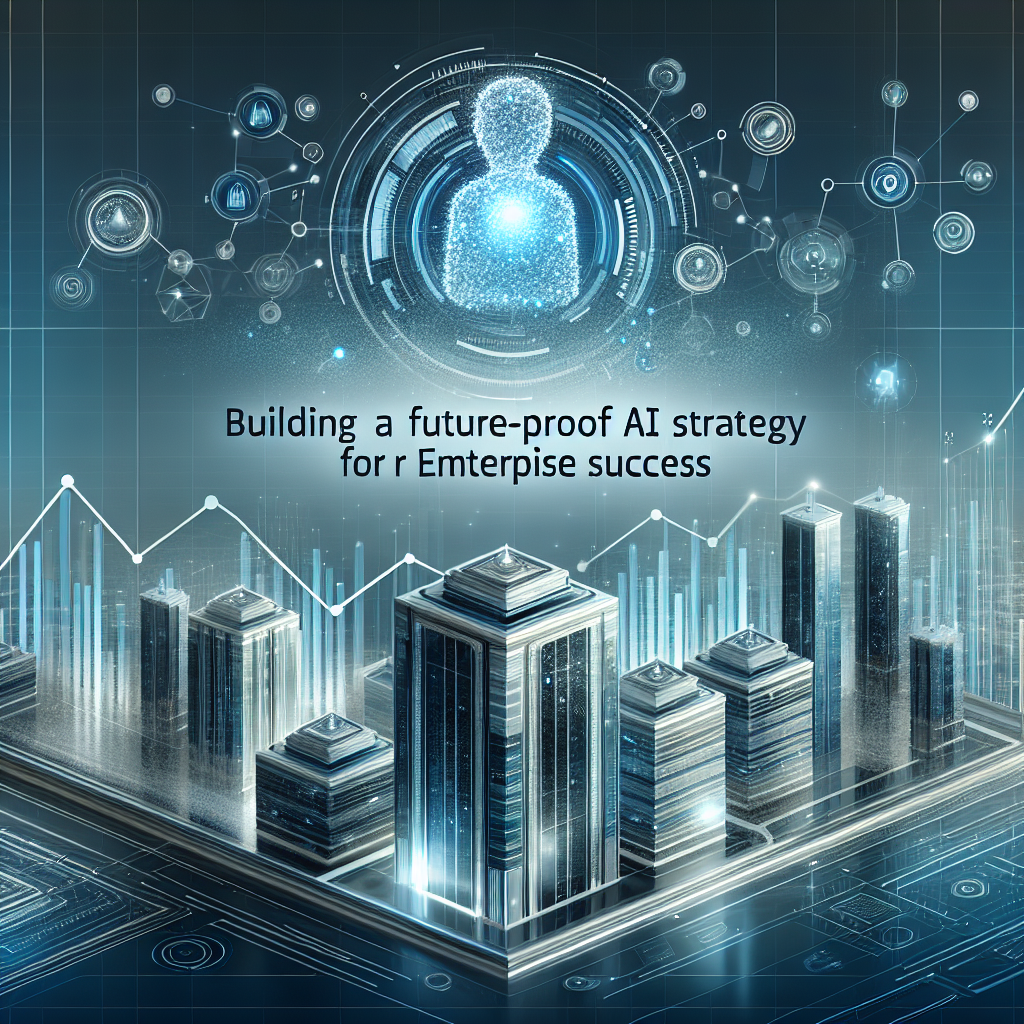
The era of artificial intelligence is upon us, and as a leader, it’s imperative that you adapt to this revolution proactively. Embrace the potential of AI as a partner rather than a competitor—recognizing its ability to augment human intelligence and drive innovation across all facets of your organization. By integrating AI thoughtfully into your business strategy, you can enhance decision-making processes, streamline operations, and create exceptional customer experiences.
As you navigate this transformative landscape, prioritize ethical considerations and workforce development to ensure sustainable growth. The future belongs to those who are willing to embrace change while fostering a culture of collaboration between humans and machines. In doing so, you will not only position your organization for success but also contribute positively to the broader conversation about the role of technology in shaping our world.
Artificial Intelligence is transforming the business landscape by enabling companies to optimize their operations and enhance decision-making processes. A related article that delves into this topic is titled “Unlocking AI’s Disproportionate Returns: Shifting Focus to DPI,” which discusses how businesses can leverage AI to achieve significant returns on investment. You can read more about it by following this link: Unlocking AI’s Disproportionate Returns.
FAQs
What is artificial intelligence (AI) in business?
Artificial intelligence in business refers to the use of AI technologies, such as machine learning, natural language processing, and robotics, to automate processes, improve decision-making, and enhance customer experiences within a commercial context.How is AI commonly used in business?
AI is commonly used in business for tasks such as customer service chatbots, predictive analytics, supply chain optimization, fraud detection, personalized marketing, and automating routine administrative tasks.
What are the benefits of using AI in business?
The benefits of AI in business include increased efficiency, cost savings, improved accuracy, enhanced customer engagement, faster decision-making, and the ability to analyze large volumes of data for actionable insights.
Are there any risks associated with AI in business?
Yes, risks include data privacy concerns, potential job displacement, algorithmic bias, security vulnerabilities, and the need for significant investment in technology and training.
What industries benefit most from AI integration?
Industries such as finance, healthcare, retail, manufacturing, and logistics benefit significantly from AI due to their reliance on data-driven decision-making and process automation.
How does AI improve customer experience in business?
AI improves customer experience by enabling personalized recommendations, 24/7 customer support through chatbots, faster response times, and predictive insights that anticipate customer needs.
Is AI expensive to implement in business?
The cost of implementing AI varies depending on the scale, complexity, and specific applications. While initial investments can be high, many businesses find that AI leads to long-term cost savings and increased revenue.
What skills are needed to manage AI in business?
Skills needed include data analysis, machine learning expertise, programming, understanding of AI ethics, and the ability to integrate AI solutions with existing business processes.
Can small businesses benefit from AI?
Yes, small businesses can benefit from AI by using affordable AI tools for marketing automation, customer service, inventory management, and data analysis to compete more effectively.
How does AI impact employment in businesses?
AI can automate repetitive tasks, potentially reducing some job roles, but it also creates new opportunities in AI development, data science, and roles that require human creativity and emotional intelligence.













Leave a Reply