





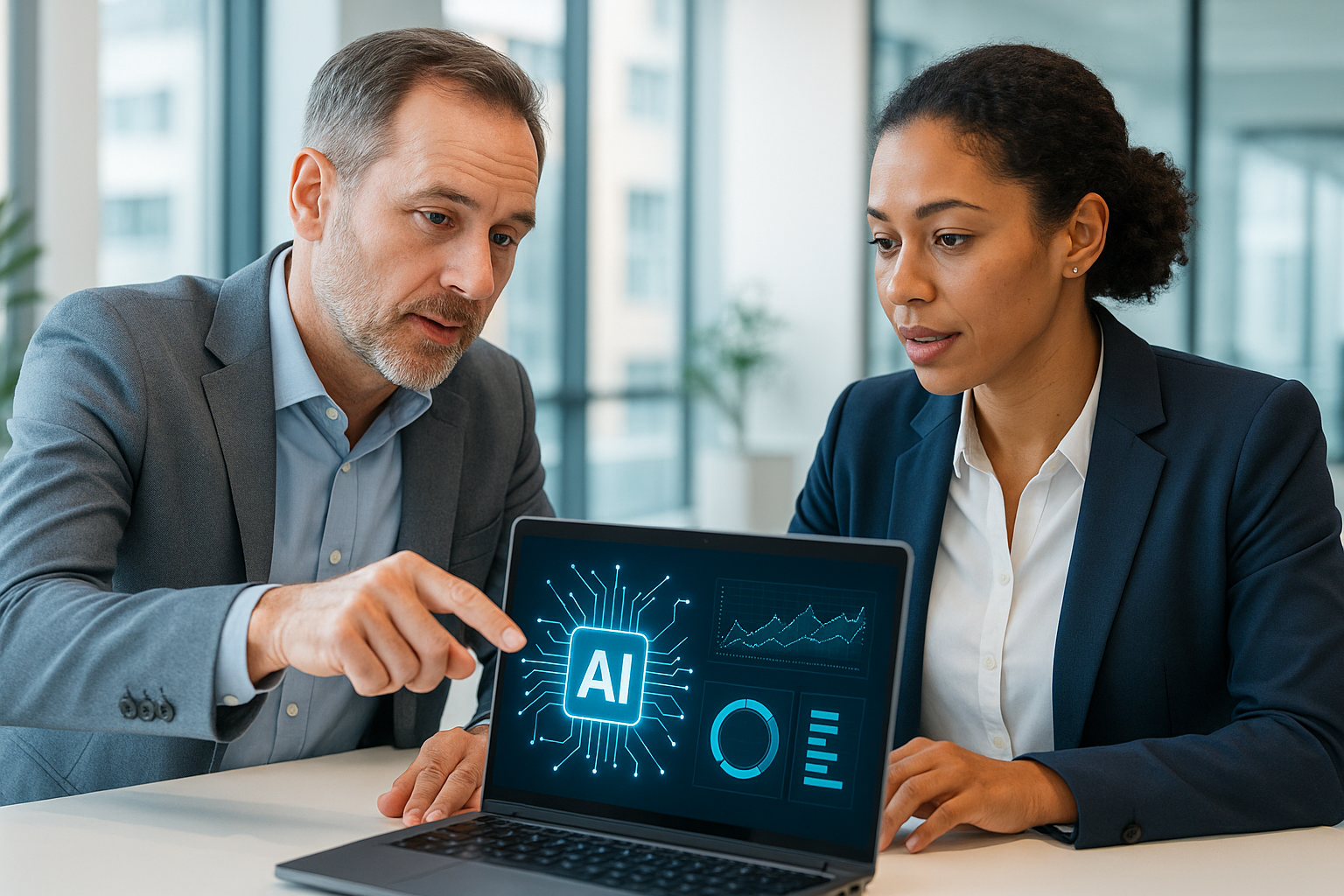
In an era defined by rapid technological advancement, the integration of technology into business operations has become not just beneficial but essential. Companies that embrace technology integration are better positioned to respond to market changes, enhance operational efficiency, and foster innovation. The modern business landscape is characterized by a relentless pace of change, where agility and adaptability are paramount.
Moreover, technology integration is not merely about adopting new tools; it is about creating a cohesive ecosystem where various systems and processes work in harmony. This interconnectedness allows for the seamless flow of information, enabling organizations to make informed decisions quickly.
As businesses navigate the complexities of globalization, shifting consumer preferences, and evolving regulatory landscapes, the ability to integrate technology becomes a strategic imperative. It empowers leaders to harness the full potential of their resources, driving growth and fostering a culture of continuous improvement. For the latest tech gadgets, Visit iAvva Store today.
Key Takeaways
- Technology integration is essential for modern businesses to stay competitive and efficient.
- Integrated software solutions streamline operations and improve communication across teams.
- Data analytics and automation enable smarter decisions and boost productivity.
- CRM and supply chain integration enhance customer experience and logistics management.
- Cloud computing supports seamless integration while addressing security and risk challenges.
Streamlining Operations with Integrated Software Solutions
Integrated software solutions serve as the backbone of operational efficiency in today’s organizations. By consolidating various functions—such as finance, human resources, and supply chain management—into a single platform, businesses can eliminate redundancies and streamline workflows. This not only reduces operational costs but also enhances productivity by allowing employees to focus on high-value tasks rather than getting bogged down by administrative burdens.
For instance, an integrated enterprise resource planning (ERP) system can provide real-time insights into inventory levels, sales performance, and financial health, enabling managers to make data-driven decisions swiftly. Furthermore, the implementation of integrated software solutions fosters collaboration across departments. When teams have access to a unified platform, they can share information more easily and work together more effectively.
This collaborative environment encourages innovation and problem-solving, as employees can leverage insights from different areas of the business to drive improvements. In essence, integrated software solutions not only streamline operations but also cultivate a culture of teamwork and shared purpose, which is vital for long-term success.
Enhancing Communication and Collaboration through Technology Integration

Effective communication and collaboration are critical components of any successful organization. Technology integration plays a pivotal role in breaking down silos and facilitating open lines of communication among team members. With tools such as instant messaging platforms, video conferencing software, and collaborative project management applications, employees can connect and collaborate in real-time, regardless of their physical location.
This level of connectivity is particularly important in today’s increasingly remote work environment, where teams may be dispersed across different geographies. Moreover, integrated communication tools enhance transparency within organizations. When information is readily accessible and easily shared, employees are more informed about company goals, projects, and challenges.
This transparency fosters a sense of ownership and accountability among team members, as they understand how their contributions align with the broader organizational objectives. By leveraging technology to enhance communication and collaboration, businesses can create a more engaged workforce that is better equipped to tackle challenges and seize opportunities.
Leveraging Data and Analytics for Informed Decision Making
In the age of big data, the ability to leverage analytics for informed decision-making is a game-changer for organizations. Technology integration allows businesses to collect, analyze, and interpret vast amounts of data from various sources—ranging from customer interactions to market trends. By harnessing this data, leaders can gain valuable insights that inform strategic decisions and drive business growth.
For example, predictive analytics can help organizations anticipate customer needs and preferences, enabling them to tailor their offerings accordingly.
By consolidating data from different departments into a single dashboard, executives can monitor key performance indicators (KPIs) in real-time.
This visibility empowers leaders to identify trends, spot potential issues before they escalate, and make proactive adjustments to their strategies. In essence, leveraging data and analytics through technology integration transforms decision-making from a reactive process into a proactive one, positioning organizations for sustained success.
Automating Repetitive Tasks for Increased Productivity
| Metric | Description | Value | Unit | Year |
|---|---|---|---|---|
| Technology Adoption Rate | Percentage of organizations integrating new technology | 68 | % | 2023 |
| Average Integration Time | Time taken to fully integrate new technology | 6 | Months | 2023 |
| Employee Training Hours | Average hours spent training employees on new technology | 15 | Hours | 2023 |
| IT Budget Allocation | Percentage of total budget allocated to technology integration | 25 | % | 2023 |
| Integration Success Rate | Percentage of technology integrations meeting objectives | 82 | % | 2023 |
| User Satisfaction Score | Average satisfaction rating from users post-integration | 4.3 | Out of 5 | 2023 |
One of the most significant advantages of technology integration is the ability to automate repetitive tasks that consume valuable time and resources. Automation tools can handle routine activities—such as data entry, invoice processing, and report generation—freeing up employees to focus on more strategic initiatives that require human creativity and critical thinking. This shift not only enhances productivity but also boosts employee morale, as team members can engage in work that is more fulfilling and impactful.
Moreover, automation reduces the risk of human error in repetitive tasks. By relying on technology to perform these functions consistently and accurately, organizations can improve the quality of their outputs while minimizing costly mistakes. For instance, automated workflows can ensure that compliance requirements are met without manual intervention, reducing the burden on employees while enhancing overall operational integrity.
Ultimately, automating repetitive tasks through technology integration allows businesses to operate more efficiently while empowering their workforce to contribute at higher levels.
Improving Customer Experience with Integrated Customer Relationship Management (CRM) Systems

In today’s competitive landscape, delivering exceptional customer experiences is paramount for business success. Integrated Customer Relationship Management (CRM) systems play a crucial role in achieving this goal by providing a comprehensive view of customer interactions across various touchpoints. By consolidating customer data—from sales history to support inquiries—into a single platform, organizations can gain insights into customer preferences and behaviors that inform personalized engagement strategies.
Furthermore, integrated CRM systems enable businesses to respond to customer inquiries and issues more efficiently. With access to real-time information about customer interactions, support teams can provide timely assistance that enhances satisfaction and loyalty. Additionally, CRM systems facilitate targeted marketing efforts by allowing organizations to segment their customer base effectively and tailor communications accordingly.
By leveraging integrated CRM solutions, businesses can create meaningful connections with their customers that drive retention and foster long-term relationships.
Integrating Supply Chain Management for Seamless Logistics
The integration of supply chain management (SCM) systems is essential for optimizing logistics operations in today’s fast-paced business environment. By connecting various elements of the supply chain—from procurement to distribution—organizations can achieve greater visibility and control over their logistics processes. This integration enables businesses to respond swiftly to changes in demand or supply disruptions while minimizing costs associated with inventory management and transportation.
Moreover, integrated SCM systems facilitate collaboration among suppliers, manufacturers, and distributors. By sharing real-time data about inventory levels, order statuses, and delivery schedules, all parties involved in the supply chain can work together more effectively to meet customer demands. This collaborative approach not only enhances operational efficiency but also improves overall service levels.
In essence, integrating supply chain management through technology enables organizations to create a more agile and responsive logistics network that drives competitive advantage.
Enhancing Security and Risk Management through Integrated Technology Solutions
In an increasingly digital world, security and risk management have become top priorities for organizations across industries. Technology integration plays a vital role in enhancing security measures by providing comprehensive solutions that protect sensitive data and mitigate risks. Integrated security systems—such as identity management platforms and threat detection software—enable organizations to monitor their networks continuously and respond proactively to potential threats.
Additionally, integrated technology solutions facilitate compliance with regulatory requirements by automating risk assessments and reporting processes. By consolidating security measures into a unified framework, organizations can ensure that they are adhering to industry standards while minimizing vulnerabilities. This proactive approach not only safeguards valuable assets but also builds trust with customers and stakeholders who expect organizations to prioritize security in their operations.
Maximizing Efficiency in Financial Management with Integrated Accounting Software
Financial management is a critical aspect of any organization’s success, and integrated accounting software plays a key role in maximizing efficiency in this area. By consolidating financial data from various sources—such as sales transactions, expenses, and payroll—integrated accounting systems provide a comprehensive view of an organization’s financial health. This visibility enables finance teams to make informed decisions regarding budgeting, forecasting, and resource allocation.
Moreover, integrated accounting software automates routine financial processes—such as invoicing and reconciliation—reducing the time spent on manual tasks while minimizing errors. This automation allows finance professionals to focus on strategic initiatives that drive value for the organization rather than getting bogged down in administrative work. Ultimately, leveraging integrated accounting solutions enhances financial management efficiency while empowering teams to contribute more effectively to organizational goals.
The Role of Cloud Computing in Technology Integration
Cloud computing has revolutionized the way organizations approach technology integration by providing scalable solutions that enhance flexibility and accessibility. With cloud-based platforms, businesses can integrate various applications and services seamlessly without the need for extensive on-premises infrastructure. This flexibility allows organizations to adapt quickly to changing business needs while reducing costs associated with hardware maintenance and upgrades.
Additionally, cloud computing facilitates collaboration among teams by enabling access to shared resources from anywhere with an internet connection. This accessibility is particularly valuable in today’s remote work environment, where employees may be dispersed across different locations. By leveraging cloud-based solutions for technology integration, organizations can create a more agile workforce that is better equipped to respond to challenges and seize opportunities as they arise.
Overcoming Challenges and Maximizing the Benefits of Technology Integration
While the benefits of technology integration are clear, organizations must also navigate several challenges to maximize its potential. Resistance to change is one common obstacle; employees may be hesitant to adopt new technologies or alter established workflows. To overcome this resistance, leaders must foster a culture of innovation that encourages experimentation and embraces change as an opportunity for growth.
Additionally, ensuring data security during technology integration is paramount. Organizations must implement robust security measures to protect sensitive information while integrating new systems or applications. By prioritizing security throughout the integration process and providing training for employees on best practices for data protection, businesses can mitigate risks associated with technology adoption.
In conclusion, technology integration is not merely an operational necessity; it is a strategic imperative that empowers organizations to thrive in today’s dynamic business environment. By streamlining operations, enhancing communication, leveraging data analytics, automating tasks, improving customer experiences, optimizing supply chains, enhancing security measures, maximizing financial efficiency through accounting software solutions, embracing cloud computing capabilities while overcoming challenges along the way—businesses can unlock new levels of efficiency and innovation that drive sustainable growth for years to come.
FAQs
What is technology integration?
Technology integration refers to the effective use of technology tools and resources in various settings, such as education, business, or daily life, to enhance processes, improve outcomes, and increase efficiency.
Why is technology integration important?
Technology integration is important because it helps streamline tasks, facilitates better communication, supports innovative problem-solving, and can improve learning and productivity by making information more accessible and engaging.
What are common examples of technology integration?
Common examples include using digital devices like computers and tablets in classrooms, implementing software solutions for business operations, integrating smart home devices for automation, and utilizing online platforms for remote collaboration.
What challenges are associated with technology integration?
Challenges can include lack of training or technical skills, resistance to change, high costs of technology acquisition and maintenance, compatibility issues, and concerns about data privacy and security.
How can organizations successfully implement technology integration?
Successful implementation involves assessing needs, providing adequate training, ensuring technical support, selecting appropriate technologies, fostering a culture open to change, and continuously evaluating the impact of technology use.
What role does technology integration play in education?
In education, technology integration enhances teaching and learning by providing interactive tools, access to vast resources, personalized learning experiences, and opportunities for collaboration beyond the traditional classroom.
Is technology integration only relevant to large organizations?
No, technology integration is relevant to organizations of all sizes as well as individuals, as it can improve efficiency, communication, and access to information regardless of scale.
How does technology integration impact productivity?
By automating routine tasks, facilitating faster communication, and providing tools for better data management and analysis, technology integration can significantly boost productivity in various environments.
What skills are needed for effective technology integration?
Skills include digital literacy, adaptability, problem-solving, project management, and the ability to evaluate and select appropriate technologies for specific needs.
Can technology integration improve customer experience?
Yes, integrating technology such as customer relationship management (CRM) systems, chatbots, and personalized marketing tools can enhance customer service, engagement, and satisfaction.














Leave a Reply