






Artificial intelligence (AI) has emerged as a significant technological advancement that is reshaping business operations across industries. Organizations are implementing AI systems to automate repetitive and routine tasks, which reduces manual workload and allows employees to allocate time to higher-level strategic activities. This reallocation of human resources typically results in increased operational efficiency and creates opportunities for innovation within companies.
AI systems excel at processing and analyzing large datasets at speeds that exceed human capabilities. These systems can identify patterns, trends, and correlations within data that may not be immediately apparent through traditional analysis methods. This analytical capacity enables organizations to access data-driven insights that inform business decisions and strategic planning processes.
The implementation of AI technologies provides companies with enhanced data processing capabilities that support real-time decision-making. Organizations that adopt AI tools can respond more quickly to market changes, customer demands, and operational challenges. This increased responsiveness and data-driven approach to business operations has become increasingly important in competitive markets where rapid adaptation is necessary for maintaining market position.
For the latest tech gadgets, Visit iAvva Store today.
Key Takeaways
- AI enhances business efficiency, customer engagement, and decision-making through advanced analytics.
- Successful AI adoption requires overcoming implementation challenges and building robust data infrastructure.
- Employee training and upskilling are critical for seamless AI integration and maximizing its benefits.
- Ethical AI use and strong collaboration with vendors ensure responsible and effective AI deployment.
- Measuring ROI and creating a clear AI adoption roadmap drive sustained business value and growth.
Overcoming the Challenges of AI Implementation
While the benefits of AI are compelling, the path to successful implementation is fraught with challenges.
Employees may fear that AI will replace their jobs or disrupt established workflows.
To overcome this, it’s crucial to foster a culture of collaboration between humans and machines. Emphasize that AI is a tool designed to augment human capabilities, not replace them. Another challenge lies in the integration of AI into existing systems.
Many organizations struggle with legacy systems that are not compatible with modern AI solutions. To address this, you must conduct a thorough assessment of your current infrastructure and identify areas that require upgrades or replacements. This proactive approach will ensure a smoother transition and maximize the benefits of AI integration.
Identifying the Right AI Solutions for Your Business

Choosing the right AI solutions for your organization is critical to achieving your strategic objectives. Start by assessing your specific needs and pain points. Are you looking to enhance customer service, streamline operations, or gain insights from data?
By clearly defining your goals, you can narrow down the myriad of AI options available in the market. Once you have identified your needs, evaluate potential solutions based on their scalability, ease of integration, and user-friendliness. Collaborate with your IT team to ensure that any chosen solution aligns with your existing technology stack.
Additionally, consider engaging with industry experts or consultants who can provide valuable insights into the latest trends and best practices in AI implementation.
Building a Strong Data Infrastructure for AI
A robust data infrastructure is the backbone of any successful AI initiative. Without high-quality data, even the most advanced AI algorithms will falter. Begin by conducting an audit of your current data sources and quality.
Identify gaps in data collection and establish protocols for ensuring data accuracy and consistency. Investing in data management tools and platforms can streamline this process. These tools will help you aggregate data from various sources, making it easier for AI systems to access and analyze information.
Furthermore, prioritize data security and compliance to protect sensitive information and maintain customer trust. A strong data foundation will empower your AI initiatives and enhance their effectiveness.
Training and Upskilling Employees for AI Integration
| Metric | Value | Unit | Year | Notes |
|---|---|---|---|---|
| Percentage of Companies Using AI | 35 | % | 2023 | Global average across industries |
| AI Adoption Growth Rate | 25 | % | 2022-2023 | Year-over-year increase in AI adoption |
| Top Industry for AI Adoption | Technology | Sector | 2023 | Highest AI integration rate |
| Average AI Investment per Company | 1.2 | Million | 2023 | Investment in AI technologies |
| Percentage of AI Projects Successfully Deployed | 60 | % | 2023 | Projects reaching production stage |
| AI Adoption in Small Businesses | 18 | % | 2023 | Small enterprises using AI tools |
| AI Adoption in Large Enterprises | 55 | % | 2023 | Large companies using AI |
| Most Common AI Application | Customer Service Chatbots | Use Case | 2023 | Widely adopted AI solution |
As you embark on your AI journey, it’s essential to prioritize training and upskilling your workforce. Many employees may feel intimidated by new technologies, leading to resistance or disengagement. To combat this, create a comprehensive training program that educates employees about AI’s capabilities and benefits.
Encourage a mindset of continuous learning by offering workshops, online courses, and hands-on experiences with AI tools. This investment in employee development not only enhances their skills but also fosters a culture of innovation within your organization. When employees feel empowered to embrace new technologies, they become more engaged and motivated to contribute to your company’s success.
Leveraging AI for Customer Service and Engagement

AI has revolutionized customer service by enabling organizations to provide personalized experiences at scale. Chatbots and virtual assistants can handle routine inquiries, freeing up human agents to focus on more complex issues. This not only improves efficiency but also enhances customer satisfaction by providing quick responses.
Moreover, AI can analyze customer interactions to identify trends and preferences. By leveraging this data, you can tailor your marketing strategies and product offerings to meet customer needs more effectively. The result is a more engaged customer base that feels valued and understood, ultimately driving loyalty and revenue growth.
Using AI for Predictive Analytics and Decision Making
Predictive analytics powered by AI can transform how you approach decision-making within your organization. By analyzing historical data and identifying patterns, AI can forecast future trends and outcomes with remarkable accuracy. This capability allows you to make proactive decisions rather than reactive ones.
For instance, in supply chain management, AI can predict demand fluctuations, enabling you to optimize inventory levels and reduce costs. In marketing, predictive analytics can help you identify potential leads and tailor campaigns accordingly. By integrating these insights into your strategic planning processes, you position your organization for long-term success.
Ensuring Ethical and Responsible AI Use in Business
As you embrace AI technologies, it’s imperative to prioritize ethical considerations in their deployment. The potential for bias in AI algorithms poses significant risks that can undermine trust in your organization. To mitigate this risk, establish clear guidelines for ethical AI use that prioritize fairness, transparency, and accountability.
Engage diverse teams in the development and implementation of AI solutions to ensure a broad range of perspectives are considered. Regularly audit your algorithms for bias and take corrective action when necessary. By demonstrating a commitment to ethical practices, you not only protect your organization’s reputation but also contribute to a more equitable business landscape.
Collaborating with AI Vendors and Partners
Building strong partnerships with AI vendors is crucial for successful implementation. When selecting vendors, look for those with a proven track record in your industry and a deep understanding of your specific needs. Collaborate closely with these partners throughout the implementation process to ensure alignment with your strategic objectives.
Additionally, consider joining industry consortia or networks focused on AI innovation. These collaborations can provide valuable insights into emerging trends and best practices while fostering relationships with other organizations facing similar challenges. By leveraging external expertise, you can accelerate your AI journey and enhance its impact on your business.
Measuring the ROI of AI Implementation
To justify your investment in AI technologies, it’s essential to establish clear metrics for measuring return on investment (ROI). Begin by defining specific goals related to productivity gains, cost savings, or revenue growth that you expect from your AI initiatives. These benchmarks will serve as a foundation for evaluating success.
Regularly assess performance against these metrics to gauge the effectiveness of your AI solutions. Use this data to refine your strategies and make informed decisions about future investments in technology. By demonstrating tangible ROI from your AI initiatives, you can secure buy-in from stakeholders and reinforce the value of innovation within your organization.
Creating a Roadmap for Successful AI Adoption in Business
A well-defined roadmap is critical for navigating the complexities of AI adoption within your organization. Start by outlining your strategic objectives and identifying key milestones along the way. This roadmap should encompass all aspects of implementation, from technology selection to employee training.
Engage cross-functional teams in this process to ensure alignment across departments and foster collaboration throughout the organization. Regularly review and update the roadmap as needed based on feedback and changing market conditions. By maintaining a clear vision for your AI journey, you position your organization for success in an increasingly competitive landscape.
In conclusion, as you embark on the journey into the Augmentation Era where human intelligence meets artificial intelligence, remember that this partnership is not just about technology; it’s about transforming how we work together for greater impact. Embrace the opportunities that lie ahead while remaining vigilant about the challenges that come with them. The future of leadership is not just human or machine; it’s a harmonious blend of both working towards shared goals.
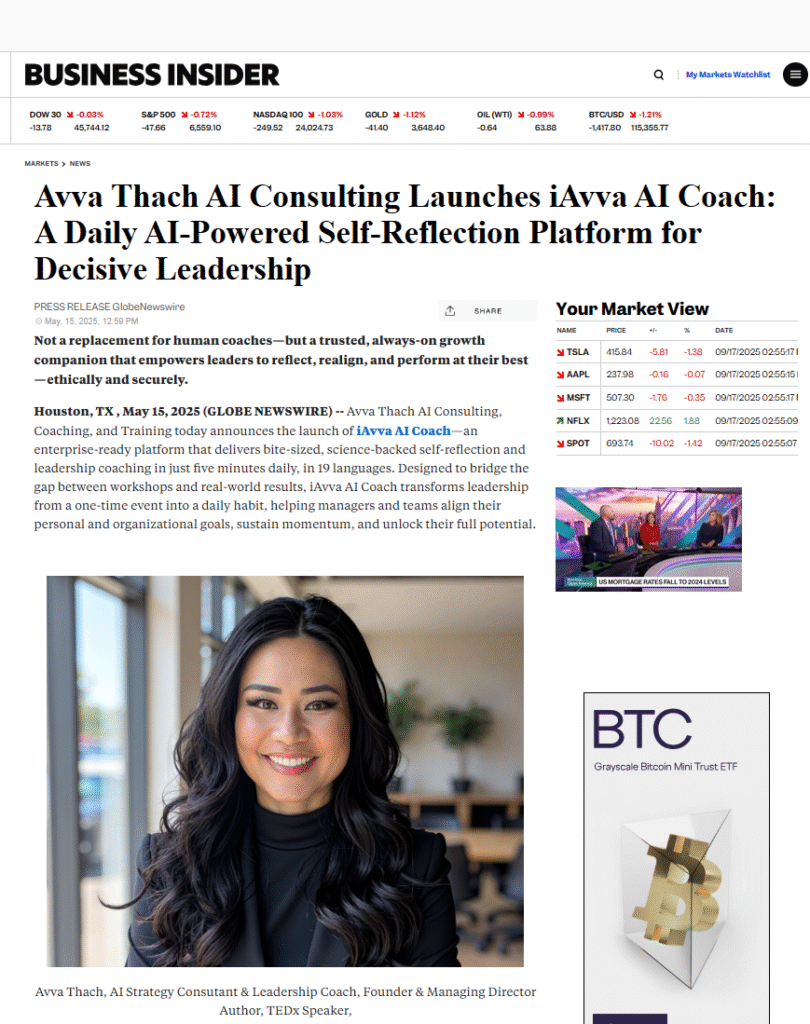
As businesses increasingly recognize the potential of artificial intelligence, understanding how to effectively implement these technologies becomes crucial. A valuable resource on this topic is the article titled “Leveraging AI for Business: A Practical Guide to Implementation,” which provides insights and strategies for organizations looking to adopt AI solutions. You can read the article [here](https://iavva.ai/2025/09/01/leveraging-ai-for-business-a-practical-guide-to-implementation/).
FAQs
What is AI adoption?
AI adoption refers to the process by which organizations or individuals integrate artificial intelligence technologies into their operations, products, or services to improve efficiency, decision-making, and innovation.
Why is AI adoption important for businesses?
AI adoption is important because it enables businesses to automate routine tasks, gain insights from large data sets, enhance customer experiences, and stay competitive in rapidly evolving markets.
What are common challenges faced during AI adoption?
Common challenges include data quality and availability issues, lack of skilled personnel, high implementation costs, integration with existing systems, and concerns about data privacy and ethical use.
Which industries are leading in AI adoption?
Industries such as technology, finance, healthcare, retail, and manufacturing are among the leaders in AI adoption due to their reliance on data-driven decision-making and automation.
How can organizations prepare for successful AI adoption?
Organizations can prepare by investing in employee training, establishing clear AI strategies, ensuring data governance, selecting appropriate AI tools, and fostering a culture open to innovation and change.
What types of AI technologies are commonly adopted?
Commonly adopted AI technologies include machine learning, natural language processing, computer vision, robotic process automation, and predictive analytics.
Is AI adoption suitable for small businesses?
Yes, AI adoption can benefit small businesses by improving operational efficiency and customer engagement, though they may need scalable and cost-effective AI solutions tailored to their size and resources.
How does AI adoption impact the workforce?
AI adoption can lead to job transformation by automating repetitive tasks, creating new roles focused on AI management, and requiring upskilling or reskilling of employees.
What role does data play in AI adoption?
Data is critical for AI adoption as AI systems rely on large volumes of high-quality data to learn, make predictions, and provide accurate insights.
Are there ethical considerations in AI adoption?
Yes, ethical considerations include ensuring transparency, avoiding bias, protecting user privacy, and maintaining accountability in AI decision-making processes.
















Leave a Reply