





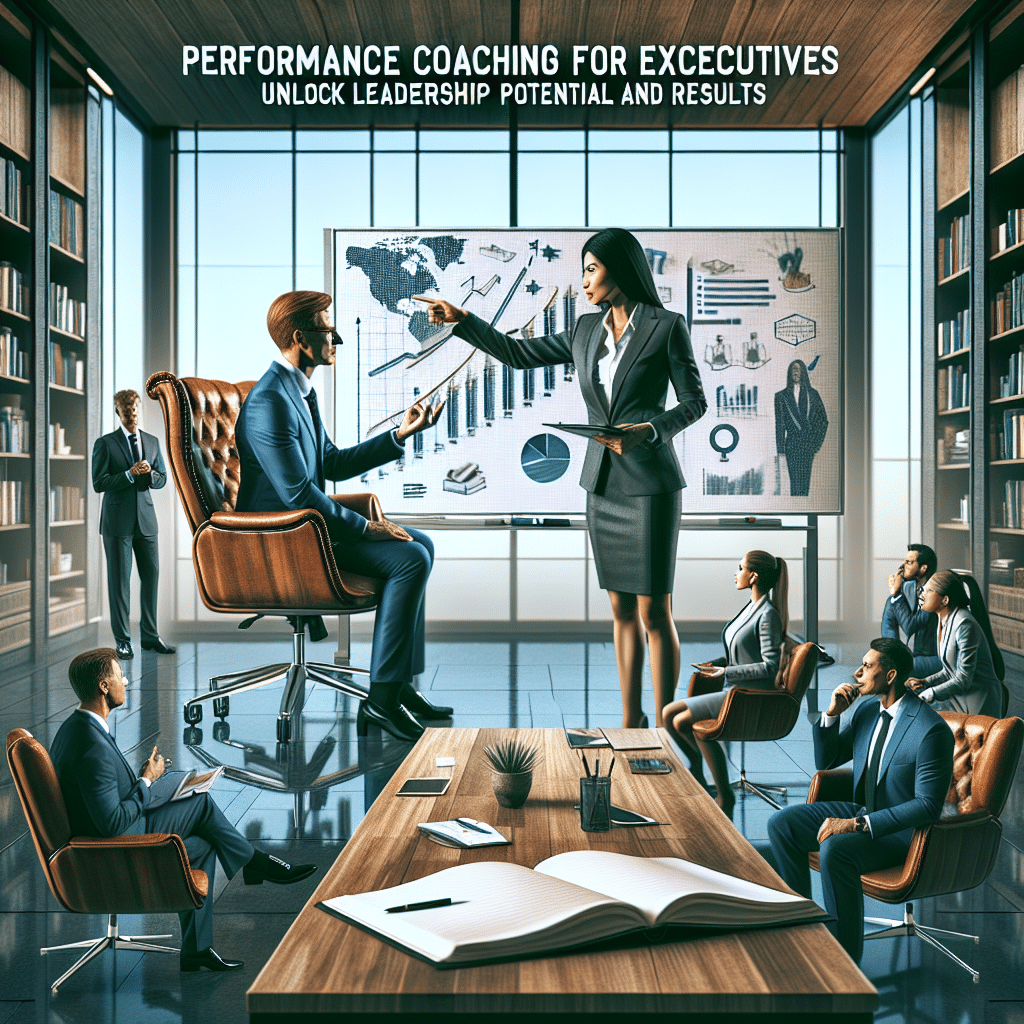
Performance Coaching for Executives: Unlock Leadership Potential and Results
Understanding the Role of Performance Coaching in Executive Development
Picture this: a seasoned executive at a mid-sized tech company finds themselves stuck in a leadership rut, struggling to motivate their team amidst the chaos of digital transformation. They’ve got the experience, but the tools to adapt? Not so much. Enter performance coaching for executives—a game-changer that can turn stagnation into innovation.
Performance coaching isn’t just about polishing existing skills; it’s about reshaping mindsets and fostering adaptability in leaders who are often set in their ways. With 68% of leaders acknowledging that integrating AI strategies with leadership coaching enhances their effectiveness, it’s clear this isn’t just a trend—it’s a necessity.
The Transformation Catalyst
Consider performance coaching as your executive’s secret weapon. It acts as a catalyst for transformation, helping leaders not only to identify their strengths but also to confront blind spots that may be holding them back. For instance, let’s say our tech executive realizes through coaching that their communication style is too top-down, stifling creativity among team members. A coach can guide them through strategies to foster open dialogue and collaborative problem-solving.
This process doesn’t just benefit individual leaders; it ripples through the organization. When executives embrace new ways of thinking and working, it sets off a chain reaction that can lead to increased employee engagement and innovation. It’s like planting seeds—nurturing one leader can cultivate a garden of growth throughout the entire company.
Real-World Impact: A Case Study
Take a look at Acme Corp., which was struggling with high turnover rates and low morale among its staff. After implementing performance coaching for its executive team, they saw remarkable changes within six months. Executives learned how to actively listen and engage with their teams more effectively, resulting in a 30% increase in employee satisfaction scores. The best part? Turnover dropped by nearly half as employees felt more valued and heard.
Performance coaching for executives can lead to transformative changes not only for individuals but also for entire organizations.
But wait, you might say, Isn’t this just another buzzword? Not quite! Unlike traditional training programs that often focus on skills alone, performance coaching delves into personal development and emotional intelligence—two critical components of effective leadership today.
So what should you look for when considering performance coaching? A good coach will tailor their approach based on individual needs while also challenging executives to step outside their comfort zones. They should provide actionable feedback and create an environment where experimentation is encouraged—a crucial aspect when navigating the complexities of modern business landscapes.
In conclusion, performance coaching is not merely an add-on; it’s essential for executives aiming to thrive amidst rapid change. As organizations continue embracing digital transformation, those who invest in developing their leaders will undoubtedly stand out from the competition.
Core Competencies Enhanced Through Performance Coaching
Imagine a high-performing executive at a leading financial services firm who suddenly finds themselves overwhelmed by the rapid pace of technological change. Despite their impressive resume, they feel like a deer in headlights when it comes to integrating AI into their decision-making processes. This is where performance coaching for executives steps in, transforming chaos into clarity.
Performance coaching isn’t just about refining existing skills; it’s about unlocking core competencies that executives may not even realize they possess. For example, a coach can help an executive recognize their innate ability to foster collaboration across departments—a skill that’s crucial when navigating the complexities of digital transformation.
Key Competencies Enhanced
- Emotional Intelligence: Understanding and managing emotions to enhance team dynamics.
- Adaptive Leadership: Flexibility in leadership style to meet evolving business needs.
- Strategic Thinking: Ability to anticipate market trends and align organizational goals.
- Effective Communication: Crafting messages that resonate across diverse teams.
Let’s break this down further. Take emotional intelligence, for instance. A study by TalentSmart revealed that 90% of top performers have high emotional intelligence. In a scenario where a leader must manage a team during an organizational shift, being attuned to team members’ feelings can make all the difference in maintaining morale and productivity.
Real-World Application
Consider the case of a mid-sized manufacturing company facing stiff competition from automated rivals. Their executives engaged in performance coaching focused on strategic thinking and adaptive leadership. Over six months, they shifted from reactive decision-making to proactive strategy development, resulting in a 20% increase in market share within just one year.
Performance coaching enhances core competencies essential for thriving in today’s fast-paced business environment.
But how do you measure the impact of these enhanced competencies? you might ask. The answer lies in tangible outcomes—higher employee engagement scores, improved team collaboration metrics, and ultimately, increased profitability. When leaders are empowered with the right skills and mindset through performance coaching, it creates a ripple effect throughout the organization.
So what should organizations look for when selecting performance coaching programs? Ideally, they should seek coaches who tailor their methodologies to individual executives while also fostering an environment conducive to learning and growth—one that challenges leaders to think differently about their roles.
Tailoring Coaching Approaches to Individual Executive Needs
In a world where cookie-cutter solutions are as welcome as a root canal, tailoring coaching approaches for executives is not just a nice-to-have—it’s essential. Think about it: a high-ranking executive at a global consulting firm is grappling with the pressure of leading teams through rapid digital transformation. They need more than just generic advice; they require a coaching strategy that speaks directly to their unique challenges and aspirations.
Performance coaching for executives thrives on personalization. This means understanding the executive’s specific context, strengths, and areas for growth. For example, imagine a CEO who excels in strategic vision but struggles with team engagement. A coach can focus on developing their emotional intelligence and communication skills, leading to more inclusive leadership practices.
The Importance of Individualized Coaching
Consider this: research shows that personalized coaching can improve performance by up to 88% compared to traditional training methods (International Coach Federation). This isn’t just fluff; it’s about creating meaningful change tailored to the individual. A one-size-fits-all approach simply doesn’t cut it in today’s complex business landscape.
When working with executives, coaches should first conduct thorough assessments—think personality tests, feedback from peers, and self-reflections. This data-driven approach allows coaches to design programs that align with the executive’s leadership style and organizational goals. For instance, an executive at a tech startup may benefit from agility-focused coaching to enhance their adaptability in fast-paced environments.
Creating Customized Roadmaps
A customized coaching roadmap is like having a GPS for leadership development. It helps executives navigate their unique journey while avoiding potential pitfalls along the way. Let’s say we have an executive who needs help managing remote teams effectively. The coach can develop strategies around virtual engagement techniques and accountability measures tailored specifically for remote work scenarios.
Tailored coaching approaches lead to higher engagement levels and better retention of learned skills.
But what happens when these personalized strategies hit roadblocks? you might ask. A good coach will adapt the plan in real-time based on feedback and results—flexibility is key! If our tech startup executive finds that initial strategies aren’t resonating with their team, the coach can pivot quickly to explore alternative methods or focus areas without losing momentum.
So how do organizations identify the right coaching fit? Start by looking for coaches who prioritize customization over standardization—those who actively listen and adjust their methodologies based on real-time feedback from executives.
Measuring the Impact of Performance Coaching on Organizational Outcomes
The truth is, the ROI of performance coaching for executives can be as elusive as a cat in a game of hide and seek. With organizations pouring resources into coaching initiatives, it’s crucial to measure whether those investments are truly paying off. Spoiler alert: they often do, but only if you know how to gauge their impact.
Consider this: a recent study by the International Coach Federation found that companies can expect a return of nearly $7.90 for every dollar spent on coaching. That’s not just pocket change—it’s a substantial boost that could fund your next corporate retreat or even a few coffee runs for the team!
Key Metrics to Track
So, how do you measure this impact? Here are some critical metrics to keep an eye on:
- Employee Engagement Scores: Are your teams feeling more motivated and connected?
- Turnover Rates: Is there a noticeable drop in staff leaving for greener pastures?
- Productivity Levels: Are projects being completed more efficiently?
- Leadership Effectiveness Ratings: How are executives perceived by their teams post-coaching?
Remember: Metrics should align with your organizational goals for maximum relevance.
A Real-World Example
Let’s take a peek at Tech Innovations Inc., a growing startup that invested in performance coaching for its executive team. Within one year, they recorded a 40% increase in employee engagement scores and saw turnover rates drop from 25% to just 10%. Talk about results!
The executives reported feeling more confident in their decision-making abilities and were able to foster stronger relationships with their teams—resulting in an overall productivity boost of 30%.
Qualitative Insights Matter Too
In summary, measuring the impact of performance coaching for executives is not merely about crunching numbers; it’s about weaving together quantitative data and qualitative insights to paint a comprehensive picture of growth. By focusing on both types of metrics, organizations can better understand the transformative power of effective leadership development.
So next time you consider investing in performance coaching, remember: it’s not just an expense—it’s an opportunity to cultivate leaders who inspire change and drive results across your organization.
Integrating AI Tools into Performance Coaching Practices
Imagine a high-powered executive at a global consulting firm who’s drowning in data but struggling to make sense of it all. They’ve got the experience, yet the flood of information leaves them paralyzed. This is where integrating AI tools into performance coaching for executives can be a game-changer.
AI isn’t just for tech geeks in lab coats; it’s revolutionizing how leaders approach personal and organizational growth. By leveraging AI tools, performance coaches can provide tailored insights that help executives unlock their full potential. For instance, consider a scenario where an executive uses AI-driven analytics to identify patterns in team performance and engagement. Suddenly, they have actionable data at their fingertips, allowing them to make informed decisions that enhance team dynamics.
The Power of Data-Driven Insights
AI tools can analyze vast amounts of data quickly—something no human coach could do alone. Imagine an executive receiving real-time feedback on their communication style based on sentiment analysis from team interactions. This kind of insight allows them to adjust their approach instantly, fostering a more collaborative environment.
AI doesn’t replace the human element; it enhances it by providing deeper insights that drive meaningful conversations.
Personalized Coaching Experiences
With AI tools, performance coaching becomes more personalized than ever before. Coaches can use algorithms to tailor sessions based on individual executive needs and preferences. Let’s say our consulting firm executive struggles with time management—AI can suggest customized strategies based on their unique work patterns and habits.
- Customized feedback loops based on real-time data.
- Predictive analytics to foresee potential challenges.
- Tailored learning paths that adapt as the executive grows.
Real-World Application: A Success Story
Consider the case of Tech Solutions Inc., which implemented an AI-driven coaching program for its leadership team. Within months, executives reported a 50% increase in their ability to engage teams effectively—thanks to insights generated from AI analysis of communication patterns and project outcomes.
This isn’t just fluff; it’s measurable success that demonstrates how integrating technology can elevate leadership practices.
As organizations continue to embrace digital transformation, those who integrate AI tools into their performance coaching frameworks will undoubtedly gain a competitive edge. It’s not merely about adopting new technologies; it’s about using them strategically to foster growth and agility among leaders.
Incorporating AI into performance coaching is not just an enhancement; it’s becoming essential for modern leadership development.
So, what should you think about next? If you’re considering performance coaching for your executives, explore how integrating AI tools could amplify results and create more impactful learning experiences tailored specifically for your leaders’ unique journeys.
Creating a Culture of Continuous Improvement Through Coaching Initiatives
If you think performance coaching for executives is just another buzzword in the corporate lexicon, think again. Organizations that embed coaching into their culture see a staggering 30% increase in employee engagement and productivity. That’s not just a nice statistic; it’s a game changer.
Consider a mid-sized healthcare organization that was struggling with high turnover rates and low morale. They decided to implement performance coaching as part of their leadership development strategy. Fast forward six months, and they reported not only improved retention but also a revitalized workforce eager to contribute. This isn’t magic; it’s the power of continuous improvement through coaching.
The Ripple Effect of Coaching
When executives engage in performance coaching, they’re not just improving their own skills—they’re setting off a ripple effect throughout the organization. Imagine an executive who learns to embrace feedback and foster open communication. Suddenly, team members feel more valued and are more likely to share ideas without fear of judgment. The result? A culture where continuous improvement thrives.
Coaching isn’t just about individual growth; it’s about cultivating a mindset that permeates the entire organization.
Building Accountability and Trust
One of the most significant benefits of integrating performance coaching into your organizational culture is the establishment of accountability and trust. When leaders commit to their own development, it sends a clear message: growth is valued here. This encourages employees at all levels to take ownership of their development journeys, fostering an environment where everyone feels empowered to improve.
- Encourages open dialogue across all levels.
- Promotes shared responsibility for success.
- Fosters an environment where feedback is welcomed and acted upon.
[Implementing Coaching Initiatives]
Challenges and Ethical Considerations in Executive Performance Coaching
Let’s face it: the world of performance coaching for executives isn’t all sunshine and rainbows. In fact, navigating this landscape can feel like trying to walk a tightrope while juggling flaming torches—one misstep and you could end up with a serious burn.
A recent survey found that over 50% of executives believe their coaches lack the necessary qualifications to guide them effectively (Harvard Business Review). This raises a crucial question: how do we ensure that those entrusted with shaping our leaders are truly equipped for the task?
The Misalignment of Expectations
One of the biggest challenges in performance coaching is the misalignment of expectations between executives and their coaches. Imagine a high-level executive at a global marketing firm who seeks coaching primarily for skill enhancement but ends up receiving emotional intelligence training instead. While emotional intelligence is undoubtedly important, if it’s not what the executive signed up for, frustration can brew faster than coffee on a Monday morning.
Coaching should be a partnership built on mutual understanding and clear goals.
Ethical Dilemmas in Coach-Client Relationships
Ethics in performance coaching can sometimes feel like navigating through a foggy forest. Coaches often find themselves in situations where they must balance confidentiality with accountability. For instance, consider an executive who confides in their coach about unethical practices within their organization. The coach is then faced with a dilemma: respect confidentiality or take action to prevent harm? This isn’t just an ethical conundrum; it’s a potential legal minefield.
Do no harm should be every coach’s mantra, but it’s easier said than done when personal and organizational interests collide.
[Navigating Cultural Sensitivity]
[Cultural sensitivity] is another critical aspect that coaches must consider. In today’s globalized business world, an executive might be leading teams across various countries and cultures. A one-size-fits-all coaching approach can lead to misunderstandings or even offense. For example, what works well in one cultural context may not resonate at all in another—think of how humor varies drastically across cultures!
Future Trends in Performance Coaching for Executives
As we step into the future, performance coaching for executives is poised to evolve in ways that even the most forward-thinking leaders might not anticipate. For instance, a study by McKinsey revealed that organizations with a strong coaching culture are 2.5 times more likely to outperform their peers. This is not just a statistic; it’s a clarion call for leaders to adapt and innovate.
One of the most significant trends on the horizon is the integration of AI and data analytics into coaching practices. Imagine an executive at a multinational corporation who receives real-time feedback on their leadership style based on data from team interactions. This isn’t science fiction; it’s happening now. Coaches can leverage AI-driven insights to tailor their sessions, addressing specific needs and challenges faced by executives.
The Rise of Virtual Coaching Platforms
Virtual coaching platforms are becoming increasingly popular, allowing executives from around the globe to connect with top-tier coaches without geographical constraints. Picture a senior VP of Sales in New York collaborating with a leadership coach based in London—all via video conferencing. This trend not only expands access to quality coaching but also fosters diverse perspectives, enriching the coaching experience.
Flexibility and convenience are key benefits of virtual coaching.
Emphasis on Emotional Intelligence and Soft Skills
Hard skills may open doors, but soft skills will keep them open—this adage rings truer than ever as companies recognize the importance of emotional intelligence in leadership roles. In fact, studies show that leaders with high emotional intelligence outperform their peers by 20%. The future of performance coaching will focus heavily on nurturing these soft skills through experiential learning and immersive training techniques.
- Empathy training sessions designed to enhance understanding among team members.
- Active listening workshops that encourage open communication.
- Conflict resolution strategies tailored for diverse teams.
Coaching as Part of Organizational Culture
Performance coaching for executives is shifting from being an isolated initiative to becoming embedded within organizational culture. Companies are beginning to view coaching not just as a tool for individual growth but as a vital component of their overall strategy for success. Imagine a scenario where every leader engages in regular coaching sessions as part of their professional development plan—this creates an environment where continuous improvement is not just encouraged but expected.
In conclusion, the future trends in performance coaching for executives signal an exciting evolution towards more personalized, data-driven, and culturally embedded practices. As organizations embrace these changes, they’ll find themselves better equipped to navigate complexities while fostering resilient leaders capable of driving meaningful results.
So what’s next? If you’re looking at your own executive development strategies, consider how you can integrate AI tools or virtual platforms into your approach—this could be your ticket to unlocking unprecedented growth within your leadership ranks.


















Leave a Reply