


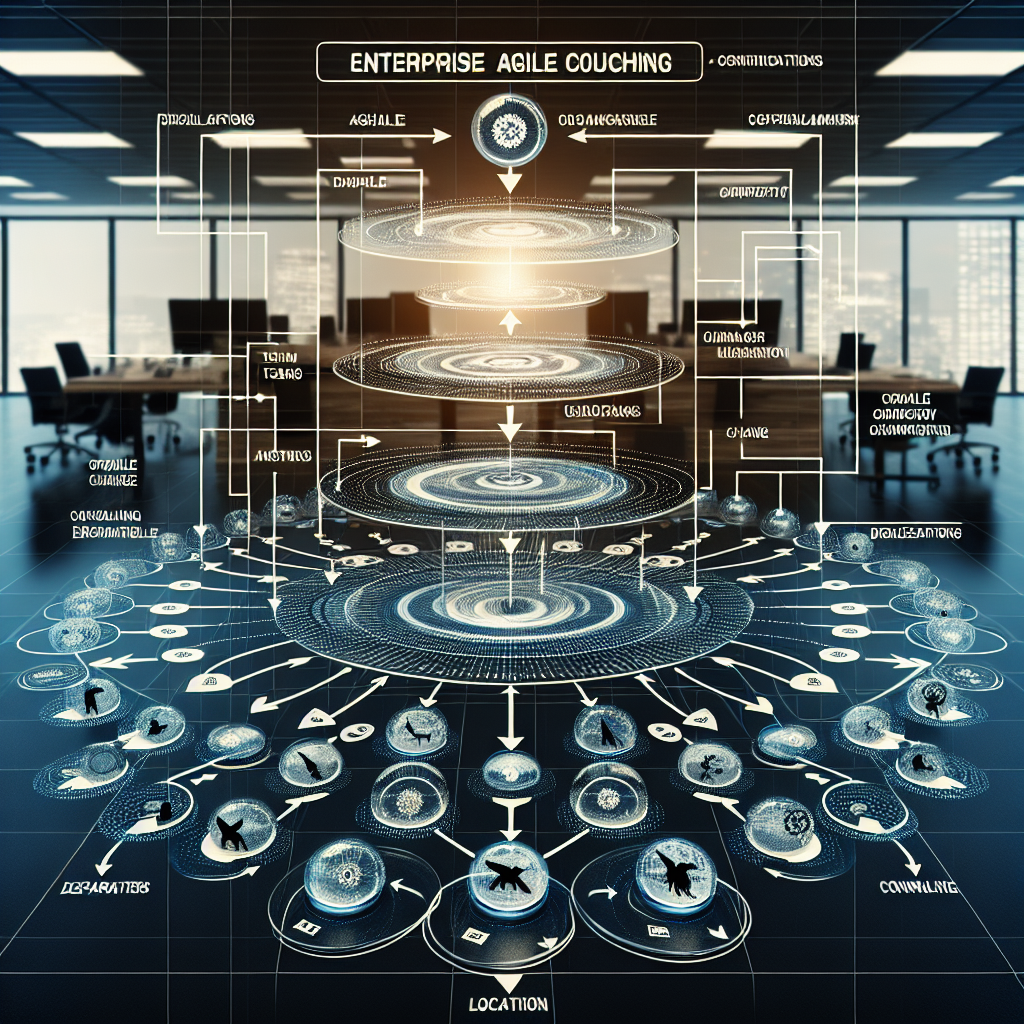
Enterprise Agile Coaching: Implement Agile Across Your Organization
Identifying Organizational Readiness for Agile Transformation
A staggering 70% of Agile transformations fail, often because organizations dive in without assessing their readiness. Think about it: would you jump into a pool without checking the water first? Spoiler alert: it can hurt.
Before embarking on an enterprise agile coaching journey, it’s crucial to gauge whether your organization is set for this shift. It’s not just about adopting Agile practices; it’s about cultivating an environment where these practices can thrive. So, how do you know if your organization is ready? Let’s break this down.
Cultural Alignment
An organization’s culture can make or break an Agile implementation. If your teams are used to hierarchical decision-making and rigid processes, introducing Agile could be like trying to fit a square peg in a round hole. Look for signs of openness to change, collaboration, and a willingness to experiment. Are your teams comfortable with failure as a learning opportunity? If the answer is no, you might need to focus on cultural shifts before diving into enterprise agile coaching.
Leadership Support
Leadership buy-in is non-negotiable. Without strong support from the top, any agile transformation is likely to fizzle out quicker than a soda left open overnight. Leaders need to champion the change actively and model Agile behaviors themselves. This means not just saying we’re going Agile but embodying the principles of transparency, collaboration, and adaptability in their daily actions.
Skills and Training
We’re all set for Agile! they said. Yet when it comes time for daily stand-ups, half the team has no idea what that means. Assessing skill gaps is vital; if your team lacks familiarity with Agile methodologies or tools like Scrum or Kanban, training will be essential before you start implementing changes. Investing in targeted training programs will ensure everyone is on the same page and equipped with the right skills.
Agile readiness isn’t just buzzword bingo—it’s about setting the stage for sustainable transformation.
What’s in It for Us? Mindset
What’s in it for us? This question should resonate throughout your organization as you consider an agile transformation. Teams must understand not only how they will benefit from adopting Agile but also how it aligns with organizational goals. Clear communication regarding expectations and outcomes helps foster engagement and enthusiasm rather than resistance.
So what now? You might ask. Start by conducting a thorough assessment of these areas: culture, leadership support, skills gap analysis, and alignment with organizational goals. This groundwork will lay the foundation for effective enterprise agile coaching that truly transforms your organization rather than just creating another layer of complexity.
Defining the Role of an Enterprise Agile Coach
Imagine a ship navigating through turbulent waters. Without a skilled captain at the helm, it’s likely to veer off course or even capsize. This analogy perfectly encapsulates the critical role of an enterprise agile coach. In a world where 70% of Agile transformations fail, having an expert guide can mean the difference between smooth sailing and chaos.
An enterprise agile coach is not just a cheerleader for Agile methodologies; they are strategic navigators who help organizations chart their course through complex transformations. Their role is multifaceted, blending coaching, mentoring, and consulting to align teams with Agile principles while fostering a culture of collaboration and continuous improvement.
Key Responsibilities
- Assessing organizational readiness for Agile transformation.
- Designing tailored coaching programs that meet specific team needs.
- Facilitating workshops to educate teams on Agile frameworks like Scrum and Kanban.
- Promoting a mindset shift towards agility across all levels of the organization.
- Supporting leadership in modeling Agile behaviors and practices.
Consider a mid-sized financial services firm struggling with project delivery timelines. Their teams are bogged down by siloed departments and outdated processes. An enterprise agile coach steps in not just to teach them how to do stand-ups or retrospectives but also to help them understand why these practices matter. They facilitate cross-departmental workshops that break down barriers, fostering collaboration and shared ownership of outcomes.
Building Organizational Agility
Agility is more than just following a set of practices; it’s about embracing change as a constant. This mantra should resonate within every organization looking to thrive in today’s fast-paced environment. An enterprise agile coach cultivates this mindset by encouraging teams to experiment, learn from failures, and iterate on their processes.
The best transformations happen when leaders are actively involved in the process.
But wait! Isn’t it enough to just train everyone on Agile? Not quite. Training without support is like giving someone a map without showing them how to read it. The enterprise agile coach plays an essential role in ensuring that training translates into real-world application by providing ongoing support and feedback.
As they work closely with teams, agile coaches identify roadblocks and help in devising strategies that empower employees rather than stifle them. They serve as catalysts for change, ensuring that each team member feels valued and engaged in the transformation journey.
So what’s next? If you’re considering bringing an enterprise agile coach into your organization, think about your specific goals: Are you looking for improved collaboration? Faster delivery times? A culture shift? With clear objectives, you can select the right coach who aligns with your vision for transformation.
Developing a Tailored Agile Coaching Framework
A one-size-fits-all approach to enterprise agile coaching is about as effective as trying to fit a giraffe into a Mini Cooper. It just doesn’t work. Organizations are unique, with their own cultures, challenges, and goals. This is why developing a tailored agile coaching framework is not just beneficial—it’s essential.
Consider the case of a large retail company that recently attempted an agile transformation without customizing their approach. They deployed generic frameworks without considering their specific organizational culture or team dynamics. The result? Confusion reigned supreme, and teams reverted to old habits faster than you can say Scrum Master.
Assessing Organizational Needs
Before you can tailor your framework, you need to understand your organization’s unique landscape. Start with a comprehensive assessment that digs deep into your current processes, team dynamics, and cultural attitudes towards change. This isn’t just about asking some surface-level questions; it’s about engaging in honest conversations that uncover the real barriers to agility.
- Conduct surveys or interviews with team members across various departments.
- Analyze existing workflows to identify bottlenecks and inefficiencies.
- Evaluate leadership attitudes towards agile methodologies.
Designing the Framework
Designing might sound like a fancy term for what could be accomplished over coffee, but trust me: it’s where the magic happens. Your tailored framework should address identified gaps while aligning with organizational goals. This means creating specific coaching sessions that cater to different teams based on their maturity level with Agile practices.
One size fits all is a myth in agile coaching; customization is key!
For example, if you have a tech team that’s already familiar with Scrum but struggles with cross-department collaboration, focus on workshops that enhance communication skills and collaborative tools rather than basic Scrum training.
Iterate and Improve
Agility isn’t just in the name; it should be at the heart of your coaching framework. After implementing your tailored approach, gather feedback from participants regularly. Are they finding value? Are there new challenges arising? Use this feedback loop to iterate on your framework continuously.
Fostering a Culture of Collaboration and Continuous Learning
Imagine a workplace where collaboration isn’t just a buzzword, but a way of life. In organizations embracing enterprise agile coaching, this isn’t just a dream; it’s a reality. A study by McKinsey found that companies with strong collaborative cultures are 5 times more likely to be high-performing. If that doesn’t make you rethink your current culture, I don’t know what will.
But let’s get real—fostering such an environment isn’t as easy as throwing everyone into a room and chanting ‘teamwork makes the dream work.’ It requires intentional strategies that prioritize collaboration and continuous learning at every level of the organization.
Breaking Down Silos
Silos can be the Bermuda Triangle of collaboration—teams disappear into them, and good ideas never resurface. To combat this, enterprise agile coaching emphasizes cross-functional teams where diverse skills come together to tackle projects. Think about it: when marketing, sales, and product development teams collaborate from the get-go, they can create solutions that resonate with customers more effectively.
Consider a mid-sized tech startup that struggled with product launches because each department operated in isolation. After implementing enterprise agile coaching, they formed cross-functional squads responsible for specific products. The result? Launch timelines shrank by 30%, and customer satisfaction soared as teams worked together seamlessly.
Encouraging Continuous Learning
The only real mistake is the one from which we learn nothing. This quote rings especially true in an agile environment. Continuous learning should be ingrained in your company’s DNA. Regular retrospectives allow teams to reflect on what went well and what didn’t, fostering an atmosphere where feedback is not just welcomed but celebrated.
Fail fast, learn faster should be your new mantra.
Fail fast, learn faster should be your new mantra. Implementing training programs tailored to evolving needs ensures everyone stays ahead of the curve. For instance, if your team is struggling with Agile methodologies like Scrum or Kanban, invest in workshops or online courses to bridge those gaps.
What’s next? you may ask. Start by assessing your current culture around collaboration and learning. Are there barriers preventing open communication? Are employees encouraged to seek out new knowledge? Identifying these gaps will set you on the path toward creating a vibrant culture where collaboration thrives.
Navigating Challenges in Scaling Agile Across Departments
Ever tried to herd cats? That’s what scaling Agile across departments can feel like. With different teams operating in silos, aligning them under a single Agile framework is like trying to pull off a group dance routine with no rehearsal. Spoiler alert: it usually ends up in chaos.
A staggering 60% of organizations report that interdepartmental collaboration is their biggest challenge when adopting Agile practices (Source: McKinsey). This statistic isn’t just a number; it reflects the real struggles many face when trying to implement enterprise agile coaching across diverse teams.
Identifying Common Roadblocks
Before you can tackle the challenges, you need to pinpoint what’s causing the friction. Here are some common roadblocks that might be lurking beneath the surface:
- Siloed Thinking: Teams often operate independently, leading to misaligned goals and duplicated efforts.
- Cultural Resistance: Change is hard, and not everyone will be on board with shifting to an Agile mindset.
- Skill Gaps: Some teams may lack the necessary skills or understanding of Agile methodologies.
- Communication Breakdowns: Without clear channels for communication, important information can get lost in translation.
Strategies for Overcoming Challenges
Now that we’ve identified the common culprits, let’s explore actionable strategies to overcome these hurdles. Enterprise agile coaching isn’t just about implementing new processes; it’s about fostering a culture where agility thrives.
- 1 Promote Cross-Department Collaboration: Create cross-functional teams that bring together diverse skill sets and perspectives. This helps break down silos and fosters shared ownership of projects.
- 2 Invest in Training and Development: Offer targeted training programs for teams unfamiliar with Agile practices. Whether it’s workshops or online courses, equipping your workforce with knowledge is key.
- 3 Encourage Open Communication: Establish clear communication channels where teams can share insights, challenges, and successes. Regular check-ins can help keep everyone aligned and engaged.
- 4 Foster a Culture of Experimentation: Encourage teams to experiment with new ideas without fear of failure. Celebrating both successes and learnings from failures will create an environment conducive to innovation.
Agility isn’t just a methodology; it’s a mindset that needs nurturing across all levels of your organization.
Scaling Agile across departments doesn’t have to feel like herding cats. By addressing these common roadblocks head-on and implementing effective strategies, you can create a cohesive environment where agility flourishes. So take a moment to assess your organization’s current state—what barriers are holding you back from truly embracing an Agile culture?
Measuring the Impact of Enterprise Agile Coaching Initiatives
If you think measuring the impact of enterprise agile coaching is as straightforward as counting how many post-it notes were used in a sprint, think again. The reality is a bit more complicated—and a lot more interesting.
A well-implemented agile coaching initiative can lead to a staggering 30% increase in team productivity within six months. But how do you quantify that? What metrics should you be tracking to ensure your investment in enterprise agile coaching is paying off?
Defining Success Metrics
First things first: you need to define what success looks like for your organization. This isn’t just about speed; it’s about quality, collaboration, and customer satisfaction. Here are some key metrics to consider:
- Cycle Time: Measure how long it takes for a task to move from in progress to done. A reduction here indicates improved efficiency.
- Team Velocity: Track the amount of work completed in each sprint. An upward trend suggests teams are becoming more effective.
- Quality Indicators: Monitor defect rates or customer complaints. Fewer issues often reflect better practices.
- Employee Engagement Scores: Regular surveys can gauge how happy and engaged your teams feel during the transformation.
Gathering Data Effectively
What gets measured gets managed, they say. But collecting data shouldn’t feel like pulling teeth. Implementing tools that integrate seamlessly with your workflows will ease this process. Consider using project management software like Jira or Trello, which can automatically track metrics such as cycle time and team velocity.
Data collection should be as natural as breathing—integrate it into daily routines!
But wait! What if the data tells a different story than expected? This is where an agile coach shines—helping you interpret data insights and pivot strategies based on findings. If productivity dips but morale is high, it might indicate that teams are taking on too much work or struggling with unclear priorities.
The Human Factor
Numbers are great, but don’t forget about the human element! Employee feedback can provide invaluable insights into how coaching initiatives are landing on the ground level.
- Conduct regular retrospectives to gather qualitative feedback from team members.
- Facilitate one-on-one check-ins with employees to understand their experiences.
- Utilize anonymous surveys to encourage honest feedback without fear of repercussion.
Remember, measuring impact isn’t just about proving ROI; it’s about fostering continuous improvement and learning within your organization. As you gather data and feedback, look for patterns—what’s working? What needs tweaking? Embrace these insights like gold nuggets—they’re crucial for refining your approach.
In conclusion, measuring the impact of enterprise agile coaching initiatives requires a blend of hard metrics and soft insights. By defining success metrics upfront and continuously adapting based on real-world feedback, you not only validate your efforts but also create an environment primed for ongoing growth and agility.
So ask yourself: How are you measuring success in your agile journey?
Integrating AI Tools to Enhance Agile Practices
Imagine a mid-sized logistics company that was struggling to keep up with customer demands and operational inefficiencies. Their teams were overwhelmed, and project timelines felt like they were on a never-ending treadmill. Enter AI tools—specifically, a predictive analytics platform that not only streamlined their workflows but also provided real-time insights into project bottlenecks.
By integrating AI into their agile practices, they transformed their approach from reactive to proactive. Instead of waiting for issues to arise, teams could anticipate challenges before they escalated, allowing them to adjust their plans swiftly. This shift didn’t just improve efficiency; it sparked a cultural change where teams felt empowered to innovate and adapt.
AI as a Game Changer
AI tools can be the secret sauce in your enterprise agile coaching toolkit. They help eliminate guesswork by providing data-driven insights that guide decision-making. For instance, using machine learning algorithms, teams can analyze previous sprint data to predict future performance trends. This means less time spent on guesswork and more time focusing on delivering value.
- Predictive analytics for forecasting project timelines and resource needs.
- Automated reporting tools that provide real-time updates on team performance.
- Collaboration platforms enhanced with AI features for better communication.
Integrating AI isn’t just about technology; it’s about enhancing human capabilities.
Real-World Impact
A leading e-commerce company adopted AI-driven customer feedback analysis tools within their agile framework. This allowed them to iterate on product features based on direct consumer insights rather than assumptions or outdated data. The result? A staggering 40% increase in customer satisfaction scores within three months—proof that when you marry AI with agile practices, the results can be transformative.
So what’s the takeaway? Embracing AI tools is not just an upgrade; it’s a fundamental shift in how teams operate and deliver value. As you consider your enterprise agile coaching strategy, think about how these technologies can complement your existing practices.
Start small: Identify one area where an AI tool could enhance your current processes—be it through automating repetitive tasks or providing deeper insights into team performance—and watch as your organization begins its journey toward becoming truly agile.
Sustaining Momentum Post-Implementation of Agile Practices
You’ve done the hard work of implementing Agile practices, and now you’re staring down the barrel of what could be a massive letdown: the post-implementation slump. It’s like running a marathon only to find the finish line is just a mirage. According to a study by McKinsey, nearly 70% of organizations lose momentum within a year after their Agile transformation. So, how do you keep that energy alive?
Let’s face it—Agile isn’t just a buzzword; it’s a cultural shift. Once you’ve introduced new practices, it’s crucial to ensure that they don’t just gather dust on the proverbial shelf. This is where enterprise agile coaching steps in as your trusty sidekick, helping you maintain momentum and ensuring that Agile becomes part of your organization’s DNA.
Reinforcing Agile Mindsets
One of the biggest pitfalls after implementation is reverting back to old habits. Imagine a tech startup that embraced Agile only to find its teams slowly slipping back into waterfall methodologies because they felt more comfortable with familiar routines. To combat this, continuous reinforcement of Agile principles is vital.
- Regularly schedule training sessions to refresh knowledge and skills.
- Encourage team members to share success stories and challenges in retrospectives.
- Promote cross-team collaboration to foster shared understanding and accountability.
Culture eats strategy for breakfast — ensuring your team embodies Agile values is essential.
Establishing Feedback Loops
What gets measured gets managed isn’t just an old adage; it’s essential for sustaining momentum in an Agile environment. Implementing regular feedback loops allows teams to assess their performance continuously and make necessary adjustments on the fly.
- (1) Conduct frequent retrospectives focused not just on processes but also on individual growth.
- (2) Utilize tools like surveys or pulse checks to gauge team morale and engagement levels.
- (3) Encourage open dialogue about what’s working and what isn’t—transparency breeds trust!
For example, an enterprise software company implemented bi-weekly check-ins where teams could discuss their progress and share hurdles they faced. This practice not only kept everyone accountable but also fostered camaraderie as teams realized they were all in this together.
Celebrating Wins
Don’t underestimate the power of celebration! Recognizing milestones—big or small—can significantly boost morale and motivation. It’s easy for teams to get bogged down by daily tasks, so take time to acknowledge achievements along the way.
- Host monthly recognition events where team members can highlight each other’s contributions.
- Create visual dashboards that showcase progress towards goals.
- Implement rewards for innovative solutions or improvements suggested by team members.
So what’s next? As you navigate through sustaining momentum post-implementation, prioritize reinforcing mindsets, establishing feedback loops, and celebrating wins. Remember: keeping Agile alive requires ongoing effort—but with enterprise agile coaching guiding your path, your organization can continue thriving in its journey toward agility!
Enterprise Agile Coaching involves guiding organizations through the process of adopting agile practices at scale. It focuses on aligning teams with Agile principles and fostering a culture of collaboration and continuous improvement.
” } }, { “@type”: “Question”, “name”: “How can an organization assess its readiness for Agile transformation?”, “acceptedAnswer”: { “@type”: “Answer”, “text”: “
Organizations can assess readiness by evaluating cultural alignment, leadership support, skills and training requirements, and understanding the benefits of Agile transformation in alignment with organizational goals.
” } }, { “@type”: “Question”, “name”: “What are the key responsibilities of an Enterprise Agile Coach?”, “acceptedAnswer”: { “@type”: “Answer”, “text”: “
- Assessing organizational readiness for Agile transformation.
- Designing tailored coaching programs.
- Facilitating workshops on Agile frameworks like Scrum and Kanban.
- Promoting agility across all organizational levels.
” } } ] }, { “@type”:”SpeakableSpecification”, “@id”:”https://iavva.ai/enterprise-agile-coaching-transform-organization#speakable”, “_speakable”:{ “_speakableText”:[ “
Enterprise Agile Coaching: Implement Agile Across Your Organization
“, “
Identifying Organizational Readiness for Agile Transformation
“, “
Defining the Role of an Enterprise Agile Coach
“, “
Developing a Tailored Agile Coaching Framework
“, “
Fostering a Culture of Collaboration and Continuous Learning
” ] } } ] }













Leave a Reply