


When digital and AI initiatives stall, the missing layer is often sustained behavioral and leadership change — and a business transformation coach is the practical mechanism to deliver it. This brief defines the coach role versus consultants and trainers, maps measurable outcomes and a simple ROI method, and provides a tactical 90 day playbook plus selection and contracting criteria HR and L&D leaders can use immediately. Expect concrete KPIs, a sample ROI calculation, and interview questions you can put to work in the next procurement cycle.
1. The Failure Modes Most Organizations Do Not See
Reality: technical delivery is rarely the root cause of stalled transformations. The common failure modes are social, structural, and measurement failures that quietly eat value while dashboards show green.
Hidden failure modes that matter
- Pilot purgatory: teams run polished pilots that never have a defined stop condition or a scaling path. The result is perpetual refinement without business impact.
- False competence: training completion is reported, but managers do not change how work is assigned or reviewed. Skills exist on slides, not in decisions.
- Measurement blindness: leaders track output metrics from tools rather than outcomes users care about – adoption looks good while cycle time and error rates stay high.
- Siloed accountability: data science, product, and operations advance independently. There is no handoff ritual, so models never enter stable operations.
- Governance theater: governance shows up as a meeting-heavy checkbox rather than clear decision rights – approvals slow progress, but do not reduce risk.
Practical tradeoff: centralize control to speed standardization, or decentralize to preserve domain context. Both choices create failure modes: centralization creates adoption resistance; decentralization creates fragmentation. A coach helps pick the right balance for the organization and enforces the governance cadence required to make that balance real.
Concrete Example: Adobe and Microsoft are instructive not because they had perfect technology but because leadership rewired incentives and routines. Adobe converted license buyers into subscription customers by aligning product, sales, and finance around new performance metrics and sustained leader coaching. Microsoft under Satya Nadella paired technical modernization with cultural leadership work to move managers from control to empowerment – a behavioral shift that unlocked product and cloud adoption.
What usually fails without a coach: organizations either over-index on tool training or on executive vision. Neither fixes the middle layer – the managers and processes that translate decisions into daily work. That is why a coach is not a luxury; they are the agent that converts strategy into repeatable, measurable practices.
Hidden failure modes are predictable and preventable – but prevention requires enforced rituals, stop-to-scale decisions, and metrics that tie leader behavior to operational outcomes.
Frequently Asked Questions
Direct answers for procurement and HR: below are concise, operational responses you can use in vendor evaluations, RFPs, and contract discussions. Each item ends with the decision or artifact you should demand before you sign.
Operational FAQs
What is the difference between a business transformation coach and a management consultant: A business transformation coach focuses on sustained behavior change, leader enablement, and embedding governance rituals that drive adoption. A management consultant typically delivers analysis, designs solutions, and hands off deliverables. Demand both perspectives when you need design and conversion; require the coach to own the adoption plan and the consultant to own the technical deliverables.
How soon will we see ROI after engaging a coach: Expect visible adoption and governance improvements in 60 to 90 days; measurable financial impact commonly takes 6 to 12 months depending on complexity. Practical limitation: short engagements that stop at awareness rarely move metrics. Require a minimum 90 day commitment with milestone checks to avoid a shallow engagement.
Which KPIs should HR and L&D own versus the coach: HR and L&D should own capability and engagement metrics such as training completion, manager coaching frequency, and learning transfer scores. The coach should own change-readiness, stakeholder alignment, and operational adoption KPIs like 30 day active usage and reduction in manual handoffs. Put these ownerships into the contract so accountabilities are explicit.
Can a transformation coach help with AI explainability and governance: Yes. Coaches do the cross-functional work – translating model outputs into decision rules, setting governance rituals, and raising leader data literacy so teams can trust and act on AI. Link coach deliverables to MLOps handoffs and model governance checkpoints to make this concrete.
How do we avoid relying on an external coach indefinitely: Build knowledge transfer into milestones: train-the-trainer sessions, shadow-to-own schedules, and a phased exit with explicit signoffs. Tradeoff: faster exits lower cost but raise risk; a staged handover over 60 to 120 days is usually the practical sweet spot.
What are reasonable commercial models for a coach: Common models are retainer for executive coaching, fixed-price 90 day engagements, or outcome-linked fees tied to agreed KPIs. My judgment: avoid pure hourly models for transformation work because they obscure impact. Prefer milestone payments linked to measurable adoption gates.
How do we prove coaching caused the outcome and not other factors: Require baselines, a simple attribution plan, and short control comparisons where possible. Have the coach deliver monthly impact reports that tie interventions to changes in specific KPIs and include qualitative corroboration from front-line managers.
Concrete Example: At a midmarket healthcare firm, a coach ran a 90 day program aligning clinical operations and data science. By enforcing weekly handoff rituals and coaching managers on using model signals, the pilot moved from 1 operational run per month to a stable weekly cadence and managers reported faster decision cycles. The change was provable because the coach set baselines and ran paired comparisons between coached and uncoached teams.
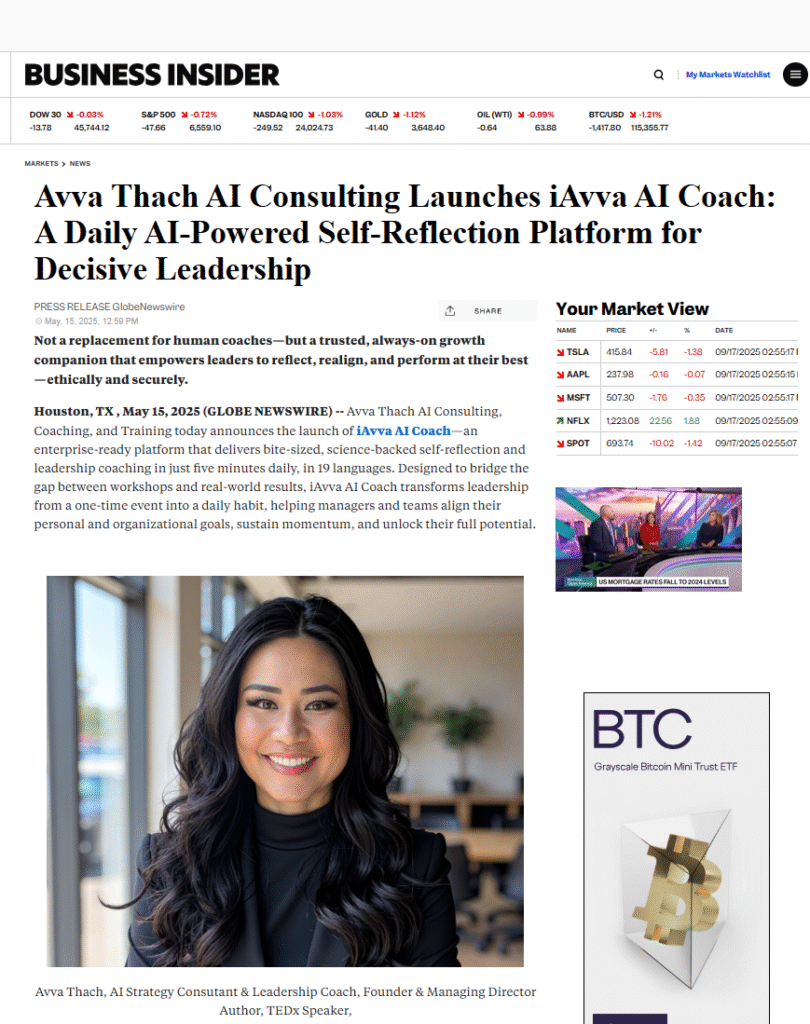
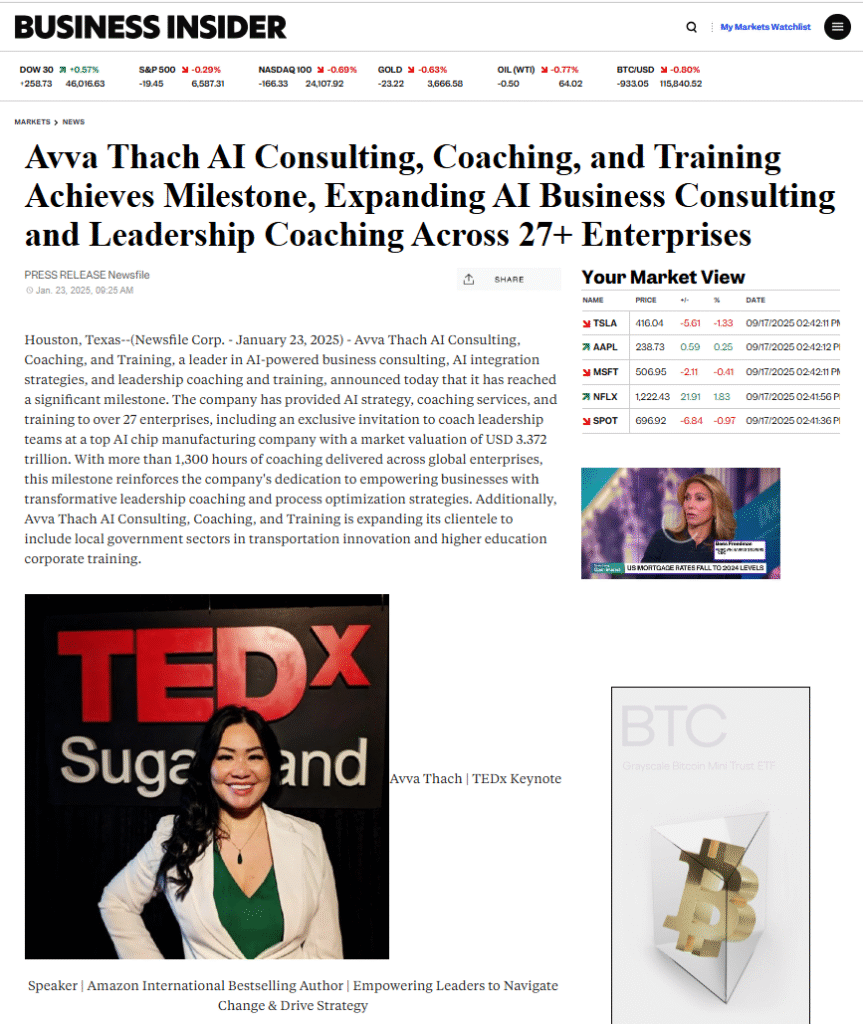
90 day plan, clear KPI ownership, knowledge transfer milestones, and at least one outcome linked payment. See iAvva services for examples of deliverable-anchored engagements.- Immediate actions: Require a documented 90 day plan before contracting
- Baseline action: Capture at least three baseline KPIs and data sources
- Governance action: Insert weekly decision rituals and a sponsor escalation point
- Exit action: Include train-the-trainer milestones and a phased handover schedule
If you buy coaching without measurable gates you are buying goodwill, not results. Make deliverables, ownership, and exit conditions contractual.















Leave a Reply