


Introduction
A leadership gap does not show up on a balance sheet, but every HR director and business leader can feel it. Managers are promoted faster than they are prepared, employees are asked to learn new tools every quarter, and the skills that made the company successful five years ago no longer match what customers expect. Many teams are now exploring AI coaching because old approaches are not keeping up.
Traditional one-on-one coaching works very well, yet it reaches only a small group at the top and costs thousands of dollars per person each year. At the other end of the spectrum, most learning platforms are cheap and easy to roll out, but engagement drops to single digits once the launch emails stop. The paradox is simple: leaders want deep, behavior-changing development, but they also need it to scale across hundreds or thousands of employees.
This is where AI coaching changes the equation. By using machine learning, natural language processing, and behavioral science, an AI coach can ask powerful questions, guide daily reflection, and keep people accountable at a scale that old models cannot touch. With platforms like iAvva AI, every employee can have a personal coach in their pocket, available 24/7, speaking their language, and aligned with company goals.
The approach is not guesswork. iAvva AI sits on top of neuroscience research, International Coaching Federation (ICF) principles, and Lean Six Sigma methods. The platform combines daily AI prompts, bi-weekly live group coaching, professional development courses, and analytics that show real business impact within the first month. That mix keeps weekly engagement above 60 percent, which is far beyond typical training tools.
Many leaders still ask whether AI coaching will replace human connection. Our view is the opposite. AI handles the daily practice, reminders, and data, while humans focus on deeper conversations and strategy. By the end of this article, we will walk through what AI coaching is, how the technology works, where it delivers the most value, how to build a business case, and how to roll it out with confidence across a global workforce.
“What got you here won’t get you there.”
— Marshall Goldsmith
Key Takeaways
AI coaching combines advanced language models with proven coaching methods. Every employee receives personalized guidance that feels relevant, practical, and grounded in real science rather than generic tips. Over time, the coach adapts to each person’s goals and learning style.
Organizations using platforms like iAvva AI regularly see more than 60 percent weekly engagement. Employees receive short, focused coaching moments instead of long, one-time courses. That level of ongoing contact is a strong early sign that behavior change is taking root.
Enterprise analytics reveal measurable business results within the first month. These include clearer goals, stronger leadership habits, and better alignment between personal development and company priorities. Leaders no longer have to guess whether training is working.
AI coaching connects with HR systems, OKR tools, and existing learning programs while also offering white-label and digital twin options. Companies can reflect their own leadership models, values, and best practices inside the coach rather than starting from scratch.
For organizations facing cultural resistance, skill gaps, and confusion during large-scale digital change, AI coaching provides a steady, supportive presence. It helps employees build new mindsets and skills while giving HR and executives the data they need to adjust strategy quickly.
What Is AI Coaching? Understanding The Technology Shaping Workforce Development
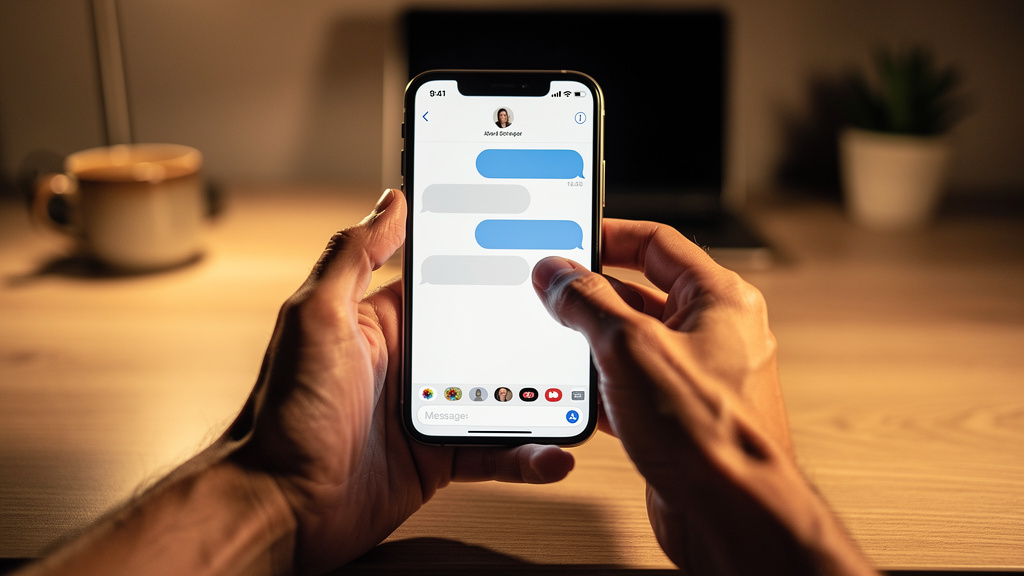
When we talk about AI coaching, we mean much more than a chatbot that answers questions. AI coaching is the use of artificial intelligence, machine learning, and natural language processing to guide people through structured development conversations. Instead of lecturing or giving long explanations, the coach asks targeted questions that spark reflection, self-awareness, and action.
This approach is very different from general-purpose AI tools. A tool like ChatGPT waits for questions and then produces answers. AI coaching does almost the opposite. It leads the conversation, follows a clear method, and keeps coming back to the person’s goals, habits, and results. Therapy apps also differ, because they focus on mental health conditions and past experiences, while AI coaching focuses on performance, skills, and future behavior at work.
Behind the scenes, AI coaching draws from behavioral science, positive psychology, and frameworks often used by human coaches. Methods such as solution-focused coaching and the GROW model give structure to each conversation. The AI asks about goals, current reality, options, and next steps, then returns later to check how those steps worked out. That pattern turns short chats into a consistent practice of learning by doing.
Another important part of AI coaching is the space it creates for honesty. Because interactions are private and non-judgmental, people are often more open with an AI coach than they might be with a manager. They can admit fears about new systems, ask simple questions they do not want to raise in meetings, and test new ways of thinking before trying them in public.
Professional coaches and subject-matter experts still play a major role, and research on AI disruption in the coaching industry shows how these roles are evolving to complement rather than compete with technology. Platforms like iAvva AI train and supervise the AI with human input, so the questions, exercises, and feedback align with ICF standards and company values. The result is not a random conversation engine, but a guided development process that runs every day, at any hour, for employees who need support with leadership, communication, stress, digital skills, and more.
“Becoming is better than being.”
— Carol Dweck
The Technology Powering AI Coaching: How It Actually Works
For many leaders, the technology behind AI coaching can feel mysterious at first. In practice, the pieces are easier to understand than they seem, especially when we focus on how they support real people at work rather than math and code.
At the core are large language models. These models are trained on huge amounts of text, which helps them understand the way humans write and speak. In an AI coaching platform, the model is guided by guardrails and coaching frameworks so it stays focused on reflection, goals, and action instead of drifting into unrelated topics. That is the first major difference between a coaching system and a general AI chat tool.
Most serious platforms use a set of specialized agents behind the scenes, such as:
- Goal agents that help clarify what the user wants to achieve.
- Obstacle agents that explore barriers, assumptions, and risks.
- Accountability agents that track commitments and follow through.
- Content agents that suggest learning resources or exercises when helpful.
When a manager tells the coach they are struggling to give feedback, the goal agent helps define a target behavior, while another agent suggests a simple script to try in the next one-on-one. These agents work together so the conversation stays structured and purposeful instead of random.
Personalization comes from machine learning. The system looks at how often each user engages, what topics they bring up, which prompts spark action, and where they stall. Over time, the AI adjusts its tone, question style, and content suggestions. Someone who likes data may receive more metrics and concrete tools, while a more reflective leader may receive deeper questions about values and relationships.
Modern AI coaching platforms also connect to other company data. With iAvva AI, for example, coaching goals can be linked to OKRs, performance reviews, or learning modules. When an employee sets a goal around strategic thinking, the coach can suggest a short course, track completion, and then return to ask how the new knowledge is showing up in meetings. All of this happens within strict privacy and security controls so personal conversation details remain protected.
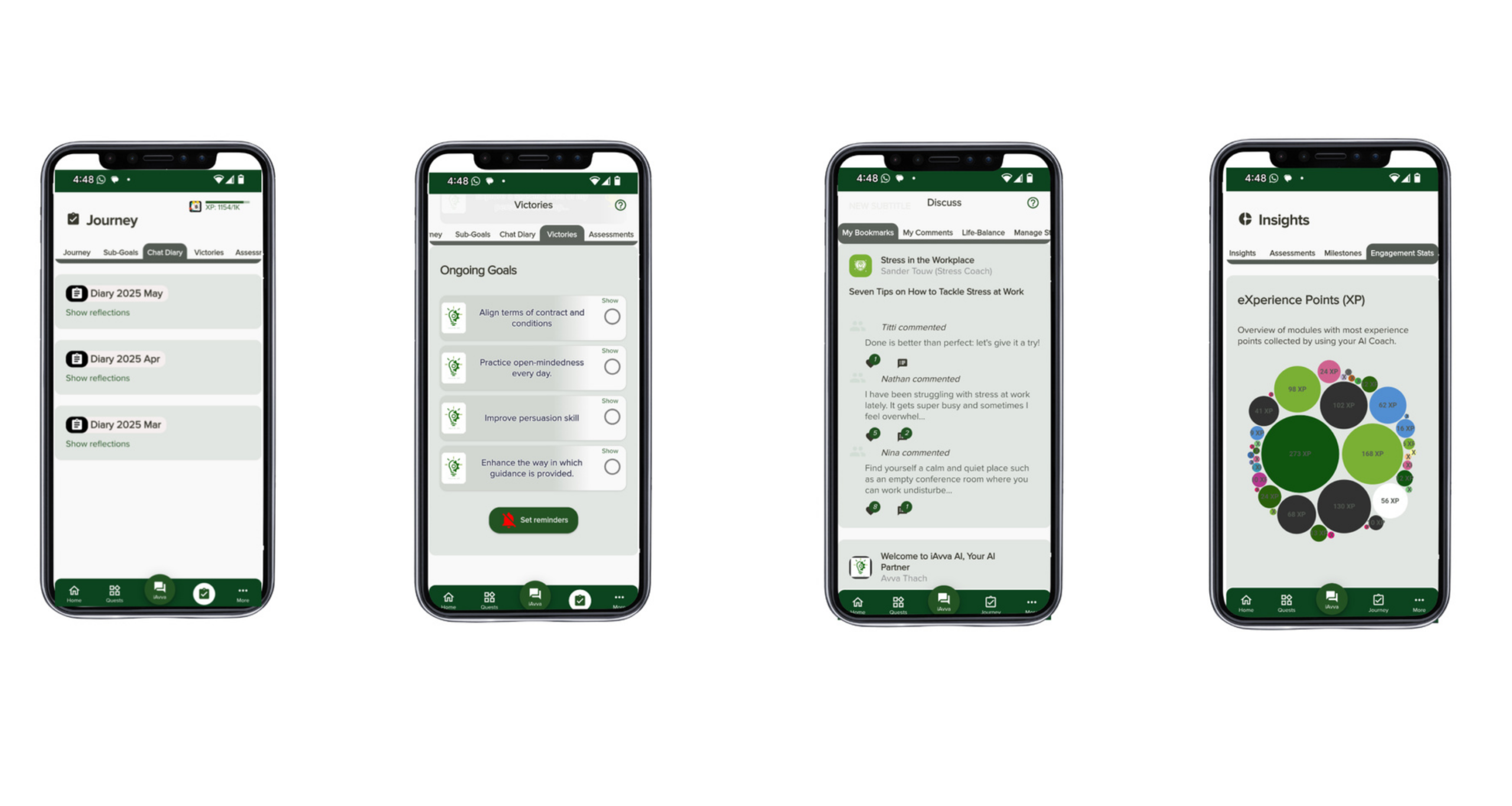
Finally, the experience itself is multimodal. Users can type, speak, or listen, depending on their preference. Emerging features such as ambient displays on lock screens give small visual reminders of progress without demanding a full session. The end result is a technical stack that feels human, responsive, and practical for people who simply want to grow in their role.
The Business Case For AI Coaching: Measurable Benefits For Organizations
HR leaders rarely need more tools. They need approaches that move the needle on performance, retention, and culture. AI coaching stands out because it tackles some of the hardest constraints in development work, especially scale, cost, and measurement.
First, AI coaching reaches people traditional coaching never touches. One-on-one executive coaching is powerful but usually limited to a small group. With an AI coach, we can bring the same type of reflective conversations to every manager, new leader, or high-potential employee, no matter where they are based. That access helps build a real bench of future leaders instead of a narrow group of “chosen” ones.
Second, the economics look very different. A single leadership workshop can cost as much as several months of AI coaching per employee, and the workshop often produces a short spike in energy followed by a quick fade-out. With iAvva AI, companies pay a predictable per-user fee and receive daily coaching moments, bi-weekly live group sessions, and on-demand courses. That combination keeps practice going long after a slide deck would have been forgotten.
Third, AI coaching makes ROI visible. Enterprise dashboards show weekly active users, topics of focus, skill growth over time, and links to goals and OKRs. HR and L&D teams no longer need to rely only on end-of-course surveys or anecdotal feedback. They can point to data showing that managers who use AI coaching more often receive higher 360 scores, that new hires ramp faster, or that sales teams close deals more quickly after targeted role-play practice.
This data focus is part of why iAvva AI often shows measurable business impact within the first month. Because the coach connects personal goals to company key results, leaders can see where behavior changes line up with priorities such as revenue growth, quality, safety, or innovation.
Finally, AI coaching supports major digital change rather than adding noise to it. During large change programs, employees need a safe place to process their fears, practice new skills, and ask simple questions without judgment. AI coaching gives them that outlet, while giving executives a clear picture of adoption levels, common concerns, and progress across locations.
“Without data, you’re just another person with an opinion.”
— W. Edwards Deming
How AI Coaching Changes Individual Employee Development

Behind every metric that matters to a company is a person trying to do their job better. AI coaching works because it meets employees where they are, instead of forcing everyone into the same course or workshop.
Personalization is the starting point. When an employee begins using a platform like iAvva AI, the coach asks about their role, goals, strengths, and challenges. A new manager might focus on delegation and feedback, while a senior engineer may want to build influence skills. The AI remembers these themes and returns to them through daily prompts, not as a generic script but as a thread that carries forward week after week.
Accessibility is another difference. Because the coach is always on, employees can start a five-minute check-in before a big meeting, during a commute, or late in the evening once children are asleep. There is no need to wait for next month’s workshop or try to remember insights from a past session. This kind of “just-in-time” support is especially helpful during high-pressure projects and change initiatives.
AI coaching also creates space for honest reflection. Many people hesitate to admit their weak spots to a boss, even in “safe” development talks. With an AI coach, they can say exactly what they are thinking, explore emotions around difficult conversations, and rehearse what they want to say before they enter the room. Over time, this builds emotional intelligence, self-awareness, and resilience.
The platform then turns insight into action:
- Smart reminders, progress tracking, and follow-up questions help employees stick with new habits.
- Role-play simulations let them rehearse sales calls, performance reviews, or conflict conversations in a safe environment.
- Bite-sized learning content, recommended by the AI, fills specific gaps instead of flooding them with hours of video.
The personal impact is simple to describe yet powerful to see. Employees who feel supported, heard, and guided by AI coaching usually show more confidence, clearer focus, and higher engagement. When that happens at scale, the organization feels the difference in productivity, collaboration, and retention.
Core Applications: Where AI Coaching Delivers Maximum Impact
Because AI coaching is conversational and adaptive, it fits many different use cases across the employee life cycle. The same platform can support senior leaders, front-line managers, sales reps, and new hires, while still feeling personal to each group.
Below are five areas where we see especially strong impact when organizations roll out iAvva AI or similar tools as part of their people strategy.
Leadership Development And Management Excellence

Leadership development is one of the most natural fits for AI coaching. Emerging leaders often feel caught between expectations from above and needs from their teams, yet they rarely have time for long coaching programs. An AI coach can guide them through daily reflections on decisions, team dynamics, and trade-offs, asking questions that sharpen strategic thinking and emotional awareness.
Managers practice delegation scripts, feedback conversations, and one-on-ones inside the safe space of the coach before trying them with their teams. Over time, this steady practice does more than a one-time seminar because it matches real situations they face that week. At iAvva AI, we strengthen this practice with bi-weekly group coaching, where managers share experiences and tie their AI sessions back to live discussions guided by an expert coach.
Communication And Interpersonal Skills Mastery
Many performance issues trace back to unclear or tense communication. AI coaching helps employees notice patterns in the way they listen, speak, and react under stress. After a tough meeting, a user can describe what happened, and the coach will ask about their assumptions, word choices, and body language.
The platform can then suggest small experiments, such as:
- Pausing before responding.
- Asking more open questions.
- Summarizing what others said before stating an opinion.
Role-play features let people rehearse client presentations, status updates, or difficult feedback with an AI that responds like a real person. Over time, this repeated practice builds empathy, clarity, and confidence in everyday interactions.
Sales Enablement And Revenue Growth
Sales teams live in high-stakes conversations where a few wrong words can change a deal. AI coaching gives them a place to practice without risking revenue. Reps can run full pitch simulations, handle tough objections, and experiment with different questioning techniques while the coach scores and comments on their approach.
Because the system can connect with a CRM, it can also link practice sessions to live opportunities. For example, before a meeting with a new prospect, the rep can brief the AI coach, run through a rehearsal, and then receive a follow-up check-in afterwards. Over time, patterns in successful calls can inform training content and manager coaching, leading to shorter sales cycles and higher win rates.
Employee Onboarding And Career Development
New hires often feel overwhelmed by information and expectations. An AI coach eases this by walking them through the first weeks with steady, friendly prompts. The coach can remind them of key contacts, explain unwritten norms, and help them set simple goals for their first 30, 60, and 90 days.
Because the coach is available at any hour, new employees can ask “small” questions they might feel shy raising in public, such as how to prepare for a stand-up meeting or how performance reviews work. As they settle in, the same platform supports long-term career development, helping them map skills, identify growth directions, and align development plans with internal opportunities.
Workforce Upskilling For Digital Change
Major digital change is as much about people as it is about technology. AI coaching helps employees cope with new tools, new processes, and new expectations by focusing on mindset and skills together. The coach can ask about fears and resistance, normalize those feelings, and then guide the user toward specific actions, such as trying a new system feature or seeking peer support.
For HR and change leaders, this creates a powerful feedback loop. Aggregated, anonymous data shows where people struggle, which departments need more support, and where new habits are taking root. In this way, AI coaching becomes both a method for upskilling and a listening post that informs the overall change strategy.
The Science Behind Effective AI Coaching: Proven Methodologies
Good AI coaching is not just clever software, and studies measuring the occupational implications of AI show how different methodologies affect real workplace outcomes. It rests on decades of research in psychology, learning science, and professional coaching. When we built iAvva AI, we combined several well-established methods into one coherent system so conversations feel natural but follow a clear structure.
Solution-focused coaching is one of the main pillars. Instead of digging into every detail of a problem, the coach asks what a better future would look like and when similar situations have gone well in the past. This shift from “What is wrong?” to “What works and how do we do more of it?” keeps energy high and moves people toward action faster.
The GROW model adds another layer of structure. In a typical exchange, the AI will help the user define a goal, explore their current reality, list options or obstacles, and then choose a way forward. Later sessions come back to those commitments and ask what happened, which teaches the brain to connect planning with follow-through.
Neuroscience research helps shape how often and how long sessions should be. Short daily interactions match how the brain forms habits and processes feedback. Positive psychology, including Dr. Martin Seligman’s PERMA-V model, reminds us to look not only at problems but also at positive emotion, engagement, relationships, meaning, achievement, and vitality. Questions around these themes help people build a more complete sense of well-being and performance.
Emotional intelligence development is woven through the process. The AI often asks users to name their feelings, notice triggers, and consider how their behavior looks from someone else’s perspective. Over time, that repeated practice builds self-awareness, self-control, empathy, and social skills, which research shows link strongly to leadership effectiveness.
Lean Six Sigma principles show up in how goals and measures are defined. At iAvva AI, we focus strongly on clear metrics, root-cause thinking, and continuous improvement. That mindset helps employees treat their own behavior like a process they can test and improve, rather than a fixed trait. The result is a coaching experience that feels warm and human, yet stands on a serious scientific base.
“In a very real sense we have two minds, one that thinks and one that feels.”
— Daniel Goleman
White-Label Platforms And Digital Twins: Scaling Your Distinct Expertise
Many organizations already have strong leadership models, sales playbooks, and culture documents. Their challenge is turning that insight into daily behavior at scale. This is where white-label AI coaching and digital twins come into play.
A white-label setup means the AI coaching platform carries the company’s brand. Employees see the familiar logo, colors, and naming, and they access the coach through the company’s usual channels. Under the surface, the same strong technology runs the experience, but on the surface it feels fully owned by the organization, not like an external app added on top.
Digital twins go even further. In this context, a digital twin is an AI representation of a company’s best practices or a specific expert’s approach. We work with clients to feed the system their leadership frameworks, training materials, values, and real examples. The AI then uses that content to coach employees in a way that matches how the organization already talks and makes decisions.
This level of customization protects intellectual property. The content that trains the digital twin stays within that organization and is not blended into a public model. For many companies, this matters as much as the coaching itself, because their methods are a key part of their competitive advantage.
Use cases are wide:
- A sales digital twin that teaches the company’s own methodology.
- A project-management twin that guides teams through standard ways of working.
- A culture twin that helps managers apply company values in daily choices.
- A coaching twin that allows external coaches to extend their practice between sessions.
Platforms like Pinnacle offer scalable AI coaching solutions, and at iAvva AI, we support both white-label deployments and digital twin projects, usually within a few weeks. That means HR and L&D teams can move from idea to a live, branded AI coach without building technology from scratch, while still preserving what makes their organization’s approach special.
AI Coaching For Global And Distributed Workforces

As teams spread across time zones, offices, and home setups, traditional development approaches start to crack. Flying people to a central workshop is costly and slow, and live webinars rarely work for every region. AI coaching offers a practical way to support everyone consistently, no matter where they work.
With distributed workforces becoming the norm, AI workforce management has become critical, and some of the biggest advantages for global and distributed teams include:
- No time zone conflicts. A manager in New York can finish a session in the morning while an engineer in Singapore has theirs late at night, and both receive the same high-quality guidance.
- Multi-language support. Platforms like iAvva AI support coaching in 19 languages, which allows people to think and reflect in the language they are most comfortable with.
- Cultural and communication sensitivity. Prompts and tone can respect local norms, so the same core leadership model adapts to different regions without losing its heart.
- Neurodiversity-friendly design. Some employees prefer text, others work better with voice, and some need more visual cues or more time to respond. Multimodal options meet these needs with clear structure and predictable flows.
From an organizational view, the central analytics panel pulls insights from every region into one place. HR and executives can see engagement by location, common topics, and progress on key skills. That makes it much easier to spot areas that need extra support, share wins between teams, and keep culture and leadership practices aligned around the world.
For remote workers who may feel isolated, AI coaching adds a steady sense of connection and support. When combined with manager check-ins and live group sessions, as we do at iAvva AI, it becomes a powerful way to maintain culture, fairness, and growth across a global workforce.
Implementing AI Coaching: A Strategic Roadmap For Success
Bringing AI coaching into an organization is not just a technology project. It is a strategic move that touches culture, leadership, and day-to-day work. A clear roadmap makes the process smoother and increases the odds of strong adoption from the start.
A practical implementation roadmap often looks like this:
Clarify Objectives
HR and business leaders define the problems they want to address, such as building a stronger leadership pipeline, supporting major digital change, or raising sales performance. Clear goals guide every later decision, from content choices to metrics.Select The Right Platform
When we speak with clients about iAvva AI, we encourage them to ask about:- Coaching methods behind the tool.
- Quality of analytics.
- Integrations with HRIS and LMS systems.
- White-label capabilities and language coverage.
- Security, privacy, and support.
Pricing and scalability also matter, but a low price means little if engagement stays low.
Run A Focused Pilot
A pilot with a specific group—such as new managers or one business unit—allows the organization to see how AI coaching fits with its culture. During this stage, it is vital to gather user feedback, watch engagement numbers, and adjust messaging or configuration before rolling out more widely.Customize For Your Organization
Tools for smarter documentation like Scribe can complement this process as we work with clients to load in their leadership models, values, existing courses, and look-and-feel. That way, the AI coach talks in the company’s own voice. This is also the stage to configure digital twins where needed.Communicate Clearly And Launch
Communication planning introduces the coach to employees, explains the benefits, and sets simple expectations for use—often five to ten minutes a day. Leaders can model usage by sharing how they use the coach themselves.Drive Adoption And Engagement
Executive sponsorship, manager encouragement, and links to existing programs (for example, pairing AI coaching with a leadership academy) all lift usage. Gamified elements within the platform, along with shared success stories, help keep momentum strong.Monitor, Learn, And Adjust
Dashboards make it easy to track engagement, goal progress, and skill growth. Regular reviews allow HR leaders to adjust focus areas, refine content, and expand AI coaching to new groups based on evidence, not guesswork. With iAvva AI, our customer success team walks alongside clients during each step of this roadmap.
“Culture eats strategy for breakfast.”
— Peter Drucker
AI coaching works best when it is woven into that culture rather than bolted on.
Measuring ROI: How To Prove The Value Of AI Coaching

For many executives, the biggest question about AI coaching is not whether it sounds good, but whether it pays off. Modern platforms give HR and L&D teams real tools to answer that question with numbers as well as stories.
You can think about measurement in three layers:
Leading Indicators (Early Signals)
- Adoption rates and license activation.
- Weekly active users and session frequency.
- Goal-setting rates and user satisfaction scores.
For effective platforms like iAvva AI, weekly engagement above 60 percent is common, far higher than most learning systems.
Progress Indicators (Skill And Behavior Change)
- Improvements in self-assessments and completion of development plans.
- Movement on specific skills over time.
- Changes in 360-degree feedback and manager observations.
For example, managers may rate themselves higher on coaching skills after several weeks, and their direct reports might confirm that change in later surveys.
Business Impact (Hard Outcomes)
- Promotion readiness and internal mobility.
- Sales conversion rates and revenue per rep.
- Team performance scores, error rates, or quality metrics.
- New-hire ramp time and retention among high performers.
When a sales team that uses AI coaching more often also shows higher revenue per rep, it becomes easier to argue that the investment is paying off.
Calculating financial ROI then becomes a matter of matching value to cost. You compare the per-user cost of AI coaching with what the company would have spent on extra workshops, external coaches, or lost productivity. You also factor in reduced turnover costs and the time managers save when some coaching and follow-up shifts to the AI.
Enterprise dashboards make this process far easier than with older methods. iAvva AI, for example, offers clear visual reports that connect usage, skills, and business KPIs. Many clients share these reports with senior leaders each quarter to maintain support, adjust strategy, and highlight success stories that keep people engaged.
AI Coaching Vs. Traditional L&D: Understanding The Difference
To decide where AI coaching fits, it helps to compare it with tools most organizations already know. Each approach has strengths, but AI coaching fills gaps that others leave open.
Traditional learning management systems (LMS) work well for hosting content, tracking completions, and handling compliance. However, they are mainly built for one-way delivery. Employees log in, watch or read something, answer a few questions, and leave. Engagement rates of 10 to 20 percent are common, especially after the first weeks. AI coaching flips this by starting with the person, not the content. The coach asks what the user wants to achieve, then guides them through small steps and suggests resources only when needed.
Workshops and live training bring energy and connection, and they are still valuable for certain topics. The weakness is that they are event-based and hard to sustain. Behavior change requires repetition. AI coaching provides that daily repetition by turning ideas from workshops into real habits through reminders, reflection, and role-play.
One-on-one human coaching delivers deep insight and support, but with high cost and limited scale. Rather than trying to replace human coaches, AI coaching works alongside them. In our model at iAvva AI, daily AI sessions keep people practicing between live group or individual sessions, so the time with a human coach focuses on the highest-value issues.
Therapy apps and wellbeing tools address mental health needs and emotional distress. They are important, but they serve a different purpose. AI coaching is about performance, growth, and skills at work. It may touch on stress and confidence, yet it does not diagnose conditions or give clinical advice.
Finally, general AI tools like ChatGPT are broad and reactive. They answer questions about almost anything, but they do not remember goals, track commitments, or follow a coaching method. AI coaching systems are trained and tuned for one thing only: helping people grow through structured reflection, practice, and accountability.
A simple comparison makes the picture clearer:
| Approach | Primary Strengths | Main Limits | Best Role Alongside AI Coaching |
|---|---|---|---|
| AI Coaching (e.g., iAvva AI) | Personalization, daily practice, clear analytics | Needs thoughtful rollout and communication | Continuous support and habit-building |
| LMS And E-Learning | Content library, compliance tracking | Low ongoing engagement, little personalization | Reference material and formal courses |
| Workshops And Live Training | Human connection, shared experiences | Hard to sustain, time away from work | Kick-off events that AI coaching reinforces daily |
| Human Coaches And Mentors | Deep insight, empathy, complex issue support | High cost, limited scale | Focus on high-stakes topics while AI handles daily work |
Ethical Considerations And Industry Standards: The ICF Framework
As AI coaching spreads, leaders quite rightly ask about ethics, safety, and quality. No one wants a system that mishandles sensitive data or gives poor advice. This is why the International Coaching Federation (ICF) created its Artificial Intelligence Coaching Framework, supported by research on AI coaching standards, and why we align iAvva AI with that guidance.
The ICF framework builds on its Core Competencies for human coaches and adds AI-specific points. It speaks to coaches, clients, organizations, and software developers, with a shared goal of keeping coaching grounded in respect, privacy, and professional standards. For HR leaders, it provides a checklist of what to look for in any AI coaching tool.
Key principles include:
- Strong data protection. Conversations with the AI should be encrypted and, where possible, anonymized so individual users are not easily identified in reports.
- Transparency. Vendors should explain clearly what the AI can and cannot do, how models were trained, and how user feedback shapes ongoing improvement.
- Attention to bias. Any system that learns from data can pick up unwanted patterns. Responsible providers test their AI for bias, make adjustments when they find issues, and welcome external review.
- Cultural awareness. Language and frameworks should respect different genders, backgrounds, and perspectives.
- Human supervision. Professional coaches should design and review conversational flows, prompts, and learning paths.
At iAvva AI, professional coaches design and review the conversational structure, write and refine prompts, and monitor how the AI behaves in real use. This keeps the coaching aligned with ICF principles rather than drifting into canned advice.
Finally, organizations should ask a set of practical questions when reviewing platforms: Who owns the data? How can employees ask for help beyond the AI? How does the vendor handle ethical concerns? How often is the system updated? By choosing partners who meet or exceed the ICF framework, companies protect both their people and their brand while gaining the benefits of AI coaching.
The Future Of AI Coaching: Emerging Trends And Innovations
We are still early in the story of AI coaching, and the next few years will bring faster progress than the last decade of learning technology. Several trends already show where things are heading.
Hyper-Personalization Will Deepen
Instead of following fixed scripts, AI coaches will build more fluid learning paths that adjust in real time to mood, context, and performance. A leader preparing for a board meeting, for example, might receive a sequence of confidence-building prompts, a focused rehearsal, and a same-day debrief, all shaped by what the AI knows about their style and history.Immersive Technologies Will Join The Mix
Virtual reality can already simulate public speaking or negotiation in realistic settings. When combined with AI coaching, that simulation can adapt as the user speaks, giving on-the-spot feedback and then summarizing key lessons. Augmented reality may support front-line workers with quick hints while they are on the job, followed by reflective questions once the task is complete.Ambient Coaching Will Become More Common
Instead of sitting down for a “session,” people will receive small nudges on their smartwatch, in their email, or on their lock screen. These reminders might show progress toward a goal, suggest a single question to ask in the next meeting, or celebrate a streak of completed actions. The aim is to blend coaching into everyday life without adding more noise.AI Coach Creation Will Become Easier
Coaches, L&D teams, and subject-matter experts will increasingly be able to design their own AI coaching experiences through visual tools rather than code. That will spur a wave of very specific coaches focused on narrow topics, from safety leadership to customer empathy.
Through all of this, the human element will stay central. The most effective models, like the approach we take at iAvva AI, will continue to combine daily AI practice with periodic human coaching, mentoring, and peer learning. AI will handle repetition and pattern spotting, while people keep offering context, creativity, and care.
“The learn-it-all does better than the know-it-all.”
— Satya Nadella
Real-World Success: How Organizations Are Changing With AI Coaching
To see AI coaching in action, it helps to imagine how different types of organizations use it to solve specific problems. While each company is different, several patterns keep appearing in our work with clients.
Consider a fast-growing software firm with around 350 employees. Middle managers were promoted from technical roles and felt unprepared for people leadership. The company introduced AI coaching for all managers, combined with quarterly live training. Within months, more than 70 percent of managers were active each week, 360-degree feedback scores on coaching and communication rose, and a dozen internal candidates stepped into new leadership roles with more confidence.
In a B2B services company, the sales team struggled with long deal cycles and inconsistent win rates. By adding AI coaching focused on discovery questions, objection handling, and closing techniques, reps could rehearse key calls and get immediate feedback. After several months, the company saw a clear lift in conversion rates and a noticeable drop in time-to-close for coached opportunities.
A manufacturing organization facing a major ERP rollout used AI coaching as part of its change plan. Employees were anxious about new processes and systems. The AI coach gave them a safe channel to express resistance, ask basic how-to questions, and build a growth mindset toward the change. As a result, adoption moved faster than expected, support tickets dropped, and employee sentiment about the change improved in internal surveys.
Another client with around 2,000 employees in more than a dozen countries wanted consistent leadership behavior across regions. They launched a white-label version of iAvva AI in multiple languages, aligned with their own leadership framework. Managers in each country received the same core messages around accountability, feedback, and culture, while still being able to reflect in their local language. Cross-regional collaboration scores and employee engagement both improved over the next year.
Across these different stories, common success factors stand out: executive sponsorship, clear communication, integration with existing programs, and regular measurement. When those pieces are in place, AI coaching becomes not just another tool, but a steady partner in building the kind of workforce the business needs.
Conclusion
Organizations are under pressure to grow, adapt to new technology, and build strong leaders faster than ever. Traditional approaches to development, while valuable, often fall short on scale, cost, and proof of impact. AI coaching offers a practical way forward by combining the depth of coaching conversations with the reach and data of modern technology.
We have seen how AI coaching brings daily, personalized support to every level of the workforce, from new hires to senior managers. It offers measurable ROI through clear analytics, higher engagement than most learning platforms, and direct links between personal growth and business goals. At the same time, it rests on solid foundations in neuroscience, ICF principles, positive psychology, and Lean Six Sigma.
Customization, white-label options, and digital twins allow each organization to reflect its own culture and best practices inside the coach. Multilingual, neurodiversity-aware design makes it suitable for global, distributed teams. And when paired with human coaching and group sessions, as we do at iAvva AI, the result is a complete development system that supports people both day-to-day and at key turning points in their careers.
The choice facing leaders is not whether AI will enter learning and development, but how quickly they want to benefit from it. Those who move now will build stronger pipelines, keep talent longer, and support large digital changes with a more confident, capable workforce. Those who wait may find themselves playing catch-up while others use data-driven coaching to raise the bar.
At iAvva AI, our focus is helping HR directors, chief learning officers, and business leaders see tangible progress within the first month through daily AI prompts, bi-weekly group coaching, and enterprise analytics. If the ideas in this article match challenges in your own organization, this is a good moment to explore how AI coaching can support your people and your strategy in the months ahead.
FAQs
Question 1: How Is AI Coaching Different From Using ChatGPT Or Other General AI Tools For Professional Development?
General AI tools such as ChatGPT are built as broad knowledge assistants. They wait for questions and then generate answers on almost any topic. That can be helpful for drafting documents or researching ideas, but it does not create a structured development process. AI coaching, by contrast, is designed specifically for growth and behavior change at work.
An AI coach leads the user through a method based on models like GROW and solution-focused coaching. Instead of only giving information, it asks questions, tracks goals, and returns to earlier commitments. Professional coaches help design and supervise these flows so the system reflects ICF principles and real-world coaching practice. Over time, the coach learns from each user’s responses and adapts the style and content it offers. It also connects with HR systems and analytics, which general AI tools do not do out of the box.
Question 2: What Kind Of Engagement Rates Can We Realistically Expect With AI Coaching?
Engagement with AI coaching is usually much higher than with standard learning platforms, as long as the rollout is thoughtful. Leading platforms often see more than 60 percent of users active in a typical week. At iAvva AI, we reach and maintain this level by focusing on short daily prompts, personal relevance, and a friendly tone that fits into busy schedules.
In comparison, many LMS deployments see only 10 to 20 percent of employees logging in regularly after launch. Even strong e-learning programs may top out around 30 to 40 percent. AI coaching performs better because it asks for only a few minutes at a time, remembers each person’s goals, and feels more like a helpful partner than a checklist. Engagement still depends on communication, leadership support, and integration with existing programs, but the ceiling is much higher than with passive content alone.
Question 3: How Quickly Can We Expect To See Measurable Results From AI Coaching Implementation?
Most organizations begin to see early signs of impact from AI coaching within the first month. In the first one or two weeks, the focus is on adoption and habit-building, as employees try out the coach and start to form a routine. By weeks three and four, many users report increased clarity about their goals and greater self-awareness around their behavior at work.
Over the next two to three months, behavior changes become more visible. Managers may conduct more structured one-on-ones, handle feedback with more confidence, or manage time more effectively. From months three to six, these individual changes often start to show up in business metrics such as performance ratings, sales numbers, or retention. Because platforms like iAvva AI include strong analytics, leaders can watch this progress in near real time rather than waiting for annual surveys.
Question 4: Will AI Coaching Replace Our Human Coaches And L&D Professionals?
No. AI coaching is best understood as a partner for human coaches and L&D teams, not a replacement. The AI handles high-frequency tasks such as daily prompts, progress tracking, and role-play practice. This allows human experts to focus on complex challenges, sensitive topics, and strategic work that benefits from empathy, nuance, and deep experience.
In many programs, including those we run at iAvva AI, AI coaching actually increases the value of human sessions. Because the AI keeps people practicing and reflecting between meetings, time with a human coach or facilitator can go straight to the hardest questions rather than revisiting basics. L&D professionals also gain clearer data about what people are working on, which helps them design better programs and target support where it is needed most. The result is a more effective, efficient development system that makes full use of both human and AI strengths.
Question 5: How Do We Address Employee Concerns About Privacy And Data Security?
Privacy is one of the first topics we discuss when introducing AI coaching, and those concerns are very reasonable. Enterprise-grade platforms use encryption for data in transit and at rest, strict access controls, and strong authentication to protect user information. Conversations are often anonymized or de-identified before they appear in aggregate reports, so managers and executives see patterns across groups rather than individual comments.
At iAvva AI, we follow industry standards such as GDPR and SOC 2, and we align with ICF guidance on ethics and confidentiality. We also encourage clients to communicate clearly with employees about what data is collected, how it is stored, who can see it, and how it will be used. When people understand that their detailed conversations remain private and that reports are aggregated, they are usually more comfortable engaging deeply with the coach. That trust is key to real growth.
Question 6: Can AI Coaching Be Customized To Reflect Our Organization And Existing Development Programs?
Yes, and this is one of the strongest advantages of modern AI coaching platforms. Instead of forcing everyone into a generic model, we can shape the coach to match your company’s language, leadership expectations, and learning resources. That starts with branding through a white-label setup and continues with deeper content and framework integration.
With iAvva AI, for example, we can embed your leadership competencies, values, and internal courses so the coach speaks the same way your senior team does. Digital twin projects go further by training the AI on your own playbooks and best practices, whether in sales, customer success, or operations. The result is a coach that feels like an extension of your existing development programs rather than a separate tool. This level of alignment usually leads to higher engagement and a faster link between coaching conversations and business priorities.











Leave a Reply